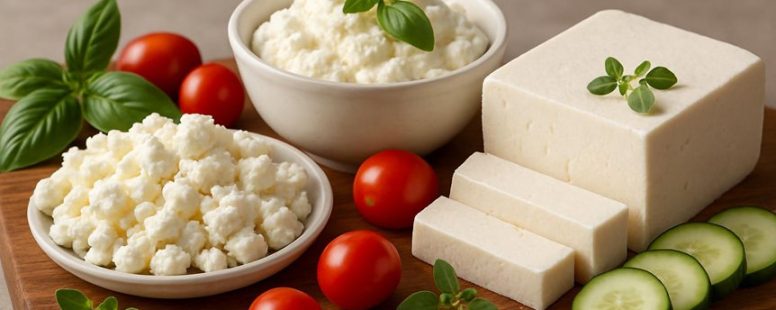
Imagine your favorite salad or dish bursting with that signature tangy zest and crumbly texture of feta—without the dairy. Finding the perfect substitute is like discovering a hidden gem that complements your culinary masterpiece instead of overpowering it.
Whether you prefer a dairy or vegan option, there are surprisingly versatile choices that can mimic feta’s bold flavor and delicate crumble. One lesser-known benefit? Some alternatives add a creamy richness or a subtle nuttiness, elevating your dish to new heights.
Choosing the right match turns cooking into an exciting treasure hunt, making every bite memorable.
Key Qualities to Choose a Feta Cheese Substitute
When choosing a feta cheese substitute, it helps to know what qualities matter most. The first key is flavor. Feta has a sharp, tangy taste that is also salty. So, a good substitute should have a similar balance of tanginess and saltiness. For example, some people use goat cheese or ricotta salata because they taste similar.
Next, think about texture. Feta is crumbly but also slightly creamy. When you add it to salads or dishes, it should break apart easily but not turn into a liquid. Some substitutes, like queso fresco, can be crumblier, while others, like cream cheese, are softer. Choose based on whether you want a crumbly or creamy feel in your food.
Nutrient profile is also worth looking at. Feta is lower in calories than many cheeses and contains good amounts of calcium and protein. If you’re on a diet or have allergies, check labels carefully. Some substitutes might have more fat or preservatives, which could affect your health goals.
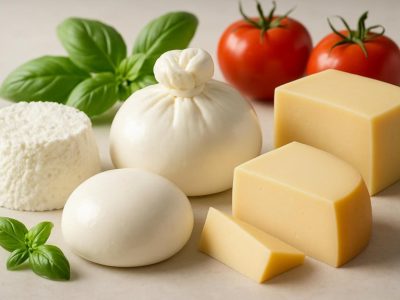
Finally, think about how you’ll use the substitute in cooking. Will it hold up in salads? Will it melt if you bake it? For salads, crumbly cheeses like cotija work well. If you’re baking or making a warm dish, a melting cheese like mozzarella might be better, but it won’t taste like feta. Be aware that some substitutes may not behave the same way, so test small amounts first.
In the end, finding the best feta substitute depends on what you need—flavor, texture, nutrition, or cooking method. Sometimes, a mix of cheeses can get you close enough. Remember, no substitute will be exactly like feta, but with a little trial and error, you can find one that works for your dish.
Top Dairy-Based Feta Cheese Substitutes
Feta cheese is known for its crumbly texture and tangy salty flavor. It is made mainly from sheep’s or goat’s milk, which gives it a unique taste. If you want a dairy-based substitute, here are some good options.
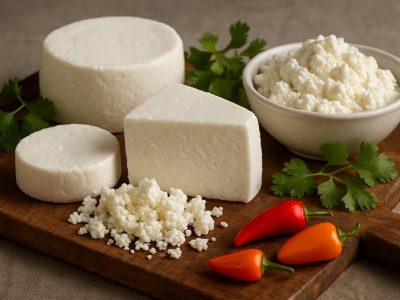
Ricotta salata is a popular choice because it is firmer and saltier than regular ricotta cheese. It crumbles easily and tastes similar to feta. This makes it a great replacement in salads, pasta, or baked dishes. However, it is a little saltier, so you might want to use less if you’re watching your salt intake.
Halloumi is another good alternative. It is a firm cheese from Cyprus that holds its shape when grilled or fried. It has a mild, slightly tangy flavor that can mimic feta in cooked recipes like skewers or toasted sandwiches. Keep in mind that halloumi is saltier and richer than feta, so adjust your seasoning accordingly.
Goat cheese is a softer option that shares a creamy texture similar to feta. It has a sharper, more tangy flavor, which can add a different but still tasty twist to dishes. If you prefer a milder flavor, you might want to blend it with other cheeses or reduce the amount used.
These substitutes can help you keep the salty, tangy taste of feta without using the traditional cheese. But remember, each has its own strengths and limits. Ricotta salata is best for crumbling and salads, halloumi works well cooked, and goat cheese adds creaminess. Think about what your recipe needs most and pick the best fit.
Sources: Food Network, Serious Eats
Best Vegan and Dairy-Free Feta Cheese Alternatives
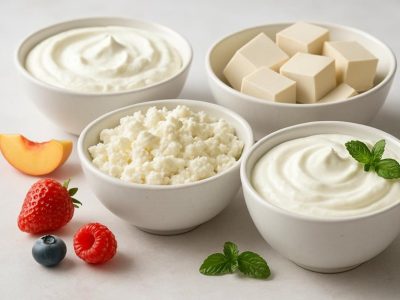
Vegan and dairy-free feta cheese alternatives are plant-based options that taste similar to traditional feta. These substitutes are popular because they are free from animal products and are suitable for vegans or people with dairy allergies. They often have a tangy flavor and creamy texture, but some may not perfectly match real feta in taste or texture.
Many brands like Violife, Follow Your Heart, and Treeline make these vegan feta options. For example, Violife’s Vegan Feta Crumbles are easy to sprinkle on salads or pasta. These products are often made from ingredients like coconut oil, tofu, or nuts, and some are fortified with vitamins to add extra nutrition.
However, not all vegan feta is created equal. Some taste very similar to real feta, while others might be a bit milder or less salty. It’s a good idea to read reviews or try different brands to find what you like best. Keep in mind that some options might be more crumbly or softer than traditional feta, which could change how you use them in recipes.
If you want to replace feta in a salad or pasta, look for options that have a strong, tangy flavor and hold their shape well. Remember, some brands may be pricier or harder to find at your local grocery store. It’s worth trying a few to see which one fits your taste and budget.
Popular Plant-Based Options
Plant-based feta substitutes are a good choice for anyone who wants a dairy-free option that still tastes and feels like the real thing. The best options are those that match feta’s salty, tangy flavor and crumbly texture.
One popular choice is tofu or tempeh. These plant proteins have a mild taste and firm texture. To make them taste like feta, marinate them with lemon juice, vinegar, and herbs. This gives them a tangy, salty flavor similar to traditional feta cheese. Some brands, like House Foods or Lightlife, offer tofu that works well for this.
Another favorite is cashew cheese. Cashews are soaked and blended with lemon juice, salt, and herbs to create a creamy, nutty cheese. It’s perfect in salads or Mediterranean dishes that need a cheese-like touch. Cashew cheese is rich and smooth, but it may not crumble like real feta.
Coconut-based feta is another option. It provides a crumbly texture with a slight tang. Brands like Miyoko’s or Nutricult make coconut-based feta that is soy-free and nut-free, good for those with allergies. Keep in mind, coconut feta can be a bit sweeter and less salty than traditional feta.
Some people prefer these plant-based feta options because they are dairy-free and vegan. Others might find that they don’t quite match the real feta’s sharpness or crumbly texture. Trying different brands and marinating methods can help you find the best fit for your taste.
Nutritional Benefits Compared
Nutritional benefits of vegan and dairy-free feta options vary a lot, so choosing the right one depends on your dietary needs. Here is a simple comparison of the main types to help you decide:
Tofu-based feta: This type is high in protein and calcium. It’s a good choice if you want to keep your muscles and bones strong. For example, if you’re vegan and need a protein boost, tofu feta can be a great option. But keep in mind, it might not have as much flavor as real feta.
Nut-based feta (like almond or cashew): These contain healthy fats and vitamins E and B. They support heart health and give you antioxidants. If you love creamy textures and want a snack that also helps your skin and heart, nut-based feta is worth trying. But they are higher in calories, so eat in moderation.
Coconut oil-based feta: This feta is lower in protein but often has added vitamins. It has a rich, creamy feel and moderate calories. If you’re watching calories or prefer a coconut flavor, this might fit your diet. However, it may lack the protein and nutrients found in other types.
Knowing these differences helps you pick the best vegan feta for your health. Do you want more protein, healthy fats, or just a tasty substitute? Think about your goals and choose the one that suits you best.
Using Tofu and Other Vegan Options as Feta Substitutes
Tofu and other vegan options can be good substitutes for feta cheese. Feta has a salty, tangy flavor and a crumbly texture. Since vegan alternatives don’t naturally taste or feel like feta, you need to prepare them well.
For tofu, start by pressing firm tofu to remove extra water. Then, crumble it into small pieces to imitate feta’s crumbly feel. Mix in seasonings like lemon juice, apple cider vinegar, salt, garlic powder, and dried oregano. These flavors help give the tofu a similar salty and tangy taste. If you want a stronger flavor, marinate the tofu for a few hours. This makes it taste richer and more like feta.
Other vegan options include almond-based cheeses or cashew feta. These tend to be creamier and work well if you prefer a softer cheese to add to salads or pasta. They are easier to spread but don’t have the same crumbly texture.
Some people like these vegan options because they are dairy-free and plant-based. However, keep in mind that they might not exactly match real feta in texture or flavor. Vegan cheeses can sometimes be softer or less salty.
Ricotta Salata and Similar Cheeses as Feta Substitutes
Ricotta salata is a type of cheese that can be a good substitute for feta if you’re not vegan. It is a crumbly cheese with a mild, slightly salty flavor. It adds a nice touch to many dishes like salads, pasta, and roasted vegetables without overpowering the taste. When I use ricotta salata, it gives my food a fresh twist but still keeps that cheesy taste I love.
Here are three reasons I think ricotta salata and similar cheeses are great feta substitutes:
Versatility – they work well in many dishes such as salads, pasta, and roasted vegetables.
Texture – they are crumbly but firm, similar to feta’s bite.
Flavor – they have a mild saltiness that makes dishes taste better without too much tang.
If you want to try new recipes with ricotta salata, it’s a simple way to enjoy a satisfying cheese alternative. Just grate or crumble it over your favorite meals and enjoy the difference. Keep in mind, some people might find ricotta salata a little saltier than feta, so taste your dish as you go. While it’s a good substitute, it isn’t exactly the same, and some might prefer the firmer or saltier taste of feta for certain recipes. Still, it’s a versatile choice for many dishes.
Flavor Tips to Mimic Feta Cheese’s Tangy Taste
If you want to get a tangy flavor similar to feta cheese, using lemon juice or apple cider vinegar can help do the trick. These acidic ingredients add brightness and make milder cheeses taste sharper. For example, a splash of lemon juice can turn plain cheese into something that feels more like feta.
To do this step-by-step: first, crumble your cheese or cheese substitute. Then, add a small amount of lemon juice or vinegar—start with about half a teaspoon for a cup of cheese. Mix it well and taste. If you want more tang, add a little more, but be careful not to overpower the cheese. A pinch of salt can also boost the flavor and make it taste more like feta.
Some people prefer lemon juice because it’s natural and gives a fresh taste. Others like apple cider vinegar for its milder tang. Keep in mind, though, that too much acid can make the cheese taste sour or off. It’s best to add little by little and taste as you go.
If you are making a salad or a spread, this trick can give your cheese that authentic tangy punch. But if you want a really close imitation of feta, some brands like “Valbreso” or “Feta from Greece” are hard to beat. Using acid is a simple way to mimic feta, but it won’t fully replace the salty, crumbly texture.
Some critics say this method works well in a pinch, but others warn it’s not the same as real feta and might taste artificial if you go overboard. So, experiment carefully.
In the end, whether you use lemon or vinegar, adding acidity is a quick way to make your cheese taste more like feta, especially if you’re trying to skip the expensive stuff or make a vegan version. Just remember, small amounts go a long way.
Tangy Flavor Enhancers
Feta cheese has a sharp, tangy flavor that many people love. If you want to make a similar taste without using feta, adding certain flavor boosters can help. Here’s how to do it step by step:
Use a lemon or lime vinaigrette. Drizzle it over your food to add a fresh, citrusy tang that makes your dish taste brighter and more like feta.
Sprinkle lemon or orange zest on salads or grains. This small touch gives a strong, aromatic citrus flavor that mimics feta’s sharpness.
Try tangy dressings like yogurt-based tzatziki or vinaigrettes with white wine vinegar. These add a sour kick that can replace feta’s tang.
Some people might worry that these tips won’t work well or make the dish too sour. It’s true that too much citrus or vinegar can overpower the dish. Start with small amounts and taste as you go. Also, if you want a creamy, tangy flavor, using Greek yogurt in dressings can be a good option.
But keep in mind, these are simple tricks. They won’t perfectly replicate feta’s unique flavor but can come close. If you want the real feta taste, buying the cheese is the best choice. These tips are good for quick fixes or if you have allergies.
Acidic Ingredient Alternatives
If you want to add a tangy flavor to your dish without using feta cheese, acidic ingredients like vinegar and lemon juice are good options. Vinegars such as red wine vinegar or apple cider vinegar are strong and sharp. They can give your food a bite that resembles feta’s tangy taste. Lemon juice is also a great choice because it adds a bright, fresh acidity that lifts flavors.
To use these ingredients, start small. Add a little vinegar or lemon juice, then taste and adjust as needed. Too much acid can overpower other flavors. Combining different acids can help you get closer to feta’s signature bite. For example, mixing a small amount of vinegar with lemon juice can produce a balanced tang that makes your dish more satisfying without the cheese.
Some people prefer vinegar because it is more intense and lasts longer in the dish. Others like lemon juice because it’s fresher and more natural. However, keep in mind that using too much acid can make your dish sour or harsh. It’s best to add gradually and taste often.
Texture Techniques for Crumbly Feta Cheese Substitutes
Feta cheese is known for its crumbly texture, and the best way to make a similar feel in a substitute is by following a few simple steps.
First, pressing and draining the alternative cheese helps. Whether you’re using tofu or paneer, squeezing out extra water makes it less soggy and makes crumbling easier. Imagine trying to crumble a wet sponge versus a dry one — the dry one crumbles better.
Second, freezing the cheese before thawing it changes its structure. For example, if you freeze tofu and then let it thaw, it becomes more crumbly and easier to break apart. This trick works because freezing causes tiny ice crystals to form inside, weakening the texture.
Third, break the cheese by hand instead of cutting with a knife. Tearing it into uneven pieces makes your substitute look more like real feta, which naturally crumbles irregularly. Think of breaking a cookie into chunks rather than slicing it.
Keep in mind, some people might find that these tips don’t always produce perfect feta substitutes. For example, tofu can sometimes stay too soft or chewy even after these steps. Also, over-freezing can make the texture too dry or rubbery.
If you want a more authentic crumbly feta, try combining these techniques with flavored herbs or salt to enhance the taste. But remember, no method is perfect. Some substitutes might never fully match feta’s natural crumbliness, so experiment and see what works best for you.
Best Feta Cheese Substitutes for Salads and Cold Dishes
Feta cheese substitutes are essential when making salads and cold dishes. The best options are those that match feta’s texture and flavor. When choosing a substitute, think about how it tastes and feels in your dish.
Crumbly goat cheese is a top pick. It has a tangy flavor like feta and crumbles easily, making it perfect for salads. Many people love it because it adds a rich, creamy taste without overwhelming other ingredients. If you haven’t tried it yet, imagine crumbling a sharp, tangy cheese over fresh greens—it’s a simple way to add flavor.
For those who can’t eat dairy, firm tofu is a good alternative. Season it with lemon juice and a little salt. It has a mild taste that blends well with vinaigrettes and other dressings. Just press out excess water from the tofu before seasoning so it doesn’t fall apart.
Ricotta salata is another option. This cheese is salty with a nutty flavor. It crumbles like feta and works well in salads. Keep in mind, though, that it is saltier than some other cheeses, so adjust your seasoning accordingly.
When picking a feta substitute, think about how it will work with your other ingredients and dressings. Some cheeses might melt or become too soft in certain dishes. Experiment with these options to find the one that best matches feta’s bright, crumbly texture and flavor for your salad.
Feta Cheese Alternatives That Work Well in Cooked Recipes
When you cook with feta cheese, its crumbly texture and tangy taste often change. So, choosing the right substitute is important to keep your dish tasty. Different ways of cooking affect how cheese melts and tastes. Picking an alternative with a similar flavor helps keep your meal balanced. Here are three good options to replace feta in cooked recipes:
Halloumi – This cheese stays firm when heated, so it won’t melt away. It has a salty flavor that pairs well with salads, grilled vegetables, or pasta dishes. Think of it like a cheese that holds its shape, making your dish more interesting.
Ricotta Salata – This is pressed and salted ricotta cheese. It crumbles just like feta and has a mild tang. It works well in baked dishes or when you sauté ingredients. It’s a great choice if you want a similar crumbly texture with less sharpness.
Goat Cheese – Soft but sturdy, goat cheese melts smoothly and adds a creamy, tangy flavor. Use it in cooked pasta, casseroles, or roasted veggies. Keep in mind, it melts faster than feta, so add it at the right moment.
Some people might wonder if these cheeses can really replace feta. While they work well in many recipes, they each bring their own twist. For example, halloumi is saltier and firmer, which might change the dish’s texture. Goat cheese melts quickly and might make things creamier than feta. So, consider what flavor and texture you want before choosing.
If you want a more authentic feta flavor, these options can help, but nothing is exactly the same. Try different ones to see what you like best. Using the right substitute can make your cooked meals just as delicious.
To provide the best experiences, we use technologies like cookies to store and/or access device information. Consenting to these technologies will allow us to process data such as browsing behaviour or unique IDs on this site. Not consenting or withdrawing consent, may adversely affect certain features and functions.
Functional
Always active
The technical storage or access is strictly necessary for the legitimate purpose of enabling the use of a specific service explicitly requested by the subscriber or user, or for the sole purpose of carrying out the transmission of a communication over an electronic communications network.
Preferences
The technical storage or access is necessary for the legitimate purpose of storing preferences that are not requested by the subscriber or user.
Statistics
The technical storage or access that is used exclusively for statistical purposes.The technical storage or access that is used exclusively for anonymous statistical purposes. Without a subpoena, voluntary compliance on the part of your Internet Service Provider, or additional records from a third party, information stored or retrieved for this purpose alone cannot usually be used to identify you.
Marketing
The technical storage or access is required to create user profiles to send advertising, or to track the user on a website or across several websites for similar marketing purposes.