Imagine reaching for vanilla extract and finding the bottle is empty—your baking world suddenly shifts. Vanilla is the subtle hero in countless recipes, weaving warmth and depth into every bite.
But when the usual is unavailable, exploring substitutes can unlock unexpected flavors and textures, much like discovering a hidden gem in your pantry. These alternatives don’t just stand in; they can enhance your creation with a surprising twist—sometimes even adding a hint of complexity you never knew was possible.
Embrace the challenge, and transform your baking into a delightful adventure.
Top Vanilla Extract Substitutes To Try
Vanilla extract is a common ingredient in baking, but sometimes you run out. The good news is there are several good substitutes you can use instead.
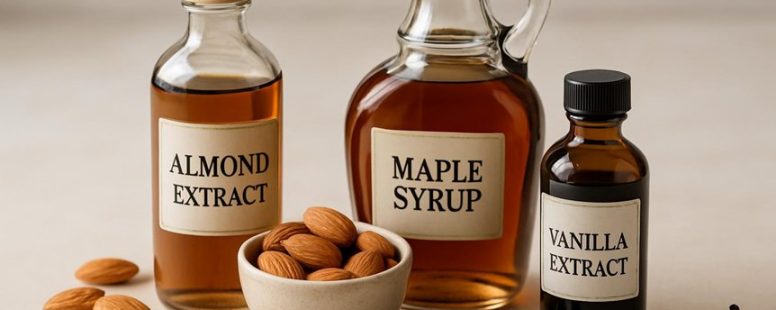
Almond extract is a popular choice. It gives a similar flavor to vanilla but is much stronger. So, when using almond extract, you should add less than the recipe calls for. Maple syrup is another option. It adds sweetness and a warm flavor that works well in cakes and cookies. Honey or molasses can also be used; they bring rich, deep notes to baked goods. A splash of rum or bourbon can add a hint of vanilla-like warmth too.
Some people might worry about the taste changing too much. Almond extract has a different flavor, but it pairs well with many baked items. Maple syrup and honey add sweetness, so you might need to cut back on sugar elsewhere. It is also good to remember that these substitutes may alter the texture or color a little. For example, honey can make baked goods more moist.
If you want the closest flavor to vanilla, almond extract is best, but it can be strong. Maple syrup is good if you want sweetness and warmth. Honey and molasses give a richer taste but can change the look of your baked goods. Rum and bourbon add a boozy flavor and are best in recipes that can handle that note.
Knowing these options keeps your baking from stopping if you run out of vanilla. Some bakers prefer to use vanilla bean paste or vanilla powder, but these can be expensive or hard to find. Using the right substitute depends on what flavor you want and the recipe you are making.
In the end, experimenting with different substitutes can be fun. Just remember that each has its own strength and flavor profile. Try small amounts first to see what works best for your baking. This way, you can stay confident and creative in the kitchen even when vanilla extract is missing.
When You Need To Swap Out Vanilla Extract
Vanilla extract is a common flavor in many recipes, but sometimes you need to swap it out. There are a few good reasons for this. Maybe you ran out or want a different taste. No matter the reason, choosing the right substitute is key.
First, think about the flavor. Vanilla is sweet and mellow, so the substitute should match that without overpowering the dish. For example, using too much almond extract can be strong and might change the flavor too much. Start with less and add more if needed. If your substitute is more potent, use a smaller amount.
Second, consider the recipe. Some swaps work better in baked goods, while others are best for sauces or drinks. For example, honey or maple syrup can add sweetness and moisture in baked desserts but might not work well in frosting.
Here are some common vanilla substitutes:
Almond extract: Use half as much as vanilla. It has a nutty flavor that can complement many baked goods.
Maple syrup or honey: Use the same amount as vanilla. They add sweetness and a little flavor of their own.
Vanilla-flavored yogurt: Use a small amount. It adds moisture and a hint of vanilla.
Vanilla bean paste: Use the same amount as vanilla extract. It has a richer flavor.
Some people might warn against using substitutes like artificial vanilla flavoring because they can contain chemicals or artificial ingredients. Others might find certain substitutes too strong or not sweet enough, so it’s good to taste as you go.
If you want to try a new flavor, start small. You can always add more but can’t take it out once it’s mixed in. Remember, substitutes can change the flavor slightly, so be ready for a different taste.
In the end, swapping vanilla is about balance. Experiment with small amounts and adjust until your dish tastes just right. It’s a simple way to keep baking fun and flexible, even if vanilla isn’t available.
Natural Pantry Ingredients That Replace Vanilla Extract
Vanilla extract is a common flavor in baking, but sometimes you may want to replace it with ingredients you already have at home. Natural pantry items like almond extract, maple syrup, or honey can work well as substitutes. They each bring a different kind of sweetness and flavor that can make your dish taste great without vanilla.
To use these substitutes successfully, start by thinking about what flavor you want to add. For example, almond extract adds a nutty note, maple syrup gives a rich sweetness, and honey adds a floral touch. You may need to adjust the amount you use. Usually, a teaspoon of vanilla can be replaced with about a half teaspoon of almond extract or a tablespoon of honey or maple syrup.
When cooking or baking with these, you can also mix in a pinch of cinnamon or nutmeg to mimic vanilla’s warm flavor. For example, a dash of cinnamon can make a honey-sweetened cake taste cozy, similar to what vanilla does.
Keep in mind that these substitutes may change the texture or color of your food slightly. Honey and maple syrup can make baked goods a little more moist and brown, so you might want to keep that in mind. Also, some extracts like almond or lemon can be strong, so start small and add more if needed.
Some people prefer natural ingredients for health reasons, while others just want to try new flavors. Both options are valid. However, be careful not to overuse these substitutes, as too much can overpower the dish or make it too sweet.
In the end, using pantry ingredients instead of vanilla extract is a simple way to keep your recipes natural and flavorful. Experiment with different options to find what works best for you. Just remember, sometimes a little creativity in the kitchen can lead to surprisingly delicious results.
Using Vanilla Powder And Vanilla Beans As Substitutes
Vanilla powder and vanilla beans are good substitutes for vanilla extract. Vanilla powder is made from dried vanilla beans ground into a fine powder. It gives a strong, natural vanilla flavor without adding extra liquid to your recipe. Whole vanilla beans are pieces of the bean pod. When you scrape out the tiny seeds inside, they add a rich, authentic taste and smell to baked goods or drinks.
If you want a more natural vanilla flavor, vanilla powder often works better than artificial vanilla. It’s also easier to measure and store. To use vanilla powder, add about half a teaspoon for every teaspoon of vanilla extract called for. For vanilla beans, split the pod open and scrape out the tiny seeds. Mix those seeds into your batter or dough. You can also add the whole bean pod while cooking and remove it later.
Some people prefer vanilla powder because it’s quick and concentrated. Others like vanilla beans for their fresh aroma and real bean taste. But keep in mind, vanilla beans can be more expensive and a bit messy to use. Vanilla powder might have additives or fillers depending on the brand, so check the label.
Benefits of Vanilla Powder
Vanilla powder is a dry, ground form of vanilla beans. It is often used as a substitute for vanilla extract in baking. One big advantage of vanilla powder is that it is easy to store. It does not need to be kept in the fridge and can sit on your shelf for a long time without going bad. This makes it very convenient for busy cooks.
Vanilla powder also has a stronger flavor than vanilla extract. You need less of it to get the same taste, which can save money. For example, a small spoonful can add plenty of vanilla flavor to cakes, cookies, or smoothies. Some brands even say it is more natural because it doesn’t contain alcohol like vanilla extract does. That means it’s a good option for people who want to avoid alcohol or are making recipes for children.
There are some things to watch out for. Vanilla powder can be more expensive than extract, and not all brands have the same quality. Some powders may have added fillers or artificial flavors. It’s a good idea to check the label before buying.
Some people believe vanilla powder might have extra health benefits because it contains antioxidants. But it’s not a miracle cure. It’s still best to use it as part of a balanced diet. Also, remember that vanilla powder is concentrated, so using too much can overpower your dish.
Using Whole Vanilla Beans
Using whole vanilla beans is a simple way to add a fresh, rich vanilla flavor to your recipes. Unlike vanilla powder or extract, whole beans give you more control over how strong the vanilla tastes. They also have a natural, vibrant flavor that many people prefer. Here’s how you can use them:
Cut the vanilla bean lengthwise to open it up and see the tiny seeds inside.
Use a small knife or the back of a spoon to scrape out the seeds.
Mix the seeds into your batter, custard, or frosting. You can also add the whole pod to liquids like milk or cream to infuse flavor.
Gently heat the liquids with the pod to help draw out the vanilla. Remove the pod before serving.
Some people say whole vanilla beans are worth the extra work because they give a more natural taste. But keep in mind, they can be expensive and take more time to prepare. If you want a quick vanilla boost, vanilla extract or powder might be easier.
Using whole beans lets you control how much vanilla flavor you want in your dish. It’s a simple trick that really makes desserts taste better. Have you ever tried using whole vanilla beans? The first time I did, I was surprised how much richer my vanilla pudding became just from those tiny seeds. It’s a small step that makes a big difference.
Alcohol-Free Vanilla Extract Alternatives
Alcohol-free vanilla extract alternatives are great options for people who want to avoid alcohol in their recipes. Vanilla bean paste is one of the best choices because it offers a rich, natural vanilla flavor without alcohol. It’s thick and has tiny vanilla seeds that add texture and a more intense taste than regular extract. Vanilla-flavored syrups are also popular; they are sweet and can give your baked goods a smooth vanilla taste, but they might be sweeter than pure vanilla.
Some people use vanilla bean paste because it tastes very close to traditional vanilla extract, but it can be more expensive. Vanilla syrups are often easier to find in grocery stores, and they add a sweet vanilla punch, but they may change the overall sweetness of your recipe.
There are two points to consider. First, vanilla bean paste is a good substitute if you want a natural, intense vanilla flavor. Second, vanilla syrups are easy and convenient but can make your dish sweeter than expected.
If you want to avoid alcohol and keep your recipe natural, vanilla bean paste is usually the best choice. However, if you need something quick and sweet, vanilla syrup can work. Just remember that syrups may alter the final taste and texture of your baked goods.
Common Alcohol-Free Options
Looking for alcohol-free vanilla options? Here’s what you need to know. Traditional vanilla extract usually contains alcohol, but many people prefer alternatives that don’t have any alcohol at all. These options work well in baking and cooking, giving you good flavor without the alcohol. Here are four common substitutes I recommend:
Vanilla Almond Milk – This adds a mild vanilla flavor and moisture to recipes. It’s great for baking cookies or cakes, and it’s easy to swap in for regular milk. Just use the same amount as you would vanilla extract or regular milk.
Vanilla Bean Paste – This paste is packed with real vanilla seeds. It gives a strong vanilla flavor and makes desserts look pretty with tiny black seeds. Use it in custards, ice cream, or frosting for an extra punch of vanilla.
Vanilla Powder – This is a dry powder made from vanilla beans. It dissolves easily, so you can add it to dry ingredients like flour or sugar. It’s perfect if you want to boost vanilla flavor without adding any liquid.
Imitation Vanilla Flavor – This is a synthetic vanilla essence that’s usually cheaper. It offers a vanilla taste that’s similar to real vanilla but may lack depth. It’s good for budget baking but might not be as rich as real vanilla.
Some people might worry that these alternatives don’t pack the same punch as traditional vanilla extract. For example, vanilla bean paste gives the most intense flavor, but it’s also more expensive. Imitation vanilla is cheaper but may taste less natural. Also, some recipes need the alcohol in vanilla extract to help blend flavors or create a certain texture. In those cases, these substitutes might not work perfectly.
So, what’s the best choice? It depends on your needs. Want a strong vanilla flavor? Go for vanilla bean paste. Need a quick and easy swap? Vanilla almond milk or powder could do the trick. Just remember, each one has pros and cons, so pick the right for your recipe and budget.
Sources: FoodNetwork.com, Allrecipes.com.
Flavor Profiles Compared
Understanding the best alcohol-free vanilla alternatives means knowing how they compare in flavor and aroma. Each substitute has different strengths and weaknesses. For example, vanilla-flavored almond milk gives a light sweetness but a mild vanilla aroma, so it’s good for smoothies or simple baked goods. Maple syrup offers a rich, warm smell with more sweetness, perfect for recipes that need caramel flavor.
Some substitutes can lose their aroma when cooked at high heat, while others stay strong. Coconut extract works well with tropical dishes and adds a smooth coconut flavor without overpowering. When choosing an alternative, think about how your recipe heats up and what flavors will match best.
A good rule is to try a small amount first. If you want a subtle vanilla taste, vanilla almond milk is a safe choice. For a bold, sweet note, go with maple syrup. Keep in mind that some substitutes might change the texture or sweetness of your food. For example, maple syrup adds more sugar, so you might need less sugar in your recipe.
In the end, picking the right alcohol-free vanilla substitute depends on what you are cooking and what flavor you like. Experiment a little to find what works best for you. Remember, not all substitutes will work perfectly in every dish, so it’s smart to test first.
Tips For Adjusting Recipes With Vanilla Substitutes
When you use a vanilla substitute in recipes, it’s key to change the amounts carefully to keep the flavor balanced. Different substitutes can be sweeter or stronger, so adjusting the sweetness is important. Here are some simple tips to help you get it right:
First, start by using half the amount of the substitute called for in the recipe. Then, taste your batter or dough before adding more. This way, you won’t accidentally make it too strong or too weak.
Next, add sweeteners slowly if your substitute is less sweet than vanilla. For example, if you’re using almond or maple extract, you may need to add a little sugar or honey to make up for the missing sweetness.
Another idea is to add other flavors like cinnamon or lemon zest. These can boost the overall taste and make the vanilla substitute blend better with your recipe. For example, a dash of cinnamon can make a pumpkin muffin taste even better without vanilla.
Finally, keep an eye on your baking time. Some substitutes might make baked goods brown faster or stay moist longer. You might need to bake for a few minutes less or more to get perfect results.
Some bakers might say you should only use small amounts of vanilla substitute at first, while others prefer to experiment until they find what works best. Both are valid, but always taste and adjust as you go. Remember, every substitute has its own strength and flavor, so be patient and flexible.
If you’re unsure, do a small test batch before making a big dessert. This way, you can see how the substitute affects the flavor and texture. Be aware that some substitutes, especially artificial ones, can taste different or overpower the dish. Always read the label and use quality products.
In the end, adjusting recipes with vanilla substitutes is about balancing flavors. Use your senses and be willing to tweak the recipe until it tastes just right. That way, your baked goods will still turn out delicious, even without real vanilla extract.
Best Vanilla Extract Substitutes By Recipe
Vanilla extract is a common flavor in baking, but sometimes you might not have it on hand. So, what are good substitutes? The best choice depends on what you’re making and what flavor you want to achieve.
For baked goods like cookies and cakes, you can try almond extract or maple syrup. These add a different but tasty flavor without making your dish taste strange. Almond extract gives a nutty, slightly sweet flavor, while maple syrup adds sweetness and a hint of caramel. Just remember, because they are liquids or strong flavors, you should use less than the amount of vanilla called for—about half or a quarter. Otherwise, your baked goods could turn out too moist or overpowering.
If you are making custards or creamy desserts, vanilla bean paste works really well. It has tiny vanilla beans in a thick syrup, giving a rich, authentic vanilla flavor. It’s like adding vanilla seeds directly into your dessert, which makes it more flavorful and aromatic. Also, vanilla bean paste can be a good choice if you want a more intense vanilla taste than vanilla extract.
When baking with liquids, some people like to use bourbon or rum as substitutes. They add warmth and depth to baked items like bread or puddings. But be careful—these alcohols are strong, and too much can change the texture or flavor too much. Start with a small amount, about a teaspoon per teaspoon of vanilla, and see how it tastes. Remember, alcohol can also make baked goods more moist, which might not be what you want in some recipes.
Some people might think using substitutes is tricky because they could change the flavor or texture. For example, using too much maple syrup might make your cookies sticky, and alcohol could alter the cake’s rise. It’s best to experiment with small amounts first.
In the end, choosing the right vanilla substitute depends on your recipe and what flavor you want to bring out. Almond extract gives a nutty twist, vanilla bean paste adds richness, and spirits like bourbon bring warmth. Just keep in mind, every substitute has its limits, so adjustments are key. Would you really want to ruin your favorite dessert just because you ran out of vanilla? Sometimes a little experimentation is all it takes to find your perfect flavor.
To provide the best experiences, we use technologies like cookies to store and/or access device information. Consenting to these technologies will allow us to process data such as browsing behaviour or unique IDs on this site. Not consenting or withdrawing consent, may adversely affect certain features and functions.
Functional
Always active
The technical storage or access is strictly necessary for the legitimate purpose of enabling the use of a specific service explicitly requested by the subscriber or user, or for the sole purpose of carrying out the transmission of a communication over an electronic communications network.
Preferences
The technical storage or access is necessary for the legitimate purpose of storing preferences that are not requested by the subscriber or user.
Statistics
The technical storage or access that is used exclusively for statistical purposes.The technical storage or access that is used exclusively for anonymous statistical purposes. Without a subpoena, voluntary compliance on the part of your Internet Service Provider, or additional records from a third party, information stored or retrieved for this purpose alone cannot usually be used to identify you.
Marketing
The technical storage or access is required to create user profiles to send advertising, or to track the user on a website or across several websites for similar marketing purposes.