Asparagus has a bright, grassy snap that can lift a spring meal, but sometimes you can’t find it, can’t afford it, or simply want a different texture. If you crave that fresh crunch or a vegetable that stands up to high heat and bold sauces, you have options. This guide shows clear, practical swaps for asparagus with vivid examples, flavor notes, and cooking tips so you can choose the best alternative to asparagus for any dish. Read on and you’ll learn which vegetable imitates the bite, which holds up on the grill, and which one gives you a similar nutritional boost.
Why You Might Need An Asparagus Alternative
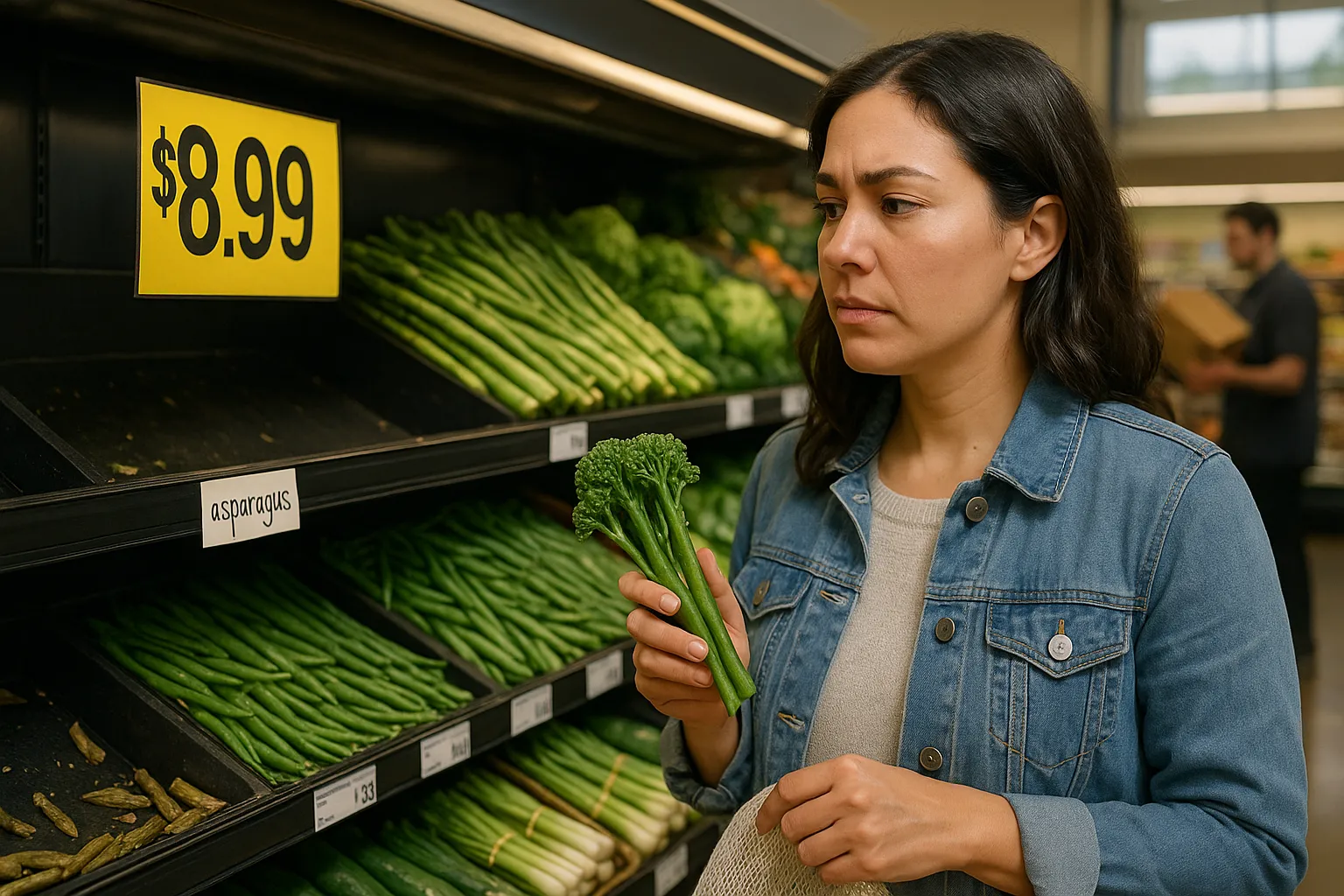
Fact: you might need an asparagus alternative because of seasonality, price spikes, dietary preferences, or recipe fit.
Asparagus is harvested in a narrow window in many regions (springtime in the U.S.), so late-season spears are often imported and costly. Retailers like Trader Joe’s and Whole Foods mark price swings at the display: you’ll notice it first when buying for a dinner party. You might also need a swap if a guest dislikes asparagus’ slight bitterness, or if you want a vegetable that grills faster or roasts without drying out.
Practical reasons matter. Maybe your recipe calls for long, firm stalks and your market only has tiny spears. Maybe you want a milder green that pairs better with creamy sauces. Below, you’ll find alternatives ranked by their match to asparagus’ texture and flavor, plus when to choose each one for best result.
Top Vegetable Alternatives — Ranked By Use And Texture
Fact: some vegetables mimic asparagus closely in texture or cooking behavior: others serve as complementary contrasts.
Green Beans
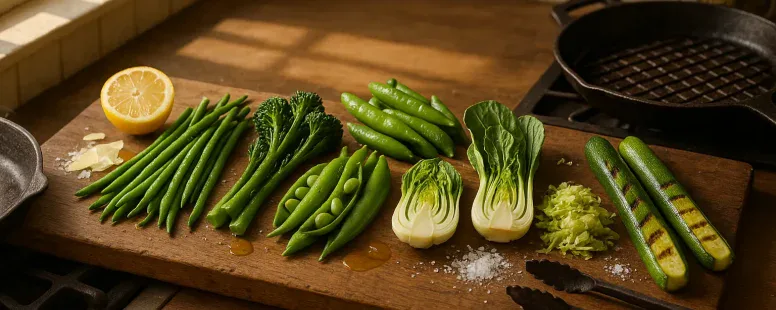
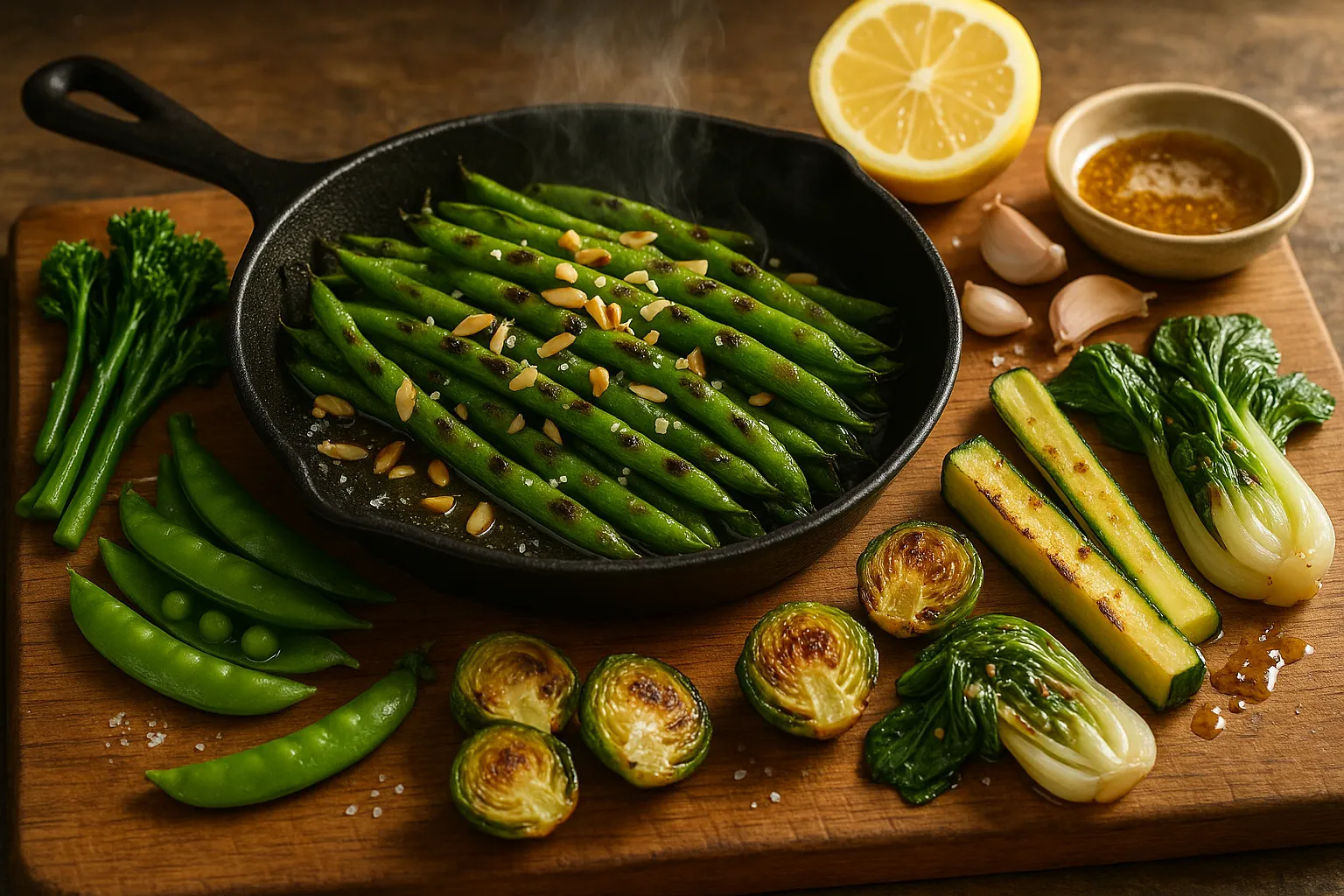
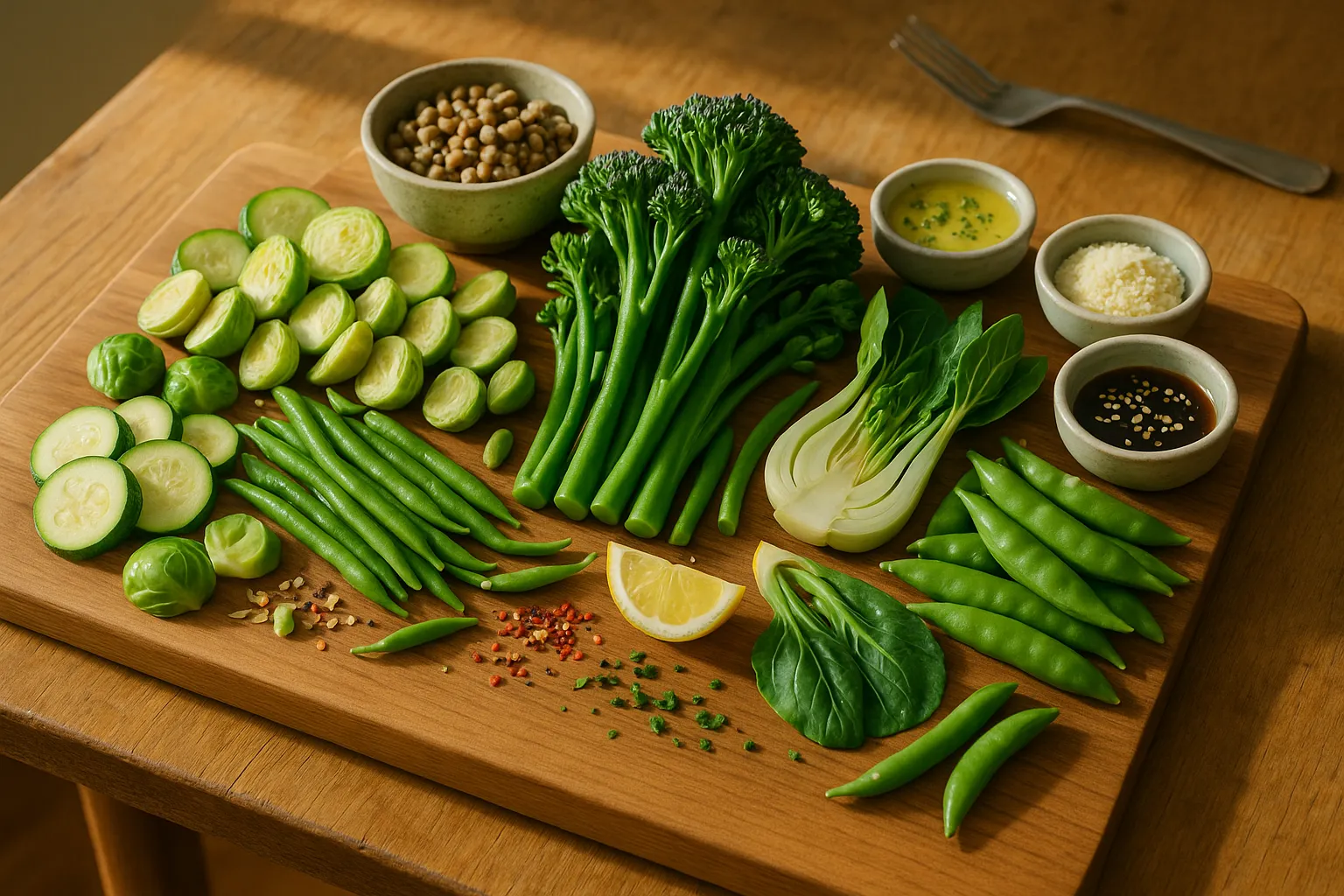
Green beans match asparagus on snap and roasting time. They have a similar fibrous bite and they char well on a hot grill. Use fresh haricots verts when you want long, elegant pieces: use thicker snap beans when you need more substance. Green beans pair with lemon, garlic, almonds, and butter just like asparagus. A real-life example: chefs at a Boston bistro swapped green beans for asparagus on a spring menu and kept the dish’s balance intact, diners didn’t notice the substitution.
Broccolini
Broccolini offers a slender stem and small florets that stand in for asparagus’ vertical shape. It cooks quickly and soaks up sauces. Broccolini has a slightly sweeter, brassica note compared to asparagus’ grassy tone. Choose broccolini when you want something that grills or sautés quickly and looks refined on the plate.
Sugar Snap Peas
Sugar snap peas bring bright sweetness and a juicy crunch. They lack asparagus’ woody stem, but they contribute similar snap and a fresh green flavor. Use them raw in salads or briefly stir-fried for a contrasting texture in creamy dishes. They’re a great choice when you want a pop of color and chew.
Bok Choy (Baby Or Chinese Cabbage Leaves And Stems)
Bok choy gives you tender leaves and crisp white stems. The stems have a firm bite that feels substantial in a stir-fry or quick roast. Baby bok choy will wilt attractively and keeps sauces: the stems act like short asparagus. Use bok choy when you need something mild that pairs with soy, sesame, ginger, or oyster sauce.
Brussels Sprouts (Halved Or Shaved)
Brussels sprouts deliver dense texture and a nutty, slightly bitter flavor when roasted. They won’t mimic asparagus’ length, but shredded or halved sprouts provide the same charred-surface-to-tender-center experience. Choose them in hearty winter dishes or when you want more caramelization.
Zucchini (Spears Or Ribbons)
Zucchini is softer but very versatile. Sliced into spears it grills and roasts similarly to asparagus, especially if you leave a bit of skin on for structure. Ribbons make a delicate swap in salads or warm pasta. Zucchini pairs well with garlic, tomatoes, olive oil, and herbs and acts as a neutral canvas for bolder toppings.
How To Choose The Right Substitute For Your Recipe
Fact: pick a substitute by matching texture, flavor intensity, cooking method, and availability.
Match By Texture And Bite
Start with texture. If your recipe depends on a crisp center and tender exterior (like grilled asparagus), choose green beans, broccolini, or thick zucchini spears. If the dish expects a quick pop (raw salads), go with sugar snap peas or shaved Brussels sprouts.
Match By Flavor Intensity And Pairings
Asparagus has a grassy, slightly bitter profile. For similar notes choose broccolini or Brussels sprouts. For milder flavors that let sauces shine, choose zucchini or bok choy. Think about pairings: lemon and Parmesan marry green beans and zucchini: soy and sesame suit bok choy.
Match By Cooking Method And Holding Power
If you need a vegetable that survives long cook times or sits in sauce, pick Brussels sprouts or thick green beans. For rapid high-heat cooking, broccolini and zucchini work best. Sugar snap peas will lose crunch if overcooked, so add them late.
Match By Seasonality, Cost, And Availability
Fact: seasonal produce often tastes better and costs less. In spring, asparagus might be cheap and perfect, skip the swap. In late summer and fall, zucchini and Brussels sprouts tend to be more available and cost-effective. If price is your constraint, frozen green beans are a reliable, nearly equivalent option.
Cooking And Preparation Tips For Common Swaps
Fact: adjusting prep and timing makes a swap feel intentional rather than accidental.
Roasting And Sheet-Pan Methods
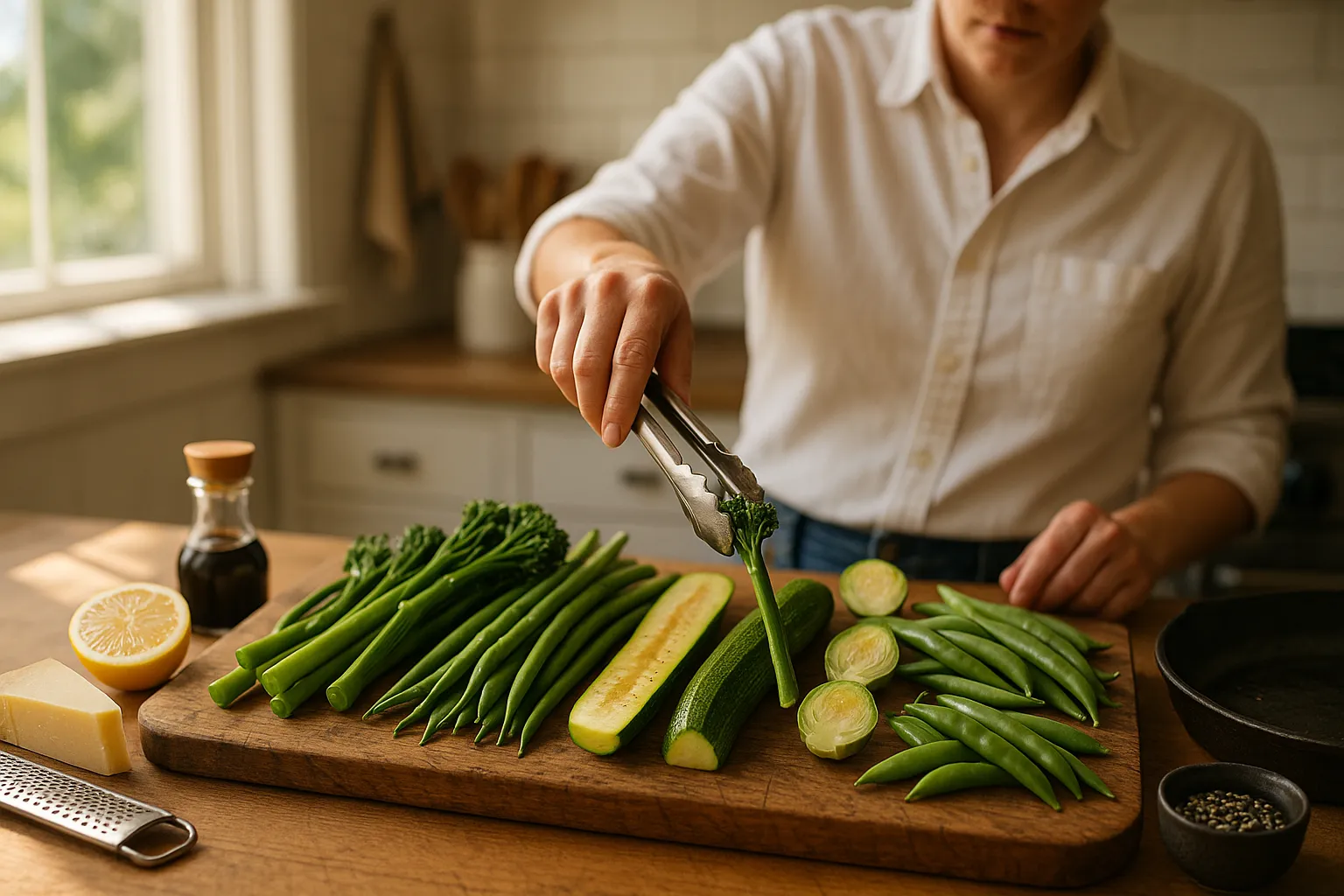
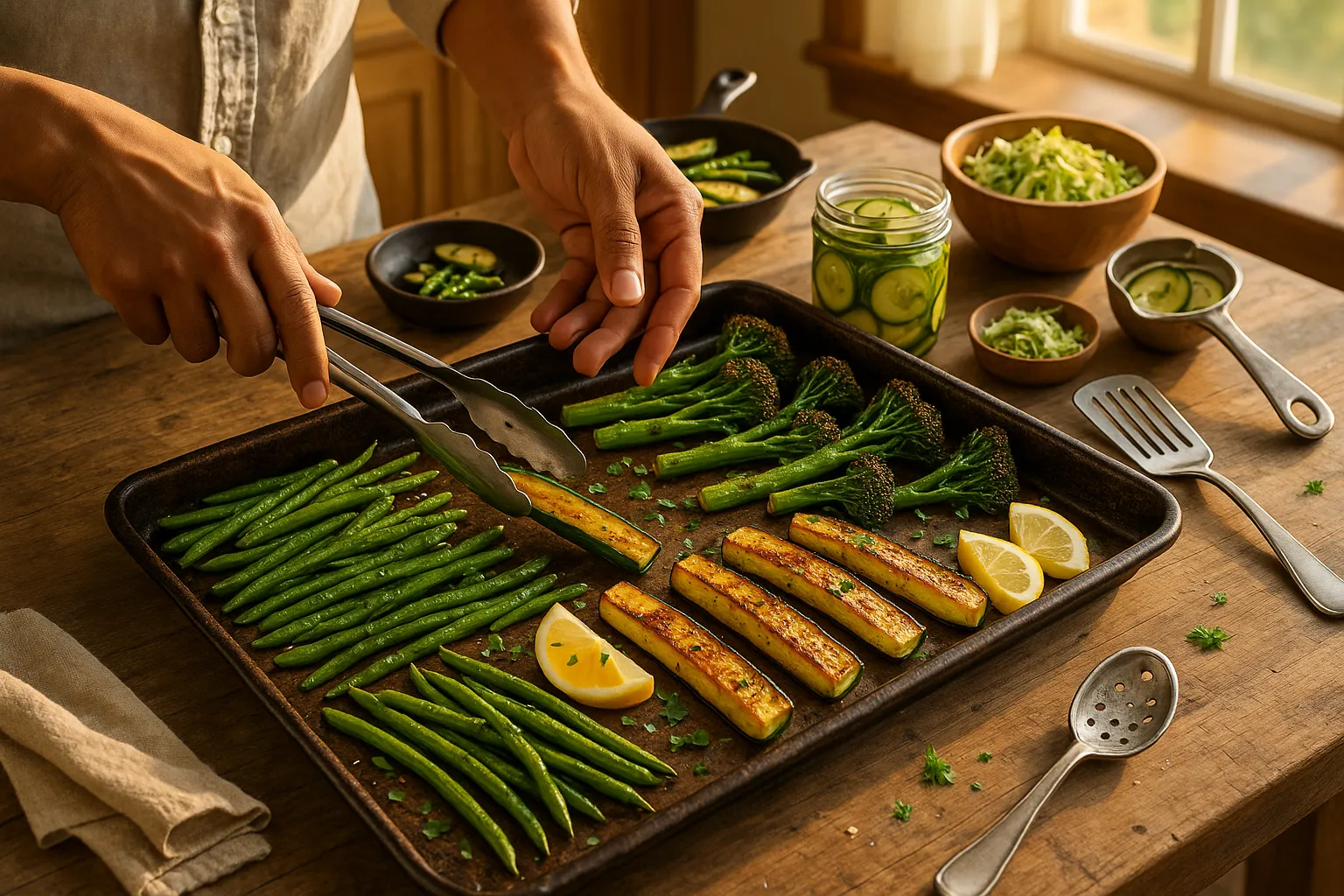
Cut alternatives into similar sizes. For green beans, trim ends: for broccolini, halve longer stems: for zucchini, cut into spears matching asparagus length. Roast at 425°F (218°C) to get caramelization without drying. Toss with oil, salt, and a squeeze of lemon after roasting to refresh flavors. Don’t overcrowd the pan or they’ll steam instead of brown.
Grilling And Charring Techniques
Brush vegetables with oil and preheat the grill to medium-high. Use skewers for small items like sugar snap peas or halve broccolini lengthwise so they don’t fall through the grates. Grill briefly and finish with acid, a splash of balsamic or lemon lifts charred notes. For a smoky bite, give zucchini a longer sear: it tolerates heat well.
Sautéing, Stir‑Frying, And Quick Blanching
Start with hot oil, add aromatics, then the vegetables ordered by density: stems (bok choy stems, green beans) first, leaves and peas last. For stir-fry, blanch green beans briefly to speed cooking and keep color. Don’t crowd the pan: quick movement keeps vegetables crisp.
Serving Raw: Salads, Crudités, And Pickles
Shave Brussels sprouts thinly with a mandoline or knife for a raw slaw that provides a similar chew to thin asparagus. Use zucchini ribbons or raw sugar snap peas for crunchy salads. Quick-pickle thin asparagus substitutes, like sliced zucchini, if you want preserved tang in sandwiches.
Nutrition And Flavor Comparison At A Glance
Fact: many asparagus alternatives supply similar vitamins and fiber, but amounts vary.
Key Vitamins, Minerals, And Fiber Differences
Asparagus is high in folate, vitamin K, and vitamin C. Broccolini and Brussels sprouts provide extra vitamin C and more calcium. Green beans give comparable fiber and vitamin A precursors. Zucchini offers potassium and low-calorie bulk. If folate is your goal, stick with asparagus or add legumes: if you want vitamin C, choose broccolini or Brussels sprouts.
Calories, Carb Content, And Diet Considerations
Most alternatives are low-calorie and low-carb in serving-size terms. Zucchini is lowest in calories per cup: Brussels sprouts have slightly more carbs and calories due to denser structure. For keto plans, green beans and broccolini are friendly in moderate portions. For fiber goals, Brussels sprouts and green beans help more per cup.
Flavor Profiles And Best Pairings (Sauces, Proteins, Herbs)
Asparagus pairs with butter, lemon, Parmesan, hollandaise, bacon, and salmon. Green beans match the same combos. Broccolini pairs well with chili flakes, soy sauce, and miso: use it with chicken or pork. Sugar snap peas suit light vinaigrettes and seafood. Bok choy works with ginger, soy, and tofu. Zucchini takes garlic, basil, tomatoes, and goat cheese.
Practical Recipes And Swap Ideas For Everyday Meals
Fact: simple swaps preserve the spirit of a dish while using what you have.
Simple Roasted Vegetable Swap With Lemon And Parmesan
Use green beans or broccolini in place of asparagus. Toss with olive oil, salt, and pepper: roast at 425°F for 12–18 minutes until browned. Finish with lemon zest and shaved Parmesan. The result keeps the bright, savory finish you expect from roasted asparagus.
One‑Pan Grilled Protein And Vegetable Meal
Swap asparagus for zucchini spears or halved broccolini alongside chicken breasts or salmon. Season both with olive oil, garlic, and thyme: grill until the protein reaches temperature and the vegetables show char. This short-cooks cleanly and reduces dishes for easy weeknight dinners.
Pasta Or Risotto Swap For Creamy Applications
When a recipe calls for sliced asparagus in a creamy pasta or risotto, use blanched green beans or zucchini ribbons. Add them late so they keep texture. A friend learned this the hard way: she overcooked zucchini into mush in a risotto. Do add vegetables at the end and stir briefly, not long.
Fresh Salad And Crudité Ideas Using Crunchy Alternatives
Make a salad with shaved Brussels sprouts, sliced sugar snap peas, walnuts, and a lemon-Dijon dressing. Or create a crudité platter with raw zucchini ribbons, sugar snap peas, and a yogurt-herb dip. These swaps preserve crunch and visual appeal while delivering familiar flavors.
Call-to-action: try one swap this week. Buy small amounts and test them in your favorite asparagus recipe. You might find a new go-to that saves money, extends your seasonal options, and introduces pleasant surprises to your plate.
To provide the best experiences, we use technologies like cookies to store and/or access device information. Consenting to these technologies will allow us to process data such as browsing behaviour or unique IDs on this site. Not consenting or withdrawing consent, may adversely affect certain features and functions.
Functional
Always active
The technical storage or access is strictly necessary for the legitimate purpose of enabling the use of a specific service explicitly requested by the subscriber or user, or for the sole purpose of carrying out the transmission of a communication over an electronic communications network.
Preferences
The technical storage or access is necessary for the legitimate purpose of storing preferences that are not requested by the subscriber or user.
Statistics
The technical storage or access that is used exclusively for statistical purposes.The technical storage or access that is used exclusively for anonymous statistical purposes. Without a subpoena, voluntary compliance on the part of your Internet Service Provider, or additional records from a third party, information stored or retrieved for this purpose alone cannot usually be used to identify you.
Marketing
The technical storage or access is required to create user profiles to send advertising, or to track the user on a website or across several websites for similar marketing purposes.