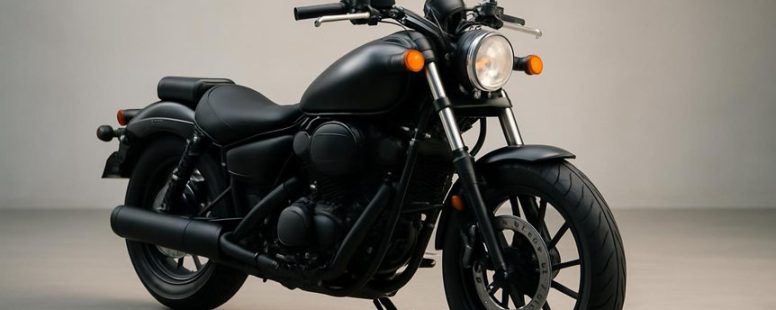
Best Motorcycle for Beginners Cruiser
Starting out on a cruiser bike feels like stepping into a world where the open road whispers promises of adventure. Do you imagine the thrill of feeling the wind brush against your skin as you glide smoothly over pavement?
For beginners, choosing the right motorcycle is like finding the perfect dance partner—one that offers a gentle, confident rhythm. Lightweight frames and lower seats turn riding into a comfortable glide, while safety features act as a silent guardian, boosting your confidence with each mile.
Surprisingly, some of the best beginner cruisers pack a quiet punch—combining manageable power with a sense of security that makes every ride feel like a victory lap.
Let’s explore what makes these bikes stand out and how to find your ideal match before hitting the road.
Key Features to Look For in a Beginner Cruiser Motorcycle
Choosing the best cruiser motorcycle for beginners means knowing what features matter most. Here are some key points to look for:
First, engine size is very important. A smaller engine, like 250cc to 500cc, makes the bike easier to control. Larger engines can be powerful but harder for new riders to handle. Think of it like learning to drive a small car before trying a big truck. If the engine is too big, you might feel overwhelmed or unsafe.
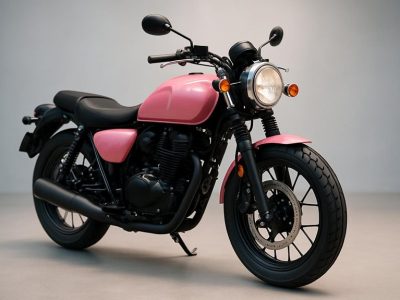
Next, consider the riding position. Cruisers usually have a relaxed, feet-forward style. This can help you stay comfortable on long rides. Make sure the bike fits you well. Can you reach the handlebars easily? Can your feet touch the ground when sitting on the bike? A bike with a low seat height and a light frame makes it easier to balance and control. For example, bikes like the Honda Rebel 300 are popular choices because they are lightweight and easy to ride.
Another thing to think about is weight. Lighter bikes are less tiring and more stable for beginners. A heavy bike can be hard to stop or turn, especially if you’re just starting out. So look for a cruiser that is not too heavy.
Some riders prefer brands like Yamaha, Honda, or Kawasaki because they make reliable beginner bikes. But be careful of bikes that are too big or heavy, and always get proper training before riding. Remember, safety comes first.
Some people say bigger engines are better because they can go faster, but that can be dangerous for beginners. Others believe that a small, manageable bike is better for learning. Both views have their points, but most experts agree that starting small is safer.
If you’re new to motorcycles, ask yourself: Can I control the size and weight of the bike? Will I be comfortable riding it for hours? Think of your first cruiser as a stepping stone. Choosing the right features can help you learn faster and enjoy your rides more.
Just remember, even the best beginner bike needs proper training and safety gear. Don’t rush into buying a bike without trying it first. A good fit and manageable power will help you stay safe and have fun.
Top Lightweight Beginner Cruiser Motorcycles for New Riders
A lightweight cruiser motorcycle is a good choice for new riders because it is easy to handle and not too heavy. The best beginner cruisers have engine sizes around 250 to 500 cc. These engines give enough power to enjoy riding without feeling overwhelming. For example, bikes like the Honda Rebel 300 or Kawasaki Vulcan S are popular because they are light and simple to control.
Comfort is also very important. Look for bikes with a low seat height so your feet can touch the ground easily. A relaxed riding position makes riding more comfortable, especially on long trips. Some bikes have wide seats and easy-to-reach handlebars that help you stay comfortable and confident.
Handling is another key factor. Bikes that are light and responsive help you learn quickly. Easy steering and smooth brakes make riding less stressful. But remember, even small bikes can still be tricky if you’re not used to riding. Always practice in safe places first to avoid accidents.
Some riders prefer different bikes based on their needs. For example, a cruiser with a 300 cc engine is perfect for beginners, but if you want more power later, you might consider a slightly bigger engine. Be honest about your skill level and start small.
Ideal Engine Sizes
The best beginner motorcycle engine size is between 250cc and 500cc. This range gives new riders enough power without being too overwhelming. Smaller engines like 250cc are easier to control, making them good for learning. Larger engines near 500cc give more speed but can be harder to handle if you’re just starting out.
Matching your engine size to your weight is important. If you are heavier, a bike closer to 500cc might feel better because it can handle your weight better. If you’re lighter, a 250cc or 400cc bike is usually enough. Picking the right size helps you feel more confident and safer while riding.
Some riders say starting with a mid-range engine helps build skills first. You learn how to control the bike before trying bigger, faster models. Others warn that starting with too small an engine might make you want more power too soon. Both sides agree, though—it’s safer to grow into bigger bikes rather than struggle with one that’s too powerful at first.
Think of it like learning to drive a car. It’s best to start with a small, easy-to-handle car before moving to a bigger, faster one. The same goes for motorcycles. Choosing the right engine size helps you enjoy riding and stay safe as you learn.
Sources: Motorcycle safety experts from the Motorcycle Safety Foundation suggest beginner bikes should have engines between 250cc and 500cc for better control.
Comfortable Riding Features
Comfort is key when riding a bike. If your cruiser is comfortable, you’ll want to ride more often. To make sure your beginner cruiser fits well, pay attention to the seat and ride quality. A good seat should be padded and shaped to support your back and hips without making you stretch or hunch. Think of it like sitting on a soft cushion that keeps you comfortable even on longer rides.
Ride quality also matters. A cruiser that rolls smoothly and feels steady makes riding easier and less tiring. Look for bikes with suspension that soaks up bumps. A frame that reduces vibrations can make a big difference on rough roads. Some brands like Harley-Davidson and Schwinn make cruisers with these features.
Some people might say that focusing on comfort means sacrificing speed or style. That can be true, but comfort helps you enjoy riding more and ride for longer. Others might worry that softer seats or better suspension cost more money. While that is true, investing in comfort can save you from sore muscles and fatigue.
In the end, choosing a cruiser that feels good and rides smooth will make every ride more fun. It’s like finding the right shoes — if they fit well, you’ll never want to take them off. So, check the seat and ride quality before buying, and your rides will be a lot more enjoyable.
Easy Handling Benefits
Easy handling is one of the best benefits of lightweight cruisers for new riders. These bikes are simple to control because they respond smoothly to your steering and movements. That means making turns feels natural, not scary. If you’re just starting out, easy handling helps you feel more confident on the road. You won’t worry as much about balancing or heavy steering, so you can relax and enjoy your ride.
A lightweight cruiser also means less fatigue. Riding a bike that is easy to manage lets you ride longer without getting tired. This helps you practice more and get better faster. For example, if you ride a heavy bike, it might feel harder to handle after a while. But a light cruiser stays manageable, so you can focus on learning.
Some people say that lightweight cruisers are better for beginners, but others warn they might not be as sturdy or safe in all situations. It’s good to choose a bike that feels right for your size and strength.
In short, easy handling is a key reason many new riders love lightweight cruisers. They make riding less stressful and more fun. Just remember that no bike is perfect, and you should always wear a helmet and ride carefully.
More Powerful Beginner-Friendly Cruiser Bikes That Stay Manageable
A more powerful cruiser bike that is still easy to handle is great for riders who want more speed but don’t want to feel out of control. These bikes have bigger engines that give you a nice boost when you need it, like passing cars on the highway or climbing hills. The key thing that makes them good for beginners is how light they are. Being lighter means you can turn, stop, and start smoothly without struggling.
For example, brands like Harley-Davidson and Honda make models with engines that are a little stronger than basic cruisers but still manageable. Some riders say they feel confident because the bike responds well to their controls, even at slow speeds or tight corners. However, keep in mind that these bikes are still bigger than beginner models. If you’re not used to handling a larger bike, it might take some practice.
On the one hand, these bikes give you more power to grow your riding skills. On the other hand, if you rush into a bike that’s too powerful or heavy, you might find it hard to control, especially in tricky situations. So, it’s best to test ride a few and see how they feel.
In short, bikes like the Honda Shadow or Harley-Davidson Sportster are good options for riders who want a step up in power but still want to stay safe and comfortable. Just remember, more power can mean more responsibility. Take your time, and don’t rush into the biggest engine right away.
Essential Safety Features of Beginner Cruiser Motorcycles
When choosing a beginner cruiser motorcycle, safety features are very important. First, look for anti-lock braking systems (ABS). ABS helps prevent the wheels from locking up if you brake hard, which stops the bike from skidding and falling over. For example, Honda Rebel 300 has ABS, making it safer for new riders.
Good visibility and lighting are also key. Bright headlights and turn signals help others see you, especially at night or in bad weather. A bike with clear lights and reflective parts can make a big difference on the road.
Stability control features are great too. They help keep the bike steady when you turn or go over bumps. Some bikes have traction control or stability assist, which can give you more confidence as you learn to ride.
But remember, no safety feature can replace good riding habits. Always wear a helmet and practice in safe places. Some bikes may have too many electronic safety features, which can be confusing for beginners. It’s best to find a simple bike with reliable safety features to start with.
In the end, safety depends on you too. Features like ABS, good lighting, and stability help, but staying alert and riding carefully is the best way to stay safe.
Anti-Lock Braking Systems
An Anti-Lock Braking System (ABS) is a safety feature that helps prevent your wheels from locking up when you brake hard. This technology can be very helpful, especially for new riders. When you slam on the brakes, your wheels can stop turning and cause you to skid or lose control. ABS stops that from happening by automatically adjusting the brake pressure, so your wheels keep turning and you stay balanced.
For beginner motorcycle riders, ABS makes riding safer and easier. It gives you more confidence because you don’t have to worry about skidding if you need to brake suddenly. Instead, you can focus on steering and keeping your balance. Many bikes from brands like Honda, Yamaha, and Kawasaki now come with ABS, which is a smart choice for new riders.
Some people might say that ABS is unnecessary or adds extra cost to a bike. But think about this: if you’re riding on wet or uneven roads, ABS can be the difference between staying safe or crashing. However, some riders argue that relying too much on ABS might make you less skilled at braking properly in the long run. Still, for beginners, it’s a safety feature worth having.
In short, if you are buying a motorcycle for learning, look for one with ABS. It can help prevent accidents and make your first rides safer. Remember, safety gear like helmets and gloves are just as important, but ABS is a good extra layer of protection.
Visibility and Lighting
Visibility and lighting are key to staying safe on your motorcycle. While having ABS helps you stop better, it’s just as important that other drivers can see you clearly. Good visibility and lighting are not optional—they are necessary for safety. When picking your beginner cruiser, pay attention to these four main features:
- Headlight brightness: A bright, clear headlight makes sure you’re seen when it’s dark or cloudy. Bright lights help you avoid surprises on the road. For example, a 55-watt headlight is brighter than a 35-watt one, making you more visible at night.
- Turn signal visibility: Your turn signals should be bright enough to catch the eye of drivers around you. They should also be placed where they can be seen from the side and behind. Bright, well-placed signals help prevent accidents during lane changes or turns.
- Reflective surfaces or decals: Adding reflective stickers or tapes to your bike can make you more visible from many angles. Think of these like reflective tape on a cyclist’s helmet—they help others spot you even in low light.
- Brake light responsiveness: Your brake light should turn on quickly and be bright when you stop. This warns drivers behind you to slow down. Some bikes have brake lights that flicker or pulse for extra notice.
Some riders say bright lighting helps a lot, but others worry about glare or battery drain. Make sure your lights are legal and not overly bright to avoid blinding others. Also, regularly check that all lights work well before rides.
Stability Control Features
Stability control features help keep a motorcycle upright and safe, especially for beginners. These systems, like traction control, help stop the wheels from slipping or losing grip. When you are just starting out, it’s easy to accidentally accelerate too hard or brake too much. Stability features step in to help you stay balanced. Traction control works by adjusting how much power goes to the tires, so they don’t spin or slide on wet or rough roads. This helps you avoid skidding and falling.
Many beginner bikes now come with these safety features, which give new riders more confidence. For example, Honda Rebel 500 and Kawasaki Ninja 400 have traction control. These systems don’t replace good riding skills, but they make learning safer and less stressful.
Some riders might think stability control limits their freedom or feels like cheating. But it’s really just a helpful tool. Do keep in mind, these systems can sometimes turn off if you want to ride more aggressively. Also, they don’t work well on really loose gravel or snow, where control is more about skill than technology.
If you want to stay safe on your first bike, look for models with stability control features. They can help you learn faster and avoid accidents. But remember, riding carefully and gaining experience is still the best way to stay safe.
Why Comfort and Fit Matter on Your Cruiser
Comfort and fit are the most important things when choosing a cruiser bike. If your bike doesn’t fit right, you will not enjoy your ride. Here’s why it matters:
First, the right seat height makes sure your feet can touch the ground. This helps you stay in control and feel confident when stopping or starting. Second, good rider posture reduces strain on your back, neck, and wrists. If you slouch or stretch, you might get tired faster or hurt yourself. Third, a comfortable fit keeps you focused on riding. When you’re not uncomfortable, you can pay attention and stay safe. Finally, when you feel good on your bike, you want to ride more often and get better at it.
Some people think comfort is just a small thing, but it’s actually the foundation of a fun and safe ride. Remember, a cruiser bike should feel like an extension of you, not a pain. If you ignore comfort, you might ride less or even injure yourself over time.
But, keep in mind, perfect fit can be different for everyone. Some bikes might need extra adjustments, and what works for one rider might not work for another. So, it’s good to test ride a few bikes and see how they feel before you buy.
In the end, comfort isn’t just a nice bonus. It’s what makes riding easy, fun, and safe. Without it, even the best cruiser won’t give you a good experience.
Comparing Prices and Value Among Beginner Cruiser Bikes
The best beginner cruiser bikes are those that offer good value for the price. To find these bikes, you need to compare three main things: price, quality, and how much they cost to own over time. Just because a bike is cheaper at first doesn’t mean it saves you money in the long run. Some bikes may be inexpensive but need more repairs or lose value quickly. Others might cost more but last longer and keep their resale value better.
For example, brands like Schwinn and Huffy often sell affordable cruisers that are reliable for beginners. But it’s smart to check reviews and see how much maintenance they need. Some bikes might have fancy features that sound nice but don’t add much real value. Instead, focus on things like comfort, fit, and how easy it is to fix if something breaks.
There are two sides to think about. One says that cheaper bikes are good for new riders who just want to try out cycling without spending a lot. The other warns that very cheap bikes can fall apart fast or need frequent repairs, which costs more over time. So, it’s best to compare prices with how long the bike will last and how much it will cost to keep it running.
In the end, choosing a cruiser bike that balances price and quality can save you money and give you a better riding experience. Don’t just look at the sticker price. Think about how much you’ll spend later, and pick a bike that’s a good investment for your beginner adventures.
How to Choose the Best Beginner Cruiser for Your Riding Style
Choosing the best beginner cruiser bike is about matching the bike to your riding style. Here are the main things to look for:
First, comfort matters. Can you reach the handlebars and foot controls easily? If you feel stretched or cramped, it can make riding uncomfortable fast. For example, some bikes like the Honda Rebel 500 have a low seat and wide grips, making them comfy for beginners.
Second, consider the weight of the bike. Lighter bikes are easier to handle and help new riders learn better. A bike like the Yamaha V-Star 250 weighs less than 300 pounds, which is great for building confidence. Heavier bikes can be hard to control if you’re just starting out.
Third, check the engine size. Smaller engines, like 250cc or 300cc, are perfect for beginners because they are easier to control and less intimidating. Bigger engines might seem exciting but can be overwhelming for new riders. For example, the Kawasaki Ninja 400 is popular among beginners because of its manageable size.
Fourth, think about your riding position. Some cruisers have a laid-back style, with your feet forward and arms stretched out, like the Harley-Davidson Street 750. Others are more upright, like the Honda Rebel 300. Pick what feels natural for you and makes riding fun.
Some riders prefer lightweight and smaller bikes to start because they feel safer and more confident. Others might want a bigger bike for future upgrades but should start small. Remember, no matter what bike you pick, practice and patience are key. Always wear safety gear and take a riding course.

- Kia Seltos Competitors: Top Compact SUVs - October 14, 2026
- Free to Use Photoshop Alternatives - October 14, 2026
- Ajax Alternatives Mtg Reddit - October 13, 2026
by Ellie B, Site Owner / Publisher