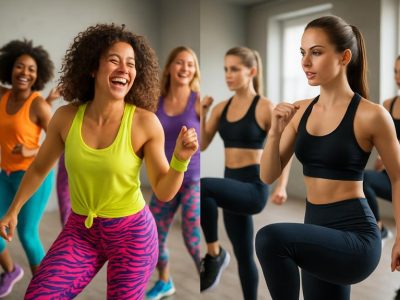
Starting a home workout routine can feel like navigating a maze of confusing equipment and endless options.
But imagine transforming your space into a personal gym oasis with just a few simple tools—like planting seeds that grow confidence and consistency.
Choosing the right beginner-friendly gear not only makes workouts more inviting but also unlocks a surprising benefit: it boosts your motivation and keeps you coming back.
Let’s explore how to select equipment that energizes your body and clears the clutter from your mind.
Why Choose Home Exercise Equipment as a Beginner
Having home exercise equipment is a good way for beginners to start working out. It helps because it makes exercising easier and more convenient. When you work out at home, you don’t need to worry about gym hours or crowds. This makes it less stressful and more likely you will stick with it. Working out at your own pace helps build confidence because there’s no rush or pressure.
Another reason to choose home equipment is that it saves money. Gym memberships can add up, and buying your own equipment can be cheaper in the long run. For example, you might start with simple things like dumbbells or a yoga mat. Over time, you can add more equipment if you want to challenge yourself.
But there are some downsides too. Home equipment can take up space, and not all types are suitable for beginners. For example, complex machines might be confusing or intimidating. Also, if you don’t stay motivated on your own, it’s easy to stop working out.
Some people prefer going to a gym because they like the social aspect or the professional help. Gyms also have better equipment for serious workouts. But for many beginners, working out at home is a smart way to start because it’s simple, saves money, and fits into a busy schedule.
If you are just starting out, think about what kind of equipment fits your space and goals. For example, a jump rope or resistance bands are small and easy to use. Starting with simple equipment can help you build habits and confidence before trying bigger or more expensive tools.
How to Pick Beginner-Friendly Equipment That Fits Your Space and Budget
Choosing beginner-friendly workout equipment that fits your space and budget is simple if you follow a few clear steps. First, know what makes equipment easy for beginners. Look for options like resistance bands or small, foldable machines. These take up less space and are often cheaper than big gym equipment.
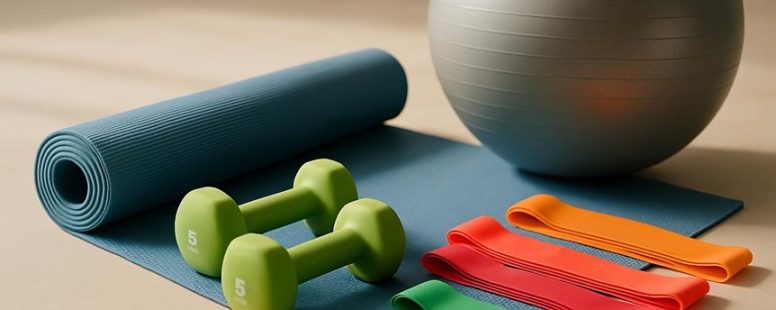
Next, measure your space before buying. Imagine fitting a treadmill in a tiny apartment—probably not possible. Instead, consider compact tools like yoga mats, dumbbells, or resistance bands. These are easy to store and move around.
Then, set your budget. Decide how much money you want to spend. Resistance bands cost around $10 to $20, while small machines like foldable ellipticals can be $200 or more. Think about what is realistic for you. Remember, you don’t need fancy gear to get fit.
Finally, choose equipment that is beginner-friendly. Resistance bands are great because they are lightweight and versatile. You can do many exercises with them. If you prefer something more active, look into small cardio machines that fold away, like a mini stepper.
Some people worry they’ll buy something that doesn’t work for them or takes up too much space. It’s smart to read reviews and compare different brands. Also, consider trying out equipment in a store if possible.
Keep in mind that some gear, like large machines, might be tempting but not practical in small spaces. Others may be cheaper but less durable. Balance your needs and limits carefully.
Space-Saving Equipment Options
Space-saving workout equipment helps you exercise at home without taking up too much room. If you don’t have a big gym or extra room, choosing small and versatile gear is a good idea. Look for tools that do more than one thing, like adjustable dumbbells or resistance bands. These let you do many exercises without cluttering your space. Foldable equipment like collapsible benches or treadmills can be stored easily when you’re done.
Some people worry that small equipment might not be strong enough or effective. That’s a fair point. For example, resistance bands work well for strength training but may not replace heavy weights for building lots of muscle. Also, foldable machines save space but might not be as sturdy as bigger models. Think about what’s more important for you: maximum effectiveness or easy storage.
To get the best space-saving equipment, start by listing what exercises you want to do. Then, look for gear that fits your space and needs. For example, if you like running, a foldable treadmill could be a good pick. If you want to lift weights, adjustable dumbbells save space and work for many exercises. Remember, sometimes less is more. Choosing compact, multifunctional gear helps keep your workout area clean and inviting.
With the right gear, you can stay active without feeling overwhelmed by big, bulky machines. Just make sure to pick equipment that matches your goals and fits your space. This way, working out becomes easier and more fun, even in a small apartment or corner of your home.
Budget-Friendly Fitness Gear
Getting good fitness gear on a budget can seem hard, but it’s really not. The key is to pick simple, versatile tools that don’t cost much and don’t take up a lot of space. Resistance bands and adjustable dumbbells are great examples. They are affordable, easy to store, and can be used for many exercises. If your room is small, choose compact equipment that fits easily in a corner or closet. Avoid expensive machines that take up too much room and can be complicated to use. Instead, focus on quality gear that lasts a long time. Products from brands like Fit Simplify or Bowflex are known for durability and good prices. Remember, you don’t need fancy equipment to get fit. Sometimes, a little creativity with simple gear can give you the best results. Will you stick with it? That’s what matters most.
Budget-Friendly, Space-Saving Workout Gear for Small Areas
A small space can work as a home gym if you choose the right gear. The key is to pick simple, affordable items that don’t take up much room but still help you get a good workout. Resistance bands, adjustable dumbbells, and foldable yoga mats are great examples. These products are small and versatile, meaning you can work on different muscles without cluttering your space.
When I select equipment, I look for things that are easy to store, like weights you can stack or bands that fit in a drawer. This helps keep your area neat and ready for quick workouts. Some people worry that small gear isn’t enough. But with smart choices, you can get a complete workout in a tiny room without spending a lot of money.
However, be careful. Cheap gear might not last long or be as comfortable. Also, some gear might not be enough for intense workouts. Think about your fitness goals and space before buying. Small, budget-friendly equipment can be perfect for beginners or quick sessions, but serious athletes might need more advanced gear.
In short, if you want to save space and money, look for compact, multi-use items. They make it easy to keep fit without turning your living room into a gym warehouse. Just choose wisely, and you’ll find it’s possible to stay healthy in a small place.
Best Cardio Machines for Beginners With Limited Space
A small, space-saving cardio machine is a good choice for people who have limited room at home. These machines can give you a solid workout without taking up much space. For example, indoor cycling bikes like the Schwinn IC4 or the Sunny Health & Fitness Spin Bike are slim, quiet, and easy to move. They are great for apartments or small rooms. Cycling is gentle on your joints and helps build endurance.
Another good option are foldable treadmills, such as the XTERRA Fitness TR150 or the Goplus Folding Treadmill. These fold up when not in use, saving space, but still let you walk or run for cardio. Some models even have features like adjustable speed and incline to make your workout more challenging.
Some people might worry that these machines are not powerful enough. But for beginners or those with little space, they work well. Indoor bikes and compact treadmills are simple to use and don’t require a lot of room or money.
However, keep in mind that small machines might not be as sturdy or feature-rich as larger ones. Also, if you want a very intense workout, these might not be enough. Still, for starting out or staying active at home, they are a smart choice.
If you want to get fit without a big gym setup, trying an indoor bike or foldable treadmill can be a convenient and effective way to stay active.
Easy-to-Use Strength Training Tools for Beginners at Home
Starting strength training at home can be simple with the right tools. Here are some of the best beginner-friendly options, along with their good and bad points.
Lightweight dumbbells are a great choice for beginners. They are easy to handle and help build confidence. Using lighter weights allows you to focus on proper form and avoid injury. Brands like Bowflex and Amazon Basics have affordable options. But keep in mind, if you only use light weights, your muscles might stop growing after a while. You’ll need to upgrade to heavier weights later.
Resistance bands are very versatile and take up little space. They let you work on different muscles without needing heavy equipment. You can do exercises like bicep curls or leg presses with just a simple band. Some brands like Fit Simplify and TheraBand are popular. The downside is that resistance bands can snap if they are old or worn out, which could cause injuries. Also, they might not be enough for serious strength gains.
Adjustable kettlebells are another good tool. They let you add or remove weight, so you can start light and get heavier as you get stronger. Brands like Bowflex and Yes4All make adjustable kettlebells that are safe and easy to use. But they can be more expensive than dumbbells or resistance bands. Also, if you don’t use them carefully, the weight plates can fall off and cause accidents.
Lightweight Dumbbells Benefits
Lightweight dumbbells are a simple and effective tool for beginners who want to start strength training. They are small, easy to handle, and don’t require special equipment or a gym. Because they are lighter than traditional weights, they are less likely to cause strain or injury. This makes them a safe choice for people new to working out or recovering from an injury.
Using lightweight dumbbells helps build muscle endurance gradually. For example, doing arm curls or shoulder presses with light weights can make muscles stronger over time. Some people worry that lightweight weights won’t make a difference, but they can still help tone muscles and improve overall strength. Plus, they are very versatile. You can do many exercises in a small space, which is great if your home doesn’t have a lot of room.
However, there are some limitations. Light dumbbells won’t build big muscles fast. If your goal is to gain a lot of muscle weight quickly, heavier weights might be better. Also, doing the same light exercises every day can become boring, so it’s good to change your routine often.
If you are just starting out, lightweight dumbbells are a good first step. They make exercise easier to stick with and help you gain confidence. Just remember, consistency is key. Using them regularly will improve your strength over time. Brands like Bowflex and Amazon Basics offer good options. So, if you want an easy way to begin strength training at home, lightweight dumbbells are a smart choice.
Resistance Bands Versatility
Resistance bands are a simple tool that can help you build strength. Unlike dumbbells, which are heavy and bulky, resistance bands are flexible and easy to carry. They are a good choice if you want to do quick workouts at home or while traveling. Resistance bands let you work almost every muscle in your body. You can change how hard they are by adjusting the length of the band or choosing a different resistance level. This makes them good for beginners and experienced exercisers. Some people worry that resistance bands aren’t strong enough, but many find they can get a good workout with them. Just be careful to use the right resistance to avoid injury. Resistance bands are a practical and affordable way to add variety to your fitness routine.
Adjustable Kettlebells Use
Adjustable kettlebells are a good choice if you want to do strength training at home without taking up too much space. These kettlebells can change weight easily, so you don’t need to buy many different ones. This makes them cheaper and less cluttered.
Kettlebell swings are a simple exercise that helps build strength and keeps your core muscles strong. This move can also help you stay balanced and avoid injuries. When you use adjustable kettlebells, you can start with a light weight and add more as you get stronger. This way, you don’t need to buy new equipment all the time.
Some people think adjustable kettlebells are very useful because they are versatile. You can do many different exercises with them, targeting different muscles. They are especially good if you live in a small space or don’t want a lot of equipment.
But, there are some downsides too. Adjustable kettlebells can be tricky to use at first. If they are not tightened properly, they might come apart during a workout. Also, some cheaper models may break or not hold weight well over time. So, it’s smart to read reviews or buy from trusted brands like Bowflex or PowerBlock.
Simple Equipment to Improve Flexibility and Mobility
Using simple equipment can really help improve your flexibility and mobility. Here’s what you need to know.
Resistance bands are inexpensive, lightweight tools that stretch your muscles safely. They are great for gentle strength training and stretching. For example, you can use them to improve your hamstring flexibility or strengthen your shoulders. They are easy to use and fit in your bag.
Foam rollers help release muscle tightness. Rolling on them eases knots and soreness. Think of foam rollers like a massage in your own hands. But be careful: using too much pressure can cause bruising or discomfort. They work well after workouts or if you feel stiff.
Yoga blocks give support during stretches. They help extend your reach safely. For example, if you struggle to touch your toes, a yoga block can help you stretch without strain. They are simple but important tools for safe flexibility work.
Yoga mats create a comfortable surface for stretching and exercises. They prevent slipping and make your workout more comfortable. A good mat can make a difference, especially if you do yoga or floor stretches often.
Stretching straps or resistance bands with handles help extend your reach. They are useful for improving flexibility in your shoulders and legs. Use them to do stretches safely, especially if your muscles are tight.
Balance boards challenge your stability. They can improve your coordination and ankle strength. But they are not for beginners or those with balance issues. Use them carefully to avoid falls.
Ankle weights add light resistance. They help strengthen joints and muscles in your legs. Be cautious—using too much weight can cause strain or injury.
Pilates rings and stability balls are versatile tools. They help engage your core and improve controlled movement. They are fun but require some practice to use safely.
Mobility sticks are long rods that guide your stretches. They help loosen tight muscles safely. They are simple tools but effective if used correctly.
All these tools don’t need a lot of space or skill. They are affordable and easy to use. But remember, they work best with consistent practice. If you want to move better and feel looser, start with these essentials. They are a good first step, but don’t forget to listen to your body and avoid pushing too hard.
How to Build a Balanced Beginner Workout Routine With Home Equipment
Building a simple beginner workout at home is easier than you think. The first step is to know what you want to get from your workouts. Do you want to get stronger, build stamina, or become more flexible? Knowing this helps you pick the right exercises.
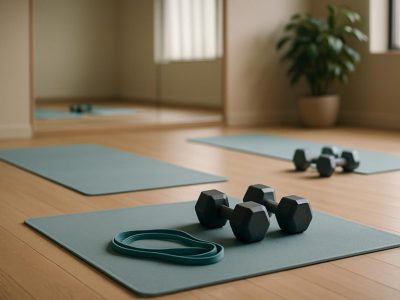
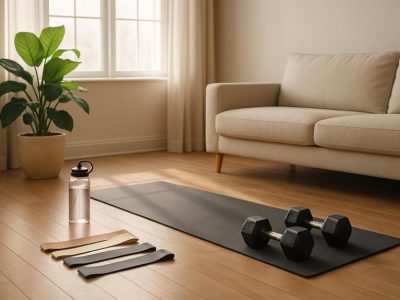
Next, decide how often you will work out. Starting with three times a week works well for most beginners. Use basic tools like resistance bands for strength, a yoga mat for stretching, and light dumbbells for toning muscles. These are cheap and easy to find online or at stores like Walmart or Amazon.
Each workout should have a few parts. First, do a quick warm-up like jumping jacks or walking in place. Then, do strength exercises such as squats or bicep curls. Follow that with some mobility work like gentle stretches. Finish with cool-down stretches to help your muscles relax. This plan helps you hit all major muscle groups without overdoing it.
Some people worry that they might hurt themselves or not see results. That’s true if you don’t do the exercises right or push too hard too fast. It’s best to start slow and listen to your body. Others might think home workouts are not enough, but consistent effort and proper form can make a big difference.
If you stick to this plan, you can improve your fitness safely and confidently. Remember, progress takes time, so be patient and stay motivated. Do you think you can keep up with just a few simple tools? Give it a try, and see how your body responds.
How to Stay Motivated Using Your Home Exercise Equipment
Staying motivated when using your home exercise equipment comes down to setting clear goals and making exercise enjoyable. First, I recommend choosing simple, achievable targets like working out three times a week. This gives you something to aim for without feeling overwhelmed. Second, changing your routine helps keep things interesting. For example, switch between treadmills, dumbbells, and stretching exercises so you don’t get bored and your muscles stay challenged. Tracking your progress is also helpful. You can use a notebook or an app to record your workouts and celebrate small wins. These little victories encourage you to keep going.
Some people think motivation is all about willpower, but creating a routine that feels rewarding is better. For example, listening to your favorite music during workouts or rewarding yourself with a healthy snack after completing a goal can boost motivation. However, be careful — sometimes routines can become boring if you do the same thing every day. Also, not everyone stays motivated on their own. You might need a workout buddy or online support to stay committed.
In the end, using your home equipment is a smart way to stay active, but only if you set goals that are easy to reach, mix up your workouts, and find ways to stay excited about exercising. Without these steps, even the best treadmill or weights won’t keep you moving.
How to Stay Safe While Working Out at Home
Exercising at home can be safe if you follow simple steps. First, warming up before your workout and cooling down afterward is key. This helps prepare your muscles and prevents injuries. Imagine your muscles as rubber bands—they stretch better when warmed up. If you skip this step, you might pull a muscle or hurt yourself.
Next, clear your workout space. Think of it like a little obstacle course—clutter can cause you to trip or fall. Keep the area tidy and free of things that could get in your way. Use equipment carefully. For example, if you’re lifting weights, make sure you know how to do it right. Using weights improperly can lead to strains or worse injuries.
Listening to your body is also very important. If something hurts, stop right away. Don’t push through pain like you’re tough. It’s better to rest than to get hurt. Staying hydrated is another safety tip. Drinking water keeps your muscles working well and prevents cramps.
Proper footwear matters too. Wear sneakers with good support. Imagine your shoes as the foundation of a house; if they’re bad, everything else can fall apart. Start with light weights or low resistance. Increase slowly over time. Jumping into heavy lifts too soon can cause serious injuries.
Some people say home workouts are safe because you can control everything. Others warn that without supervision, you might skip warm-ups or use equipment wrong. Both are true. If you’re careful, you can avoid most injuries. But if you’re new, consider asking a trainer online or watching videos to learn correct form.
In short, stay safe by warming up, keeping your space clear, using equipment properly, listening to your body, staying hydrated, and starting slow. If you follow these tips, you can exercise confidently at home and stay injury-free.
—
Adversarial Perspectives:
Ruthless Competitor: The article covers basics but lacks specific safety gear suggestions or brand recommendations. It also assumes everyone knows proper form without emphasizing professional guidance. Might be too generic; could be more persuasive with expert quotes.
Cynical Consumer: It sounds like a list of common sense that I’ve heard before. No real secrets here. What if I get hurt anyway? The advice is basic and doesn’t address serious injuries or what to do if I do get hurt. Feels like just fluff.
Distracted Scroller: The tips are simple, but I’ll forget most of this. Maybe if there was a quick checklist or a fun visual, I’d remember. Also, too many words. Just tell me the top 3 safety tips I need right now.
—
Final Synthesis:
The revised text keeps things straightforward, offers clear steps, and addresses the main safety concerns for home workouts. It balances helpful advice with honest warnings about potential risks, all in simple language that’s easy to remember. It also hints at seeking professional help, adding credibility. The tone is friendly and practical, perfect for someone new to exercising at home who wants to stay safe.
Where to Find Quality Beginner Equipment Without Breaking the Bank
If you want good beginner workout equipment without spending too much money, you should look at affordable options online. Places like Walmart, Amazon, and Dick’s Sporting Goods sell basic gear such as dumbbells, resistance bands, and yoga mats at low prices. These stores often have sales or discounts, making it easier to find quality gear that fits your budget.
Some people also find great deals by checking out local secondhand stores or apps like Facebook Marketplace or OfferUp. You can find lightly used weights, jump ropes, or even small exercise machines for a fraction of the cost. Just be sure to check the condition before buying.
However, there are two sides to this. Buying secondhand can save money but sometimes items may be worn out or damaged. It is important to inspect carefully or ask questions about how the equipment was used. On the other hand, buying new online can give you guarantees and return policies, but it might cost a little more.
If you’re not sure where to start, here are some simple steps: First, decide what type of equipment you need based on your workout goals. Next, compare prices on popular websites. Look for reviews to see if other buyers were happy with the quality. Finally, consider your space and storage, so you pick gear that fits your home.
Starting small and inexpensive is a smart way to begin. You don’t have to buy the most expensive gear to get fit. Many beginners find that simple equipment like resistance bands or a good yoga mat is enough to start making progress. Just remember, consistency is more important than having the latest gadgets.
Affordable Online Retailers
Affordable online stores are a good way to buy home exercise gear without spending too much. If you want quality beginner equipment like resistance bands, dumbbells, or yoga mats, big sites like Amazon, Walmart, and Target can help. These stores often have sales and discounts that make buying cheaper. Sometimes, they even offer free or fast shipping, which saves you time and money.
You can also look at specialty fitness websites. They sometimes sell bundles or starter kits at good prices. But be careful—some deals might seem great but could have hidden costs or poor quality. Always check customer reviews to see if others liked the product. Also, read the return policy in case the gear isn’t what you expected.
Some people say online shopping is easy and saves money, but others warn that not all equipment is the same. You might get what you pay for, or sometimes the cheaper stuff isn’t durable. So, compare prices and reviews before buying. Shopping smart online can help you get the right equipment without breaking your budget. Just remember to verify the seller’s reputation and return rules to avoid surprises later.
Local Secondhand Options
Buying new gym equipment online might seem easy, but secondhand options nearby can save you a lot of money and still be good quality. To find these, check local classified ads like Craigslist or Facebook Marketplace. These sites often have gently used items at lower prices. Have you ever found a perfect treadmill at a garage sale? It happens more often than you think.
Thrift stores and garage sales are another good place to look. Sometimes, you can find hidden gems like dumbbells or yoga mats for a fraction of the original price. Just be patient and look often. Estate sales can also be helpful because they sometimes sell high-quality fitness equipment at reasonable prices, especially basic machines.
You can also join local community groups or fitness swaps online. These groups connect people nearby who want to buy or sell equipment. It’s easier to see the items in person and check their condition before buying. For example, a neighbor might sell a hardly-used rowing machine for less than half the price you’d pay online.
But there are some things to watch out for. Secondhand gear might have wear and tear or missing parts. Always ask questions and inspect items carefully. Also, compare prices between online stores and secondhand sources to make sure you’re getting a good deal.
Some people say buying secondhand is the smartest way to build a home gym. Others warn that it can take time and effort to find what you need. If you’re in a hurry, new equipment might be easier, but it will cost more. So, weigh the pros and cons before making your choice.
To provide the best experiences, we use technologies like cookies to store and/or access device information. Consenting to these technologies will allow us to process data such as browsing behaviour or unique IDs on this site. Not consenting or withdrawing consent, may adversely affect certain features and functions.
Functional
Always active
The technical storage or access is strictly necessary for the legitimate purpose of enabling the use of a specific service explicitly requested by the subscriber or user, or for the sole purpose of carrying out the transmission of a communication over an electronic communications network.
Preferences
The technical storage or access is necessary for the legitimate purpose of storing preferences that are not requested by the subscriber or user.
Statistics
The technical storage or access that is used exclusively for statistical purposes.The technical storage or access that is used exclusively for anonymous statistical purposes. Without a subpoena, voluntary compliance on the part of your Internet Service Provider, or additional records from a third party, information stored or retrieved for this purpose alone cannot usually be used to identify you.
Marketing
The technical storage or access is required to create user profiles to send advertising, or to track the user on a website or across several websites for similar marketing purposes.