Pull-ups are a powerhouse exercise, but let’s face it—they’re not everyone’s best friend. Whether you’re struggling with form, dealing with limited equipment, or simply looking to shake up your routine, there’s no need to feel stuck. The good news? There are plenty of effective alternatives that can help you build strength and target the same muscle groups without hanging from a bar.
Picture sculpting your back and arms while staying grounded or using creative movements that challenge your body in new ways. These exercises don’t just mimic pull-ups—they often bring their own unique benefits, like improved stability or greater accessibility for beginners. You’ll discover options that fit seamlessly into any workout space and level of fitness.
Why Look For Alternatives To Pull Ups?
Pull-ups can be challenging for many reasons, including physical limitations, lack of access to proper equipment, or difficulty maintaining correct form. These barriers make it harder to fully benefit from the exercise.
Some individuals find pull-ups intimidating, especially beginners who might struggle with upper body strength. This can discourage consistency and hinder progress in achieving fitness goals.
Limited space or equipment availability also restricts your ability to perform pull-ups. Not everyone has a sturdy bar at home or access to gym facilities that offer one.
Alternatives provide more inclusivity by targeting similar muscle groups like lats, biceps, and shoulders without requiring specialized tools. Exercises such as inverted rows and resistance band pulls allow you to build strength progressively while avoiding strain caused by improper technique.
Exploring alternatives enhances workout variety and adaptability. This prevents plateaus in training and keeps routines engaging over time.
Factors To Consider When Choosing An Alternative
When selecting an alternative to pull-ups, evaluating various factors ensures the chosen exercise aligns with your goals and circumstances. Each consideration helps tailor an effective workout plan that supports progress.
Target Muscles
Prioritize exercises targeting the same muscle groups as pull-ups, such as back, shoulders, biceps, and core. Movements like inverted rows engage similar muscles while offering varied intensity levels. Resistance band lat pulldowns are another option for isolating the lats effectively without requiring a bar. Ensure these alternatives maintain balanced muscle development across different areas of your upper body to prevent overuse injuries or muscular imbalances.
Equipment Availability
Assess available equipment before choosing an alternative exercise. If access to gym machines is limited, bodyweight movements like Australian pull-ups (performed using a sturdy table or low bar) can be practical solutions at home. Resistance bands offer portability and versatility for exercises such as seated pulls or face pulls in small spaces. A suspension trainer also provides multiple alternatives when conventional setups aren’t feasible.
Fitness Level
Match the intensity of the exercise to your current fitness level for steady progressions without strain. Beginners may start with resistance band-assisted rows or incline pushups that reduce load on target muscles while improving form gradually. Intermediate individuals could incorporate TRX rows for added challenge, while advanced users might explore weighted variations of horizontal pulls to continue building strength efficiently.
Top Alternatives To Pull Ups
Pull-ups aren’t always accessible or suitable for everyone, but several effective alternatives target the same muscle groups. These exercises help you build strength and offer variety in your workout routine.
Lat Pulldown
Lat pulldowns isolate your latissimus dorsi muscles while engaging your biceps and shoulders. Using a cable machine, pull the bar down to chest level while keeping your back straight. Adjust the weight based on your fitness level. If you’re unable to access a gym, consider investing in an affordable, at-home pulley system.
Resistance Band Pull Downs
Resistance band pull downs mimic lat pulldowns but require minimal equipment. Anchor a resistance band above head height and kneel or stand below it. Pull the band downward toward your chest while keeping elbows close to your body. Bands with varying tension levels provide scalable intensity options for beginners through advanced users.
Inverted Rows
Inverted rows use bodyweight to strengthen back muscles like traps and rhomboids along with biceps. Lie under a sturdy horizontal bar or suspension trainer set at waist height, grip it firmly, and pull yourself upward until your chest approaches the bar. Body angle adjustments modify difficulty; steeper angles make it easier.
Dumbbell Rows
Dumbbell rows focus on unilateral strength development by isolating each side of your back independently. Place one knee and hand on a bench for support with a dumbbell in the opposite hand. Row the dumbbell toward your torso, squeezing shoulder blades together at the top of each rep before lowering slowly.
TRX Rows
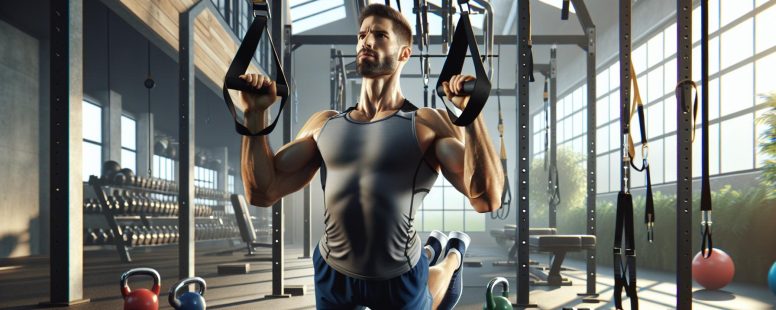
TRX rows use suspension straps for functional strength training that emphasizes core stability alongside upper body engagement. Grip both handles firmly while leaning backward into an angled position supported by strap tension. Pull yourself forward until hands reach chest level without losing form control throughout movements.
Benefits Of Pull Up Alternatives
Pull-up alternatives offer accessible, adaptable solutions for building upper body strength while targeting similar muscle groups. These exercises cater to various fitness levels and environments.
Accessibility And Versatility
Pull-up alternatives eliminate barriers like equipment dependency or advanced-level techniques. Exercises such as resistance band pull downs, inverted rows, and dumbbell rows can be performed with minimal gear or at home. For instance, resistance bands are portable and inexpensive, allowing you to train anywhere. Variability in movement types ensures they suit diverse goals—from rehabilitation to strength maximization.
Progressive Overload Options
Alternatives enable controlled progression by modifying resistance or intensity incrementally. Dumbbell rows allow you to increase weight systematically; inverted rows let you adjust the angle of your body for added difficulty. Resistance bands offer scalable tension by selecting different thicknesses, helping maintain consistent challenge over time.
Reduced Risk Of Injury
Properly executed alternative exercises reduce strain on joints compared to standard pull-ups that demand significant shoulder mobility and grip strength. Inverted rows support the spine due to horizontal positioning, while TRX rows promote core stability without overstressing smaller muscles like rotator cuffs. Beginners gain confidence executing these safer options before advancing further into complex movements.
How To Incorporate Pull Up Alternatives Into Your Routine
Integrating pull-up alternatives into your workout maximizes strength-building potential while accommodating fitness levels and equipment availability. Tailor exercises to meet your goals for optimal results.
Full-Body Workouts
Incorporate compound movements that engage multiple muscle groups, mimicking the holistic benefits of pull-ups. For example, TRX rows activate the back, shoulders, biceps, and core simultaneously. Adjust body angle to control intensity—steeper angles increase resistance.
Pair inverted rows with push-ups for balanced upper-body development. Alternate between sets to maintain a steady workload on opposing muscle groups. Include bent-over dumbbell rows in circuits to enhance endurance and coordination alongside strength gains.
Use resistance band face pulls as an accessory movement within full-body routines. These target smaller stabilizing muscles in your upper back and shoulders while improving posture.
Focused Back Workouts
Dedicate specific sessions to back-focused exercises for targeted muscle engagement. Lat pulldowns isolate the latissimus dorsi and replicate vertical pulling motions without requiring advanced technique or grip strength.
Perform single-arm dumbbell rows to address imbalances between sides of your body. Use moderate weights initially; progress gradually by increasing load or reps weekly.
Add resistance band pull-downs when gym access is limited—they’re portable and scalable for different fitness levels. Combine these with rear delt flys using light dumbbells or bands to round out back-focused sessions effectively.
Conclusion
Finding the best alternative to pull-ups ensures you can effectively build strength while overcoming common challenges like equipment limitations or intimidating techniques. By exploring accessible options and tailoring exercises to your fitness level, you’ll stay consistent and make steady progress.
Incorporating these alternatives into your routine not only supports muscle development but also keeps your workouts varied and engaging. Whether you’re using resistance bands, dumbbells, or bodyweight movements, there’s a solution that fits your goals and environment.
Focus on proper form and balanced training to maximize results while minimizing injury risk. With the right approach, you’ll develop a strong upper body without relying solely on traditional pull-ups.
To provide the best experiences, we use technologies like cookies to store and/or access device information. Consenting to these technologies will allow us to process data such as browsing behaviour or unique IDs on this site. Not consenting or withdrawing consent, may adversely affect certain features and functions.
Functional
Always active
The technical storage or access is strictly necessary for the legitimate purpose of enabling the use of a specific service explicitly requested by the subscriber or user, or for the sole purpose of carrying out the transmission of a communication over an electronic communications network.
Preferences
The technical storage or access is necessary for the legitimate purpose of storing preferences that are not requested by the subscriber or user.
Statistics
The technical storage or access that is used exclusively for statistical purposes.The technical storage or access that is used exclusively for anonymous statistical purposes. Without a subpoena, voluntary compliance on the part of your Internet Service Provider, or additional records from a third party, information stored or retrieved for this purpose alone cannot usually be used to identify you.
Marketing
The technical storage or access is required to create user profiles to send advertising, or to track the user on a website or across several websites for similar marketing purposes.