Imagine the gym’s roar fading into the background as you discover simple, affordable ways to stay active—no crowded machines or expensive memberships required.
Did you know nearly half of gym memberships sit unused within six months? It’s a common story, but the secret to staying fit might be closer than you think—like a quiet path winding through your neighborhood or a playful dance in your living room.
Beyond the hype, these practical alternatives can become your secret weapon, offering surprising benefits such as boosting your mood and energy levels with every step.
Ready to leave the gym drama behind and embrace a lifestyle that truly fits? Let’s explore options that stick and make sense.
Outdoor Workouts That Keep You Fit Without a Gym
Outdoor workouts are a great way to stay fit without going to the gym. They are often better than indoor exercises because they use natural spaces and fresh air, which can boost your mood and energy. Here are some outdoor activities that work well and are easy to do anywhere.
First, hiking is a simple way to get exercise. Trails in parks or mountains challenge your legs and improve your stamina. Plus, walking through nature helps clear your mind. If you like running, joining a local running club can keep you motivated. Running outside offers more variety than a treadmill and makes the workout more fun. You can run in parks, along city streets, or on trails.
Park workouts and playground exercises are another way to stay active. You can use benches for step-ups or pull-up bars for strength moves. Playground equipment like swings and slides can be part of a playful workout. These activities build strength and agility while keeping things interesting.
Beach exercises are popular for a reason. Sprinting on the sand is harder and builds leg strength. Yoga on the beach helps you relax and stretch with scenic views. The waves and fresh air make workouts feel refreshing. Just remember, sand can be tough on joints if you run or jump too much.
Cycling is a fun cardio activity that also explores your neighborhood or nature areas. Riding a bike increases your heart rate and builds leg muscles. It’s a low-impact exercise, making it good for people with joint issues. However, always wear a helmet and follow traffic rules to stay safe.
Outdoor yoga is perfect for stretching and relaxing. You can do it in your backyard or at a park. It helps improve flexibility and reduces stress. All you need is a mat and some quiet space.
Community runs or boot camp classes in parks create a social environment. Exercising with others keeps you motivated and makes workouts less lonely. Just be careful not to push yourself too hard, especially if you’re new to group fitness.
Finally, nature walks are a gentle option for everyone. They don’t strain your joints and help clear your mind. Plus, they give you a chance to enjoy the outdoors and reduce stress.
Some people might worry about weather or safety when working out outside. Also, outdoor spaces can be crowded or poorly maintained. It’s good to have backup plans, like indoor workouts, just in case.
At-Home Workouts You Can Do Without a Gym
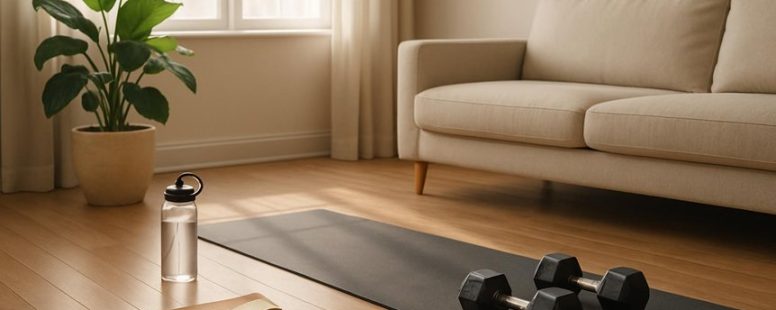
Exercise at home is easy and effective without needing fancy gear or a gym. Bodyweight exercises like push-ups and squats are great for building strength because they use your own body instead of equipment. For example, I do push-ups to work my arms and chest and squats for my legs. Yoga is another good option to improve flexibility and relax your mind. If you want more of a challenge, try circuit training or quick interval workouts. These keep your heart pounding and burn calories faster. Some people find online classes or virtual trainers helpful for new ideas and motivation. Dancing workouts, like Zumba or hip-hop, make exercising fun and energetic. You can also set fitness challenges to stay motivated and see progress. Doing workouts with your family turns exercise into a fun activity you share. Keep in mind, these options work well for many, but some people might find they need more structure or guidance from a trainer. Still, you don’t need a gym to stay fit at home — just a little space and a positive attitude.
Local Community and Group Fitness Classes
Group fitness classes are a good way to change things up from working out alone. They help keep you motivated and make exercise more fun. Being with others in a class pushes you to do more than you might on your own. These classes also give you variety and chances to meet new people, so working out feels less like a chore.
Here’s what makes them worth trying:
Boosts Your Energy: The lively atmosphere in group classes makes it easy to stay excited and engaged.
Expert Help: Instructors guide you to do movements right, which helps prevent injuries.
Low Cost Options: Many classes in community centers or parks are cheap or donation-based, making fitness affordable for everyone.
If you want to stay active without spending a lot on gym memberships, these community classes are a good choice. Just keep in mind, some classes might not be challenging enough for advanced athletes, or schedules can be busy, so it’s good to pick what fits you best.
Setting Realistic Fitness Goals Without a Gym
Getting fit without a gym is possible, and setting good goals helps you stay motivated. The first step is to decide what you want to improve, like endurance, strength, or flexibility. Then, set a clear and simple goal, such as walking 3 miles three times a week or doing 20 push-ups daily. Make sure your goals fit your schedule so you won’t get overwhelmed.
Next, focus on activities you can do at home or outside. For example, you can do bodyweight exercises like squats or push-ups or go for a jog or walk in your neighborhood. Keep track of your progress with a journal or a simple app. Write down how many reps you do or how long you walk. This helps you see if you are getting stronger or faster over time.
Some people might think you need fancy machines or a gym membership to get fit. That’s not true. You just need to be consistent and realistic. But be careful — if your goals are too big or vague, you might lose motivation or get discouraged. It’s better to set small, achievable goals and celebrate your progress.
There are two ways to look at this. One, you can focus on easy activities that fit your life, even if they seem simple. Two, some might worry these activities won’t make a big difference. While they won’t turn you into a bodybuilder overnight, small habits add up and improve your health over time. Just remember, no matter what, consistency is key.
In the end, you don’t need a gym to stay healthy. With clear goals, simple tracking, and regular activity, you can get fit anywhere. Just start small and keep going.
Use Apps and Tech to Keep Your Fitness on Track
Using apps and technology can help you stay fit and motivated. Here are some easy ways to keep your fitness goals on track:
First, fitness trackers like Fitbit or Apple Watch show you how much exercise you’re doing. They help you see your progress and make changes if needed. For example, if you want to walk more, these devices can remind you to move throughout the day.
Second, virtual coaches such as Aaptiv or Nike Training Club give personalized workout plans online. You don’t need to go to the gym, and you can do these workouts at home or anywhere. They can guide you step by step, which is helpful if you’re new to exercising.
Third, fitness apps with gamification turn workouts into fun challenges. For example, MyFitnessPal or Zombies, Run! make exercise feel like a game, so you stay motivated and excited to improve.
Here’s how to use tech for better fitness:
Download health apps that fit your goals. Do a quick search for top-rated apps like Fitbit or MyFitnessPal.
Join online fitness communities where you can share progress and get support. Facebook groups or Reddit communities are good options.
Set workout challenges for yourself. For instance, aim to walk 10,000 steps a day or do 30-minute workouts three times a week.
Some people find these tools very helpful, but others worry about privacy or getting distracted by their phones. Remember, technology can motivate, but it’s still up to you to stay committed. Using apps and devices is not a magic fix, but it can definitely make your fitness journey easier and more fun.
Affordable Gear to Boost Your Home Workouts
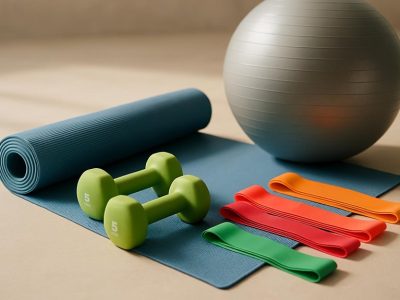
Affordable gear can make your home workouts better without costing too much. Resistance bands and adjustable dumbbells are good options because they do many exercises and don’t take up much space. These tools are cheap but can help you stay fit.
Some people say these are the best for beginners. They are easy to use and don’t need a lot of room or money. But others warn that cheap gear might not last long or be as strong as pricier equipment. It’s good to read reviews and choose brands like Fit Simplify or Bowflex, which are known for quality.
To get started, pick one or two pieces like resistance bands and dumbbells. Then follow a simple plan: warm up, do your exercises, and cool down. You can find free workout videos online that show how to use them. Using these tools regularly can help build muscle and improve your fitness.
Some folks might say that cheap gear isn’t enough for serious athletes. That’s true if you want heavy lifting or advanced training. But for most home exercisers, affordable gear is a good way to stay active without spending a lot. Just remember, no gear works unless you actually use it often.
Essential Budget-Friendly Equipment
Affordable Equipment for Home Workouts
You don’t need expensive gear to get a good workout at home. Some simple and cheap tools can make a big difference. If you want to build strength but don’t want to spend a lot, here are three easy-to-find options:
Resistance bands – These are stretchy bands that help build muscle and improve flexibility. They are lightweight and easy to carry, so you can use them anywhere. They come in different strengths, so you can pick the right one for your level.
Dumbbell substitutes – Instead of buying dumbbells, you can use everyday household items like filled water bottles or canned foods. They add resistance to your exercises without costing much. Just make sure they are not too heavy or too light for what you need.
A sturdy yoga mat – This keeps your joints comfortable and prevents slipping during floor exercises. Yoga mats are affordable and come in many colors and sizes. They help you stay focused and safe while working out.
Some people might worry that these tools are not enough or too simple. While they work well for many exercises, they may not replace all gym equipment for advanced training. Also, using household items can be tricky if they are uneven or too heavy. Always start slow and check that your gear is safe to use.
With these budget-friendly options, you can do effective workouts at home without breaking the bank. They are not fancy, but they do the job. Just remember, consistency is key. Even simple tools can help you stay fit if you use them regularly.
Multipurpose Fitness Tools
Kettlebells and resistance bands are two of the best multipurpose fitness tools for home workouts. They are easy to use, affordable, and don’t take up much space. Kettlebells are great because they help build strength and improve cardio at the same time. You can do swings, squats, and lifts with them, which makes your workout more efficient. Resistance bands are also versatile and perfect for exercising every muscle group. They are lightweight and can be adjusted to your fitness level, whether you are a beginner or more advanced.
Some people worry that these tools might not be enough for serious training. While they are good for many exercises, they may not replace heavy weights or machines for advanced lifting. Also, using resistance bands wrong can cause injury, so proper form is important.
These tools are like having a mini gym at home. They save space and money compared to going to a gym. Plus, they make it easy to stay active, even if you only have 10 or 15 minutes. For example, you could do a quick kettlebell workout in your living room before breakfast or use resistance bands while watching TV.
If you want simple, affordable gear that can make your workouts better, kettlebells and resistance bands are a smart choice. They have different strengths and limits, but many people find them enough for staying fit at home. Just remember that no single tool is perfect, and it’s good to combine different exercises to keep things interesting and effective.
How to Stay Motivated and Consistent Without a Gym
Staying motivated and consistent without a gym is possible if you focus on your mindset and routines. Here’s what works based on real experiences:
First, set clear and simple goals. For example, aim to do 15 minutes of exercise three times a week. Share these goals with a friend or family member to keep yourself accountable. Knowing someone is watching can make you stick to your plan better.
Second, try creative workouts that don’t need equipment. Activities like bodyweight exercises such as push-ups, sit-ups, or jumping jacks can be done at home or outside. Going for a walk or run in your neighborhood or park also keeps things interesting. Mixing these up keeps you from feeling bored and helps you stay engaged.
Third, schedule your workouts like they’re important appointments. Put them on your calendar and treat them as non-negotiable. This makes it easier to make exercise a regular part of your day instead of something you skip.
Some people might think working out at home is not as effective as going to a gym. But if you stay consistent with simple routines, you can get just as fit. However, others warn that without proper guidance, it’s easy to lose motivation or do exercises wrong. So, try following online videos or fitness apps for help.
In the end, staying motivated without a gym depends on how much you want it. If you find ways to connect with others and keep your workouts fun and routine, you’ll stay on track. It’s all about owning your schedule and making exercise a regular habit, not a chore.
Tips for Making Fitness a Habit Outside the Gym
Making fitness a habit outside the gym means turning it into a regular part of your day. The best way to do this is by setting simple goals you can reach easily. For example, walking for 10 minutes or doing push-ups at home. Use a habit tracker, like a calendar or app, to mark your progress each day. Seeing how many days you’ve done your workout helps keep you accountable and motivated. Small wins, like sticking to your plan for a week, make a big difference and build confidence.
Some people say social support can help a lot. Sharing your goals with friends or joining online groups like Fitbit or Strava can give you encouragement and make you stay on track. Imagine having a buddy who checks in on your progress — it makes skipping workouts less tempting. But remember, you don’t need fancy gear or a gym to stay active. Simple activities like walking, stretching, or home exercises work just fine if you stay consistent.
There are two sides to this. Some experts say that building a daily routine makes fitness stick, while others warn you might get bored or burn out if you push too hard too fast. So, keep it fun and realistic. Also, be aware that life gets busy, and some days you might miss a workout. That’s okay — what matters is getting back on track. Using these tips can help turn fitness into a normal part of your life, not just a short-term goal. Trust me, making small changes daily keeps you moving without feeling overwhelmed.
To provide the best experiences, we use technologies like cookies to store and/or access device information. Consenting to these technologies will allow us to process data such as browsing behaviour or unique IDs on this site. Not consenting or withdrawing consent, may adversely affect certain features and functions.
Functional
Always active
The technical storage or access is strictly necessary for the legitimate purpose of enabling the use of a specific service explicitly requested by the subscriber or user, or for the sole purpose of carrying out the transmission of a communication over an electronic communications network.
Preferences
The technical storage or access is necessary for the legitimate purpose of storing preferences that are not requested by the subscriber or user.
Statistics
The technical storage or access that is used exclusively for statistical purposes.The technical storage or access that is used exclusively for anonymous statistical purposes. Without a subpoena, voluntary compliance on the part of your Internet Service Provider, or additional records from a third party, information stored or retrieved for this purpose alone cannot usually be used to identify you.
Marketing
The technical storage or access is required to create user profiles to send advertising, or to track the user on a website or across several websites for similar marketing purposes.