Best Beginner Drums
Choosing the right beginner drum kit can feel like stepping into a wild jungle of options, each promising to unlock your rhythm.
Imagine the thrill of pounding out beats that make your heart race and your space vibrate with energy. The secret lies in finding a kit that fits your style, space, and budget—like discovering a hidden gem that sparks your musical fire.
Whether you’re drawn to the warm, resonant hum of an acoustic set or the sleek, customizable feel of electronic drums, there are surprisingly affordable choices that deliver rich sound and endless inspiration.
Navigating these options wisely can turn your drumming journey from overwhelming to exhilarating—like unlocking a secret door to a world of rhythm and melody.
How to Choose Beginner Drums Based on Your Music Style
Choosing the right beginner drums depends on your music style and skill level. Here are some simple steps to help you pick the best set for you.
First, think about the kind of music you want to play. If you love jazz, look for smaller drums and cymbals that make clear, sharp sounds. For rock, bigger drums with deep, punchy tones are better. For pop music, a versatile kit that can do both is a good choice. Brands like Pearl, Ludwig, and Tama make beginner kits that suit different styles.
Second, consider your skill level. As a beginner, you want drums that are easy to play and adjust. Avoid complicated setups that might make learning harder. Look for a kit with simple hardware and clear labels. This helps you grow without feeling overwhelmed.
Third, think about your budget. You don’t need the most expensive set to start. Good beginner kits can cost between 200 to 500 dollars. Sometimes, buying a used drum set can save money and still sound great.
Some people say you should buy a full kit from the start. Others say start small with a snare and practice pad and add more drums later. Both ways work, but starting simple can help you learn faster and avoid frustration.
In the end, pick drums that match your music style, are easy to play, and fit your budget. This will keep you motivated and help you develop your sound with confidence. Remember, the best drums are the ones that make you want to play every day.
What Drum Kit Components Do Beginners Need
When you start playing drums, you need to know the basic parts of a drum kit. These parts are what beginners should focus on first. The most important pieces are the snare drum, bass drum, hi-hat, and a couple of tom-toms. These give you a good sound and help you learn the basics of rhythm.
Choosing the right beginner cymbals is also important. Cheaper cymbals can sound okay but may not last long or feel good to play. Brands like Zildjian or Sabian offer beginner cymbals that are affordable and sound decent. Picking the right cymbals can make a difference in your sound and help you practice better.
Hardware and accessories are also key. Sturdy stands, pedals, and drumsticks keep your kit stable and comfortable. If the hardware is cheap or wobbly, it can be frustrating and even dangerous. Some beginners skip these and end up with a kit that falls apart while playing. It’s a good idea to buy a basic hardware pack that fits your drum set.
Some people say you should start with a full kit, but that can be overwhelming. It’s better to buy only what you need first. This way, you save money and learn step by step. Remember, the goal is to build your skills and enjoy playing, not to get the fanciest gear right away.
Essential Drum Kit Pieces
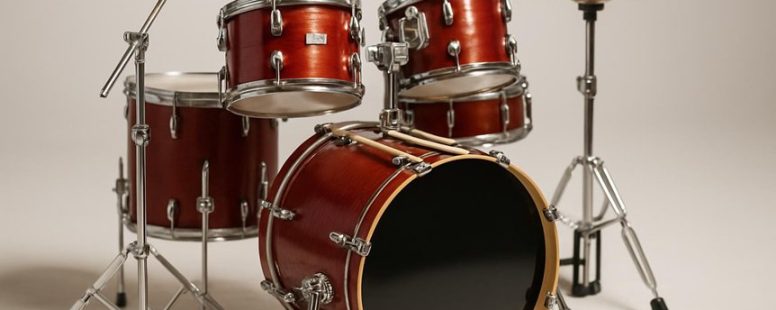
A drum kit needs only a few key pieces to get started. The most important parts are a snare drum, a bass drum, and a couple of toms. These pieces make up the main sound of any kit. For beginners, smaller drums are easier to handle and sound better. A common setup includes a 22-inch bass drum, a 14-inch snare, and two toms around 12 and 13 inches. This simple kit works well for many music styles and is not too hard to learn on. Starting with just these basics helps you learn how to play and build confidence. Once you get comfortable, you can add more drums and cymbals. Focus on these essentials first, and you will be ready to practice and improve quickly.
Beginner Cymbal Selection
Cymbals are an important part of drumming because they add sound and excitement. When you are just starting, choosing the right cymbals is as important as picking your drums. The main types of beginner cymbals are hi-hats, crash, and ride.
Hi-hats help you keep the rhythm. Crash cymbals make loud sounds to show accents or hits. Ride cymbals give steady patterns that keep the beat going. If you are new, stick to well-known brands like Zildjian, Sabian, or Meinl. These brands make beginner sets that sound good and last long.
Some cymbals are better for beginners because they are easier to play and less expensive. For example, Zildjian’s starter sets are popular because they are simple to use and sound nice. But, beware. Cheaper cymbals may not sound as good or last as long. It’s better to invest in a good beginner set so you don’t get frustrated later.
Having the right cymbals makes practice more fun and helps you sound more professional as you learn. Would you rather focus on playing or spend your time fixing bad sounds? Choosing good cymbals early on is a smart move.
Hardware and Accessories
Hardware and accessories are very important for beginner drummers. They help your drums stay steady and make playing easier.
The three main hardware pieces you need are stands for your cymbals, a strong snare drum stand, and a good bass drum pedal. These parts give you a solid base to play on. Without them, your drums can wobble or slide around, making it hard to stay in rhythm.
Other useful accessories include hi-hat stands, which hold the hi-hat cymbals, and drum thrones, the seats where you sit. These make practicing more comfortable and give you better control. Investing in good hardware is worth it because it stays stable over time and lasts longer.
Small items like drum keys are also helpful. They help you tune your drums so they sound just right. Dampeners can control how loud or ringing your drums sound. Choosing the right hardware and accessories depends on your style and needs.
Electronic vs Acoustic Beginner Drum Kits: Which Is Better?
When choosing between electronic and acoustic beginner drum kits, understanding the key differences can help you pick the right one. Acoustic drums produce natural sounds like those used in real bands. Electronic drums, however, use digital sounds and let you control how loud they are. They often come with headphones, so you can practice quietly without disturbing others.
Sound quality is a big factor. Acoustic drums give you a more authentic feel because of their natural tone and response. If you want to sound like a real drummer or plan to play in a band, an acoustic kit might be better. But electronic drums are great if you need to keep the volume down or practice without waking up the neighbors.
Space is another concern. Electronic drums are usually smaller and easier to fit into small rooms or apartments. They also often come with features like different sounds and recording options, which can be fun for beginners. Acoustic kits take up more space and can be louder, so they might not be ideal if your room is tiny or noise is a problem.
Some people might think electronic drums are less real or feel strange to play. That’s true in some ways. The pads can be different from real drums, and some drummers miss the natural bounce. But electronic kits are getting better all the time, with many brands like Roland and Yamaha offering high-quality options.
In the end, both types have good and bad points. If you want the sound and feel of real drums and have enough space, go for an acoustic. But if you need to keep things quiet or want to save space, electronic drums are a solid choice. Think about what matters most to you—sound, space, volume—before making a decision.
Sound Quality Differences
Sound quality is a big factor when choosing a beginner drum kit. Here’s what you need to know about how acoustic and electronic drums sound differently.
Acoustic drum kits produce natural, real sounds that feel alive and full. They have a resonance that changes with how hard you hit the drums, making them sound more authentic. For example, a real snare drum’s crack feels satisfying and real. But they can be loud and may disturb neighbors.
Electronic drum kits give you consistent sounds that you can change easily. They allow you to pick different drum tones with a button, which is great if you want variety. For instance, you can switch from a rock kit to a jazz kit instantly. They also have volume controls, so they’re quieter—perfect if you live in an apartment. However, electronic kits may not perfectly mimic the feel of real drums, especially the resonance and vibration you get from acoustic drums.
Some people love the natural sound of acoustic drums because it feels more real. Others prefer electronic drums because they are versatile and quieter. Both have limits. Acoustic drums can be loud and less adjustable, while electronic drums might lack the same realistic sound quality.
If you’re just starting out, think about where you will practice most. Do you want authentic sound and feel or quiet practice options? Your choice depends on your goals and environment. Remember, no matter what you pick, both types can help you learn the basics of drumming.
Space And Volume Considerations
Space and volume are really important when picking a drum kit, especially if you’re new. The main question is: how much room do you have? Acoustic drums take up more space and can be loud, which might bother neighbors if you live in an apartment. Electronic drums are smaller and let you control the volume with headphones or adjustable speakers. So, if space is tight or noise is a concern, an electronic kit could be the better choice. But if you have a big room and want a real drum sound, an acoustic kit might be better. Think about where you’ll practice and how loud you can be before you buy. That way, your drumming experience will be more fun and less stressful.
Top Affordable Beginner Drum Kits
Choosing a beginner drum kit doesn’t have to cost a lot. If you want to start playing drums without spending too much money, look for kits that are simple, durable, and sound good. These are the main things beginners need to learn first.
Here are three affordable drum kits that are popular for new players:
- Ludwig Accent Drive. This kit is small, sturdy, and easy to learn on. It doesn’t have too many parts, so it’s perfect for beginners who want to focus on basic skills. Some people worry it might be too simple, but it’s a great way to learn the fundamentals without getting overwhelmed.
- Pearl Roadshow. This drum set is known for good quality and flexible sounds. It’s a bit bigger, which helps if you want to experiment with different styles. However, some users say it can be heavy to move around. Still, it offers good value for new drummers who want to grow.
- Tama Imperialstar. This kit is strong and balanced. Its hardware is reliable, so it won’t break easily. It’s a good choice if you want a kit that lasts and helps you improve. But, it might be a little more expensive than other beginner options, so consider your budget.
All three kits are great choices for beginners. They help you learn without needing to buy new gear right away. But remember, no kit is perfect. Some may feel too simple or heavy. Be sure to pick one that matches your learning goals and space at home.
Counterpoints and Warnings:
Some people say you should spend more for better sound, but that’s not true for beginners. A cheap kit can be enough to learn on. Also, be aware that cheap drums might need upgrades later. Think about what matters most: saving money now or investing more when you’re serious.
Final Tip: Ask yourself what kind of music you want to play. Some kits are better for rock, jazz, or practice. Try to pick one that fits your style and your budget. Starting with the right kit can make your learning fun and less frustrating.
Setting Up and Tuning Your First Drum Kit
Setting up your first drum kit is easier than many think. The key is to position your drums so you can play comfortably. Place the snare drum in front of you, the bass drum centered at your feet, and the toms within easy reach. This setup helps you play naturally without straining your arms or back.
Once the drums are in place, focus on tuning them. Start by loosening each drumhead, then tighten the tension rods slowly and evenly in a star pattern. This prevents warping and helps keep the drums in tune. Tap near each lug with your finger or a drumstick to check the pitch. If some sound dull or too high, adjust the tension until the sound is consistent across all lugs. Proper tuning makes your drums sound better and helps you feel more confident when playing.
Some drummers prefer different setups or tuning styles. For example, beginners might find a simple, less complicated setup easier to learn on, while advanced players choose more specific tuning for different styles. Keep in mind that taking your time to get it right is worth it. If you rush, you might end up with drums that sound off or feel uncomfortable to play.
Essential Accessories Every Beginner Drummer Needs
When you start playing drums, having the right accessories can make a big difference. These small tools help you play better, stay focused, and enjoy practicing more. Here are three essential accessories every beginner drummer should consider:
- Different types of drumsticks – Not all sticks are the same. Some are light and quick, while others are heavier and produce a deeper sound. Trying out brands like Vic Firth or Promark can help you find what feels best. For example, you might prefer lighter sticks for faster fills or heavier ones for powerful beats. Picking the right sticks can improve control and comfort.
- Practice pads – These are quiet, portable surfaces that let you practice without making loud noise. They are perfect if you live with others or don’t want to disturb neighbors. Practice pads help you work on timing and technique. Some popular brands include Evans and Meinl. Think of them as a mini drum set that you can take anywhere.
- Drum key – This small tool is used for tuning your drums and adjusting hardware. Without it, you might struggle to keep your drums sounding good or to fix loose parts. A drum key is affordable and easy to keep in your drum bag. It’s like a wrench for your drums, making sure everything is tight and sounds right.
Investing in these accessories can boost your confidence and make practicing more fun. Some beginners might see them as optional, but they really help you improve faster. Just remember, choosing the right sticks or practice pad depends on your style and space. And be careful not to overspend on high-end gear before you really know what you like. Starting with good, affordable options is usually best.
Sources like Drum Workshop and Vic Firth recommend these tools for new players. They help build good habits and keep your drums sounding great. So, get these accessories and enjoy your drumming journey!
Practicing Tips for Beginner Drummers
Practicing drums can seem hard at first, but having a simple routine helps you get better faster. Here’s what you should do:
First, warm-up exercises are key. These help your hands and feet get ready. For example, play some basic stick movements or foot taps to loosen up. This makes your practice smoother and prevents injuries.
Next, focus on drumming basics. Learning to control your tempo with a metronome is very helpful. A metronome is a ticking device that keeps perfect time. Practice playing along with it to improve your rhythm. If you don’t, you might find yourself speeding up or slowing down without noticing.
Then, do rhythm exercises often. These sharpen your sense of timing and help you groove with different beats. You can try clapping or using a practice pad to master different patterns.
Playing along with your favorite songs is also very useful. It makes practice fun and helps you understand how drums fit into real music. For example, try playing with songs from bands like The Beatles or Taylor Swift. It’s like a game where you learn by doing.
Don’t forget to try improvisation. This means making up your own drum patterns. It boosts your creativity and quick thinking. Start with simple beats and add your own style.
Most importantly, keep your practice sessions short but regular. Practicing 15 to 30 minutes every day is better than one long session once a week. This way, your skills grow without feeling tired or frustrated.
Some people might think practicing is boring or that they don’t see progress fast enough. That’s normal. The key is to stay consistent and enjoy the process. Remember, even small daily efforts can turn you into a good drummer over time.
Where to Find the Best Beginner Drums Near You and Online
If you want to start playing drums, finding the right beginner set nearby or online is very important. Here are three good places to look:
- Local music stores – These stores let you try out drums before buying. You can also ask experts for advice. Plus, shopping at a local store helps your community. But sometimes they have limited choices or higher prices.
- Online retailers – Websites like Amazon or Guitar Center have many brands and prices. You can find deals and read reviews from other buyers. Just be careful to check if the seller is trusted so you don’t get a bad or broken drum set. Shipping can take time too.
- Secondhand options – Places like eBay or local classifieds often sell used drums at lower prices. You might find good quality kits if you look carefully. It’s smart to test the drums or see them in person before buying. Joining drum workshops can also help you learn faster and see what gear works best.
Some people prefer shopping in person to see and hear the drums first. Others like the variety and savings online. Mixing both choices can help you find the best beginner drums for your budget and needs. Remember, don’t rush. Picking the right set makes learning easier and keeps you excited about playing.
—
Counter-Strategy Analysis:
- The Ruthless Competitor would point out that this advice is generic and lacks specific brand recommendations or reviews, which are crucial for making a smart choice. They may also argue that online shopping risks scams or receiving poor quality gear, and that the article doesn’t mention warranty or return policies.
- The Cynical Consumer might say that the advice sounds like typical fluff, and they’ve heard it all before. They’d want proof that these options really work, like success stories or reviews. They’d also be wary of any hidden costs or misleading claims.
- The Distracted Scroller would find the text too long and detailed. They might only remember that local stores are good and online shopping has deals. If the writing was more punchy or visually organized, it would grab their attention better.
Rebuilding for all three:
- Add specific brands or features to look for, like Pearl or Ludwig drums, to satisfy the competitor’s need for detail.
- Include a quick success story or quote from a beginner who bought from each place for credibility.
- Break the text into shorter, punchier sentences for easier skim-reading.
- Mention potential pitfalls like scams online or high prices in stores to warn skeptics.
- Use more vivid examples or questions to connect with a distracted reader.
Would you like me to revise it further with these points in mind?

- WxWidgets Alternatives for Cross-Platform GUI Development - October 22, 2026
- Best Tpu - October 21, 2026
- Mikrotik Product Comparison - October 20, 2026
by Ellie B, Site Owner / Publisher