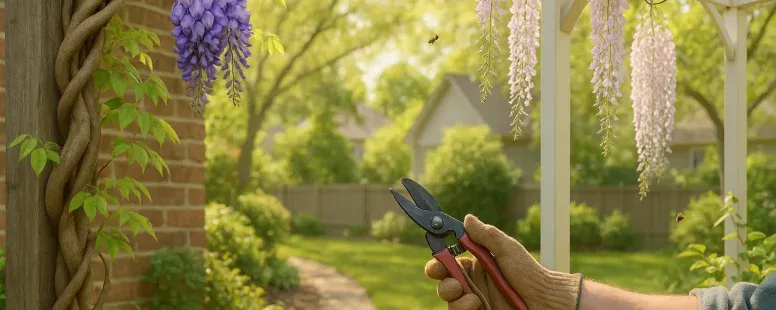
Wisteria Sinensis vs. Wisteria Floribunda
You can tell two wisterias apart at fifty paces once you know what to look for: one drapes in ropes of pea-like flowers, the other pours out long, tasselled clusters that sway like chandeliers. Wisteria sinensis (Chinese wisteria) and Wisteria floribunda (Japanese wisteria) both seduce with spring spectacle, but they ask different things of your garden and give different rewards. This piece shows the practical differences you’ll feel under your hands, how they climb, when they scent the air, what support they need, and which one is likelier to bloom for you. Read on to make the choice that fits your site, patience level, and design aim.
At-A-Glance Comparison: Key Differences
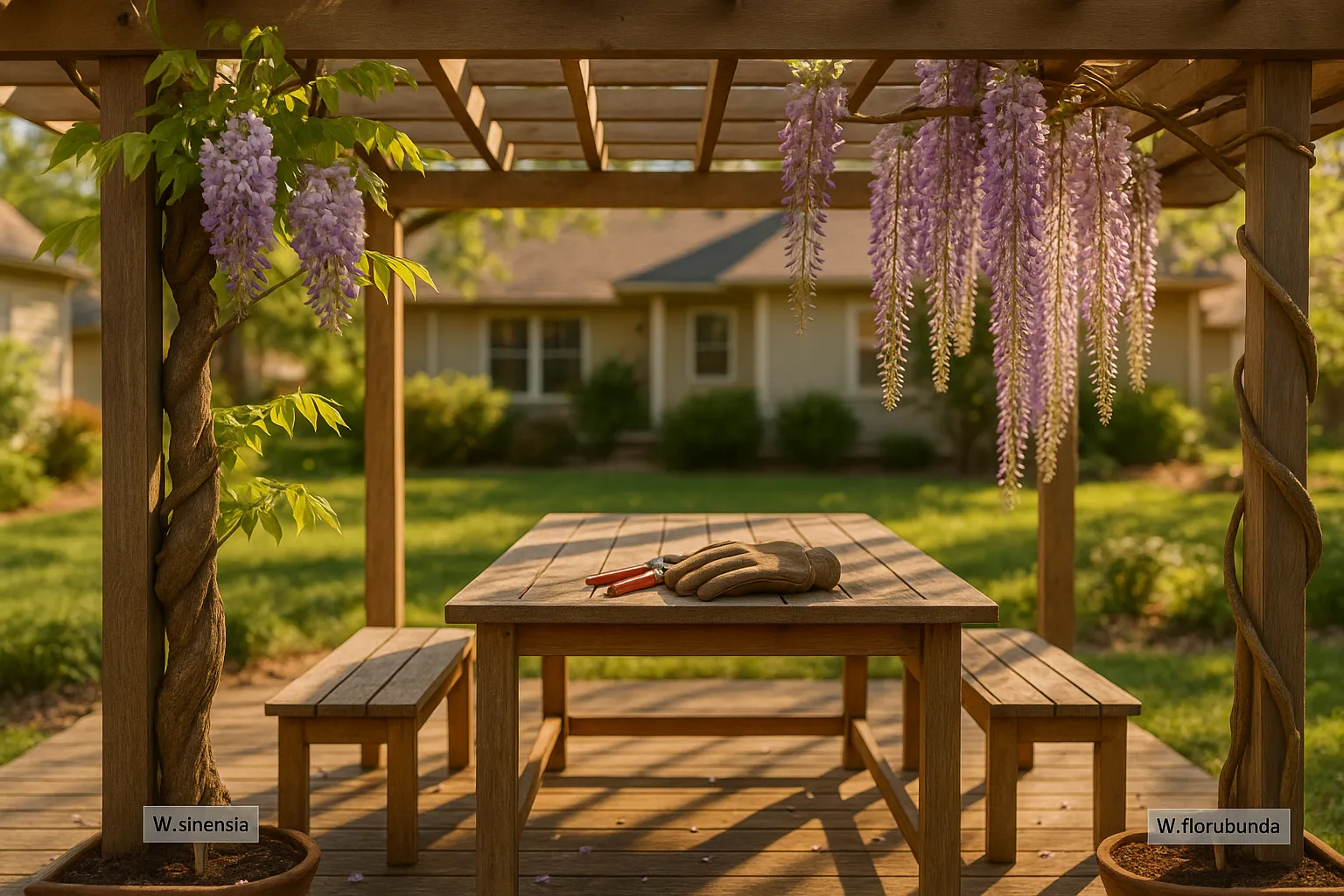
Wisteria sinensis and Wisteria floribunda differ mainly in flower cluster length, blooming habit, and climbing behavior. W. sinensis produces shorter, denser racemes (often 6–12 inches). W. floribunda produces longer racemes (12–36 inches) that hang like ropes.
- Wisteria sinensis: earlier bloom in spring, tends to twine clockwise, thicker stems, often blooms on older wood.
- Wisteria floribunda: later and longer blooming period, twines counterclockwise (most cultivars), finer stems, often blooms on current season growth on some cultivars like ‘Macrobotrys’.
If you want big, dramatic hanging clusters for a pergola, W. floribunda usually gives you that. If you want a robust climber that sets flowers reliably in mild climates, W. sinensis is often simpler to coax. This overview sets the stage for details that follow about flowers, habit, hardiness, and care.
Botanical Characteristics
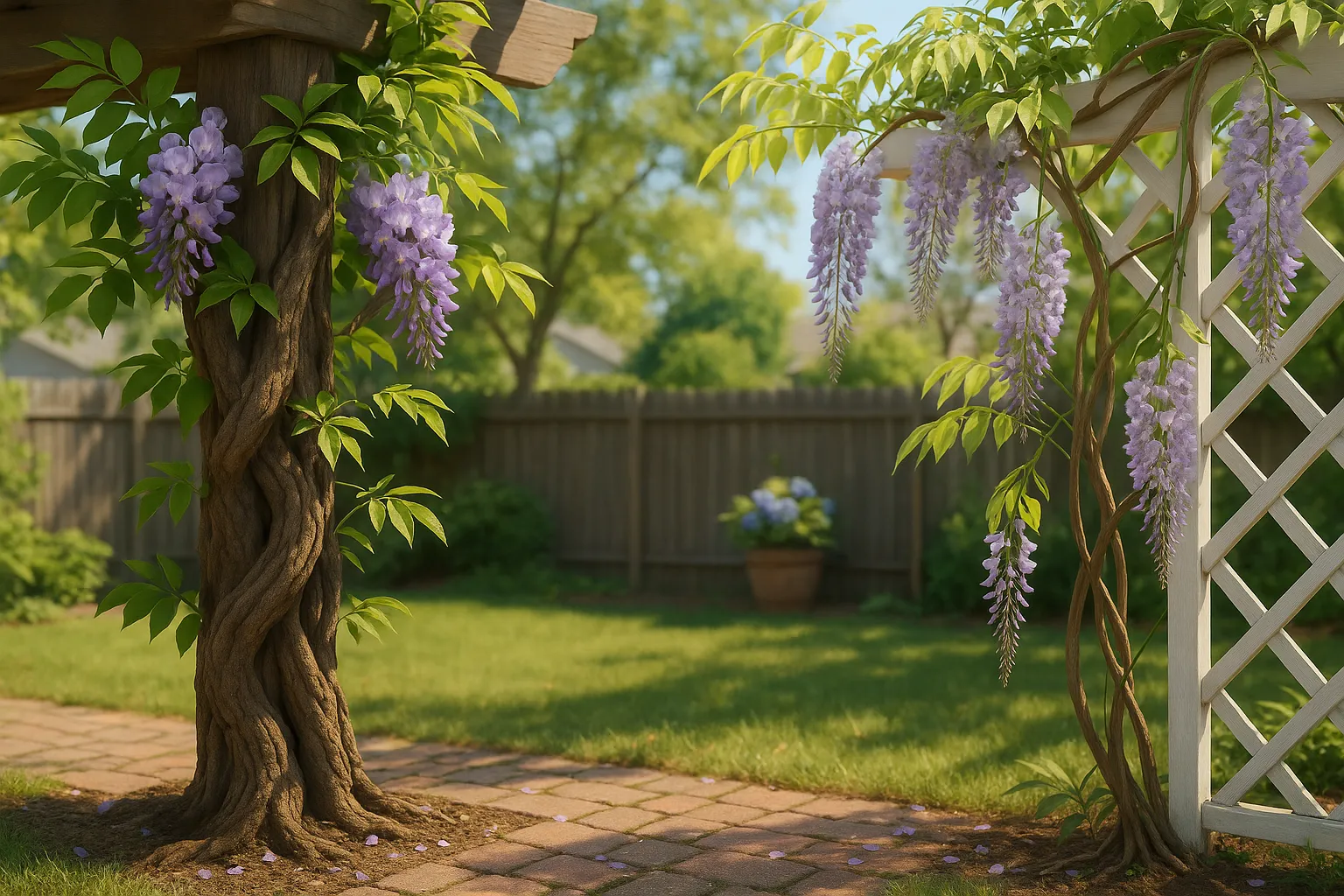
Wisterias share genus-level traits but differ in botanical detail. You’ll find these differences show up in the garden immediately.
Flowers: Form, Color, And Blooming Pattern
Fact: W. floribunda has longer, more pendant flower clusters than W. sinensis. W. sinensis flowers appear in compact clusters with a pea-like shape: colors range from pale lilac to deep violet. W. floribunda produces long, pendulous racemes often called “festoons”: some cultivars reach three feet long, like ‘Longissima’ forms.
W. sinensis typically blooms a bit earlier and sometimes in a sharper, more concentrated burst. W. floribunda often stretches bloom time, giving a layered effect across weeks. You’ll notice fragrance differences as well: some W. sinensis cultivars have a heavier perfume, while certain W. floribunda types smell lighter but more evenly distributed through the season.
Leaves, Vigor, And Growth Habit
Fact: W. sinensis has fewer leaflets per leaf and thicker stems: W. floribunda has more delicate leaflets and finer shoots. W. sinensis leaflets number 7–13: W. floribunda often has 9–19. That affects texture: sinensis reads bold at a distance: floribunda looks lacy.
Both species are vigorous. W. sinensis may establish faster and form heavier older wood, which helps support larger clusters but can overwhelm weak supports. W. floribunda climbs with more flexible shoots, which can weave through lattice and finer trellises.
Size, Climbing Style, And Lifespan
Fact: Both species can live many decades and reach 30–50 feet when unsupported. Wisterias are long-lived woody vines: they can exceed 100 years in established sites. W. sinensis often twines clockwise: W. floribunda usually twines counterclockwise, a detail that matters when training to a specific structure.
Expect mature trunks as thick as a small tree. Their climbing style will determine whether you use strong posts or delicate arbors.
Growing Conditions And Hardiness
Both species have similar cultural needs but tolerate different climates slightly differently. Start with hard facts about zones and match them to your site.
Climate Zones And Cold Tolerance
Fact: W. sinensis is hardy to about USDA zone 5: many W. floribunda cultivars are hardy to zone 5–6. Some floribunda forms (like ‘Caroline’) handle zone 4 in sheltered spots.
If you live in zone 5 or colder, choose proven hardy cultivars and plant with root insulation. In milder zones (7–9), both perform strongly: sinensis can set heavy blooms earlier, but floribunda tends to keep flowering longer into late spring.
Soil, Light, And Water Requirements
Fact: Wisterias prefer full sun (6+ hours) and well-drained, moderately fertile soil. They tolerate clay and loam but dislike waterlogged conditions.
You should plant them where they get morning sun and afternoon light if summers are hot. They handle short droughts but perform best with steady moisture while establishing. High phosphorus fertilizer can suppress bloom: favor balanced or low-phosphorus formulas. The Royal Horticultural Society recommends a phosphorus-moderate feed for wisteria bloom encouragement.
Pruning, Training, And Support Needs
Fact: Proper pruning is essential to flower reliably: both species need annual pruning to control vigor and promote blooms.
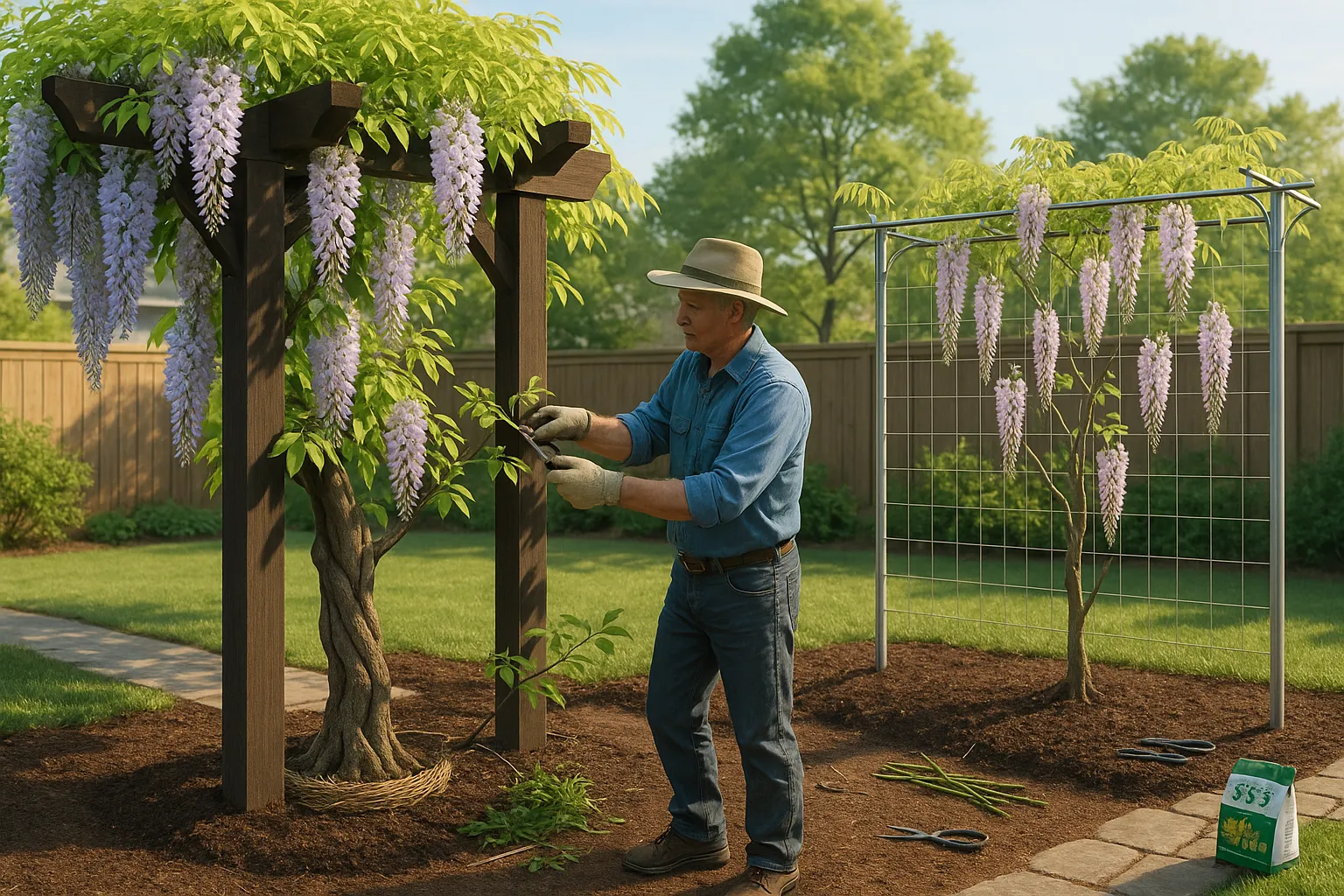
Train young plants to a main stem and a few scaffold branches. Use strong supports: steel pergolas, heavy wooden beams, or sturdy walls. For floribunda, thinner wires and meshes can work because shoots are finer. For sinensis, use heavier timbers to support the weight of dense clusters. Missed pruning often leads to excessive vegetative growth and poor flowering, a common mistake you’ll want to avoid.
Flowering Performance And Fragrance
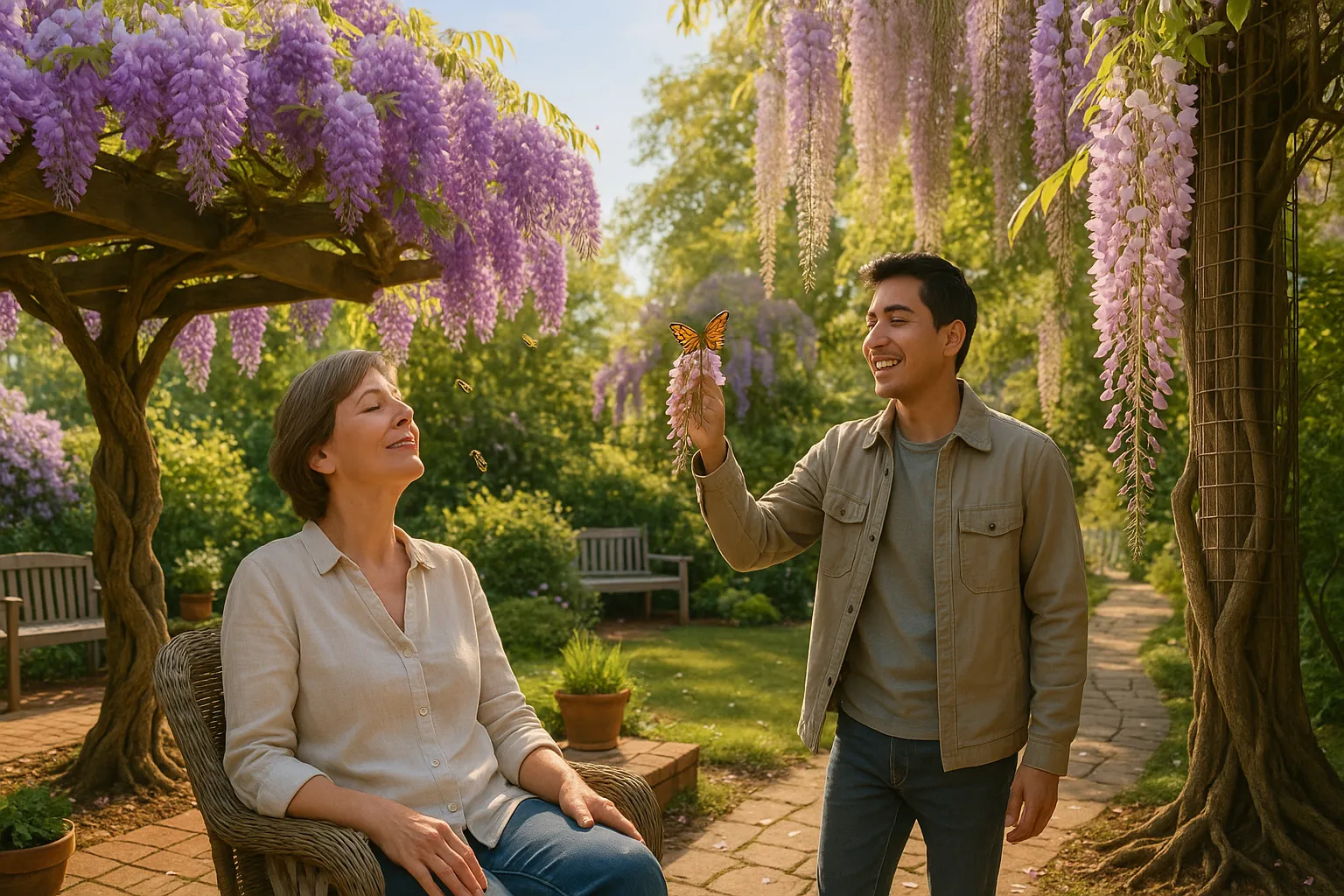
Flower quantity and scent matter as much as color and timing. Here are the clear differences.
Typical Bloom Timing And Duration
Fact: W. sinensis typically blooms earlier in spring for a shorter, intense display: W. floribunda typically blooms later and longer.
In many temperate gardens, sinensis peaks in April–May: floribunda peaks in May–June but may carry individual clusters into early summer. If you want a single theatrical week of flowers, sinensis often delivers. If you prefer a show that unwraps slowly, choose floribunda.
Fragrance Strength And Landscape Impact
Fact: Fragrance varies by cultivar, but W. sinensis is often perceived as more intensely scented.
Plant sinensis by seating areas or patios to enjoy its perfume. Plant floribunda along walkways or over entrances where its long racemes can brush shoulders and create dramatic passes. Fragrance can attract bees and sometimes butterflies: that’s good for pollination but expect more insect visitors near blooms, an honest trade-off.
Anecdote: In Kyoto, floribunda arbors at Ashikaga Flower Park draw crowds who stand beneath endless hanging clusters. That visual and olfactory immersion is the emotional pull gardeners seek.
Landscape Uses, Pros, And Cons
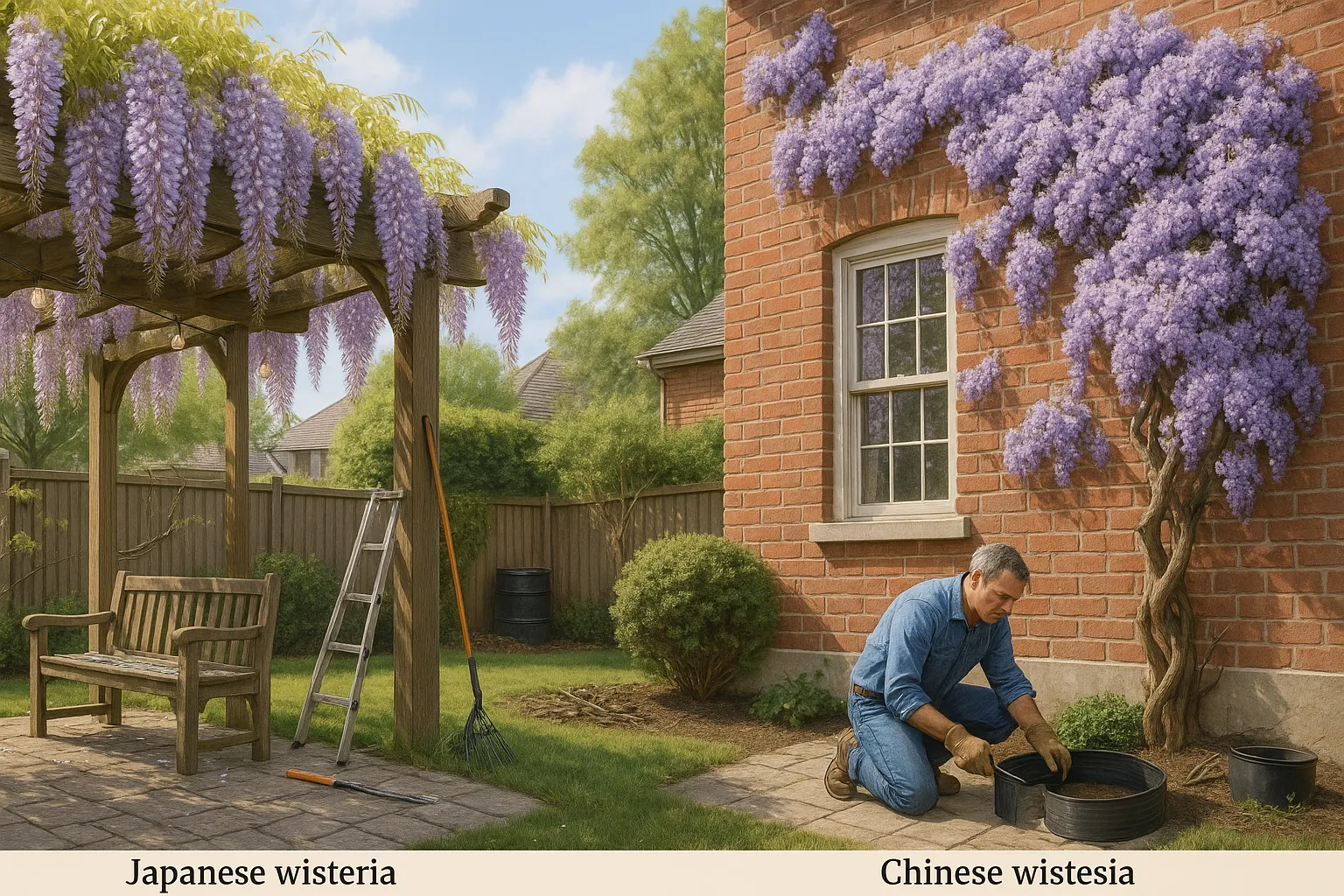
Decide what role you want the vine to fill before you plant. Each species suits different design aims.
Best Uses In Gardens And Urban Settings
Fact: W. floribunda excels on pergolas and long arbors: W. sinensis suits walls, villa facades, and solitary specimen trunks.
Use floribunda where you want long, theatrical drapes. Use sinensis where you want dense floral clusters that read like massed color against brick. In urban settings, plant near patios, over garages, or along courtyard walls: keep roots clear of foundations by placing them 3–6 feet away and using root barriers if needed.
Advantages And Potential Drawbacks
Fact: Both species are vigorous and can become invasive or destructive if left unchecked.
Advantages: spectacular spring display, long lifespan, wildlife value. Drawbacks: heavy structural load, aggressive root and stem growth, potential to smother nearby plants. W. sinensis can be more aggressive near walls: W. floribunda can send long shoots into neighbors’ yards. Be honest: if you dislike annual pruning and hard maintenance, don’t plant a wisteria.
Pests, Diseases, And Maintenance Issues
Know the weak points so you can prevent problems. Wisterias are resilient but not immune.
Common Pests And Disease Risks
Fact: Common issues include scale insects, aphids, and root rot in poorly drained soils. Powdery mildew can appear on stressed plants.
Scale and aphids sap vigor and can coat buds with honeydew, which leads to sooty mold. Use horticultural oil in dormant season for scale and a targeted insecticidal soap for aphids. For root rot, improve drainage and avoid planting in compacted wet areas: raised beds help.
Ongoing Maintenance And Troubleshooting Tips
Fact: Regular summer and winter pruning resolves most flowering and vigor problems.
Prune in summer to shorten long whippy shoots, and prune in winter to define structure and encourage flowering spurs. If your plant flowers poorly, check for excessive nitrogen feeding, too much shade, or lack of pruning. Be candid: I once waited three years for a sinensis to bloom because I kept fertilizing with high-nitrogen feed, lesson learned. Resist the urge to ‘‘feed for size” if you want flowers.
Also watch graft unions on bought plants: some cultivars are grafted and may revert if the rootstock escapes. That will change the characteristics over time and is harder to correct later.
Practical Buying, Planting, And Propagation Tips
Buy the right cultivar and plant at the right time to avoid years of frustration. Here are direct, usable steps.
How To Choose Between Varieties For Your Site
Fact: Choose W. floribunda for long racemes and decorative arbors: choose W. sinensis for earlier, denser blooms and tougher wood.
Match cultivar to site: if your pergola is a focal walkway, pick floribunda cultivars like ‘Macrobotrys’ or ‘Longissima’ forms. If you need a screen or facade cover, pick sinensis cultivars such as ‘Alba’ (white) or ‘Blue Moon’ (vigorous purple). Check hardiness tags and ask nurseries if plants are grafted. Royal Horticultural Society entries give cultivar notes and award-winning selections to consider.
Propagation, Planting Timeline, And Early Care
Fact: Propagation by softwood cuttings, layering, or grafting gives true-to-type plants: seed-grown plants vary and may take longer to bloom.
Plant in spring or fall. Prepare a hole twice as wide as the root ball with organic matter mixed into native soil. Set the graft union slightly above soil line if grafted. Water well for the first two seasons and prune first winter to establish a framework: retain two main leaders and remove competing shoots. Mulch but keep mulch away from the trunk to prevent rot.
Propagation tip: simple layering works well, anchor a flexible shoot, cover the node with soil, and wait 6–12 months for roots. Expect 2–5 years for reliable flowering from a cutting: seed may take longer.
If you follow these steps you’re likely to get graceful, fragrant blooms that reward the effort. If they don’t bloom the first few years, don’t panic, sometimes they need to build woody structure before they show off.

- WxWidgets Alternatives for Cross-Platform GUI Development - October 22, 2026
- Best Tpu - October 21, 2026
- Mikrotik Product Comparison - October 20, 2026
by Ellie B, Site Owner / Publisher