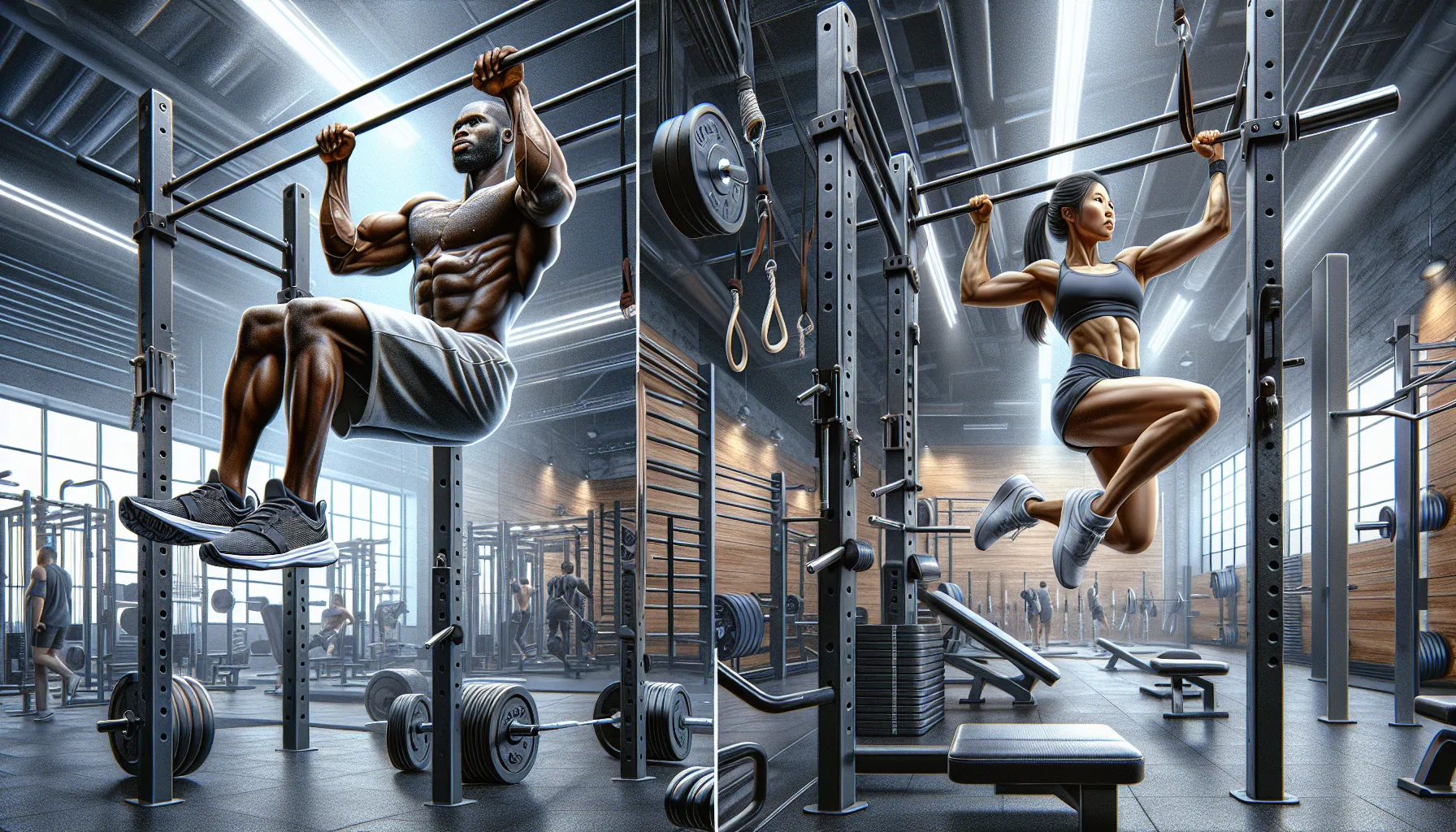
Choosing the right form of exercise plays a critical role in helping you achieve your fitness goals efficiently. Two popular approaches to physical training are calisthenics and weightlifting, each with its own unique benefits and methodologies. By understanding the differences between these modalities, you can make an well-informed choice that aligns with your personal fitness objectives.
Understanding Calisthenics and Weightlifting
What Is Calisthenics?
Calisthenics involves exercises that use your own body weight for resistance. Typical examples include push-ups, pull-ups, squats, and planks. These movements are often performed without additional equipment, making calisthenics highly accessible and versatile.
What Is Weightlifting?
Weightlifting, on the other hand, utilizes external weights such as dumbbells, barbells, or machines to create resistance. This form of training allows for precise adjustments to load and generally focuses on specific muscle groups, making it a highly efficient way to build strength.
Primary Differences Between Calisthenics and Weightlifting
Types of Activities and Movements
Calisthenics emphasizes compound movements that engage multiple muscle groups through dynamic, functional activities. Weightlifting, while also capable of incorporating compound movements, often includes isolation exercises to specifically target individual muscles.
Required Equipment or Tools
Calisthenics typically requires minimal to no equipment, relying on body weight-based exercises. Conversely, weightlifting mandates the use of weights or machines, necessitating access to a gym or home workout equipment.
Training Goals and Outcomes
Strength Development
In terms of developing strength, weightlifting excels by allowing for consistent and progressive overload through incremental increases in weight. Calisthenics also builds strength, particularly functional strength, but progressive overload is achieved differently, such as by altering body positioning or increasing repetitions.
Flexibility and Mobility
Calisthenics inherently improves flexibility and mobility through the full range of motion applied during exercises. While weightlifting can also enhance mobility, achieving these benefits often requires supplementary techniques like dynamic stretching and mobility drills.
Who Benefits from Each Modality?
Those seeking minimal-equipment workouts that blend strength and agility may find calisthenics ideal. Meanwhile, individuals focused on developing muscle size, raw strength, or targeting specific areas could benefit more from weightlifting. Eventually, your choice depends on your fitness goals and available resources.
To provide the best experiences, we use technologies like cookies to store and/or access device information. Consenting to these technologies will allow us to process data such as browsing behaviour or unique IDs on this site. Not consenting or withdrawing consent, may adversely affect certain features and functions.
Functional
Always active
The technical storage or access is strictly necessary for the legitimate purpose of enabling the use of a specific service explicitly requested by the subscriber or user, or for the sole purpose of carrying out the transmission of a communication over an electronic communications network.
Preferences
The technical storage or access is necessary for the legitimate purpose of storing preferences that are not requested by the subscriber or user.
Statistics
The technical storage or access that is used exclusively for statistical purposes.The technical storage or access that is used exclusively for anonymous statistical purposes. Without a subpoena, voluntary compliance on the part of your Internet Service Provider, or additional records from a third party, information stored or retrieved for this purpose alone cannot usually be used to identify you.
Marketing
The technical storage or access is required to create user profiles to send advertising, or to track the user on a website or across several websites for similar marketing purposes.