Starting a new exercise routine can feel like trying to navigate a maze in foggy weather. The key is simplicity—think full-body moves that awaken your muscles and gentle cardio that keeps your heart humming without overwhelming you.
It’s not about pushing your limits overnight but about planting steady, healthy seeds for long-term fitness. Imagine your body as a delicate garden; with proper stretches and mindful progress, you nurture resilience and prevent injuries.
Surprisingly, this balanced approach not only boosts your energy but also sharpens your focus, turning exercise into a rewarding journey rather than a chore.
Let’s explore how to craft a plan that keeps you motivated and injury-free, guiding you smoothly through the fog toward a brighter, healthier tomorrow.
Start Safely With Your Beginner Exercise Routine
Starting safely is the most important part of any beginner exercise routine. The key is to warm up your body before exercising. Warming up helps increase blood flow and loosen muscles, which helps prevent injuries. If you skip this step, you risk pulling muscles or hurting yourself, and that can set you back weeks or even months.
Some easy warm-up activities are brisk walking or light jogging for about five to ten minutes. These help prepare your body for more intense movement. Think of it like warming up a car engine before driving—if you skip it, the engine might stall or get damaged.
There are two ways to look at warming up. Some people say it’s really necessary to stay injury-free and keep exercising regularly. Others think it might not be as important if you only do gentle exercises. Still, most trainers agree that warming up is better for avoiding pain and staying consistent.
Just remember, rushing into exercises without warming up can cause injuries. That’s why respecting the process matters. Starting safely helps you build strength and endurance without setbacks. Your future self will thank you for taking the time to warm up and prepare your body.
Essential Stretching Tips to Prevent Injury
Stretching is a key part of preventing injuries when you exercise. It helps keep your muscles flexible and ready to move.
First, do dynamic stretches before your workout. These are movements like leg swings or arm circles that get your blood flowing. They warm up your body and prepare you for exercise. For example, if you’re about to run, try some walking lunges or high knees. This makes your muscles less likely to tear or strain during activity.
After you finish, focus on static stretching. This means holding stretches like touching your toes or stretching your arms over your head. These help improve your flexibility and let your muscles recover. Make sure to hold each stretch for about 15 to 30 seconds and breathe deeply.
Always use good form when stretching. Don’t bounce or stretch too hard, because that can cause injuries. For example, bouncing during a hamstring stretch can strain your muscles instead of relaxing them. If you feel pain, stop immediately. Remember, stretching should feel good, not painful.
Some people skip stretching because they think it takes too much time. But skipping it can lead to tight muscles and injuries, which might set you back in your fitness goals. Making stretching a regular habit, even just a few minutes a day, can help you stay safe and improve your performance.
There are two sides to this. Some experts say stretching isn’t as important as warming up with movement. Others believe stretching is essential for injury prevention. Both are right — dynamic stretches before workout and static stretches after are best. Just be careful not to overstretch or stretch cold muscles, which can cause injuries.
In short, stretching is like oil for a machine. It keeps your muscles moving smoothly and prevents damage. Stick with these simple tips, and you’ll have safer, more effective workouts. Do you really want to take a chance with your muscles? Better to stretch and protect yourself.
Full-Body Workouts for Your Beginner Routine
Full-body workouts are a simple way for beginners to build strength and endurance. These routines involve exercises that work multiple muscle groups at once, instead of just focusing on one area. For example, doing squats, push-ups, and planks together can make your workout more efficient. This helps you get stronger faster because your muscles work together, not separately.
Some people worry that full-body workouts are too hard or take too long. But if you start slow and choose the right exercises, they can be manageable and give good results. You can also mix things up, like switching between different exercises each day. This keeps your routine interesting and helps prevent boredom.
However, there are limits. Doing too much too soon might cause injuries or make you tired. It’s best to listen to your body and rest when needed. Also, some routines might not target specific muscles deeply enough if you want to focus on certain areas later.
In the end, full-body workouts are a great starting point for beginners who want to see quick progress. They save time and help you develop overall fitness. Just remember to keep it simple, stay safe, and enjoy moving your body. Your muscles will thank you.
Simple Cardio Exercises to Boost Fitness
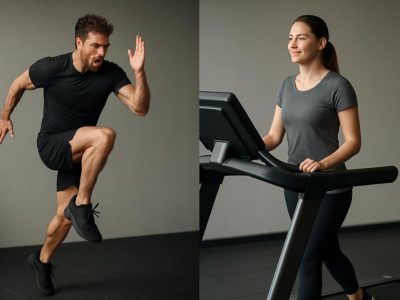
Cardio exercises are a simple way to improve your fitness. You don’t need fancy machines to start. Walking is a great example. It helps your heart stay healthy and can boost your mood. Have you ever gone for a walk and felt more relaxed afterward? Cycling is another good choice. Just keep a steady pace to avoid tiring yourself out too quickly. If you like to dance, dance fitness classes can make your heart beat faster while having fun. Jump rope is quick and effective for a high-energy workout in just a few minutes. Swimming gives you a gentle, full-body workout that’s easy on your joints, especially if you have access to a pool. Hiking on trails is an enjoyable way to challenge your stamina while enjoying nature. To get the most from your workouts, try interval training. That means switching between high effort and rest. It’s a fast way to burn calories and improve your endurance, no matter your fitness level.
Easy Strength Training Moves You Can Do at Home
Building strength at home is simple and effective. You don’t need fancy equipment or a gym membership. Here’s what you should do to get stronger using easy moves.
First, bodyweight exercises are the best starting point. Exercises like squats, push-ups, and planks work many muscles at once. For example, squats target your thighs and hips, push-ups work your chest and arms, and planks help strengthen your core. These moves are easy to learn and can be done anywhere. Do a few sets of each, and you’ll see improvements in your strength and stability.
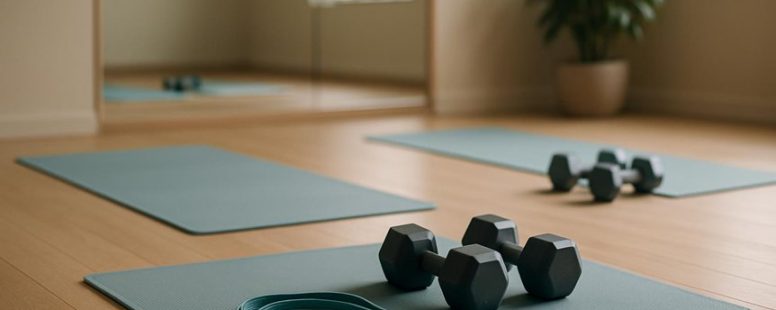
To make your workout harder and more fun, resistance bands are a good choice. They are cheap, portable, and come in different tension levels. Bands can make exercises like rows or bicep curls more challenging. Imagine using a resistance band to pretend you’re rowing a boat, which works your back muscles. Just a few minutes of band exercises a few times a week can make a difference.
Some people worry that bodyweight moves aren’t enough. That’s not true if you do them right. But, be careful not to push too hard too fast. Overdoing it can cause injuries or burnout. Also, if you have health problems or injuries, check with your doctor before starting any new exercise routine.
In the end, you don’t need expensive gym equipment. With consistent effort using just your body weight and resistance bands, you can build a solid foundation of strength. Think of it as laying bricks for a sturdy house—small moves, repeated often, lead to big results. So, why not start today? Your muscles will thank you.
Staying Consistent Without Getting Burned Out
Staying consistent with workouts means setting goals that are easy to reach. If your goals are too big or hard, you might give up. For example, start with walking for 10 minutes three times a week. As you get stronger, you can add more time or days.
Rest days are also important. They help your muscles recover and stop you from feeling tired and burned out. Taking a day off after two or three workout days is a good idea. If you push too hard every day, you might hurt yourself or lose interest.
Some people think working out harder is better, but it’s not always true. Working smart means planning your workouts so they’re effective but don’t wear you out. For example, try mixing easy days with hard days. That way, you stay motivated and avoid injuries.
But remember, everyone is different. Some folks can handle daily workouts, while others need more rest. Listening to your body is key. If you feel sore or tired, take a break. Pushing through pain can lead to injuries or burnout.
Manageable Workout Goals
Having small, manageable workout goals is the best way to stay consistent and avoid getting burned out. It’s easy to think you need to do intense exercises every day, but that can make you tired or frustrated quickly. Instead, set simple goals that match your current fitness level. For example, start with walking for 10 minutes or doing two sets of sit-ups. As you get stronger, slowly add more time or extra reps. This way, your body can get used to the activity without feeling overwhelmed.
Some people prefer to aim for big results fast, but that can lead to quitting early. Others might get discouraged when they don’t see quick progress. That’s why small wins matter. When I added just five more minutes of exercise or one extra push-up each week, I felt more confident and kept going. Think of it like climbing a ladder — small steps help you reach the top without falling.
However, there are limits. If your goal is too easy, you might not see much progress. But pushing too hard right away can cause injuries or burnout. The key is to find a balance. Focus on regular, doable workouts that you can stick with for the long run. This will help you stay motivated, enjoy your workouts, and keep from giving up after a few days. Small, manageable goals turn exercise into a habit that lasts.
Balanced Rest Days
Rest days are key to making steady progress in exercise. They are not just days to do nothing. Instead, they include active recovery, like light walking or stretching. These activities help your muscles repair and grow stronger. If you skip rest days, you risk getting tired, injured, or burned out.
Some people think resting slows down progress. But taking the time to recover actually helps you stay motivated and energy high. When I make sure to rest, I notice my workouts get better and I feel less tired. Ignoring rest can cause setbacks and make you less likely to keep going.
There are two sides to this. Some say rest is very important, and I agree. Others worry that resting too much might slow progress. It’s best to listen to your body. If you feel tired or sore, it’s time to take a break.
Imagine your muscles as a car engine. Rest is like giving the engine a chance to cool down and fix itself. Without it, the engine could overheat or break down. But too much rest might make you lose momentum.
In the end, balanced rest days are not wasted time. They help you stay consistent, avoid injuries, and keep your motivation high. Remember, taking care of your body is part of making progress, not stopping it. So include rest days smartly to keep moving forward.
How to Track Progress and Step Up Your Workouts
Tracking your progress is key to getting better at workouts. It helps you see how much you improve and keeps you motivated. To do this, keep a simple log of your exercises. Write down how much weight you lift, how many reps you do, or how long you exercise. For example, if you start running for 10 minutes, note it. Then, each week, see if you can run longer or lift heavier weights. Celebrating small wins, like adding five more pounds or running an extra minute, makes you feel good and shows you’re growing. When you hit these milestones, it’s time to make your workouts tougher. You can do this by increasing the weights, adding more reps, or trying new exercises. Just be careful not to push too hard too fast. Slowly raising your effort helps prevent injuries and avoids boredom. Keep track of your progress and adjust your workouts accordingly, and you’ll stay motivated and see steady gains. Remember, tracking isn’t just about numbers — it’s your map to success.
To provide the best experiences, we use technologies like cookies to store and/or access device information. Consenting to these technologies will allow us to process data such as browsing behaviour or unique IDs on this site. Not consenting or withdrawing consent, may adversely affect certain features and functions.
Functional
Always active
The technical storage or access is strictly necessary for the legitimate purpose of enabling the use of a specific service explicitly requested by the subscriber or user, or for the sole purpose of carrying out the transmission of a communication over an electronic communications network.
Preferences
The technical storage or access is necessary for the legitimate purpose of storing preferences that are not requested by the subscriber or user.
Statistics
The technical storage or access that is used exclusively for statistical purposes.The technical storage or access that is used exclusively for anonymous statistical purposes. Without a subpoena, voluntary compliance on the part of your Internet Service Provider, or additional records from a third party, information stored or retrieved for this purpose alone cannot usually be used to identify you.
Marketing
The technical storage or access is required to create user profiles to send advertising, or to track the user on a website or across several websites for similar marketing purposes.