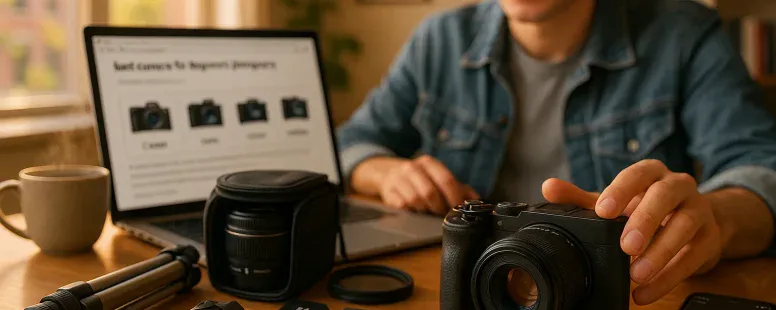
Best Camera For Beginners Photography
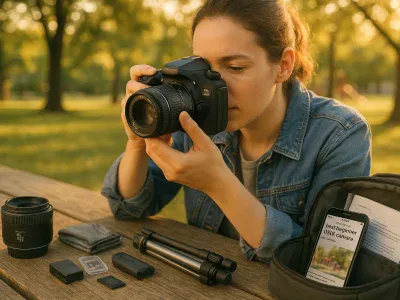
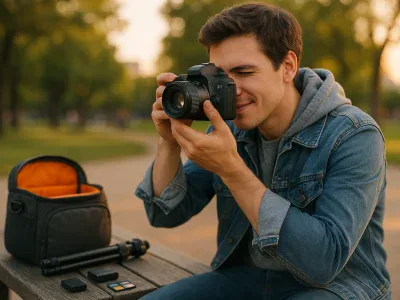
You can make great photos with a sensible first camera. The right entry-level camera gives you clear images, confidence to learn manual controls, and a system you can grow into. Think of your first camera as a reliable teacher: it should correct your errors, reward experimentation, and not punish you for small mistakes. In this guide you’ll find which features matter most, the types of cameras worth your money, specific model recommendations for common use cases, budget guidance, and the accessories that improve your work. Expect practical examples, named brands (Canon, Nikon, Sony, Fujifilm, Olympus, Apple), and steps you can act on today.
Why Choosing The Right First Camera Matters
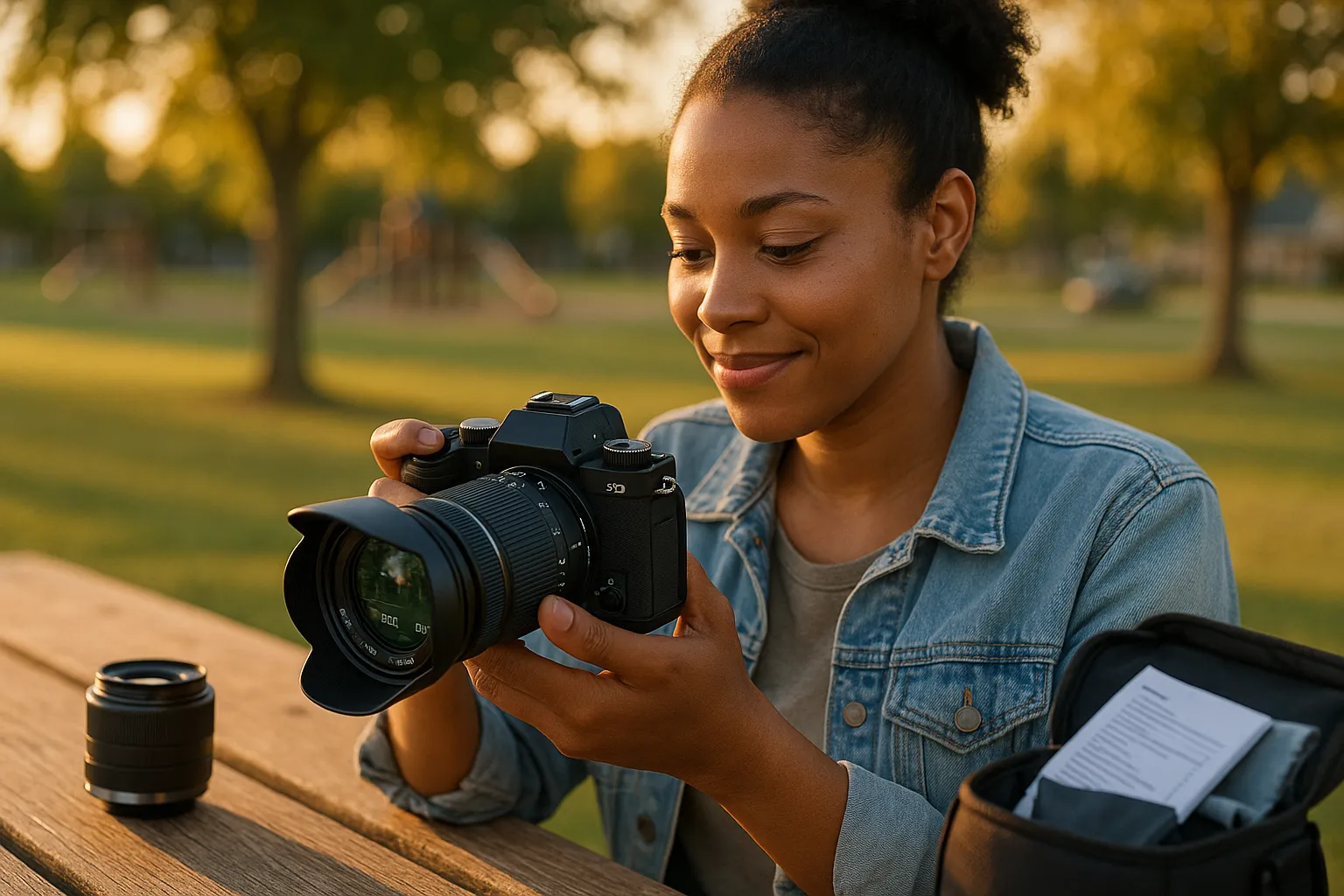
Fact: your first camera shapes how quickly you learn and how satisfied you feel shooting. A poor choice will frustrate you: a good one will keep you taking pictures.
When you start photography, you don’t only buy a tool, you buy a feedback loop. The camera gives immediate visual feedback that trains your eye. If the autofocus is slow or low light performance is poor, you’ll shoot less and learn slower. If the menus are confusing or the body feels clumsy, you will skip features that help. You want a camera that helps you solve problems, not create them.
Concrete example: a compact camera with fast autofocus and easy-to-read settings teaches you framing and timing. A camera with a strong lens lineup teaches you about focal length and depth of field. Consider brands: Canon and Nikon often offer beginner DSLRs with clear controls: Sony and Fujifilm lead in mirrorless innovation: Apple (iPhone) gives you convenience and computational tricks while you learn composition.
Anticipated follow-up: “How much should I spend?”, read the budget section. “Do I need lenses right away?”, the accessories section answers that. You will make better choices once you match the camera to how you plan to shoot.
Key Features Beginners Should Prioritize
Fact: certain features matter far more for beginners than headline megapixels. Prioritize image quality, autofocus, ease of use, and lens options.
Key Features Beginners Should Prioritize, Sensor Size And Image Quality
Insight: sensor size controls image quality and low-light ability. Larger sensors like APS-C and full-frame capture cleaner images and shallower depth of field. For beginners, APS-C strikes the best balance between cost and image quality. A 24MP APS-C sensor gives sharp files you can crop without very costly. Fujifilm X-Series and Sony APS-C bodies are strong choices.
Practical note: you dont need a huge megapixel count. Focus on dynamic range and noise performance. Read lab tests and sample images from reviewers before you buy.
Key Features Beginners Should Prioritize, Autofocus, Ease Of Use, And Controls
Answer: fast, reliable autofocus and clear controls speed learning. Look for face/eye detection, reliable tracking, and responsive shutter lag. Mirrorless cameras often offer better live-view autofocus than older DSLRs. Test the menu system in a store, if you can’t find basic settings quickly, you will feel lost when shooting.
Example: Sony’s real-time Eye AF and Canon’s Dual Pixel AF make portrait weekends far less frustrating. Buttons that you can remap help you grow without re-learning the camera.
Key Features Beginners Should Prioritize, Lens Ecosystem, Size, And Battery Life
Fact: lenses matter more than bodies. Choose a camera system with good cheap lenses and long-term options. Canon EF/EF-S, Nikon F, Sony E, and Fujifilm X all have healthy lens choices.
Practical trade-offs: smaller mirrorless bodies win on travel and pocketability but may sacrifice battery life. DSLRs like Canon EOS Rebel series or Nikon D3500 give long battery life and sturdy grips. If you plan to travel, pick a compact zoom or mirrorless system with pancake lenses.
Types Of Cameras Suitable For Beginners
Fact: four camera types serve beginners well, mirrorless, DSLR, compact advanced models, and smartphones. Each has clear strengths.
Types Of Cameras Suitable For Beginners, Mirrorless Cameras
Insight: mirrorless cameras combine modern autofocus, compact size, and an expanding lens market. Brands to note: Sony Alpha (a6000 series), Fujifilm X-T/R series, Canon EOS R100/R10.
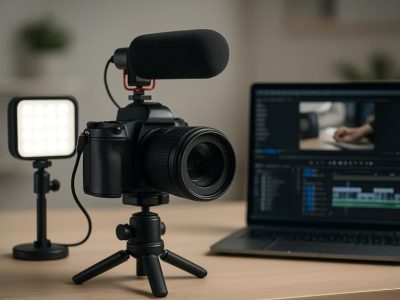
Why choose one: they give fast live view, good video, and progressive autofocus features that future-proof your kit. They often feel lighter, so you shoot longer.
Types Of Cameras Suitable For Beginners, DSLRs
Fact: DSLRs remain relevant because they provide optical viewfinders, long battery life, and rugged builds. Nikon D3500 and Canon EOS Rebel lines are classic beginner DSLRs.
When to pick DSLR: if you prefer an optical viewfinder, want long shooting sessions, or find great used lenses at low cost.
Types Of Cameras Suitable For Beginners, Compact Travel Cameras And Advanced Point‑And‑Shoots
Insight: compact advanced cameras like the Canon PowerShot G7 X, Sony RX100 series, or Panasonic ZS/ZX lines give better lenses and controls than phones while staying pocketable.
Use case: travel, street photography, or if you want one-hand portability with manual capability.
Types Of Cameras Suitable For Beginners, Smartphone Photography As A Starting Point
Fact: modern smartphones (iPhone, Google Pixel, Samsung Galaxy) are valid starting tools. They teach composition, timing, and light control without the cost of lenses.
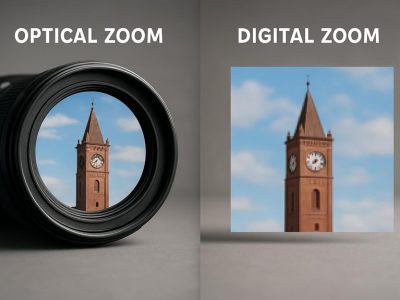
How to grow from smartphone: learn manual apps, practice RAW capture, then move to a camera body when you want optical zoom and larger sensors.
Top Beginner Camera Recommendations (Use Cases And Quick Picks)
Fact: specific models fit specific needs. Below are practical picks by use case and budget.
Top Beginner Camera Recommendations, Best Budget Pick (Under $500)
Recommendation: Canon EOS Rebel T7 / EOS 2000D used or refurbished, or a used Sony a6000 kit. These give reliable image quality, simple controls, and an affordable lens path.
Why: you get sensor size and interchangeable lenses for less than a compact high-end camera.
Top Beginner Camera Recommendations, Best All‑Round Mirrorless For Beginners
Recommendation: Sony a6400 or Fujifilm X-S10. These cameras balance autofocus, ergonomics, and a strong lens ecosystem.
Why: they handle portraits, travel, and casual video well. Fujifilm adds film-simulation JPEGs that teach color quickly.
Top Beginner Camera Recommendations, Best DSLR For Learning Manual Controls
Recommendation: Nikon D5600 or Canon EOS 90D (used for budget). These bodies encourage manual exposure learning and offer optical viewfinders that many learners prefer.
Why: the tactile controls and optical viewfinder speed hands-on learning.
Top Beginner Camera Recommendations, Best Compact For Travel
Recommendation: Sony RX100 VII or Canon PowerShot G7 X Mark III for pocketable quality.
Why: excellent zoom ranges, fast lenses, and small size mean you will shoot more on trips.
Top Beginner Camera Recommendations, Best APS‑C Step‑Up For Growth
Recommendation: Sony a6600 or Fujifilm X-T30 II. These give professional features, strong autofocus, and a path to pricier lenses.
Why: you won’t outgrow these quickly: they offer room to learn advanced techniques.
How To Choose Based On Budget And Intended Use
Fact: budget and intended use determine which compromises you should accept. Match money to goals.
How To Choose Based On Budget And Intended Use, Budget Tiers And What To Expect
Answer: under $500 gets you entry-level bodies or stronger used kits. $500–$1,000 opens serious mirrorless options and kit lenses. $1,000–$2,000 lets you buy higher-end bodies or a body plus a quality prime lens.
What to expect: at lower tiers you’ll accept slower autofocus and fewer features. At higher tiers you get better autofocus, weather sealing, and stronger video features.
How To Choose Based On Budget And Intended Use, Choosing Lenses Versus Body First
Insight: choose lenses before bodies when possible. Lenses last longer than camera bodies. A good 35mm or 50mm prime lens improves image quality more than upgrading to a slightly better body.
Practical tip: if you shoot portraits, buy a 50mm f/1.8 after the kit zoom. For travel, pick a versatile 24-70mm equivalent. If you shoot wildlife, invest in telephoto later.
Essential Starter Accessories To Buy First
Fact: a few accessories multiply your results. Buy the right kit parts early.
Essential Starter Accessories To Buy First, Lenses, Tripod, And Bag
Answer: buy one quality prime (50mm f/1.8) and keep the kit zoom. Add a stable tripod and a protective camera bag.
Why: the 50mm sharpens your skills with low-light and depth-of-field control. A tripod lets you practice long exposures and self-portraits.
Essential Starter Accessories To Buy First, Memory Cards, Spare Battery, And Filters
Insight: fast memory cards, at least one spare battery, and a UV or polarizing filter are the small buys that save shoots.
Practical list: two UHS-II or Class 10 cards, one spare battery, a small microfiber cloth, and a circular polarizer for outdoor color and glare control.
Practical Tips For Learning Photography Quickly With Any Camera
Fact: disciplined practice beats expensive gear. Use projects, exposure practice, and resources to improve fast.
Practical Tips For Learning Photography Quickly With Any Camera, Practice Exercises And Project Ideas
Answer: set small projects. Try a 30-day portrait series, a weekly street photo challenge, or daily light studies at golden hour. Projects force repetition and reveal patterns in your mistakes.
Exercise: shoot the same subject at five apertures and three shutter speeds. Compare files and note how exposure, depth of field, and motion change.
Practical Tips For Learning Photography Quickly With Any Camera, Understanding Exposure And Composition
Insight: master exposure triangle (aperture, shutter speed, ISO) and three composition rules: rule of thirds, leading lines, and negative space. Start with SVO sentences when you describe scenes: subject fills frame, light hits face, background shows context.
Quick test: switch to Aperture Priority and vary aperture to see depth-of-field effects. Then switch to Shutter Priority to learn motion control.
Practical Tips For Learning Photography Quickly With Any Camera, Recommended Resources And Next Steps
Recommendation: follow photographers like Brandon Woelfel for portrait color, Thomas Heaton for landscape technique, and Digital Photo Review or DPReview for technical reviews.
Next steps: join local photo walks, upload work to Flickr or Instagram for feedback, and consider short workshops at community colleges or camera stores. Keep shooting: your eye will improve faster than your gear. Try to shoot every week, and you’ll see measurable growth within months.
Call to action: pick one model above, buy a 50mm prime, and start a 30-day project tomorrow, you’ll thank yourself later.

- Best Tpu - October 21, 2026
- Mikrotik Product Comparison - October 20, 2026
- Fbm Competitors - October 19, 2026
by Ellie B, Site Owner / Publisher