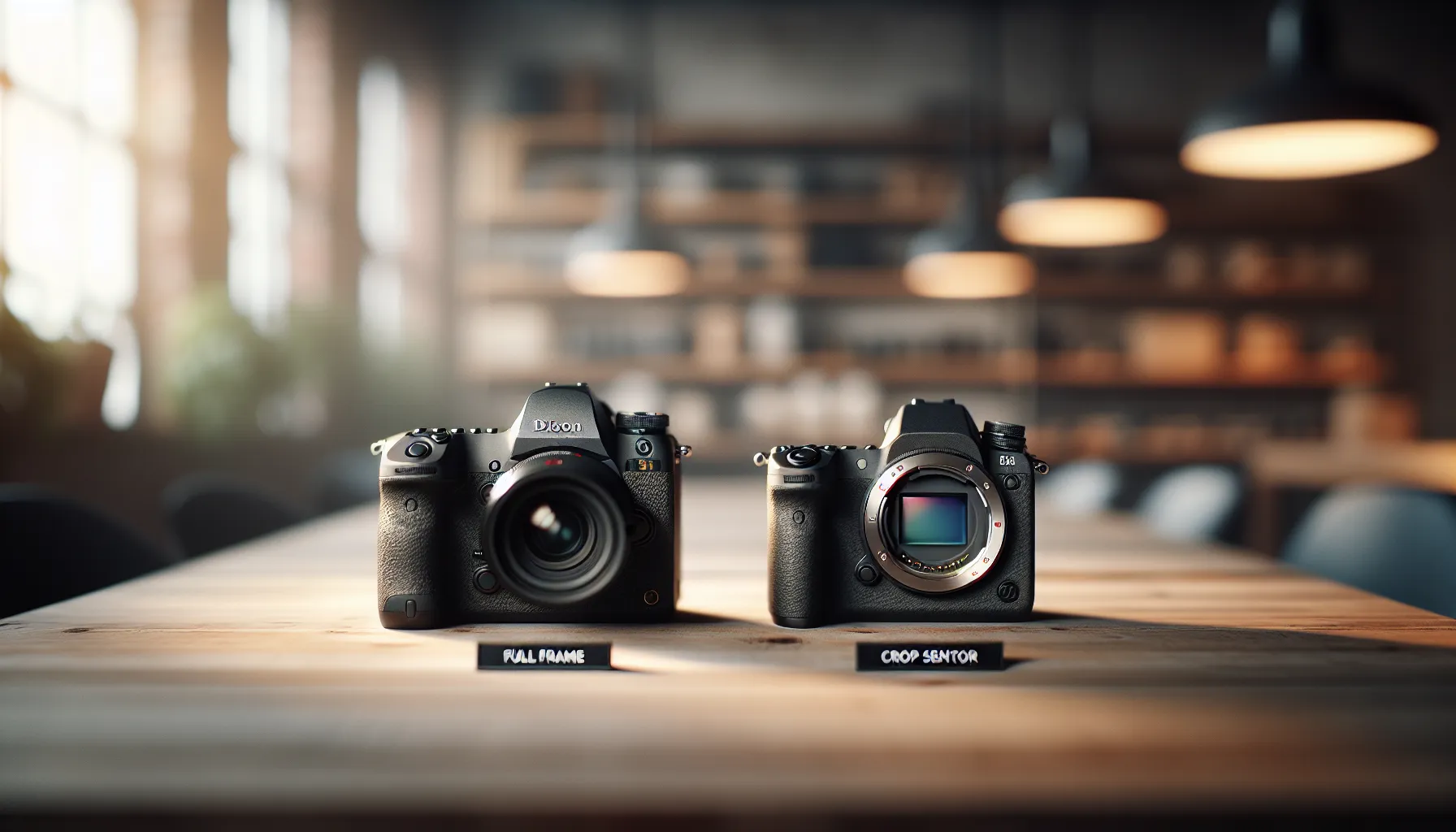
Cameras serve as windows to the world, capturing moments with intricate detail and artistic flair. But, your choice between a full-frame or crop sensor can drastically influence how you perceive and capture these moments. Whether you’re an amateur photographer exploring the craft or a seasoned professional seeking advancements, understanding the nuances of sensor size is fundamental. In this text, we compare the attributes and distinctions of full-frame and crop sensors, guiding you to select the perfect fit for your photographic journey.
Understanding Camera Sensor Types
What Is a Full Frame Sensor?
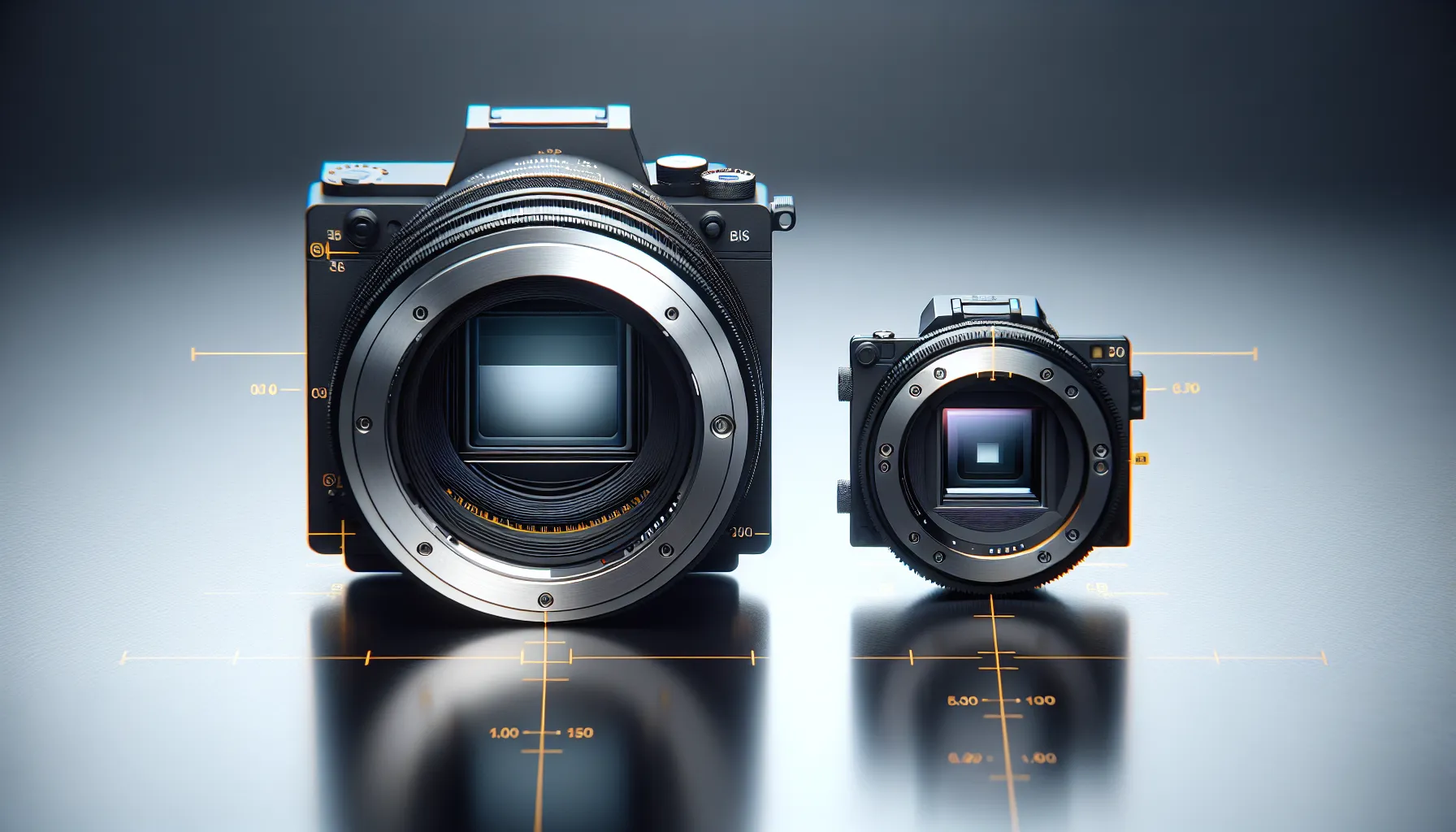
A full-frame sensor is equivalent in size to a traditional 35mm film negative, measuring approximately 36mm by 24mm. This large sensor size enables it to capture more light and detail, fostering images with enhanced quality and depth.
What Is a Crop Sensor?
A crop sensor, on the other hand, is smaller than a full-frame sensor. Its dimensions vary among different manufacturers, featuring a “crop factor” that alters the effective focal length of lenses mounted on the camera. Common crop factors include 1.5x (APS-C) and 2x (Micro Four Thirds).
Key Differences Between Full Frame and Crop Sensors
Image Quality and Detail
Full-frame sensors frequently deliver superior image quality, offering greater dynamic range and color depth. This advantage becomes evident when producing large prints or capturing intricate details.
Field of View and Focal Length Multiplication
With crop sensors, lenses exhibit an apparent increase in focal length due to the smaller sensor capturing a narrower field of view compared to full-frame counterparts.
Low-Light Performance
Thanks to their larger pixel size, full-frame sensors often excel in low-light conditions, reducing noise and enhancing clarity in dim environments.
Cost and Accessibility
Crop sensor cameras are more budget-friendly and widely accessible, making them a popular choice among beginner photographers and hobbyists.
Pros and Cons of Full Frame Sensors
Advantages of Full Frame Sensors
Full-frame sensors provide exceptional image quality, professional-grade performance, and extensive creative flexibility.
Drawbacks of Full Frame Sensors
The primary drawbacks include higher costs and larger, heavier camera bodies compared to those with crop sensors.
Pros and Cons of Crop Sensors
Advantages of Crop Sensors
Crop sensors are cost-effective and suitable for telephoto photography due to the effective magnification from the crop factor.
Drawbacks of Crop Sensors
But, they may fall short in terms of image quality and versatility compared to full-frame alternatives.
Choosing the Right Sensor for Your Needs
Factors to Consider
Key considerations include budget, desired image quality, and photographic goals. Full-frame cameras best suit professionals, while crop sensors are ideal for budding photographers.
Common Use Cases for Each Sensor Type
Full-frame sensors excel in landscape and studio photography, requiring optimum details, whereas crop sensors cater to wildlife and sports photography with their enhanced reach.
To provide the best experiences, we use technologies like cookies to store and/or access device information. Consenting to these technologies will allow us to process data such as browsing behaviour or unique IDs on this site. Not consenting or withdrawing consent, may adversely affect certain features and functions.
Functional
Always active
The technical storage or access is strictly necessary for the legitimate purpose of enabling the use of a specific service explicitly requested by the subscriber or user, or for the sole purpose of carrying out the transmission of a communication over an electronic communications network.
Preferences
The technical storage or access is necessary for the legitimate purpose of storing preferences that are not requested by the subscriber or user.
Statistics
The technical storage or access that is used exclusively for statistical purposes.The technical storage or access that is used exclusively for anonymous statistical purposes. Without a subpoena, voluntary compliance on the part of your Internet Service Provider, or additional records from a third party, information stored or retrieved for this purpose alone cannot usually be used to identify you.
Marketing
The technical storage or access is required to create user profiles to send advertising, or to track the user on a website or across several websites for similar marketing purposes.