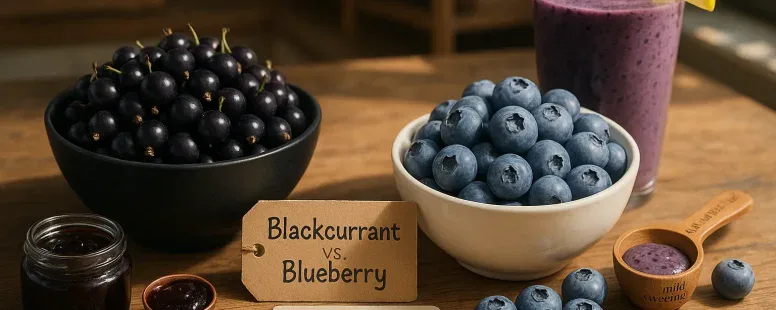
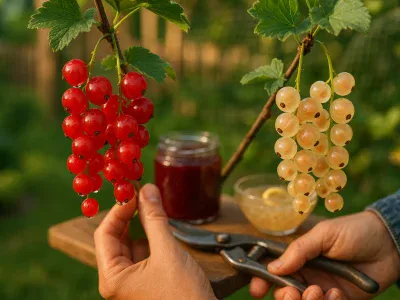
You’ll notice blackcurrants and blueberries look similar at a glance, but they offer very different nutrition, flavor, and uses. One berry packs a sharper, tart punch and a higher vitamin C load: the other brings mellow sweetness and broad availability. This comparison walks you through the facts, taste, nutrients, growing needs, health effects, and practical buying tips, so you can pick the right berry for your goals, recipes, or garden. Read on to discover surprising advantages of each and the real trade-offs that matter.
Nutritional Profiles Side By Side
Fact: Blackcurrants contain more vitamin C and certain anthocyanins: blueberries offer slightly fewer vitamins but are rich in other polyphenols.
Macronutrients, Vitamins, And Minerals
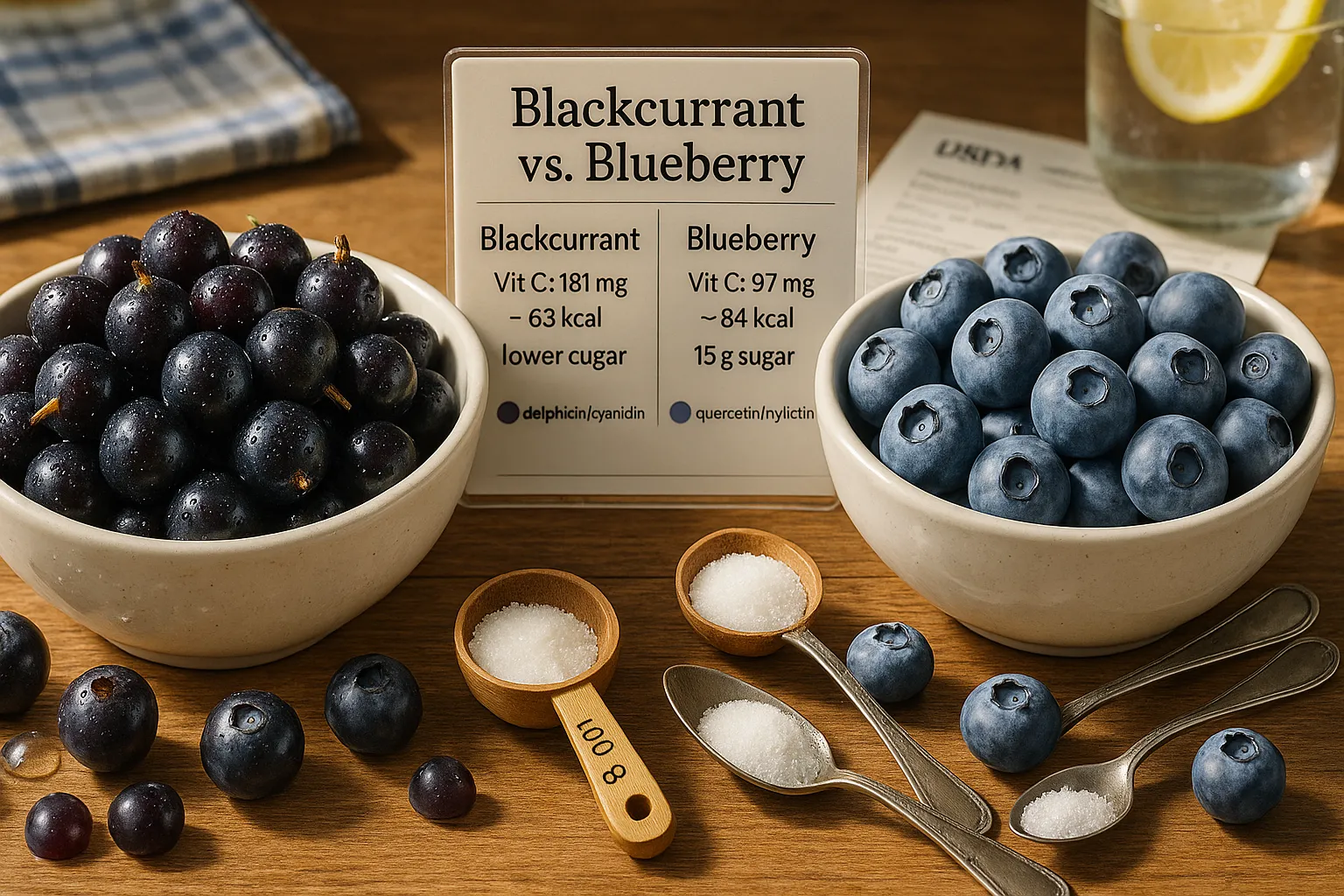
Blackcurrants and blueberries both provide fiber, vitamin C, and manganese, but their amounts differ. Per 100 g, USDA data shows blackcurrants provide about 181 mg vitamin C while blueberries give roughly 9.7 mg. Blueberries supply slightly more carbohydrates from natural sugars and a bit more calories (about 57 kcal vs. 63 kcal depending on source). Blackcurrants are higher in potassium and iron compared to typical blueberry values. When you pick a berry for vitamin density, blackcurrant wins: for lower acidity and milder flavor, blueberry is better.
Antioxidants, Phytochemicals, And ORAC Values
Blackcurrants are richer in certain anthocyanins like delphinidin and cyanidin. Blueberries contain diverse flavonoids such as quercetin and myricetin. ORAC (oxygen radical absorbance capacity) tests often place blackcurrants higher than blueberries, but ORAC is a lab measure that does not fully predict effects in humans. Clinical trials instead track biomarkers like oxidative stress and inflammation. For research summaries, see reviews in the Journal of Nutritional Biochemistry and meta-analyses that compare berry polyphenols.
Calories, Sugar Content, And Serving Size Considerations
Fact: Per common serving, calories and sugar are close, but portion matters. One cup of blueberries (about 148 g) gives ~84 kcal and ~15 g sugar. A 100 g serving of blackcurrants has around 63 kcal and nearer 7–9 g sugar depending on ripeness. If you monitor sugar intake, frozen unsweetened blackcurrants or using them in small amounts as a sauce can keep sugar lower. Remember: dried or sweetened products spike sugar and calories quickly.
Flavor, Texture, And Culinary Uses
Fact: Blackcurrants are tart and aromatic: blueberries are sweet and juicy. Your choice will shape the dish.
Taste Descriptions And How They Perform In Recipes
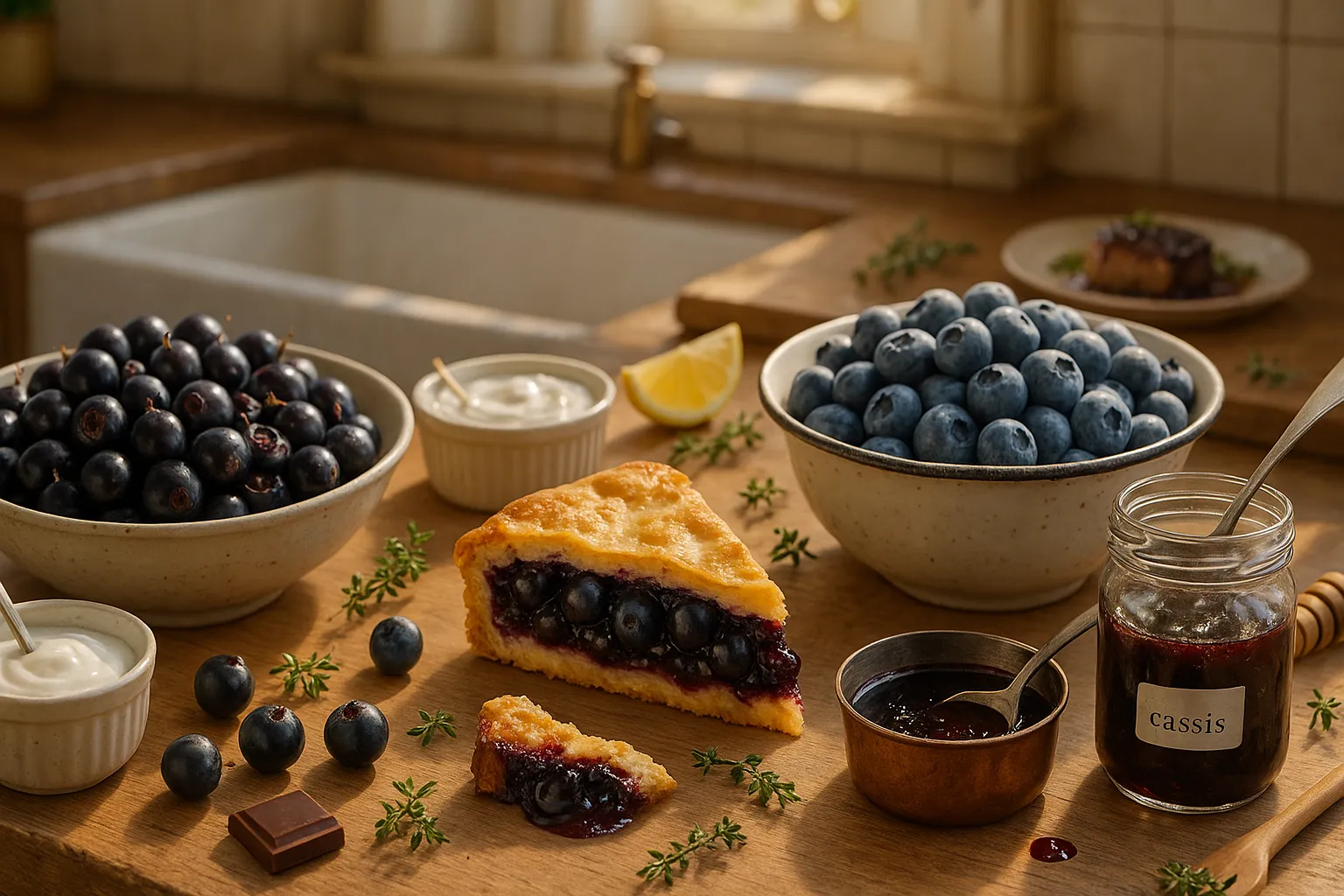
Blackcurrants taste sharp, tangy, and floral. They bring astringency and high acidity that cut through rich flavors. Blueberries taste mild, sweet, and slightly floral with a plump, juicy mouthfeel. In a pie, blueberries keep moisture and give a gentle sweetness: blackcurrants make a more assertive, tangy filling that often needs added sugar or pairing with cream.
Best Uses: Fresh Eating, Baking, Sauces, And Preserves
Fact: Use blueberries for fresh snacks and uncomplicated baking: use blackcurrants for bold sauces and preserves. You’ll eat blueberries raw in yogurt or salads. You’ll more often cook blackcurrants into syrups, jams, or cordial. In baking, blueberries hold structure in muffins and cakes. Blackcurrants excel in concentrated forms: jams, coulis, and liqueurs like cassis (a French blackcurrant liqueur). Cassis is a named-entity example you might encounter in recipes.
Pairings With Sweet, Savory, And Beverage Applications
Fact: Each berry pairs differently. Blueberries pair with lemon, cinnamon, oats, and mild cheeses. Blackcurrants pair with dark chocolate, red meats (think lamb), gin, and tart dairy like Greek yogurt. Use blueberries in smoothies and pancakes. Use blackcurrants in sauces for game, in cocktails, or blended into vinaigrettes for a sharp lift. Don’t be afraid to mix them: a blueberry-blackcurrant compote gives balance, sweetness and bite.
Cultivation, Varieties, And Seasonal Availability
Fact: Blueberries are farmed widely in North America and Chile: blackcurrants thrive in cooler Europe and parts of New Zealand.
Growing Conditions, Hardiness, And Major Producing Regions
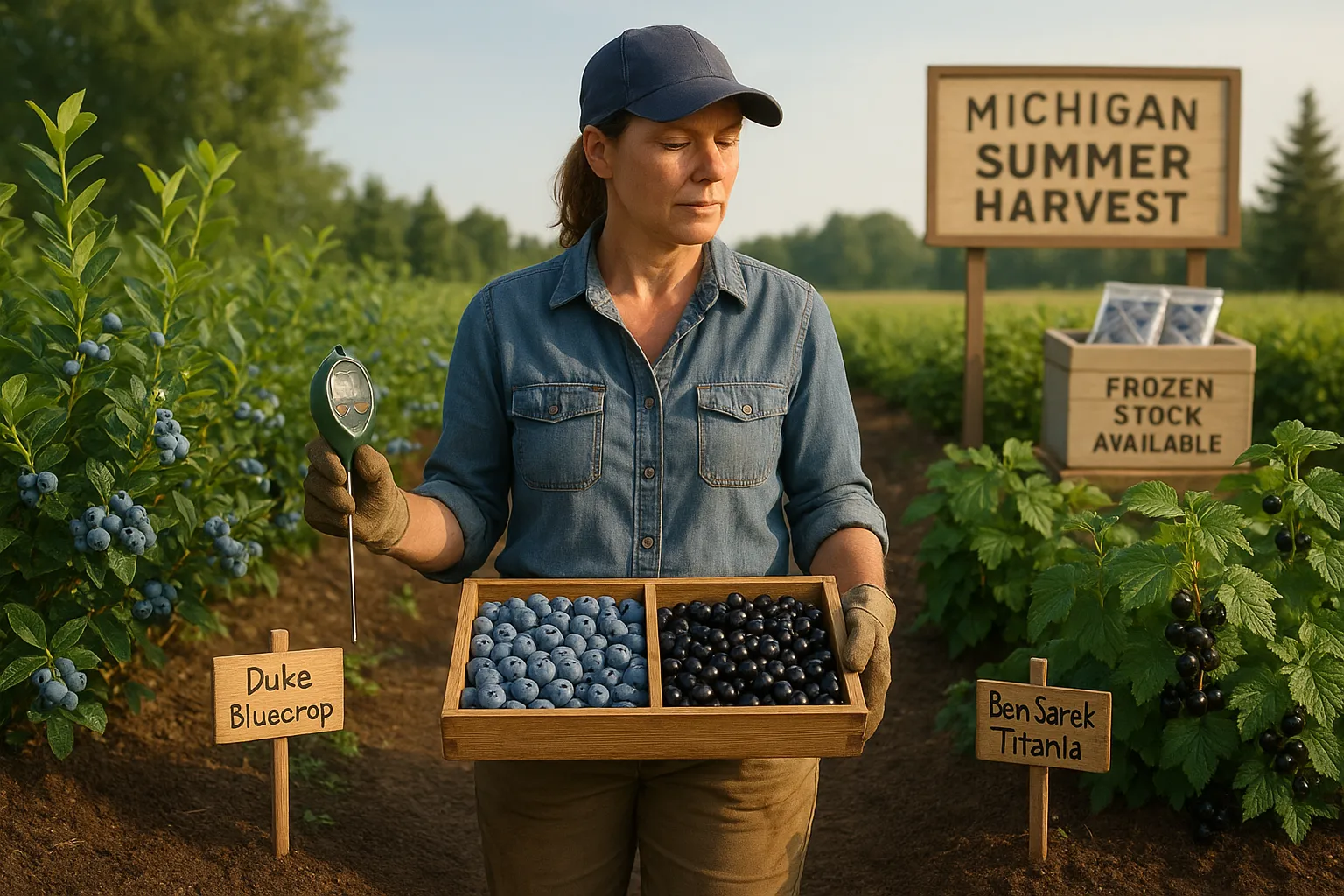
Blueberries (Vaccinium spp.) prefer acidic, well-drained soils and are a major crop in the United States (Michigan, Oregon), Canada, and Chile. Blackcurrants (Ribes nigrum) are hardy shrubs grown extensively in the United Kingdom, Poland, Russia, and New Zealand. Blackcurrants tolerate colder winters and shorter growing seasons. If you garden, blueberries need pH around 4.5–5.5: blackcurrants accept a wider pH but appreciate consistent moisture.
Popular Varieties And How They Differ
Fact: Variety changes flavor, size, and harvest timing. For blueberries, ‘Duke’, ‘Bluecrop’, and ‘Legacy’ are common cultivars with differences in sweetness and firmness. For blackcurrants, ‘Ben Sarek’, ‘Ben Lomond’, and ‘Titania’ vary in berry size and disease resistance. ‘Duke’ yields early-season medium-sweet berries good for fresh markets. ‘Ben Sarek’ gives large, aromatic berries favored for processing.
Seasonality, Harvesting, And Year-Round Availability (Fresh Vs. Frozen)
Fact: Blueberries have a longer fresh season in many markets: blackcurrant fresh season is shorter but both are widely frozen. Fresh blueberries are typically available late spring through summer in Northern Hemisphere markets: blackcurrants peak mid-summer and have limited fresh availability in some U.S. regions because of past cultivation restrictions. Frozen berries retain much of their nutrients and allow year-round use. If fresh is essential, check farmers markets or sources like New Zealand imports in winter months.
Health Benefits, Risks, And Evidence From Research
Fact: Both berries support health through antioxidants: human modest benefits for cardiovascular and cognitive markers.
Cardiovascular, Cognitive, And Immune Effects Backed By Studies
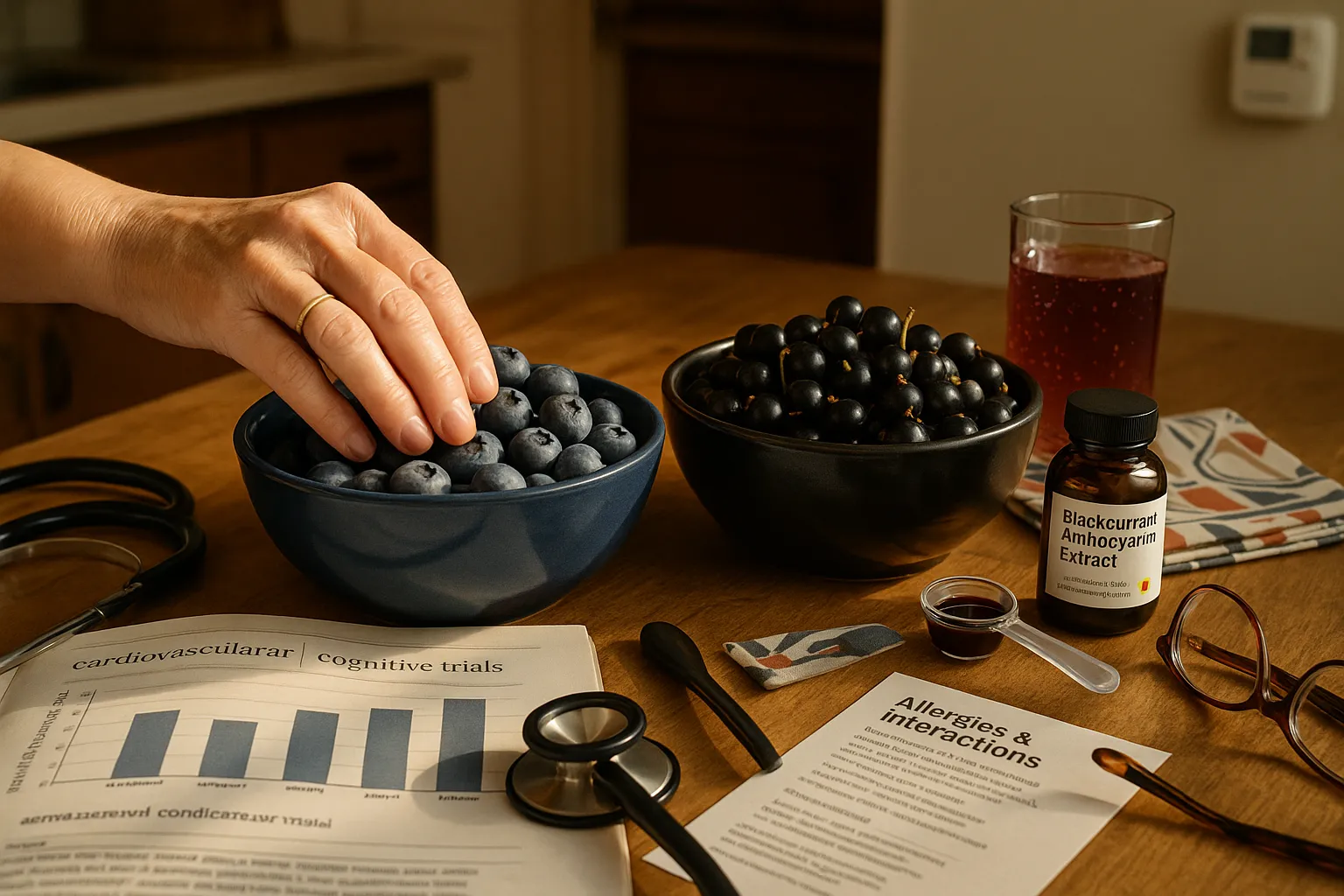
Evidence: Randomized trials and observational studies link berry intake to improved endothelial function, reduced blood pressure, and better cognitive test scores. Blueberries have been studied for improving memory in older adults (see trials led by Dr. Robert Krikorian at University of Cincinnati). Blackcurrant extracts show promise in improving blood flow and reducing inflammation in short-term trials: supplements like blackcurrant anthocyanin extracts appear in research from the UK and Japan. Still, effects are moderate, berries help when you include them as part of a balanced diet, not as miracle cures.
Allergies, Interactions, And Potential Side Effects
Fact: Both berries are low-allergen foods, but reactions can occur. True allergies to berries are uncommon: oral allergy syndrome (cross-reaction with pollen) can cause itching for some people. Blackcurrant oil supplements may interact with blood thinners because of high omega-6 content in certain extracts, consult your clinician if you take anticoagulants. Excess intake of concentrated juices can raise caloric and sugar load, so watch portion sizes. If you have kidney issues, check potassium from frequent servings of certain berries.
Practical Buying, Storage, And Preparation Tips
Fact: Choose berries that look plump and avoid mushy or moldy clusters. Handling matters more than minor varietal differences.
How To Select Quality Fruit In Stores Or Markets
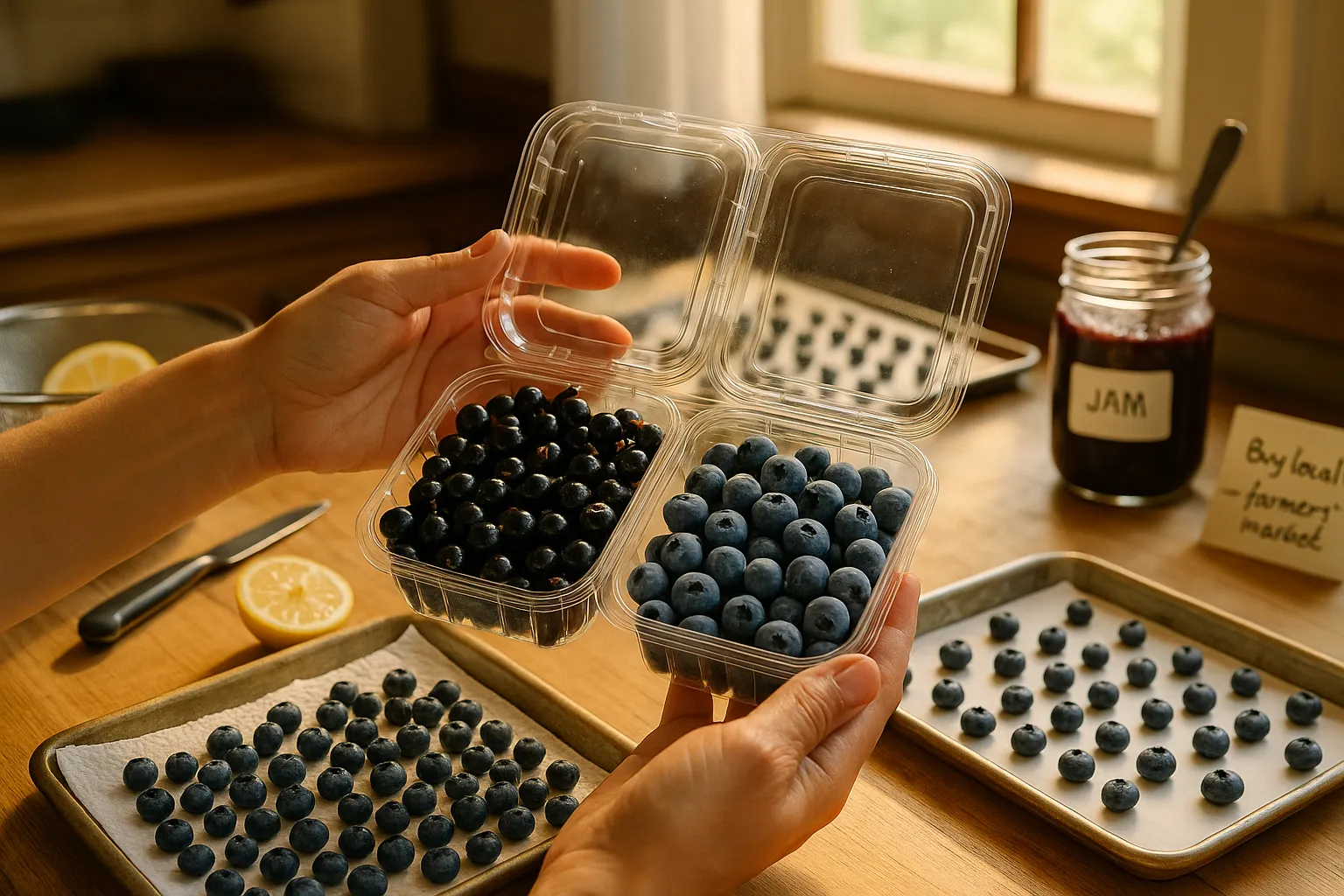
Look for firm, evenly colored berries. For blackcurrants, a deep glossy black color indicates ripeness. For blueberries, a uniform blue-gray bloom (a powdery coating) shows freshness. Smell the fruit, blackcurrants will smell stronger. Buy local when possible: farmers markets often sell fresher fruit. When buying packaged berries, turn the container gently: you want firmness and no liquid pooling.
Storage Methods: Refrigeration, Freezing, And Preserving
Short fact: Refrigerate for immediate use: freeze for long-term storage: cook into preserves for shelf stability. Refrigerate berries in a single layer on a paper towel-lined tray for 3–7 days. Freeze by spreading berries on a tray, flash-freezing, then transferring to airtight bags, this prevents clumping. To preserve, make jam, syrup, or freeze as puree in ice cube trays. Pasteurized store-bought preserves last months unopened: homemade jam keeps in the fridge for weeks.
Preparation Tips: Cleaning, Cooking Times, And Recipe Swaps
Fact: Rinse berries gently and dry: blackcurrants may need destemming. Rinse under cold water right before use. Pick off stems from blackcurrants: blueberries often come stem-free. Cooking times: blueberries soften quickly and release juice in 10–15 minutes when heated: blackcurrants take slightly longer to break down and release pectin, which helps set jams. Swap tips: use blackcurrant jam in place of cranberry sauce for turkey, or swap blueberries for blackcurrants in muffins if you reduce sugar and add a splash of lemon to balance tartness.
Choosing Between Blackcurrant And Blueberry: Which Is Right For You?
Fact: Choose blackcurrants if you want higher vitamin C and bold flavor: choose blueberries for mild sweetness and broad availability.
Decision Factors: Taste Preference, Nutrition Goals, And Culinary Needs
If your goal is vitamin C or intense anthocyanins for sauces and beverages, pick blackcurrants. If you prefer a friendly snack, smoothies, or classic baking, pick blueberries. For weight or calorie control, servings are similar, focus on portion size. If you want antioxidant diversity, rotate both into your diet.
Cost, Availability, And Sustainability Considerations
Fact: Blueberries are often cheaper and easier to find: blackcurrants can be pricier and more seasonal in some regions. Blueberry production expanded globally (US, Chile, Mexico), which keeps prices competitive. Blackcurrant farming is smaller-scale in many markets: imported blackcurrant products may carry higher costs. For sustainability, look for organic options from trusted producers or local farms to reduce transport footprint. If cost is a factor, frozen berries often offer the best value and nutrition retention.
To provide the best experiences, we use technologies like cookies to store and/or access device information. Consenting to these technologies will allow us to process data such as browsing behaviour or unique IDs on this site. Not consenting or withdrawing consent, may adversely affect certain features and functions.
Functional
Always active
The technical storage or access is strictly necessary for the legitimate purpose of enabling the use of a specific service explicitly requested by the subscriber or user, or for the sole purpose of carrying out the transmission of a communication over an electronic communications network.
Preferences
The technical storage or access is necessary for the legitimate purpose of storing preferences that are not requested by the subscriber or user.
Statistics
The technical storage or access that is used exclusively for statistical purposes.The technical storage or access that is used exclusively for anonymous statistical purposes. Without a subpoena, voluntary compliance on the part of your Internet Service Provider, or additional records from a third party, information stored or retrieved for this purpose alone cannot usually be used to identify you.
Marketing
The technical storage or access is required to create user profiles to send advertising, or to track the user on a website or across several websites for similar marketing purposes.