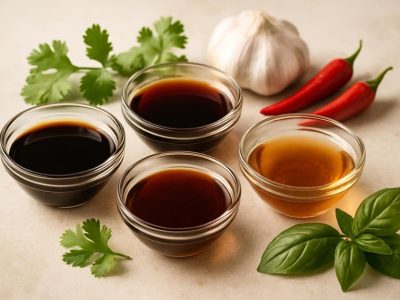
Worcestershire sauce delivers a compact burst of umami, tang, and faint sweetness that can lift a burger, braise, or Bloody Mary. When you run out, or avoid anchovies, you don’t have to abandon the dish. This guide shows clear, practical swaps, store-bought, single-ingredient fixes, and three simple homemade sauces, that match the key flavors and work across recipes. You’ll learn exact ratios, flavor-adjustment tactics, and storage tips so your replacement tastes intentional, not accidental.
Why You Might Need A Substitute
Fact: People look for a Worcestershire sauce substitute for medical, dietary, or pantry reasons. You might be out of the bottle, cooking for vegans, avoiding gluten, or trying to reduce sodium. Restaurant kitchens also swap it when the brand runs dry.
Worcestershire has a distinct profile, anchovy-based umami, vinegar tang, molasses sweetness, and spices. If you miss it, you notice an empty space in savory depth. But substitutes can recover that depth using common condiments like soy sauce, fish sauce, balsamic, or miso. Some deliver identical saltiness: others add complementary notes.
Practical scenarios: you’re making a marinade and need the dark-sour backbone, you’re stirring a stew and want a quick umami boost, or you’re mixing a dressing but must avoid anchovies. Each case needs a different substitution approach, which this article will map out .
Key Flavor Components To Match
Fact: Worcestershire’s flavor has four parts you should match: umami, acidity, sweet/molasses notes, and spice complexity.
Umami: Anchovies (or fermented soy/miso) provide savory depth. Named entities: Lea & Perrins (original Worcestershire), anchovy paste, miso, Marmite.
Acidity: Distilled vinegar and tamarind add brightness and astringency.
Sweetness and body: Molasses or brown sugar rounds the edges.
Spices and aromatics: Garlic, onion, cloves, and black pepper add lift.
Start each substitution by identifying which component the recipe most needs. A steak marinade wants umami and molasses: a vinaigrette needs acidity and a touch of sweet. That clarity guides which single ingredient or mix you choose.
Quick Store-Bought Substitutes
Fact: Several common condiments can stand in for Worcestershire with minimal mixing.
Common Condiment Mixes For A Fast Swap
Soy sauce + vinegar + sugar: Mix 2 parts soy sauce, 1 part white or apple cider vinegar, and a pinch of brown sugar. This gives umami, acidity, and sweetness. Use low-sodium soy to control salt.
Fish sauce + balsamic: Combine 2 tsp fish sauce with 1 tsp balsamic vinegar for 1 tbsp Worcestershire. Fish sauce adds anchovy depth: balsamic adds molasses-like sweetness.
Steak sauce (A1 or similar): Use straight as a 1:1 replacement in marinades and sauces. It mimics the savory-sour profile but often has a different spice blend.
Single-Ingredient Alternatives And When To Use Them
Soy sauce (Kikkoman, Yamasa): Use when you need pure salty-umami with liquid thinness. It lacks vinegar and sweetness.
Fish sauce (Red Boat, Three Crabs): Use when anchovy flavor is essential, soups and Asian marinades. It is potent: start small.
Balsamic vinegar: Use when sweetness and acidity are desired, like in dressings or glazes.
Tamari: Use for gluten-free needs. It behaves like soy sauce but often richer.
Miso paste (white or red): Dissolve miso in a bit of water to add fermented depth to stews.
These items are widely available and let you quickly rescue a recipe without fuss.
Fact: You can make an effective Worcestershire-style sauce with pantry staples in under 15 minutes. Below are three recipes that start with a clear goal and list exact measures.
Basic Pantry Recipe (All-Purpose Replacement)
Ingredients: 1/4 cup soy sauce, 2 tbsp apple cider vinegar, 1 tbsp molasses or dark brown sugar, 1 tsp Dijon mustard, 1/2 tsp onion powder, 1/4 tsp garlic powder, pinch black pepper.
Method: Mix everything in a jar and let sit 10 minutes. Use 1:1 in recipes that call for Worcestershire. This version gives balanced umami, acidity, and sweetness: it suits burgers, sauces, and marinades.
Vegan/Anchovy-Free Version
Ingredients: 1/4 cup tamari, 2 tbsp apple cider vinegar, 1 tbsp pomegranate molasses or date syrup, 1 tsp soy-free miso (white), 1/4 tsp smoked paprika, pinch clove.
Method: Whisk until smooth. Taste for salt and add a dash of liquid smoke if you want a meaty note. Use in vegan stews, dressings, and marinades.
Method: Combine and adjust sweetness. Omit anchovy paste to keep it vegetarian. This version works well in braises and BBQ sauces.
Tip: Label jars with date. These mixes keep a week in the fridge: some last longer if you add a small splash of vinegar as a preservative.
Substitute Ratios And How To Adjust Flavor
Fact: Use a 1:1 volume ratio for most substitutes, then adjust to taste. Start smaller with strong ingredients like fish sauce.
How Much To Use Compared To Worcestershire Sauce
Mild swaps (soy, tamari): Use 1 tablespoon substitute per 1 tablespoon Worcestershire.
Strong swaps (fish sauce, anchovy paste): Use 1/2 to 3/4 tablespoon per 1 tablespoon Worcestershire: add vinegar or molasses to round out.
Steak sauce or bottled substitutes: Use 1:1.
Always add less first. You can always add more, but you can’t take flavor away easily.
Balancing Umami, Sweetness, Acidity, And Salt
Fact: Taste changes with cooking. Acidity mellows in long braises: sweetness concentrates in reductions. Adjust like this:
To boost umami: Add 1/4 tsp anchovy paste, 1 tsp miso, or a dash of fish sauce.
To add acidity: Add 1/4 tsp vinegar or a squeeze of lemon.
To add sweetness/body: Add 1/4 tsp molasses or brown sugar.
To reduce salt: Dilute with water or unsalted stock and add a touch more acid and sweetness to keep balance.
If a sauce tastes flat, a tiny pinch of baking soda will neutralize excess acid, but use carefully, it changes flavor. Rely on small increments and tasting.
Substitutes For Specific Uses And Cuisines
Fact: The best substitute depends on the dish context, marinade, braise, or dressing.
Marinades And BBQ Sauces
Use: Molasses + soy/tamari + vinegar + a dash of fish sauce or anchovy paste. For example, mix 2 tbsp soy, 1 tbsp molasses, 1 tbsp cider vinegar, 1/4 tsp fish sauce. This creates the caramelized, savory base a good BBQ needs.
Soups, Stews, And Braises
Use: Miso dissolved in stock or 1 tsp anchovy paste per cup of liquid. These deliver sustained umami that mixes into long-cooked flavors. Add vinegar near the end for brightness.
Salad Dressings And Dips
Use: Soy sauce + balsamic or a small amount of Dijon + a touch of honey. For a Caesar-style dip without anchovies, use vegan miso plus lemon and capers to mimic briny depth. These swaps keep dressings bright without overpowering the greens.
Practical Tips, Storage, And Safety Notes
Fact: Homemade Worcestershire-style mixes store well refrigerated and will usually keep 1–3 weeks: commercial products last longer.
Storing Homemade Replacements And Shelf Life
Refrigerate in a sealed jar. Most vinegar-and-soy based mixes last 2–3 weeks. Miso-based mixes last up to a month because miso is fermented.
Freeze small portions in ice cube trays for up to 3 months. Thaw a cube into sauces or stews.
Always smell and discard if you detect off odors, mold, or odd fizz, signs of spoilage.
Labeling, Allergens, And Buying Tips For Store Products
Label jars with ingredients and date. Note allergens like fish, soy, wheat, and gluten.
If you need gluten-free, buy tamari brands that state “gluten-free.” If you avoid anchovies, check labels, some Worcestershire brands contain anchovy.
For an authentic similar flavor, try Lea & Perrins or compare ingredient lists on bottles. Choose low-sodium soy or reduced-salt fish sauce when managing salt intake.
Warning: Fish sauce and anchovy paste are high in histamines and may trigger reactions in sensitive people. Always check ingredient lists if you or guests have allergies.
Practical final note: keep a small jar of your preferred homemade mix in the fridge. You’ll reach for it before you reach for excuses.
To provide the best experiences, we use technologies like cookies to store and/or access device information. Consenting to these technologies will allow us to process data such as browsing behaviour or unique IDs on this site. Not consenting or withdrawing consent, may adversely affect certain features and functions.
Functional
Always active
The technical storage or access is strictly necessary for the legitimate purpose of enabling the use of a specific service explicitly requested by the subscriber or user, or for the sole purpose of carrying out the transmission of a communication over an electronic communications network.
Preferences
The technical storage or access is necessary for the legitimate purpose of storing preferences that are not requested by the subscriber or user.
Statistics
The technical storage or access that is used exclusively for statistical purposes.The technical storage or access that is used exclusively for anonymous statistical purposes. Without a subpoena, voluntary compliance on the part of your Internet Service Provider, or additional records from a third party, information stored or retrieved for this purpose alone cannot usually be used to identify you.
Marketing
The technical storage or access is required to create user profiles to send advertising, or to track the user on a website or across several websites for similar marketing purposes.