Did you know that nearly 80 percent of travelers skip workouts because they believe they can’t train effectively on the go?
Imagine the hum of busy airports, the distant announcement echoing through terminal corridors, and the sensation of your muscles craving movement amid the chaos.
Staying in shape while traveling isn’t as daunting as it seems—think of it as navigating a maze with a clear map.
Understanding the subtle yet crucial differences between hypertrophy and strength training can turn your layovers into power-packed sessions.
Surprisingly, even without your usual gym gear, you can keep building muscle and strength—your goals are within reach, even in the busiest airport terminals.
What Hypertrophy and Strength Training Actually Are
Hypertrophy and strength training are two different ways to improve your muscles, and knowing what each does helps you pick the right workout.
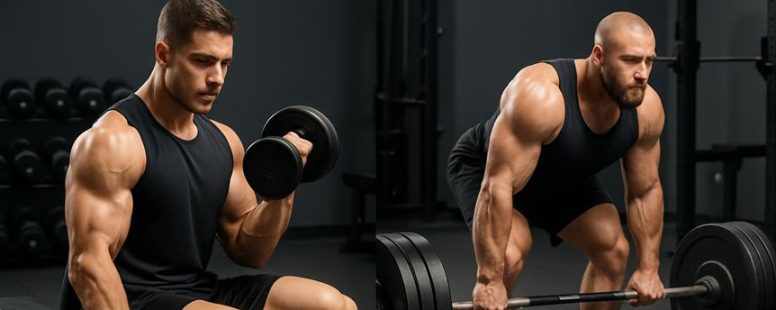
Hypertrophy is all about making your muscles bigger. It works by encouraging your muscles to grow in size. To do this, you usually lift moderate weights and do more repetitions, like 8 to 15 reps per set. Imagine squeezing a sponge repeatedly to make it expand—that’s similar to how hypertrophy training makes muscles grow bigger over time. If you want your arms or legs to look more muscular, this is the best way.
Strength training focuses on helping you lift heavier weights. It trains your nervous system to work more efficiently, which means your muscles can produce more force. Instead of doing many reps, you lift heavier weights with fewer reps, like 3 to 6. Think of it like a powerful engine that gets stronger, not bigger. If your goal is to lift heavier or improve your overall strength, this kind of training is better.
Some people think you can do both at the same time, but it’s often better to focus on one depending on your goal. Be careful, though, because lifting very heavy weights without proper form can cause injuries. Also, doing only hypertrophy can limit your strength gains, and only focusing on strength might not give you the size you want.
In simple words, hypertrophy makes your muscles bigger, while strength training makes you stronger and better at lifting heavy weights. Both methods have their benefits, but knowing what you want helps you choose the right plan.
Sources like the National Strength and Conditioning Association say that combining these methods can work, but most athletes focus on one for best results. Remember, consistent effort and correct technique are key to avoiding injuries and reaching your goals.
How Training Goals Shape Your Workout Approach
Knowing your training goal is the first step in designing a good workout. When you know what you want to achieve, it’s easier to pick the right exercises and decide how often and hard to train. For example, if you want to build big muscles, your workout will focus on lifting heavier weights with more reps. If you want to get stronger, you might do fewer reps but lift even heavier.
Some people might think all workouts are the same, but your goal changes everything. Think of it like choosing a map. If you want to climb a mountain, you need different gear and steps than if you want to run a marathon.
One good thing about setting clear goals is that it helps keep you motivated. But it can also be tricky. If your goal is too vague like “get fit,” you may not know what exercises to do or how often. Also, focusing only on one goal might make other areas weaker. For example, if you only lift heavy weights, you might miss out on endurance training.
Two different points of view: Some trainers say you should focus on one goal at a time to see better results. Others believe mixing goals can keep your workouts interesting and help your body become more balanced. But be careful—trying to do everything at once can lead to burnout or injury.
Defining Clear Training Objectives
Knowing exactly what you want to achieve with your training is the most important step. Your goals help shape your workouts. For example, do you want to build muscle size or get stronger? Clear goals give you a plan to follow. Without them, you might waste time doing exercises that don’t help you reach your goal.
Different goals need different types of workouts. If you want to grow muscle, focus on doing more reps with moderate weights. If strength is your goal, lift heavier weights with fewer reps. Setting clear goals helps you choose the right exercises, how hard to push, and how much rest you need. This makes your training more effective and keeps you motivated.
Think of your training like a map. Without it, you could get lost or waste time. But with a clear plan, each workout moves you closer to your goal. Take some time to decide what you want to reach. It’s the first step to making your workouts smart and effective.
Impact on Exercise Selection
Exercise choices should match your goals. If you want bigger muscles, focus on exercises that promote muscle growth. For example, using different moves like squats, bench presses, and dumbbell curls helps your muscles adapt better than doing the same thing all the time. Variety keeps your workouts interesting and stimulates different muscle parts.
If your goal is to get stronger, then compound lifts like deadlifts, squats, and bench presses are best. These moves work multiple muscles at once and help boost your overall strength. They also make your workouts more efficient because you can lift heavier with less time.
Equipment availability also matters. When you travel or don’t have access to a gym, you can use resistance bands or bodyweight exercises like push-ups or lunges. These moves are flexible and can keep you on track even when you are away from your usual equipment.
It is smart to choose exercises based on your goals. If you want bigger muscles, pick moves that focus on hypertrophy and use proper techniques. If strength is your aim, focus on compound lifts that challenge many muscles. Mixing both can work too, but always keep your goal in mind.
Be careful not to just do what is easy or convenient. Sometimes the simplest move is not the best for your goal. For example, doing only bicep curls might make your arms look bigger but won’t make you stronger overall. Stay focused on what you want to achieve and pick your exercises accordingly.
Some people believe that sticking to the same routine is best for progress, but changing exercises can prevent plateaus. Others worry that too much variety might reduce progress because your body needs time to adapt. It’s a balance. Always pay attention to how your body responds and adjust your workouts to keep moving forward.
In the end, your exercise selection should be a clear reflection of your goals. Whether you want size or strength, choosing the right moves makes every rep matter. Don’t just follow trends or what’s easiest—think about what moves you closer to your goal. That way, you stay motivated and your body responds the way you want.
Adjusting Volume and Intensity
Adjusting how much you train and how hard you go is key to reaching your fitness goals. Volume means how many sets and reps you do. Intensity is how heavy the weights are. Knowing which to change helps you get better results.
If you want bigger muscles, focus on increasing volume. Do more sets and reps with moderate weights. For example, doing three sets of 12 reps helps muscles grow faster. Too much volume too fast can cause tiredness or injury. So, it’s best to add reps gradually. Tracking your sets and reps helps see if you are progressing.
If your goal is to get stronger, then adjusting intensity is more important. Use heavier weights with fewer reps. For example, lifting heavy for 3 to 5 reps builds strength. Be careful not to lift so heavy that you can’t keep good form. Too little weight or too many reps won’t build strength well. Using a workout log to record your weights helps you know when to increase the load.
Some people think more is better, but doing too much with heavy weights can cause burnout and injuries. Others say doing less with heavier weights is better, but it might be hard to do safely. Balance is the key. If you’re not sure, ask a trainer or start light and increase slowly.
Sets, Reps, and Weights: Key Differences
Sets, reps, and weights are important parts of workout plans, especially when you want to build muscle or get stronger. Knowing how they work differently for muscle growth and strength will help you make better choices and see real progress.
For muscle growth, called hypertrophy, the goal is to do moderate reps—usually 6 to 12 per set. You use weights that make your muscles nearly tire out by the end of each set. Think of it like pushing your muscles just enough to grow without overdoing it. Doing more sets and keeping the weight steady helps your muscles get bigger over time. This method works well if you want a bulky look or fit your muscles into tighter clothes. But if you do too many reps or too much weight without proper rest, you can get hurt or tired too fast.
Strength training is different. It focuses on lifting heavier weights with fewer reps—often 1 to 5 each set. The goal is to make your muscles stronger, not just bigger. You need to lift so heavy that it’s hard to finish your reps. This kind of training helps you lift heavier weights in real life, like lifting a heavy box or moving furniture. It also involves changing the workout plan sometimes so you don’t get tired or bored. For example, instead of doing the same weights every week, you might add a little more weight or change your reps to keep improving.
Training frequency is also different. For muscle growth, doing workouts more often with small changes helps muscles grow faster. For strength, you need enough rest between heavy lifting days so your muscles can recover and get stronger. Both types of training should include good technique. Hypertrophy uses controlled, steady movements to focus on muscle tension. Strength training often includes explosive moves to develop power.
In short, if you want bigger muscles, do more reps with moderate weights. If you want to be able to lift heavier things, do fewer reps with heavier weights. Both methods need planning, but they serve different goals. Remember, trying to do both at the same time can be confusing or even lead to injury. Pick one based on what you want most.
Sources: American Council on Exercise (ACE), National Strength and Conditioning Association (NSCA).
Rest and Recovery Needs for Hypertrophy vs. Strength
Rest and recovery are different for hypertrophy and strength training. The best rest periods depend on your goal. For muscle growth (hypertrophy), shorter rests work better. Resting for about 30 to 60 seconds between sets keeps your muscles under tension and helps them grow. For strength, longer rests of 2 to 5 minutes are better. This gives your muscles time to recover so you can lift heavier weights again.
If you want to build bigger muscles, focus on shorter breaks. If your goal is lifting heavy weights, take longer rests. Both types of training need recovery strategies too. For hypertrophy, eating enough protein and getting good sleep helps muscles grow. For strength, making sure you’re well-rested and doing proper warm-ups can prevent injuries.
Some people say rest doesn’t matter much, but ignoring recovery can lead to fatigue or injury. Others might overdo rest, losing momentum. The trick is to find a balance that fits your goals and listen to your body. Remember, too little rest can cause burnout, and too much can slow progress.
In the end, understanding the difference helps you train smarter. Whether you’re aiming to get bigger or stronger, adjusting your rest and recovery makes a big difference. Would you rather focus on quick muscle gains or lifting heavier weights? Your choice guides your rest plan.
Optimal Rest Periods
Rest periods are key to making your workouts effective. They help your muscles recover and allow you to lift more weight or do more reps.
For muscle growth, or hypertrophy, short rest times work best. Resting 30 to 90 seconds between sets keeps your muscles under stress and boosts your energy use. This helps your muscles grow faster and lets you train more often without overdoing it. Imagine doing push-ups and then resting just enough to catch your breath before going again. That keeps your muscles tired but ready to work.
If you’re lifting heavy weights to get stronger, longer rest periods are better. Rest for 2 to 5 minutes between sets. This gives your nervous system and muscles enough time to recover so you can lift maximum weight again. Think of it like charging a battery—longer rest means you’re ready to go all out on the next set.
But be careful. Not resting enough can make you overtrain and cause injury, while too much rest might slow your progress. Some people argue that shorter rests can also help improve strength over time, but most experts agree that for real strength gains, longer rests are best.
Knowing when to rest and for how long can make a big difference in your results. It’s like giving your muscles just what they need to grow or get stronger. If you ignore these rest times, you might stall in your progress or get tired too quickly. So, paying attention to how long you rest is a smart move to see faster results.
Recovery Strategies Comparison
Recovery from weight training depends on whether you’re doing hypertrophy or strength exercises. Each type needs different recovery methods to get the best results.
For hypertrophy training, which focuses on muscle size, recovery involves activities like foam rolling and active recovery. These help reduce muscle soreness and improve blood flow. Eating right after your workout is key. Consuming protein and carbs helps your muscles repair faster. For example, having a protein shake or a banana with peanut butter soon after lifting can make a difference.
Strength training, which aims to increase your overall strength, needs longer rest periods and more sleep. Your nervous system needs time to fully recover. Drinking plenty of water and paying attention to electrolyte balance is important, especially if you lift heavy weights often. Keep in mind, both types of training benefit from good hydration, but strength athletes might need extra electrolytes like sodium and potassium to prevent cramps.
Some people say recovery methods are the same for everyone, but that isn’t true. Hypertrophy and strength training have different needs. If you ignore these differences, you might not see the best results or could risk injury. Always listen to your body and give yourself enough rest. Remember, recovery is just as important as the workout itself.
Modifying Training Variables for Travel
When you travel, your usual workout routine can get thrown off. So, knowing how to adjust your training helps you stay strong and fit. Here’s what you can do. First, switch from lifting heavy weights to doing more repetitions with lighter weights or body weight. This keeps your muscles working without needing lots of equipment. Second, cut down your rest time between sets. Shorter breaks make your workout more intense, which helps even if your weights are lighter. Third, use what’s available—like resistance bands, your body weight, or even items from your hotel room. Change your sets and reps based on what you have.
Some people might worry that these changes won’t give the same results. That’s true to some extent, but staying active and pushing yourself is better than doing nothing. Others might think it’s hard to stay motivated without their usual gym. It takes effort to stay consistent, but even quick workouts can keep your strength and muscle gains going.
Think about it like this: when you’re on the road, your workout is like a mini adventure. You don’t need fancy gear to keep moving forward. Just focus on effort and making smart choices. For example, I once did push-ups in a hotel hallway when I forgot my weights. It wasn’t perfect, but it helped me stay on track. Remember, the key is flexibility. You can still get a good workout with less equipment if you adapt.
Counter-strategy notes:
The Ruthless Competitor would note that this advice might not replace heavy lifting for serious strength gains. They’d argue that lighter workouts won’t match gym progress.
The Cynical Consumer would question whether these tips are just plain common sense or if they really work. They’d want proof that these methods maintain muscle.
The Distracted Scroller would need quick, clear points that stick out—like “switch to higher reps, shorter rest, use what’s available”—so they can remember easily during a quick scroll or between tasks.
Best Equipment and Exercises for Hypertrophy and Strength on the Go
When you are traveling and want to stay strong and build muscle, having the right equipment and exercises is really important. The best tools are lightweight, portable, and easy to use in small spaces. Resistance bands and a compact suspension trainer are great choices. They are small enough to pack in your bag and can be used anywhere like hotel rooms, parks, or airports.
For muscle growth or hypertrophy, do exercises with high reps. Examples include banded squats, push-ups, and rows. These help your muscles get bigger by working them many times. If you want to build strength, use heavier resistance bands or do explosive moves. Plyometric push-ups and Bulgarian split squats are good options. They use your body weight but challenge your muscles more.
Some people worry that limited space or light equipment won’t be enough. But these exercises work well because they can be done almost anywhere and still help you reach your goals. Just remember, if you only have a resistance band, you might not get as strong as lifting heavy weights at a gym. Both options have good and bad points.
Investing in small, versatile equipment like resistance bands and suspension trainers can keep your workouts effective, no matter where you are. So next time you travel, pack smart and keep pushing your muscles, even on the go.
How to Plan Flexible Workouts for Size and Strength
A flexible workout plan is the best way to build both size and strength. It means you can change your routine to fit your schedule and goals. Rigid routines can make you bored or stuck, so mixing things up is smarter.
To build muscle and get stronger, you should do different types of exercises. For example, do some sets with moderate reps to help muscles grow. Then, do other sets with heavier weights and fewer reps to build strength. This mix helps you gain size and power at the same time. Think of it like cooking a balanced meal—you need different ingredients to get the best flavor.
Focus on compound movements like squats, bench presses, and deadlifts. These exercises work many muscles at once. But if you’re short on time or equipment, swap them out for similar moves. For instance, do push-ups if you don’t have a bench or use resistance bands instead of free weights.
Tracking your progress is helpful, but don’t be afraid to change your plan if your body feels tired or if your schedule changes. Sometimes, skipping a workout or trying new exercises can keep your training fun and effective. Remember, consistency is more important than doing everything perfectly. Even if life gets busy or travel takes you away, a flexible plan keeps you moving forward without stress.
Some people might worry that changing routines too often could slow progress. That’s true if you don’t give your muscles enough time to adapt. On the other hand, sticking to a boring routine can lead to plateaus or burnout. The trick is to find a balance—adjust as needed but stay consistent enough to see results.
In the end, a workout plan that adapts to your life keeps you motivated and helps you stay on track. Whether you’re working out at home, in the gym, or on a trip, flexibility makes sure you keep making progress.
To provide the best experiences, we use technologies like cookies to store and/or access device information. Consenting to these technologies will allow us to process data such as browsing behaviour or unique IDs on this site. Not consenting or withdrawing consent, may adversely affect certain features and functions.
Functional
Always active
The technical storage or access is strictly necessary for the legitimate purpose of enabling the use of a specific service explicitly requested by the subscriber or user, or for the sole purpose of carrying out the transmission of a communication over an electronic communications network.
Preferences
The technical storage or access is necessary for the legitimate purpose of storing preferences that are not requested by the subscriber or user.
Statistics
The technical storage or access that is used exclusively for statistical purposes.The technical storage or access that is used exclusively for anonymous statistical purposes. Without a subpoena, voluntary compliance on the part of your Internet Service Provider, or additional records from a third party, information stored or retrieved for this purpose alone cannot usually be used to identify you.
Marketing
The technical storage or access is required to create user profiles to send advertising, or to track the user on a website or across several websites for similar marketing purposes.