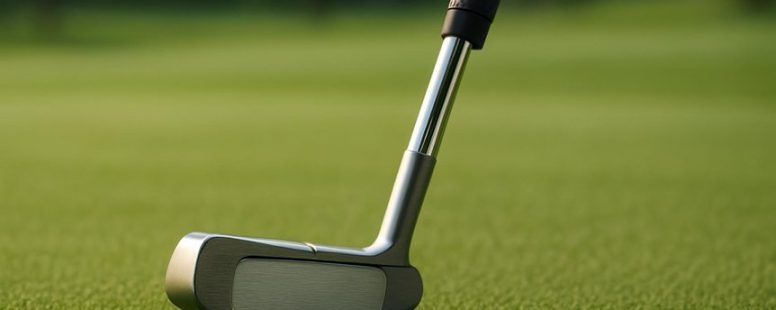
Best Beginners Putter
Imagine standing over a putt, the quiet hum of the ball rolling softly on the green. It’s a moment where confidence can make or break your game.
Choosing the right beginner’s putter isn’t just about style—it’s about unlocking a surprising advantage: improved stability that feels like your hands are an extension of your mind. Many new players overlook this, thinking any club will do, but that’s like trying to find your way with a flickering lantern.
By understanding the key features—length, weight, and grip—you can turn those nervy moments into smooth, confident strokes. The right putter transforms the green from a daunting challenge into a place of opportunity.
What Makes a Beginner’s Putter Different?
A beginner’s putter is a type of golf club made to help new players learn how to putt better. The main goal is to make putting easier and less frustrating. These putters have special features that help beginners get confident quickly.
One key difference is the size of the putter head. Beginner putters usually have larger heads and wider soles. This makes it less likely to twist or wobble if you hit the ball off-center. For example, a popular model like the Odyssey 2-Ball Putter has a big head that helps keep the putter steady. This is helpful because most beginners miss hits sometimes. The larger head helps keep your stroke more stable.
Another feature is alignment aids. Beginner putters often have clear lines or dots that show you where to aim. These help you line up your shot better and improve accuracy. Imagine trying to hit a target with a blurry sight — the alignment lines act like a clear sight, guiding your stroke.
Some people say that beginner putters are more forgiving, meaning they help even if your swing isn’t perfect. But others warn that these putters may not give you the best feel or control for long-term improvement. If you stick with just forgiving putters, you might miss out on developing better touch and finesse.
When choosing a beginner putter, look for features like a bigger head and good alignment lines. These can make starting golf more fun and less frustrating. But remember, a good putter alone won’t turn you into a pro. Practice and proper technique matter too.
In the end, the right beginner putter can boost your confidence and help you enjoy the game more. Just be careful not to think that buying a fancy club will instantly make you better. It’s all about finding what feels comfortable and helps you learn step by step.
How to Choose the Right Putter Length and Weight
Choosing the right putter length and weight is key to making your putting game better. If your putter is too long or too short, your stroke can feel awkward and less accurate. The best way to find the right fit is to start with your height and how you stand when you putt. Your hands should hang naturally below your shoulders.
Next, think about weight. A heavier putter can help you stay steady and reduce wobbling. Lighter putters might give you more control, but they can feel less stable. The trick is to try different sizes and weights to see what feels best for you. Don’t guess—test various options until you find a comfortable fit. This hands-on approach helps you develop a smooth stroke and build confidence on the green.
Why a Comfortable Grip Matters for Beginner Putters
A comfortable grip is essential for beginner putters because it helps control the stroke better. When your grip size doesn’t match your hand or the texture feels wrong, it can be hard to keep the putter steady. Choosing a grip that fits your hand well makes it easier to swing smoothly without slipping or cramping. For example, a grip that is too thick may squeeze your hands too tight, while a thin grip might cause your hands to slip during the stroke. The texture also matters—tacky grips like those from Golf Pride give confidence in wet or humid conditions, while slick grips might slide in your hands. Some players prefer soft rubber grips for comfort, but others like textured grips for better control.
There are two ways to look at this. Some say comfort is everything because if your hands are comfortable, your stroke becomes more consistent. Others warn that focusing only on comfort might lead to choosing grips that look good but don’t improve your game. It’s good to try different grips and see what feels best for you.
The Most Forgiving Putter Head Designs for Beginners
The best putter heads for beginners are usually mallet designs. These putters have a larger, more forgiving shape that helps keep your shots on target, even if you hit off-center. This is because they have perimeter weighting, which moves more weight to the edges of the club head. This helps stabilize your stroke and makes it easier to get the ball in the hole.
Another helpful feature is alignment aids. These are lines or markers on the putter that guide you to aim correctly. They make lining up your putts easier and build confidence, especially for new players.
Some people prefer blade putters because they feel more traditional. But for beginners, mallet putters often work better because they forgive mistakes and help you develop a consistent stroke. Brands like Odyssey and Ping make popular mallet putters that many beginners find helpful.
However, keep in mind that no putter is perfect. Some players might find mallets too heavy or bulky, and blades can give better control if you have a smooth, steady stroke. So, try both types to see what feels best.
In the end, choosing the right putter head depends on your style and comfort. For most beginners, mallet designs with perimeter weighting and good alignment aids are the best choices to improve your putting quickly.
Mallet vs. Blade
When choosing between a mallet and a blade putter head, the best option depends on what feels right for you.
Mallet putters are known for their stability and forgiveness. They have a larger, more rounded shape that helps keep your stroke steady. This can be helpful for beginners who want to make consistent putts. Mallets also tend to be heavier, which can give you more control over your stroke. Some brands, like Odyssey and Ping, make popular mallet putters that many golfers trust.
Blade putters, on the other hand, have a sleek, traditional look. They are lighter and may give you a more tactile feel. If you prefer feeling your stroke more, a blade might be better. They are often favored by more experienced players who want precise control. Brands like Titleist and Scotty Cameron offer well-known blade putters.
Both types have their pros and cons. Mallets can be more forgiving but may feel bulkier. Blades can give better feedback but might be less stable for some beginners. To find out what works best, try both types on the practice green. See which one feels more natural and gives you confidence. Remember, comfort and confidence are key when picking a putter.
Perimeter Weighting Benefits
Perimeter weighting is a design feature in putters that can make your putting more forgiving. It works by spreading weight around the edges of the putter head. This extra weight helps keep the putter stable during your stroke. If you hit the ball off-center, perimeter weighted putters are less likely to send the ball flying wildly off course. This makes them a good choice for beginners or anyone wanting better control.
Some popular brands, like Odyssey and Scotty Cameron, offer putters with perimeter weighting. These putters help reduce twisting and improve consistency. That means your putts are more likely to go straight, even if your stroke isn’t perfect. For example, if you miss the center of the club face, perimeter weighting helps keep your shot on target.
But there are some downsides too. Not all players prefer the feel of perimeter weighted putters. Some find them too heavy or less responsive. Also, they might be more expensive than standard putters. If you are a very experienced golfer, you might not need the extra forgiveness. However, if you are just starting out or want a more reliable putter, perimeter weighting can be a smart choice.
In the end, choosing a putter with perimeter weighting depends on what feels right for you. It can help build your confidence and improve your putting accuracy. But make sure to test different types before buying. Some players prefer blade putters for feel, while others like mallet styles with perimeter weight. Trying out a few options can help you find the best fit.
Alignment Aid Features
A putter with good alignment aids is really helpful for beginners. These features make it easier to aim your putts correctly. For example, some putters have single lines, double lines, or shapes on the head that guide you. These guides help you line up faster and more accurately. When you are new to golf, it can be hard to see where the ball should go. Alignment aids help you visualize the target line and build confidence.
Some people like putters with clear, simple guides because they keep your focus steady. Others say that too many lines or shapes can be confusing. If you are just starting, look for putters with strong, visible alignment features. Brands like Odyssey and Scotty Cameron offer models with helpful guides. They can make your putting more consistent and less frustrating.
However, some players believe relying too much on alignment aids can limit your skill development. They say it’s better to learn how to aim without aids over time. Also, not all aids work well for everyone. Some may find them distracting or hard to see in different light conditions.
How Alignment Aids Help Improve Your Putting Accuracy
Alignment aids are tools that help golfers line up their putts more accurately. They are simple visual guides, like lines on your putter or markings on the ball, that make aiming easier. Using these aids can significantly improve your putting because they help you see exactly where to aim. For example, if your putter has a line on it, you can align that line with your target before your stroke. This makes aiming less guesswork and more consistent.
Some players find alignment aids helpful because they keep their eyes and putter face aligned during the stroke. For beginners especially, these visual cues can reduce mistakes and help develop a steady routine. Think of it like a road map; it points you in the right direction so you don’t get lost.
However, there are two sides to this story. Some seasoned golfers say that over-relying on aids might make it harder to develop natural skills. They warn that too much focus on lining up can become a distraction or cause dependence. On the other hand, beginners often see quick improvement because these aids give instant visual feedback and build confidence.
To use alignment aids effectively, try these steps: first, pick a simple guide like a line on your putter or a mark on the ball. Second, line it up with your intended target. Third, focus on that line during your stroke. Practice this routine regularly to make it feel natural.
Remember, alignment aids are just one part of good putting. They help improve accuracy, but you still need practice and good technique. If you’re struggling to lower your scores, using these aids might be a smart move. Just don’t forget to also work on your stroke and distance control.
Sources like Golf Digest and the PGA Tour recommend alignment aids because they can help players of all levels improve their putting consistency. But be aware, they work best when used as part of a broader practice routine.
Best Beginner Putter Materials and Their Benefits
When picking a beginner putter, the material really matters for how it feels and how well it works. The most common materials are stainless steel, aluminum, and polymer. Each has its own pros and cons that can help you get better faster. Here’s what you need to know to choose the right one.
Stainless steel is the most popular choice. It feels solid and gives good feedback when you hit the ball. Many good brands like Odyssey and Scotty Cameron use stainless steel for their beginner models. But it can be heavier, so some players might find it tiring after a while. It’s also durable and will last a long time.
Aluminum is lighter than stainless steel. This makes it easier for new players to control their putting stroke. Aluminum putters are also less likely to rust, which is good if you play often or in humid places. However, aluminum may feel less solid and might not give as much feedback when you hit the ball. Some players prefer the softer feel of aluminum, but it can be less durable.
Polymer is a newer material used in some putters. It’s soft and helps absorb shock, which can make putting more comfortable. It’s also lightweight and can be cheaper. But polymer might not last as long as metal and might feel less precise. Some brands like SuperStroke use polymer in their grips to improve comfort.
Some players like stainless steel because it gives a firm feel that helps them judge their shots. Others prefer aluminum for its light weight and easier control. Polymer is good for comfort but may not last as long or feel as solid. Think about what matters most to you — do you want durability, control, or comfort? Trying out different materials at a golf store can help you find what feels best.
In the end, choosing the right material depends on your style and needs. Don’t just pick what looks good or what someone else recommends. Try different options and see which one helps you putt better. Remember, no matter what material you choose, practice makes perfect.
Common Putter Materials
The best putters are made from different materials that affect how they feel and perform. The most common are stainless steel, aluminum, and polymers. Each material has its own pros and cons, so understanding them helps you pick the right one.
Stainless steel is the most durable and gives a solid, firm feel. Many famous brands like Scotty Cameron and Odyssey use stainless steel in their putters. If you want a putter that lasts long and feels heavy, stainless steel is a good choice. But it can be heavier and harder to swing quickly.
Aluminum is lighter than stainless steel. It can help you swing your putter faster, which might help with distance control. Some brands like Ping use aluminum in their putters. If you like a lightweight feel and quicker swings, aluminum could be better. But it might not feel as solid or feedback as strong.
Polymers are soft materials often used in the face of the putter. They can make impact softer, so you feel less shock when you hit the ball. Companies like TaylorMade sometimes use polymer inserts to improve feel. If you want a softer touch and better feedback, polymers are worth trying. However, they might not be as durable over time.
Knowing these materials helps you understand how your putter interacts with the ball. For example, a stainless steel putter might give you more control, but a polymer face can give you softer feel. Some players prefer the heavier weight of steel, while others like the lighter aluminum for better speed.
If you are new, start by trying different materials to see what feels best. Remember, the best material depends on your style and comfort. Some experts say stainless steel is the best for control, but others find aluminum easier to swing. Always test different options, and don’t just rely on what you hear.
In short, common putter materials include stainless steel, aluminum, and polymers. Each has benefits and limits. Picking the right one can improve your game and make putting more fun. Just keep trying different types until you find the one that works best for you.
Benefits Of Each Material
Different materials used in putters have their own benefits, and knowing them can help you pick the right one for your game. Here are the main materials and what they do best:
- Stainless Steel – This material is very durable and gives a solid feel. When you hit the ball, it provides consistent feedback, which helps you know how well you’ve struck the ball. Some famous brands like Scotty Cameron often use stainless steel for its reliability. However, stainless steel can be heavier, which might be tiring if you play a long round or prefer a lighter feel.
- Aluminum – Aluminum is lightweight and forgiving. It helps you control your putts smoothly and can reduce fatigue during long rounds. For example, a lightweight Odyssey putter made of aluminum can be easier to handle, especially if you struggle with heavy clubs. But, because it’s lighter, some players feel it lacks the solid feedback that stainless steel offers, which could affect your feel for the putt.
- Polymer Inserts – These are added to some putters to give a softer feel when you hit the ball. They can help improve your ball roll and accuracy. Brands like Ping and Odyssey sometimes use polymer inserts to make putts feel smoother. The downside is that polymer inserts might wear out over time, and they don’t provide the same durability as metal options.
Choosing the right material depends on your style and preferences. Do you want a heavier, more solid feel? Stainless steel might be best. Looking for something lighter and easier to control? Aluminum could work. Want to improve your touch? Polymer inserts might be the way to go.
Best Budget Putters for Beginners That Deliver Quality
A good putter for beginners is one that is affordable, works well, and feels comfortable. The best budget putters are chosen based on how well they perform, their durability, and how easy they are to use. When looking for a starter putter, consider features like a balanced weight that helps steady your stroke and grips that feel good in your hands. Some models from top brands like Wilson, Odyssey, and Pinemeadow are popular because they offer quality at a low price.
Many users say these putters help improve their putting because they are easy to control and have a nice feel. For example, the Wilson Infinite Putter is often praised for its balanced weight, making it easier to keep steady. However, some warn that cheaper putters might not last forever or may lack advanced features found in more expensive options. It’s good to check reviews and compare options before buying.
These budget putters come in different sizes and styles, so you can pick one that suits your hand size and personal taste. Some models look sleek and modern, while others are more traditional. Even if you don’t want to spend a lot, you can still find a putter that helps you make more putts and enjoy the game more.
Choosing Putters for Different Beginner Putting Styles
Choosing the right putter depends on how you putt, not just brand or price. Knowing your putting style makes a big difference. Here’s what to consider:
- Face-balanced putters are best if you putt with a straight-back, straight-through stroke. They stay stable and are easier for beginners to control. For example, brands like Odyssey and TaylorMade make popular face-balanced models. If you tend to keep your putter steady, this could help you stay consistent.
- Toe-hang putters work better if your stroke has a slight arc. They help control the ball better if your putting motion naturally curves. Companies like Scotty Cameron and Ping offer good options. If your putter swings in an arc, a toe-hang model might give you more control.
- Mallet putters are a good choice if you want forgiveness and easier alignment. They’re larger and more stable, helping beginners build confidence. Brands like TaylorMade and Callaway make many mallets. If you’re unsure about your stroke or struggle with lining up putts, a mallet could be the best pick.
Knowing your putting style helps you pick a putter that feels right and helps you make more putts. Some players prefer a more forgiving club, while others want more control. Trying different styles and asking a pro at your local golf shop can help you find what works best. Remember, the right putter can improve your game, but it’s also about practicing and developing your own stroke.
How to Test a Beginner Putter Before You Buy
Testing a beginner putter before you buy is really simple. The main goal is to see if it feels right in your hands and helps you aim better. First, hold the putter and swing it gently to see if the weight feels comfortable. If it’s too heavy or too light, it might be hard to control. Next, check the alignment features—these are the lines or markings on the top of the putter. Make sure they help you line up your shot easily. Some brands, like Callaway or Odyssey, put extra focus on alignment aids, so look closely at those.
It’s also good to test the putter on a flat surface or practice green if possible. Try hitting a few putts to see if you can aim straight and control the distance. Remember, a putter that feels good and helps you aim can make a big difference in your game.
Some players prefer a heavier putter for more control, while others like a lighter one for quicker swings. There’s no one perfect choice, so testing helps find what works best for you. Beware, some putters might look nice but feel wrong when you test them. Don’t rush your decision—spend a few minutes trying different styles.
In the end, choosing a putter is about comfort and confidence. If you can test it before buying, you’ll avoid wasting money on something that doesn’t help you improve your putting.
Assess Putter Weight
Knowing the right putter weight is key to a good putt. The weight affects how steady your stroke feels and how well you can control your tempo. Here’s how to choose the best weight for you:
First, I test at least three different weights. Why? Because each weight changes how the putter feels during your stroke.
- Light putters are easy to swing fast, but they can feel twitchy if your tempo is slow. If you tend to rush your putts, a light putter might make it worse.
- Medium weights are usually the most balanced. They help you keep a steady swing without feeling too heavy or too light.
- Heavy putters keep your stroke steady but can be slow if your balance isn’t right. If you tend to rush or jerk your stroke, a heavy putter might help.
Try hitting a few balls with each weight. Notice how your swing feels. Does it feel smooth or choppy? Do you have to work hard to keep your tempo? The goal is to find a weight that feels natural and helps you stay consistent.
Remember, a heavier putter isn’t always better. It can make your stroke more stable, but if it’s too heavy for your swing, you might feel sluggish. On the other hand, a light putter can be quick but unstable.
Some players prefer a certain brand like Scotty Cameron or Odyssey because of the feel and balance. If possible, test different brands too, not just weights.
In the end, choose a putter weight that matches your style and keeps your stroke smooth. It might take some practice, but finding the right weight can improve your putting and lower your scores.
Evaluate Alignment Features
Alignment features are crucial when choosing a putter because they help you aim better. The main goal is to find visual cues like lines, dots, or contrasting colors that make aiming easier. These guides should draw your eyes naturally and help your putts start on the right line.
To evaluate alignment features, stand behind the putter and check if these visual cues feel intuitive. Do they help you focus without thinking too much? If they don’t seem obvious or feel unnatural, that putter might slow you down and make aiming harder. Remember, good alignment tools should make your stroke smoother and boost your confidence when you’re on the green.
Some players prefer simple designs with clear lines, like the Odyssey White Hot Pro, because they stand out and are easy to read. Others like more subtle cues, such as dots or contrasting colors, which can work well if they feel natural. Be careful though—if the visual cues are confusing or cluttered, they might distract you instead of helping.
Keep in mind that alignment features are just one part of a good putter. Even with the best visual guides, practice and comfort matter most. Some golfers find that a well-aligned putter makes aiming easier, but others might prefer a different style. Try different options to see what feels right.
In the end, choose a putter with clear, effective alignment features that help you aim effortlessly. This can make a big difference in your putting and confidence on the green.
Tips to Maintain Your Beginner Putter for Long-Term Use
Tips to Keep Your Beginner Putter Working Well for a Long Time
A beginner putter needs good care to stay in shape and work right. Taking care of your putter isn’t hard, but you should focus on a few simple things. Here’s what I do to help my putter last longer and stay consistent:
- Cleaning and grip care: I clean the clubhead and grip with mild soap and water regularly. This helps stop dirt from building up and keeps the grip sticky so I don’t slip during a putt.
- Proper storage and head covers: I always store my putter in a dry place. Using a head cover protects it from dents, scratches, and weather damage, which can ruin the club over time.
- Check for damage and track how it performs: I look at my putter for any signs of wear or damage. I also note how it feels and how accurate my putts are. This helps me know when I might need to get it adjusted or fitted better.
Following these simple steps can make a big difference. Your putter will feel better, and your putting accuracy might improve. Just remember, putting in some care now can save you money later. But be aware, if you ignore these tips, your putter may lose its feel and accuracy faster. Some brands like Scotty Cameron or Odyssey make high-quality putters, but even the best need maintenance.
Sources: Golf Digest suggests regular cleaning and proper storage to extend club life, and PGA professionals recommend tracking performance to know when to upgrade or adjust your equipment.
—
Ruthless Competitor’s Take: This advice is pretty basic. It ignores that some putters, especially cheaper brands, might not last long regardless of care. Also, it doesn’t mention that certain materials or designs could require special cleaning or maintenance. Plus, it oversimplifies tracking performance — not everyone has the tools or knowledge.
Cynical Consumer’s Take: Sounds good, but I’ve heard it all before. Will cleaning with soap really make a difference? And how often do I need to replace my head cover? I doubt this will make my putter last forever. Honestly, I just want a tip that guarantees my putts will improve, not just “keep it clean.”
Distracted Scroller’s Take: This is a lot of words for a quick scroll. I’ll forget most of it by tomorrow. If there’s one thing that sticks, it’s probably “keep it dry” or “check for damage.” But I want a simple, fast tip I can remember during my round.
Final Synthesis:
To keep your beginner putter in good shape, clean the clubhead and grip regularly with mild soap and water. Store it in a dry place and use a head cover to protect it from damage. Check for any cracks or dents and note how it feels during your game. Doing these things can help your putter stay accurate longer. Remember, even the best brands need some care to perform their best. If you ignore maintenance, your putting might suffer faster than you think. Keep it simple, stay consistent, and your putter will thank you.

- Uflex Competitors - October 11, 2026
- Pme Competitors - October 10, 2026
- Best Lv Cologne - October 10, 2026
by Ellie B, Site Owner / Publisher