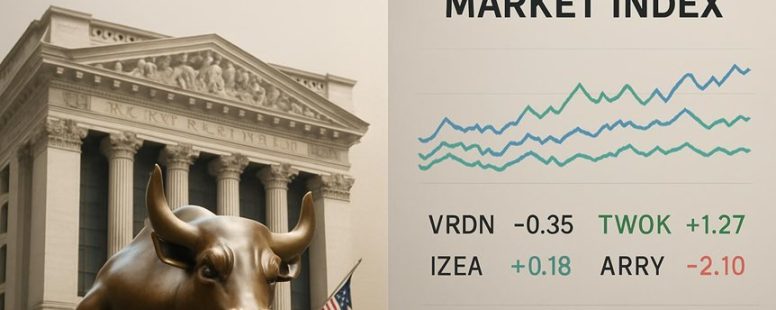
Choosing between the S&P 500 and the Total Stock Market Index is like deciding whether to stick to a familiar trail or venture into a broader wilderness—both paths promise growth, but each offers a different view of your financial landscape.
As you navigate this decision, consider not just the scenery but the hidden advantages—like the lesser-known benefit of greater diversification—that can transform your investment journey.
Understanding what each index truly covers can open your eyes to new possibilities and help you select the route that best aligns with your goals.
S&P 500 Vs Total Stock Market: What They Include
The main difference between the S&P 500 and the total stock market index is what they include. The S&P 500 only has 500 large-cap companies, which are big companies like Apple or Microsoft. The total stock market index includes all types of companies—small, medium, and large—so it covers a much wider range of stocks.
The S&P 500 tends to be more concentrated because it only focuses on big companies. The total stock market index spreads out risk because it has many different kinds of stocks. For example, if small companies do badly, the total market index might not drop as much because it also has big, stable companies.
Investors choose between these two based on what they want. The S&P 500 often shows higher growth in the short term but can be more risky. The total stock market offers more diversity, which can lower risk but might grow more slowly. Some people think the S&P 500 is better for quick gains, while others prefer the broader mix for steady, long-term growth.
A warning is that the S&P 500 does not include small or mid-sized companies, so it misses out on potential high growth. The total stock market index is more spread out, but it might also be harder to track and understand for some investors. Both have their good and bad points, so think about your goals before choosing which one to invest in.
How Market Coverage Shapes Your Diversification
Market coverage tells you how much of the stock market your investments include. It directly affects how diversified your portfolio is. For example, the S&P 500 only includes large companies like Apple and Microsoft. The total market index adds small and mid-sized companies, giving you a broader look at different sectors. Knowing the differences helps you see if your investments are balanced or too focused on certain types of companies.
Some investors prefer the S&P 500 because it’s simpler and includes the biggest companies. Others choose the total market index to get exposure to smaller firms that might grow faster. But keep in mind, investing in smaller companies can be riskier because they are more vulnerable to market swings.
In short, understanding how market coverage works can help you decide if your portfolio is well spread out or if you need to add more variety. Think of it like choosing between a big box of chocolates with only the milk variety or a mix that includes dark and caramel flavors. Which one do you want? Just remember, more coverage can mean more risk, so balance is key.
Market Coverage Differences
The main difference between the S&P 500 and the Total Stock Market index is how much of the stock market they cover. The S&P 500 only includes big, well-known companies and is good if you want stable, steady growth. It uses rules that pick stocks based on their size and how easy they are to buy and sell. That means it favors companies like Apple and Microsoft that have already grown a lot.
The Total Stock Market index, on the other hand, includes smaller and medium-size companies too. This means it covers almost everything traded in the U.S. stock market. It can be riskier because small companies can be more unstable, but it also offers more chances to find quick growth. Imagine it like a fishing net: the S&P 500 catches only the biggest fish, while the Total Stock Market catches everything, big and small.
Knowing these differences helps you choose the right index depending on your goals. If you want less risk and more stability, the S&P 500 might be better. If you’re okay with more ups and downs to try for bigger gains, the Total Stock Market could be the way to go. Just remember, the wider the coverage, the more chances you have for surprises—good and bad.
Some investors might prefer the S&P 500 because it’s easier to follow and has a long track record. But others might want the bigger potential of the total market, even if it means more risk. Think about what fits your comfort level and what you want from your investments.
Diversification Impact Explained
The main fact is that your choice of stocks impacts how diversified your portfolio is. Knowing the difference between the S&P 500 and the Total Stock Market index helps you decide which one is better for you. The Total Stock Market index includes many types of companies, from small to large ones. This makes your investments more balanced because you get exposure to different sizes of companies. For example, small companies can grow faster but also have more risk, while big companies are usually more stable. Using the Total Stock Market index can help smooth out ups and downs because it spreads your risk across many kinds of stocks.
On the other hand, the S&P 500 only includes the 500 biggest companies in the United States. It is simpler to understand and manage because it focuses on large, well-known companies like Apple and Microsoft. But this means it might miss out on growth from smaller companies. If you want to grow your money faster, the Total Stock Market might be a better choice. If you prefer stability, the S&P 500 could work better.
However, there are some downsides. The Total Stock Market index covers more companies, which can sometimes make it harder to predict how your investments will do. The S&P 500 is more focused, but it can also be more affected if big companies face problems. Both have their pros and cons.
Think about your goals and how much risk you are willing to take. If you want more chances for growth, the Total Stock Market might be better. If you want stability and simplicity, the S&P 500 could be enough. Knowing these differences helps you decide what fits your investment plan best.
Sector Exposure Variations
Sector Exposure Differences
The main difference between the S&P 500 and the Total Stock Market index is what parts of the market they include. The S&P 500 mainly has big companies with large market values. Because of this, it makes the tech and financial sectors a big part of the index. The Total Stock Market index includes smaller companies too, like midsize and small caps. This gives your investment more variety across different sectors and can help you catch growth in areas that the S&P 500 might miss.
Here’s what you should think about:
Stocks in big companies and small companies do well at different times, so their sector performance varies.
Trends in sectors and how they are connected can make sectors move together or offset each other.
Investing in the full market spreads out risk and can make your portfolio less shaky during sector changes.
Picking between these indexes depends on your goals and how much risk you want to take. If you want more balance and less chance of big swings, the Total Stock Market might be better. But if you want to focus on big, strong companies, the S&P 500 could work for you. Just remember, no index is perfect. Both have their good and bad points, so pick what fits your needs best.
Comparing Risk and Volatility of Each Index
The S&P 500 tends to be less risky and less volatile than the Total Stock Market Index. Risk means the chance of losing money, and volatility shows how much prices move up and down. The S&P 500 usually has smaller swings in value, making it feel more stable. The Total Stock Market Index covers more companies, including small ones, which can cause bigger ups and downs.
For example, during a market downturn, the S&P 500 might drop 10 percent, but the Total Stock Market could fall 15 percent or more because of smaller companies that are more sensitive to changes. Some investors prefer the S&P 500 because it’s been more consistent over time. But others might choose the Total Stock Market to get more variety and potential for higher gains, even if it comes with more risk.
It’s good to remember that both indexes can go down, especially during tough economic times. If you want safer investments, the S&P 500 could be better. But if you’re willing to accept more ups and downs for the chance of bigger rewards, the Total Stock Market might be the way to go. Always think about your goals and how much risk you can handle.
Sources: Standard & Poor’s reports and historical market data show that the S&P 500 has had less big swings compared to the broader market, but no investment is without risk.
Volatility Metrics Comparison
Volatility measures how much a stock index’s prices go up and down over time. When I compare the S&P 500 and the Total Stock Market Index, I see clear differences in how they handle risk. Knowing these differences helps me decide which one fits my comfort level with market swings.
The S&P 500, made up of 500 large companies, usually shows lower volatility. Its prices tend to move more steadily, giving an impression of more stability. The Total Stock Market Index includes smaller companies too, which makes its prices swing more. This means it has higher risk but also more chance for bigger gains.
Here’s what I look at to understand risk:
Historical volatility shows how much prices have moved in the past.
Beta compares how sensitive each index is to overall market changes.
Standard deviation measures how spread out the price movements are.
These help me decide which index matches my investment goals. For example, if I want more stability, the S&P 500 might be better. But if I’m willing to take more risk for bigger rewards, the Total Stock Market Index could be a better choice.
Keep in mind, higher risk can mean bigger gains but also bigger losses. It’s important to know how much risk you’re comfortable with. For some, the steadiness of the S&P 500 is enough. For others, the potential rewards of the Total Stock Market might be worth the extra ups and downs.
Sources like Morningstar and CNBC report these risk metrics based on past data. But remember, past performance doesn’t guarantee future results. Both indexes can swing more during tough times, so always think about your own comfort with risk before choosing.
Risk Exposure Differences
The main difference between the S&P 500 and the Total Stock Market Index is the level of risk they carry. The S&P 500 only includes large companies, so it mostly faces market risk that affects all stocks at once. This is called systematic risk. On the other hand, the Total Stock Market Index includes small and mid-size companies as well. These smaller companies can be more unpredictable, adding what is called unsystematic risk. This can mean bigger ups and downs, but it also helps spread out your investments.
If you can handle short-term drops in value, the Total Stock Market might be a better choice. But if you prefer less risk, sticking with the S&P 500 could be smarter. When choosing, think about how much risk you are comfortable with and how long you plan to keep your money invested. Managing risk well means knowing these differences and understanding how your feelings and reactions can affect your choices during market swings.
Some people may think more risk equals better returns, but that’s not always true. Small companies can be more profitable, but they can also lose value faster. It’s a tradeoff. So, ask yourself: Do I want to take bigger chances for the chance of higher gains? Or do I want a calmer ride? Both options have good and bad points, so decide what fits your goals and comfort level best.
Sources like Morningstar and financial experts agree that understanding these risk differences helps you make smarter decisions. Just remember, no investment is completely safe, and markets can change fast. Always think about your long-term goals and how much risk you can handle before choosing between these two indexes.
Historical Performance Stability
Understanding how stable an investment performs over time is key when choosing between the S&P 500 and the Total Stock Market Index. The main difference is how consistent their returns are during different market conditions.
The S&P 500 tends to be more stable, especially during economic downturns. For example, during the 2008 recession, the S&P 500’s losses were less severe compared to smaller stocks. This makes it a good choice if you want steadier performance.
The Total Stock Market Index includes all kinds of stocks, from big companies to small ones. It gives more diversity, but it can be more unpredictable. Small stocks can grow fast but also fall hard, which means higher volatility. Over long periods, this can help you earn more, but it also means bigger swings along the way.
Both indices are affected by the economy. Still, because the Total Market has a wider range of stocks, it sometimes absorbs shocks better over many years. This can be helpful if you plan to invest for the long term but might feel risky if you need steady returns soon.
Some people prefer the stability of the S&P 500, while others are okay with the ups and downs of the Total Stock Market for potentially higher gains. Remember, past performance doesn’t guarantee future results, and both types of investments have risks. Think about your goals and how much risk you are willing to take before choosing.
Historical Performance: S&P 500 Vs Total Market
The S&P 500 and the Total Stock Market Index are both ways to measure how U.S. stocks perform. The S&P 500 tracks only large companies, while the Total Market includes small, mid, and large companies.
The main difference is that the S&P 500 is more stable but may grow a little slower. It often shows slightly higher returns over time because big companies tend to do well. But the Total Market can grow more because it includes smaller companies that have more room to grow. However, including small and mid-cap stocks can also make the Total Market more volatile or bumpy.
For example, in the past, the S&P 500 has given better average returns, but the Total Market sometimes outperforms it in the long run because of the smaller companies. Still, with more stocks, the Total Market index can see bigger swings, meaning your investment might go up and down more.
If you’re looking for steady growth with less risk, the S&P 500 might be better. But if you’re willing to accept some ups and downs for bigger possible gains, the Total Market could be the way to go. Both have pros and cons, and your choice depends on how much risk you’re okay with and what your financial goals are.
Some experts say the Total Market gives you more chance to grow because it captures the entire market. Others argue that sticking with the S&P 500 is safer because it’s focused on the biggest, most stable companies. Remember, past performance isn’t a guarantee of future results, and both approaches have their own risks.
Understanding Expense Ratios and Their Impact
Understanding Expense Ratios and How They Affect Your Investments
The expense ratio is the fee a fund charges annually for managing your money. It is a key factor to check before investing because it can quietly reduce your returns over time. When comparing popular index funds like the S&P 500 and the Total Stock Market, understanding these fees helps you pick the best deal.
Lower expense ratios mean more of your money stays invested. That can lead to better growth because your money has more time to compound. Even a tiny difference in fees can make a big difference after many years. For example, if one fund charges 0.05 percent and another charges 0.20 percent, over 20 years that small gap can grow into thousands of dollars in extra returns or losses.
Expense ratios cover the costs of managing the fund. These costs can vary depending on the type of index fund. Some funds are cheaper because they track a smaller group of stocks, while others, like the Total Stock Market, include a wider range of companies.
It’s good to compare funds carefully. Keep in mind that the cheapest fund may not always be the best choice. Sometimes, a slightly higher fee is worth it if the fund performs better or has other benefits. Also, remember that fees are just one part of the picture. Past performance, fund size, and reputation also matter.
How Taxes and Dividends Affect Your Returns
Taxes and dividends have a big effect on how much money you keep from your investments. Many people focus on fees and how well their investments perform, but taxes and dividends can actually matter more. For example, when you invest in the S&P 500 or the total stock market index, knowing about taxes is very important.
Dividends are payments companies give to shareholders. These payments are taxable income, which means you might owe taxes on them. Reinvesting dividends can help your money grow faster, but it might also increase your taxes. If you sell investments often, you could pay capital gains taxes, which cut into your profits. Comparing dividend yields shows how much companies pay out, but how much you keep depends on taxes.
Some investors prefer stocks with high dividends because they get regular income. Others might choose stocks that grow faster and pay fewer taxes. Balancing dividend income with tax-efficient growth can make your money grow more over time.
Be aware that taxes can eat into your returns, especially if you’re in a high tax bracket. You might hear that investing in tax-advantaged accounts like Roth IRAs helps, because you don’t pay taxes on earnings there. But if you’re not careful, taxes can surprise you and reduce your gains.
Which Fund Fits Your Investment Goals and Style
If you’re trying to decide between investing in the S&P 500 or a total stock market index fund, the best choice depends on what you want to achieve and how much risk you’re okay with.
The S&P 500 includes only the 500 biggest companies in the US, like Apple, Microsoft, and Amazon. It’s a popular way to track large, stable companies. If you want a smoother ride and are mainly interested in big names, the S&P 500 could be a good fit.
A total stock market index fund includes all kinds of companies, from tiny startups to big corporations. It gives you broader market exposure. If you want to grow your money with more variety, a total stock market fund might be better.
Think about your goals. If you want steady growth with less ups and downs, the S&P 500 can work well. But if you’re willing to handle some ups and downs for a chance at more growth, a total stock market fund could be smarter.
Some investors mix both funds to balance risk and growth. For example, they might put half their money in the S&P 500 and half in a total stock market fund. This way, they get the stability of big companies and the potential of smaller ones.
How to Decide Between S&P 500 and Total Market Funds
If you want to choose between an S&P 500 fund and a total stock market fund, here are some clear facts to help you decide. The main difference is what kind of companies they include.
An S&P 500 fund invests only in the 500 biggest companies in the US. These are large, stable companies like Apple, Microsoft, and Amazon. Because of this, S&P 500 funds are seen as safer and more predictable. They are good if you want steady growth and simple investing. But they don’t include small or mid-size companies, which might grow faster but also carry more risk.
A total stock market fund includes all kinds of companies. It has big firms from the S&P 500, but also smaller companies. This means your money spreads across more businesses, which can make your portfolio more balanced. For example, if small companies do well, you might see bigger gains. But sometimes, small companies can also fall faster, so your risk is higher.
So how do you choose? First, think about your goals. Do you want a safe, easy investment that grows steadily? If yes, S&P 500 might be better. If you want more chances to earn bigger returns and don’t mind some ups and downs, a total market fund could work.
Second, consider your risk comfort. Are you okay with some investments losing value short-term? If yes, total market funds might suit you. If not, stick with the S&P 500.
Third, check the market trends. Small and mid-cap companies can boost your returns but are more volatile. Large-cap companies tend to stay steady but grow slower.
Some investors like the simple approach of just buying the S&P 500 because it’s well-known and has a long track record. Others prefer total market funds for the broader exposure. Remember, both options have pros and cons. It’s best to think about what fits your financial goals and how much risk you’re willing to take.
In short, if you want stability and simplicity, choose the S&P 500. If you want more diversity and higher potential gains, go for the total stock market fund. Just know that with higher potential rewards come higher risks.
To provide the best experiences, we use technologies like cookies to store and/or access device information. Consenting to these technologies will allow us to process data such as browsing behaviour or unique IDs on this site. Not consenting or withdrawing consent, may adversely affect certain features and functions.
Functional
Always active
The technical storage or access is strictly necessary for the legitimate purpose of enabling the use of a specific service explicitly requested by the subscriber or user, or for the sole purpose of carrying out the transmission of a communication over an electronic communications network.
Preferences
The technical storage or access is necessary for the legitimate purpose of storing preferences that are not requested by the subscriber or user.
Statistics
The technical storage or access that is used exclusively for statistical purposes.The technical storage or access that is used exclusively for anonymous statistical purposes. Without a subpoena, voluntary compliance on the part of your Internet Service Provider, or additional records from a third party, information stored or retrieved for this purpose alone cannot usually be used to identify you.
Marketing
The technical storage or access is required to create user profiles to send advertising, or to track the user on a website or across several websites for similar marketing purposes.