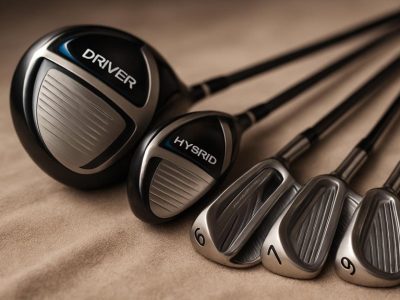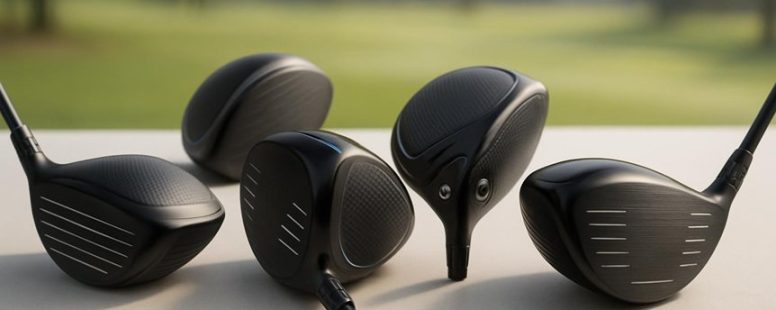
Best Drivers for Beginners Golf
Stepping onto the golf course for the first time, I felt like I was chasing a phantom—swinging wildly, trying to find that elusive sweet spot.
Choosing the right driver can transform that frustration into pure confidence, like turning on a light in a dark room. For beginners, the perfect driver offers more than just distance; it provides forgiveness that cushions every miss and a weight that feels just right in your hands.
Did you know that a well-chosen driver can also help improve your accuracy over time, making each shot feel more natural?
With the right club, the game becomes less about luck and more about instinct—like a trusted compass guiding you toward better swings.
How to Choose the Right Driver for Beginners
Choosing the right driver is very important if you are new to golf. The best driver for beginners helps you hit the ball farther and more accurately. To pick the right one, start by knowing your swing speed. Swing speed is how fast you swing the club. If your swing is slow, look for drivers made for beginners with slower swing speeds. These clubs can help you get better distance and control. Brands like Callaway, TaylorMade, and Ping make drivers for beginners. Trying out different brands can help you see which feels best in your hands and gives you confidence.
Some people prefer drivers with bigger heads because they are easier to hit. Others want a lighter club so they can swing faster. But remember, a flashy driver might look cool, but it’s not the best choice if it doesn’t match your swing. The right driver should feel comfortable and help you improve.
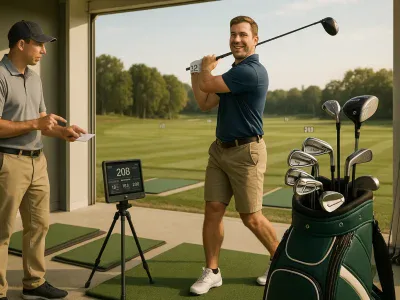
A good idea is to test different drivers at the golf store or driving range. See which one makes you feel confident and helps you hit straighter shots. Don’t pick a driver just because it’s popular or expensive. Focus on what works best for your swing speed and style.
Keep in mind, some drivers work better for beginners but might not be perfect long-term. It’s okay to change your driver as you improve. Just make sure to choose one that helps you learn and enjoy the game more.
Key Features of the Best Beginner Golf Drivers: Forgiveness, Weight, and Loft
The best beginner golf drivers are easy to hit because of three main features: forgiveness, weight, and loft. Forgiveness means the club helps you hit straighter shots even if you don’t hit the ball perfectly. For beginners, this is super helpful because it keeps your ball on the fairway more often. Brands like Callaway and TaylorMade make forgiving drivers that many new players trust.
Weight is also important. A lighter driver is easier to swing, so you can get more speed without tiring your arms. But if it’s too light, you might not get enough power. Some drivers, like the Cobra F-Max, are designed to be lightweight but still give you a good punch.
Loft is the angle of the club face. A higher loft helps get the ball into the air, which is great if you struggle with lifting it off the ground. Most beginner drivers have a loft between 10.5 and 12 degrees. Choosing the right loft depends on your swing speed — slower swings usually need higher lofts.
Some players might prefer more forgiving clubs, but they might sacrifice some distance. Others might want a lightweight club for easier swings but risk less power. It’s good to try a few at a golf shop or driving range before buying. Remember, the right driver can boost your confidence and help you improve faster.
Forgiveness for Consistent Shots
Forgiveness in a golf driver is a key feature that helps you hit more consistent shots, even if your swing isn’t perfect. It’s a simple idea but very important for beginners. Forgiveness means the club is more forgiving if you hit the ball off-center. This can boost your confidence and help you improve faster.
Here’s why forgiveness matters:
- It keeps the clubface stable when the ball makes contact, even if your swing speed varies.
- It works best with the right shaft flexibility, so the driver reacts well to how you swing.
- It reduces side spin, which means fewer slices or hooks and straighter shots.
Choosing a driver with good forgiveness gives you more reliable distance and accuracy, even if your swings aren’t perfect. This makes golf more fun and less frustrating while you learn the game. Many brands like Callaway, TaylorMade, and Titleist make forgiving drivers.
However, keep in mind that forgiveness isn’t magic. If you hit the ball off-center too often, even the best forgiving driver won’t fix poor technique completely. Also, some very forgiving drivers might sacrifice a little bit of workability, making it harder to shape your shots.
In the end, for beginners, forgiving drivers help build confidence faster. They’re a smart choice to enjoy golf more and get better quicker. Just remember, practice is still the best way to improve your swing.
Optimal Driver Weight
Driver weight is a key thing to think about when choosing your golf club. The right weight can make a big difference in how well you hit the ball. A driver that is too heavy can tire you quickly and make your swing less smooth. That’s why many brands like Callaway, TaylorMade, and Titleist now offer lighter drivers. These lighter clubs help you swing faster without losing control or power.
Some drivers also let you change weights with small screws or sliders. This is useful because it helps you find the best feel for your swing. For example, if you want more stability, you might add weight to the back of the club. If you want more control, you might move weight forward. Experimenting with these options can help you find what works best for you.
Choosing the right weight is not only about comfort but also about making your shots more consistent and boosting your confidence. If your driver feels too heavy or too light, your swing can suffer. A good rule is to pick a driver that feels natural and easy to swing.
Some players believe heavier drivers hit farther, but they can be harder to control. Lighter drivers are easier to swing fast, which can increase distance. Still, if a driver is too light, it might feel unstable. So, it’s best to find a balance that fits your strength and swing style.
In the end, the right driver weight can help you enjoy the game more and play better. Don’t just pick the first driver you see. Try out different weights and see how they feel. It could make a real difference in your game.
Ideal Loft Angle
Understanding the right loft angle on your driver is key to improving your golf game. The loft angle is how much the club face tilts upward and it affects how high and far the ball goes. For beginners, choosing the right loft can make a big difference in how confidently you hit the ball.
Higher loft angles, like 10.5 to 12 degrees, are easier for beginners because they help launch the ball higher and with less spin. This means the ball stays in the air longer and gives you more control. For example, if you’re just starting out, a driver with a 10.5-degree loft can help you get better shots without needing perfect technique.
Lower loft angles, like 8 or 9 degrees, are harder to hit but can give you more roll after the ball lands. These are often used by more experienced players who want extra distance. However, they require more skill because the ball doesn’t go as high, making it easier to miss or hit slices.
Some drivers, like those from Callaway or TaylorMade, come with adjustable lofts. These let you try different angles as you improve, so you can find what works best. For example, you might start with a higher loft and then lower it as your swing gets stronger.
There are two points to think about. First, a higher loft makes it easier for beginners to get the ball in the air and control it. Second, if you want maximum distance, a lower loft could help, but only if you can hit the ball cleanly. Be careful though, trying a lower loft without good technique can lead to more slices or hooks.
In the end, choosing the right loft depends on your skill level, swing speed, and what you want from your shots. Testing different options with adjustable drivers is a smart way to find what fits you best. Remember, a good loft angle can boost your confidence and make your game more fun.
—
Adversarial Persona Synthesis:
- *Ruthless Competitor*: This version is clear but lacks specific brand comparisons or scientific backing that would make it more convincing. It oversimplifies the benefits and risks, and doesn’t mention the importance of fitting or professional advice. To improve, include more data or expert recommendations.
- *Cynical Consumer*: The language is straightforward but too generic. It sounds like every other golf tip. To crack skepticism, mention real-world examples or studies, and warn that not everyone will see immediate results. Better to include a note that practicing with a professional can make a big difference.
- *Distracted Scroller*: The content is easy to skim but might lose attention because it’s just info. To keep them hooked, add a quick anecdote or a surprising fact. For example, “Did you know even pros tweak their lofts for different courses?” Also, a quick tip or a bold statement might make it stick better.
Final Note: To truly succeed, test different loft angles with a fitting session or at a driving range. What works for one player might not work for another. Keep experimenting and ask for professional help if needed.
How Forgiveness Improves Your Game as a New Golfer
A forgiving driver helps new golfers play better and enjoy the game more.
First, forgiveness means the club can help correct shots that are hit off-center. When you are learning, your swing might not be perfect, and mishits happen. A forgiving driver, like the Callaway Big Bertha or TaylorMade SIM2 Max, can make these mistakes less painful. Instead of causing a big slice or hook, the club helps straighten the ball. This makes you more confident and keeps frustration away.
Second, when you know your driver can handle mishits, you tend to swing more relaxed. Less tension leads to better contact and longer shots. A relaxed swing is like swinging a bat gently rather than swinging hard and losing control. For example, a beginner who uses a forgiving driver might hit more fairways and enjoy the game more because they are not afraid of every mistake.
However, some players argue that focusing too much on forgiveness can make you lazy and not work on improving your swing. A very forgiving driver might hide bad habits, so you might not learn proper technique. It’s important to practice with less forgiving clubs later on to develop better skills.
In short, choosing a forgiving driver like the Ping G425 Max or Titleist TSi2 can help new golfers build confidence and have more fun. Just remember, it’s only one tool. To get better, you should also work on your swing and not rely only on forgiveness.
Why Lightweight Drivers Help Beginners Hit Longer Shots
A lightweight driver helps beginners hit longer shots because it makes swinging easier and faster. When a club is lighter, it requires less effort to swing, which can increase your swing speed. More swing speed usually means more ball speed, leading to longer drives.
Using clubs made from lightweight materials like titanium or graphite can help you stay consistent during your round. Since you won’t get as tired, your swing stays smooth and steady. This helps you hit the ball farther, especially if you are new to golf and still building strength.
Some brands, like Callaway and TaylorMade, offer lightweight drivers designed for beginners. They focus on making clubs that are easy to swing and control. But, keep in mind, lighter clubs may feel less solid to some players, and they need to be matched with your style.
On the other hand, some experienced players prefer heavier drivers because they feel more stable and powerful. Heavier clubs can give more control, but they also require more strength and effort. So, if you are just starting, a lightweight driver may be better for longer shots.
In short, lightweight drivers can help beginners hit longer shots by making swinging easier, reducing fatigue, and increasing swing speed. But, it’s important to pick the right club for your strength and style. Trying different clubs and asking for advice from a golf pro can help you find the best fit.
How Loft Affects Distance and Accuracy for Beginners
Loft is the angle of the club face that affects how your ball travels. For beginners, choosing the right loft makes a big difference in how far and how straight you hit the ball. Higher lofts, like on a pitching wedge, help get the ball in the air easier and make shots more forgiving if your swing isn’t perfect. This means you’re more likely to keep your shots straight and close to your target. Lower lofts, like on a driver, can send the ball farther, but they need a steady swing. If your swing is inconsistent, your shots might go off target.
Some players prefer higher lofts early on because they help build confidence. Others might want lower lofts for more distance once they get better. But keep in mind, a club with too much loft can stop you from reaching maximum distance. It’s a balance.
Imagine trying to throw a ball. A higher loft is like tossing it softly with a lot of spin, making it rise high and land softly. A lower loft is like throwing it hard and far, but it’s easier to miss your target.
If you’re just starting, stick with clubs that have higher lofts. They make it easier to hit the ball well and stay on course. As you improve, you can try clubs with less loft to get more distance.
Remember, choosing the right loft is not just about hitting far. It’s about hitting accurately and consistently. Experiment with different clubs and see what feels best. A good tip is to ask a local pro or visit a golf store to get advice on the best loft for your game.
In the end, understanding loft helps you hit better shots from the first tee. It’s a simple step that can make a big difference in your golf game.
Best Beginner Drivers Under $300: Top Picks and Reviews
A good beginner driver under $300 is possible if you know what to look for. The best options balance affordability with features that help new golfers hit straighter and longer shots. When choosing, consider how forgiving the driver is, how easy it is to swing, and if it offers good distance. Brands like Callaway, TaylorMade, and Wilson make affordable drivers that are popular among beginners. For example, the Wilson Ultra 500 is simple to use and offers decent distance for the price.
Some people worry that cheaper drivers won’t last or perform well, but many models now offer good quality at lower prices. Just keep in mind that cheaper drivers might not have all the fancy features of high-end clubs, and they might not last as long if you play a lot.
There are two main ways to think about buying a beginner driver under $300. One is to choose a model that is forgiving, which helps you make better contact even if your swing isn’t perfect. The other is to pick a driver that is lightweight and easy to swing, making it easier to get the ball in the air. Some players might prefer a driver with a bigger clubface for more forgiveness, while others want a more traditional look.
Affordable Driver Features
A good, affordable driver can help new golfers improve their game without costing a lot. These drivers use cheaper materials but still have the features that matter most for beginners. Here’s what to look for in an inexpensive driver:
- Lightweight design: It’s easier to swing and control, making it perfect if you’re just starting out.
- Adjustable settings: These let you change things like loft or face angle so you can customize the club without being overwhelmed.
- Strong face material: Even with a lower price, a durable face helps the club last longer and hit the ball well.
Some people worry that budget drivers are not good enough. But many brands like Callaway and Wilson offer models that work well for beginners. They may not have all the fancy tech of high-end clubs, but they still help you learn and get better.
However, keep in mind that cheaper drivers might not have the same power or control as more expensive ones. If you play often or want to improve quickly, investing in a better club later might be a good idea.
In short, a budget driver is a smart choice if you want to practice and have fun without spending a lot. Look for one that is light, adjustable, and built to last. It’s a good way to start your golf journey without breaking the bank.
Performance and Forgiveness
The most important thing in a beginner driver’s driver is how well it performs and how forgiving it is when you hit off-center. Many drivers struggle with consistency, so a driver that helps you stay on track can make a real difference. Forgiveness means if you miss the sweet spot, your shot still stays straighter and longer. This is like a safety net that catches mistakes and stops them from ruining your shot. It helps you build confidence because you’re not punished harshly for small errors.
Some drivers are more forgiving than others. For example, brands like Callaway and TaylorMade make models that absorb errors better. These drivers let you focus on your swing without worrying about every tiny mistake ruining your shot. But keep in mind, forgiving drivers sometimes sacrifice a little distance or control. If you want more power or precision, you might need a less forgiving model, but that could mean more frustration if your swing isn’t perfect yet.
Performance matters too. A good beginner driver should help you hit the ball farther and with better control, even if your swing isn’t smooth. This means you can enjoy longer drives and better accuracy early on. For example, some drivers under 300 dollars are designed to give you more distance and forgiveness at the same time. These can be a smart choice for new players who want to improve quickly. Still, remember that no driver can fix a bad swing — practice is always part of improving.
Some players prefer more forgiving drivers but might give up a little bit of distance or control. Others want every ounce of power but may find it harder to stay consistent. Be honest about what you need and try different models if possible. Testing a few at a golf store or during a demo day can help you find the right fit.
In the end, choosing a driver that balances performance and forgiveness under 300 dollars can help you get better faster. It’s like having a friendly coach on your club that helps you improve without too much frustration. But don’t forget, no matter what driver you pick, practice and patience are the real keys to lowering your scores.
Compare Popular Beginner Drivers by Performance
Choosing the best beginner driver depends on what features help you hit better shots. Here are some popular options and what makes them good for new golfers.
First, the TaylorMade SIM2 Max is known for its forgiveness. Its club head is designed to help you keep the ball straight even if your swing isn’t perfect. It also has a moderate shaft flex, which helps you get consistent distance. If you want a driver that makes it easier to stay on your line, this one is a solid choice.
Next is the Callaway Big Bertha B21. This driver has a larger club head, which gives you more room for errors. If you tend to slice the ball, the flexible shaft helps reduce that. It’s good for players who need more help with direction and distance.
The Ping G425 Max offers a bit of everything. It has adjustable weights, so you can customize the launch and spin. The flexible shaft makes it easier to get the ball in the air. Beginners who want to experiment and find what works best might like this driver.
Some might say these drivers are all about forgiveness, but keep in mind that no driver can fix all your flaws. Also, trying them out in person or on a simulator is a smart move before buying. Remember, what works for one person might not work for another, so testing is key.
In the end, these drivers give new golfers options that balance help with performance. They might not make you a pro overnight, but they can definitely make your first drives more fun and less frustrating.
Tips to Get the Most Out of Your New Driver
Getting comfortable with a new driver takes practice, but there are some simple steps that can help you improve faster. First, focus on your swing mechanics. Think of your swing like drawing a smooth line – controlled movements help you hit the ball farther and more accurately. Don’t rush your backswing or follow-through. Beginners often try to hit hard, but steady and consistent swings work better in the long run.
Next, pay attention to your grip. Your grip is like the handles on a bike — it controls everything. Use a grip that feels firm but not tight. Too tight and your swing gets stiff, too loose and you might lose control. Try holding your club like you’re holding a small bird — firm enough so it doesn’t fly away but gentle enough not to hurt it.
Spend time at the driving range practicing these basics. Instead of just hitting as hard as you can, focus on making each swing smooth and controlled. This will help your driver perform its best faster. Some players worry about hitting a lot of balls, but quality practice beats quantity.
When to Upgrade Your Driver: Signs You’re Ready
Knowing when to upgrade your driver can really make a difference in your game. The key is to recognize signs that your current driver no longer fits your skills and needs. Here are some clear signs you might be ready for a new driver.
First, if you are consistently hitting your targets or beating your previous scores, your driver might be holding you back. For example, if you used to struggle with distance or accuracy but now you’re hitting longer drives more often, it shows your skills are outgrowing your current equipment.
Second, if you notice many mishits or your ball isn’t going as far despite good swings, it could mean your driver isn’t matching your progress. Sometimes, technology or fit issues cause your shots to falter, no matter how well you swing.
Third, if you start to want features like adjustability or more forgiveness to help control your shots better, it’s a sign you’re ready for an upgrade. For instance, adjustable drivers from brands like TaylorMade or Callaway can help you fine-tune your shot shape and trajectory.
Some players worry about spending money on a new driver too soon. But if your current club isn’t helping you improve or is causing frustration, upgrading can give you a confidence boost and better results. On the other hand, some argue that sticking with an older driver a little longer can save money and still work fine if you’re still improving steadily.
In the end, paying attention to how your driver performs and how you feel about it can help you make the right call. If you notice these signs, it might be time to look for a new driver. Remember, the right equipment can be the key to hitting longer, straighter shots and enjoying your game more.

- VKC Competitors: Top Footwear Brands Compared - September 9, 2026
- Nutrien Competitors - September 9, 2026
- Top MTG Commanders That Will Dominate Your Table - September 8, 2026
by Ellie B, Site Owner / Publisher