Best Alternative to Petunias
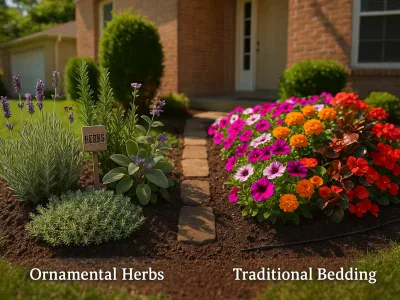
Petunias give a bright, classic look, but they’re not the only plants that can fill your beds and baskets with long summer color. If you’ve wrestled with short bloom cycles, cold snaps, or picky soil, choosing the best alternative to petunias can refresh your garden and cut back on headaches. This guide shows clear, practical options and planting moves so you get continuous color, less fuss, and plants that match your microclimate and style.
Why Gardeners Look For Alternatives To Petunias
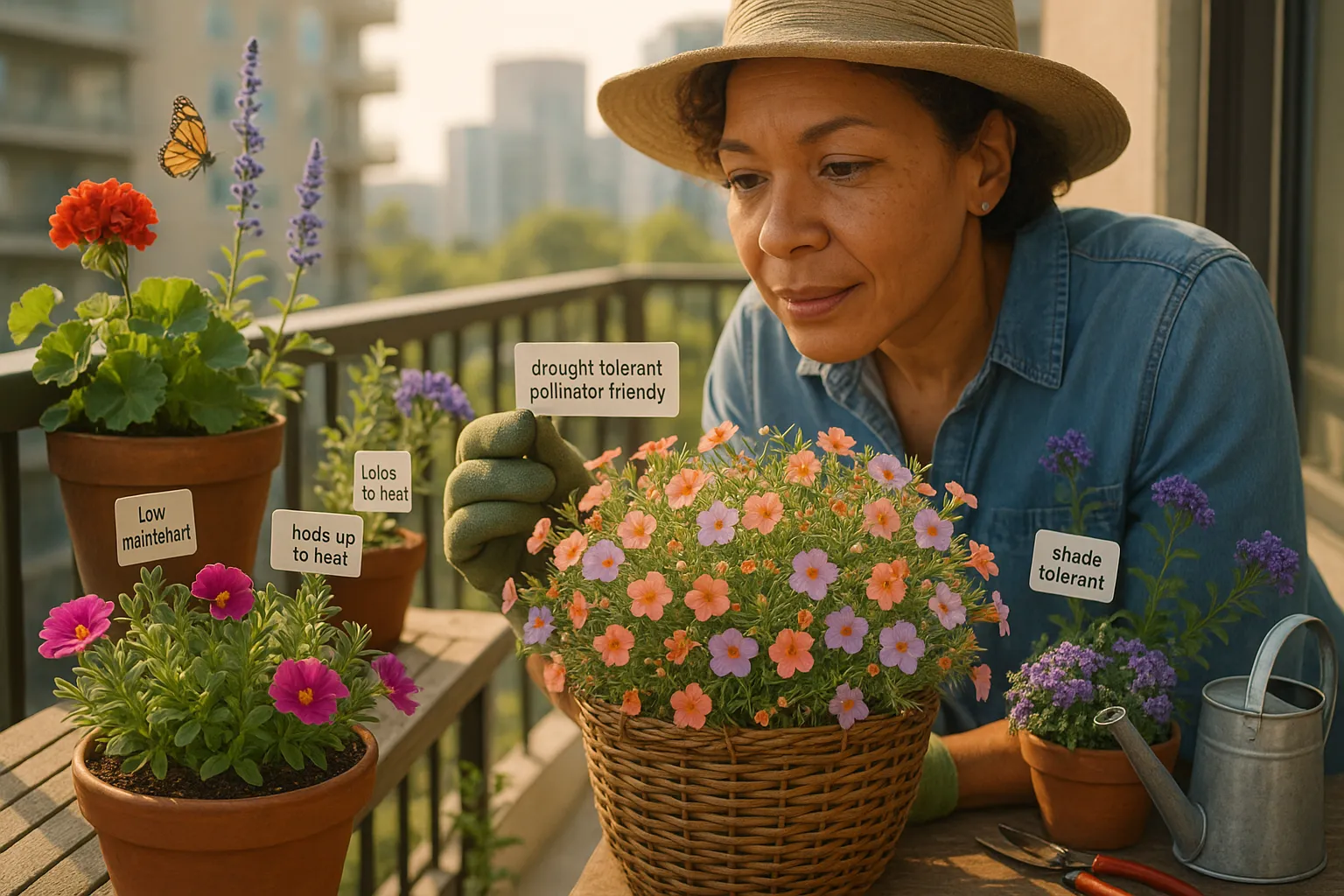
Fact: Many gardeners replace petunias because they want longer blooms, greater heat or shade tolerance, or lower maintenance. Petunias (Petunia × atkinsiana and related hybrids) offer big flowers, but they also bring fickle watering needs, frequent deadheading, and vulnerability to some pests and diseases.
You might look for an alternative when petunias struggle in hot, dry summer afternoons, or when your hanging baskets thin out after a single flush. Some gardeners switch because they want different textures, airy foliage, spiky leaves, or a mounding habit, that petunias don’t provide.
Consider your motivation. Do you need drought tolerance? Are pollinators a priority? Do you want flowers that hold up to afternoon sun on a balcony? Answering these questions first helps you narrow choices fast and saves time and money later.
How To Choose The Right Alternative For Your Space
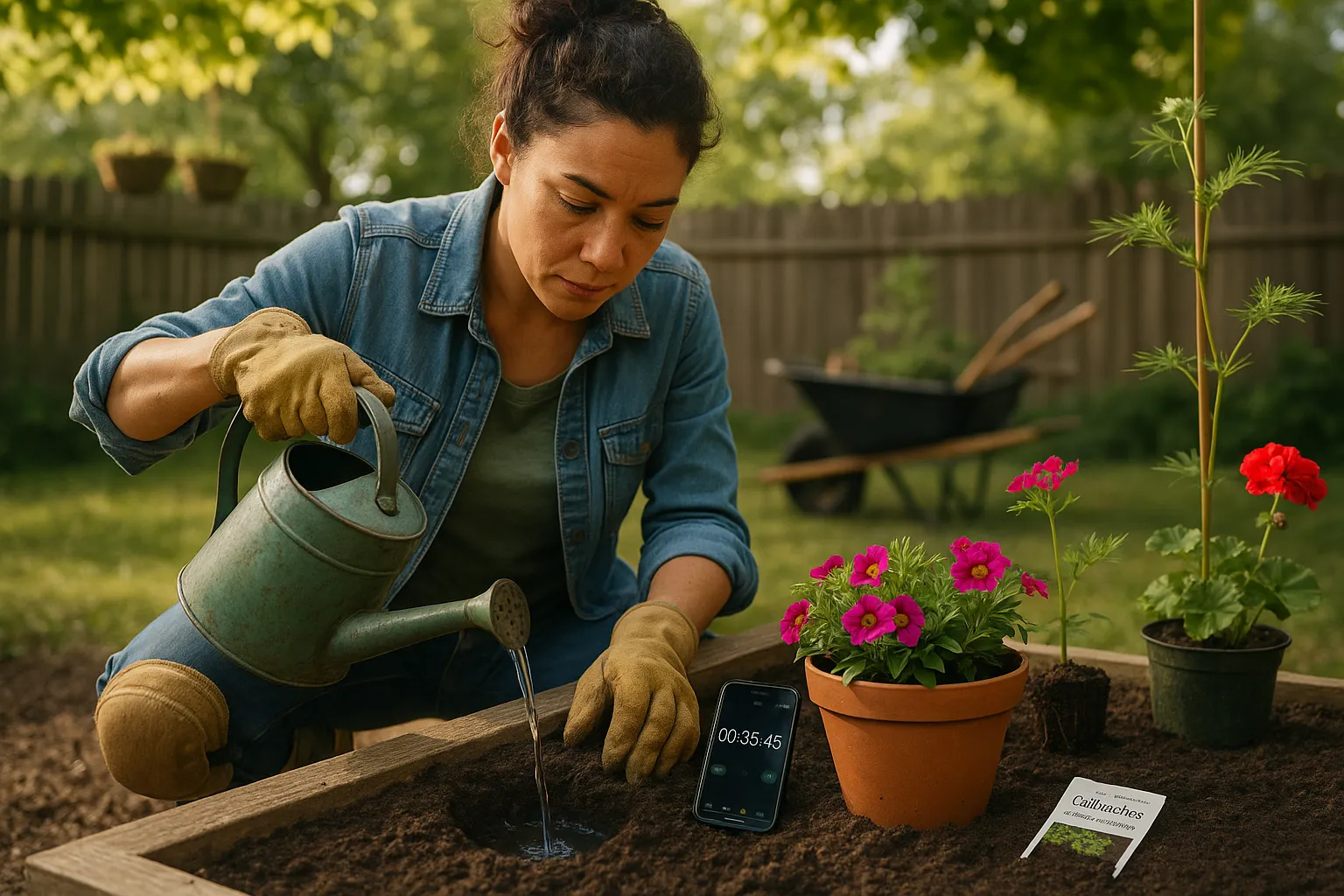
Fact: Match plant traits to your site conditions before you buy. Start with three clear observations: light level, soil moisture, and exposure to heat or wind.
Light: Full sun means at least six hours of direct sun. Partial shade is four to six hours or dappled light. Heavy shade is under four hours.
Soil and water: Check drainage with a simple hole test, dig, fill with water, and time the drain. If water sits for more than six hours, you need plants that tolerate wet feet or improve drainage.
Scale and use: Decide whether you need trailers for hanging baskets, upright plants for beds, or tall accents. Calibrachoa suits trailers: cosmos provides height: geraniums give structure.
Design need: Pick for bloom time and color harmony. If you want continuous blooms from spring to frost, select a mix of repeat bloomers and long-flowering annuals.
Practical tip: Buy one trial pot and plant it where it will live. Observe for two weeks before committing to bulk purchases. That simple step prevents many regrets.
Top Alternatives To Petunias (Plant Profiles And When To Use Them)
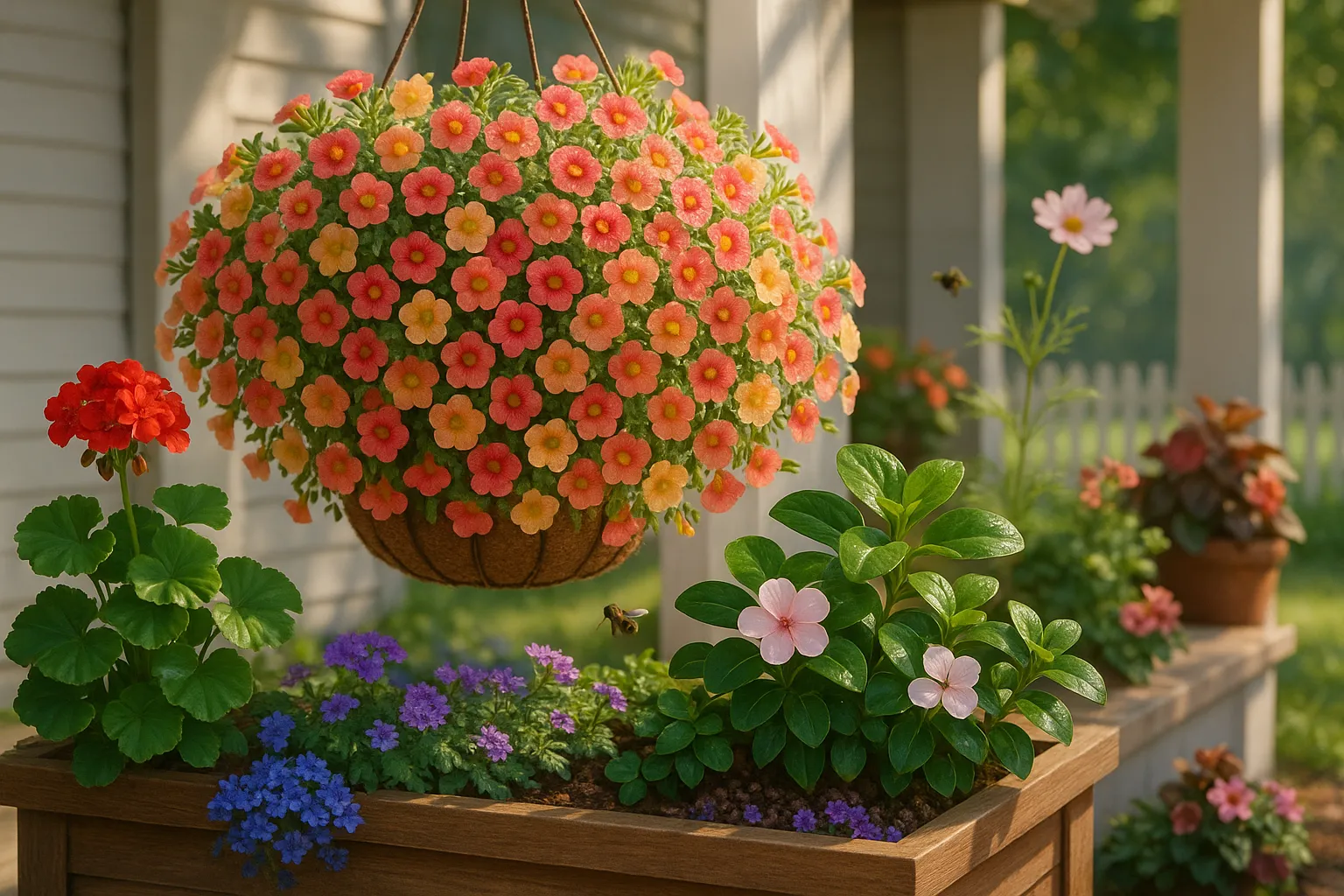
Fact: Several plants replicate petunia functions while adding different strengths: more heat tolerance, better shade performance, or longer bloom time.
Calibrachoa (Million Bells): A Compact, Continuous Bloomer
Fact: Calibrachoa blooms nonstop and looks like miniature petunias. Calibrachoa × hybrida produces thousands of small, trumpet-shaped flowers. It thrives in containers and hanging baskets, prefers full sun to part shade, and needs regular feeding. Use it where you want a trailing carpet of color. Note: it favors well-drained potting mix: soggy soil will rot roots.
Geraniums (Pelargonium): Heat-Tolerant, Structured Color
Fact: Pelargonium species handle heat and rough sun better than many petunias. Zonale and ivy geraniums provide upright or trailing forms. Geraniums tolerate occasional drought and keep tidy shapes with minimal deadheading. Use them for window boxes and sunny beds when you need strong architecture and clear color blocks.
Vinca (Periwinkle): Drought-Tolerant And Low Maintenance
Fact: Vinca major and Vinca minor, or annual Vinca (Catharanthus roseus), survive drought and poor soils. Annual vinca holds up to intense heat without constant watering and gives simple, glossy foliage with steady blooms. Choose vinca for hot, dry planters and massed border plantings.
Verbena: Long-Blooming, Pollinator-Friendly Groundcover
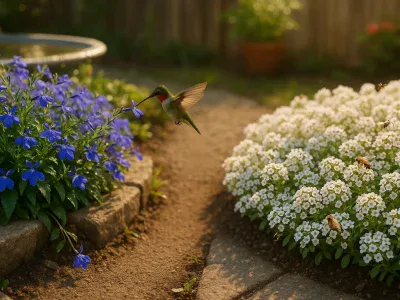
Fact: Verbena (Verbena x hybrida and groundcover verbenas) attracts bees and butterflies and keeps blooming through summer. Low mounding types work as groundcover: trailing types fill baskets. Verbenas need full sun and moderate water. They recover quickly from light pruning, which lengthens bloom time.
Lobelia: Best For Cool Spots And Splashy Containers
Fact: Lobelia erinus and Lobelia cardinalis shine in cool morning light and moist soil. Lobelia brings intense blue and purple tones that petunias rarely match. Use lobelia in shady beds, the front of borders, or mixed containers to add a cool color contrast. It wilts in extreme heat, so don’t place it in hot afternoon sun.
Begonias (Wax And Fibrous): Shade-Tolerant And Reliable
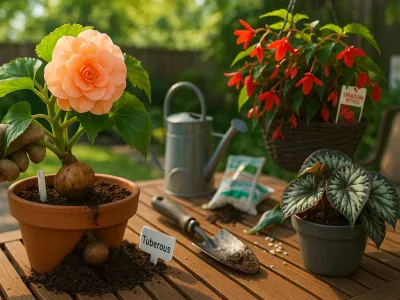
Fact: Begonias (Begonia x semperflorens-cultorum and fibrous types) tolerate shade and humidity. They deliver constant color on non-stop foliage interest. They resist many common pests and are forgiving about irregular watering. Use them in shaded patios, under eaves, or in mixed planters where petunias fail.
Cosmos: Tall, Airy Bedding Plant For A Cottage Look
Fact: Cosmos bipinnatus offers tall stems and delicate flowers that bring a breezy cottage feel. Cosmos tolerates poor soils and hot sun, needs little water once established, and blooms prolifically without much care. Plant cosmos when you want vertical interest and a loose, informal look.
Practical Planting And Care Tips For Replacing Petunias
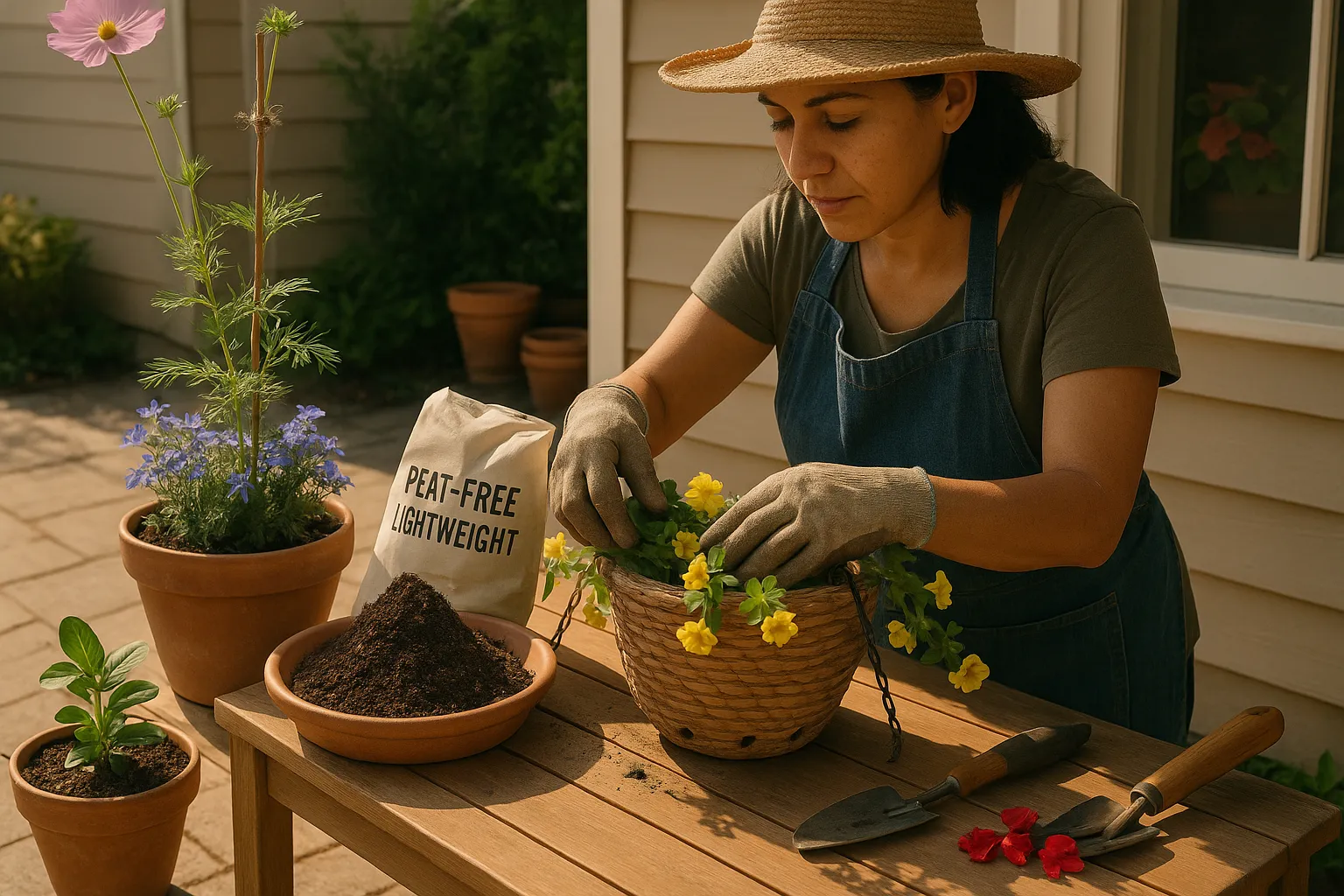
Fact: Replace petunias with proper site prep and matching care routines to avoid early failures.
Soil, Light, And Water Adjustments For Different Alternatives
Fact: Soil and moisture needs differ by species. Calibrachoa and verbena need fast-draining soil with regular feeding. Vinca and geraniums tolerate leaner soils and less water. Lobelia wants consistently moist, rich soil. Improve heavy soil with compost and grit: add peat-free potting mix for containers.
Container And Hanging Basket Recommendations
Fact: Use high-quality potting mix and ensure drainage. Choose lightweight mixes for hanging baskets to reduce strain on hooks. For trailers (calibrachoa, ivy geraniums), plant near the pot edge and allow stems to drape. For tall plants (cosmos), place near the center and stake if wind is a factor.
Fertilizing, Deadheading, And Seasonal Maintenance
Fact: Feed repeat-bloomers with a balanced liquid fertilizer every two weeks. Deadhead spent flowers on geraniums and cosmos to encourage more blooms: allow verbena small shearing midseason to refresh growth. Check for root bound plants and repot or divide as needed. Store tuberous begonias indoors in cold climates: annuals like vinca and calibrachoa are discarded or replanted each year.
Design And Pairing Ideas Using Petunia Alternatives
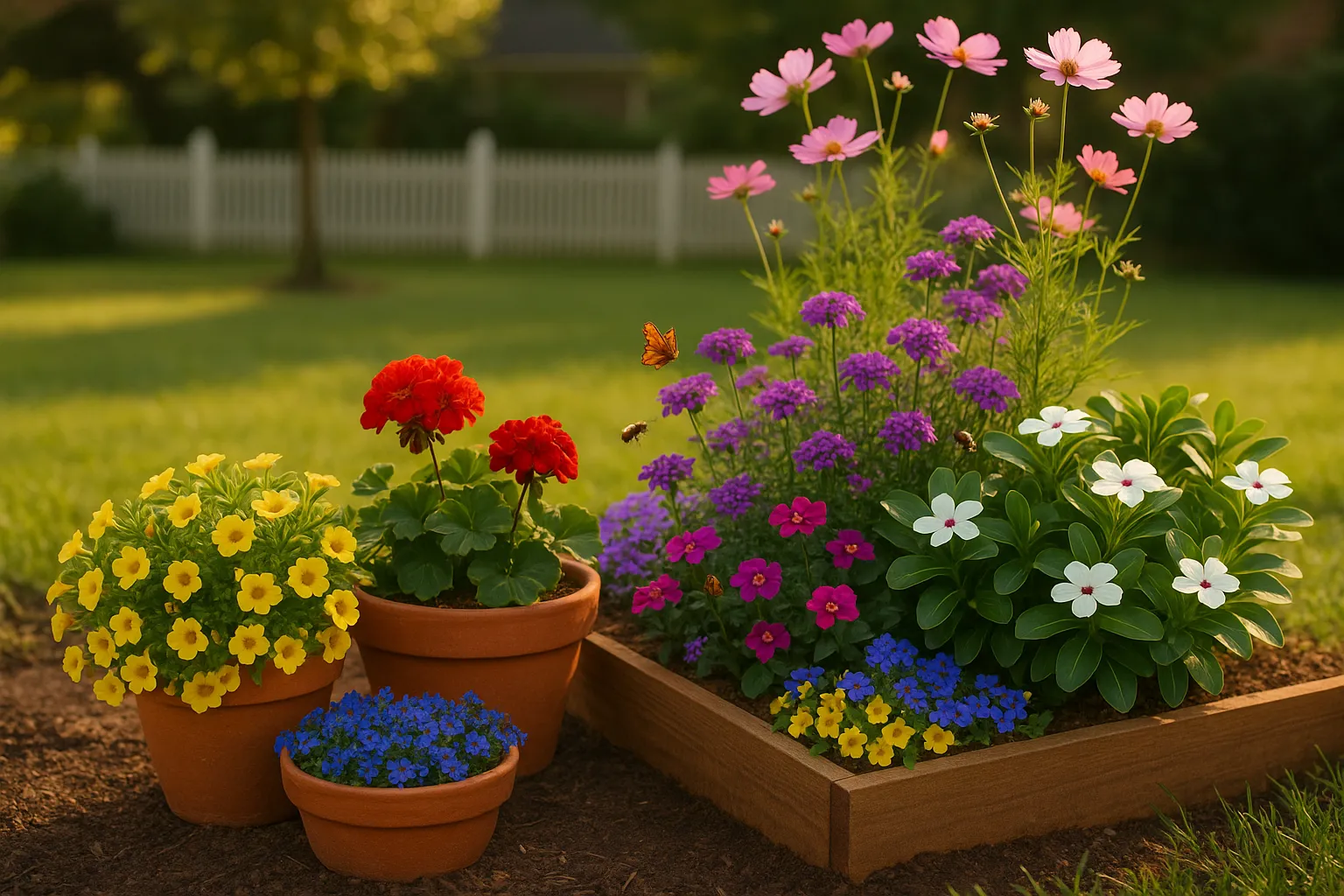
Fact: Combining plants by form and bloom time gives visual interest and better garden performance.
Combining Textures And Heights For Garden Beds
Fact: Mix airy cosmos with compact calibrachoa to create depth. Place tall cosmos or geraniums at the back, medium verbenas in the middle, and low lobelia or vinca at the front. Use foliage contrast, glossy vinca leaves against fine cosmos foliage, to make colors pop.
Color Schemes And Repetition For Containers
Fact: Repeat one color at intervals to tie a container group together. A trio of containers might use geraniums for red accents, calibrachoa for trailing yellow, and lobelia for blue highlights. Repetition of a single color in different textures creates unity and interest.
Using Alternatives In Pollinator And Wildlife Gardens
Fact: Choose verbena and cosmos to support pollinators. Cosmos feeds hoverflies and bees: verbena draws butterflies. Plant in sunny patches with low pesticide use and you’ll see more pollinators visit. Even geraniums add nectar when other sources are scarce.
Common Problems And How To Avoid Them When Switching Plants
Fact: Each alternative brings its own pests, diseases, and climate sensitivities: anticipate them to avoid surprises.
Pests, Diseases, And Climate-Related Issues By Plant Type
Fact: Calibrachoa can get root rot in wet soils: vinca resists many diseases but can suffer leaf spot in humid climates: geraniums sometimes face botrytis in poor air flow. Lobelia struggles in heat: verbena can be powdery if crowded. Use clean soil, space plants for air flow, and remove diseased leaves promptly.
Tips For Extending Bloom Time And Handling Heat Waves
Fact: Extend bloom time by watering early in the morning and mulching to retain moisture. Shade cloth during heat waves reduces sun scorch on lobelia and some begonias. Fertilize judiciously, too much nitrogen gives leaves but few flowers. Pinch leggy stems on annuals like cosmos to encourage branching and more blooms.
Warning: Don’t assume one species fits all beds. Test small, observe, and adjust water and feed after two weeks. You’ll learn what your space really needs and avoid common replacement mistakes.

- When Is the Best Time to Take a Pregnancy Test? - September 29, 2026
- Best Jyotish in Varanasi - September 29, 2026
- Free Alternatives to Koala Sampler - September 28, 2026
by Ellie B, Site Owner / Publisher