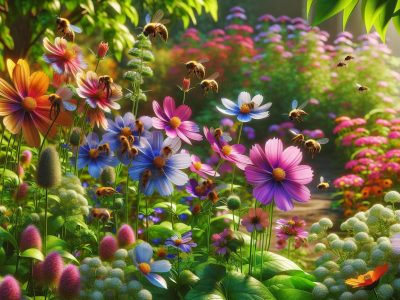
Imagine walking through a garden buzzing with life, where each flower holds a secret to supporting the tiny heroes—pollinators—that keep our world thriving.
Understanding the difference between pollen and nectar might seem like a small detail, but it’s a powerful tool for creating a vibrant, eco-friendly oasis.
Did you know that choosing the right plants can not only attract bees and butterflies but also boost your garden’s resilience against pests?
Let’s uncover how these two treasures—pollen and nectar—can turn your garden into a flourishing sanctuary.
What Are Pollen and Nectar, and Why Do They Matter?
Pollen and nectar are important resources that flowers produce to attract pollinators like bees, butterflies, and birds. These resources help plants reproduce. Pollen is the plant’s genetic material. When pollinators visit flowers, they pick up pollen and carry it to other flowers, helping plants make seeds. Nectar is a sweet liquid that provides energy. Pollinators are drawn to flowers because of the nectar, which acts like a reward for their work.
Flowers also use scent to attract specific pollinators. For example, some flowers smell like fruit to attract fruit-eating birds. Others have a strong, sweet smell to attract bees. These scent signals help pollinators find the right flowers for their needs. Some flowers make more nectar or pollen to attract certain pollinators, while others may use bright colors or patterns.
There are two main views about how flowers attract pollinators. One says flowers mainly use scent and nectar to attract insects and birds. The other says visual signals like color and shape are just as important. Both views show that flowers use different tricks to get pollinators to visit and help in reproduction.
Knowing how flowers use scent and resources helps us understand how they survive and grow. It also helps farmers and gardeners choose the right plants for pollination. But it is also good to remember that some flowers produce less nectar or pollen, so not all plants are equally appealing. This can be a problem if pollinators are scarce.
How Do Flowers Provide Pollen and Nectar?
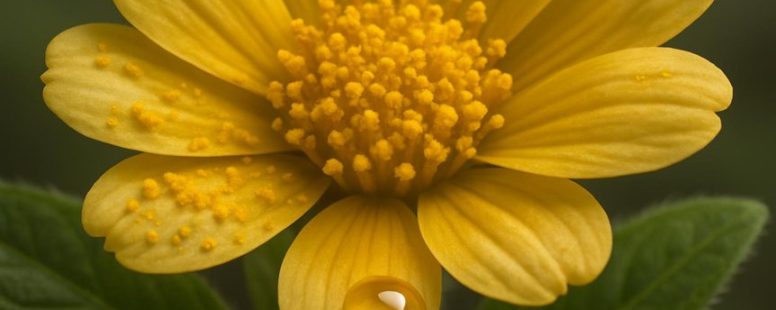
Flowers produce pollen and nectar to attract pollinators like bees, butterflies, and birds. These parts are essential for plant reproduction. The stamens are the structures that make pollen, which plants need to make seeds. Nectar is made in special glands called nectaries, usually located at the base of the flower. Nectar is a sweet liquid that attracts pollinators and gives them energy as they visit flowers.
Some flowers have bright colors and strong smells to catch the attention of pollinators. When a bee or butterfly visits a flower to get nectar, it brushes against the pollen. This pollen then sticks to the pollinator’s body. When the pollinator visits another flower, the pollen can transfer and help the plant produce seeds.
There are different opinions about how effective flowers are at attracting pollinators. Some scientists say bright colors and sweet nectar are enough to get the job done. Others believe that flowers also need unique shapes or scents to stand out.
In some cases, flowers might produce too much nectar, which can attract too many insects and make pollination less efficient. Also, some plants rely on specific pollinators, so if those animals disappear, the plant might have trouble reproducing.
Understanding how flowers make pollen and nectar helps us see why they are so important in nature. They give pollinators a reward for helping plants reproduce, which keeps ecosystems healthy.
Flower Structures and Roles
Flowers have special parts that help them make and spread pollen and nectar. These parts are designed to attract certain pollinators, like bees, birds, or bats. For example, bright colors or strong smells help flowers call out to their favorite pollinators. The scent tells pollinators that food, like nectar, is nearby. Petals, stamens, and nectar-producing glands work together to make sure pollinators visit the right parts of the flower. This helps transfer pollen from one flower to another, which helps plants make seeds and grow. Some flowers are very good at attracting specific pollinators, but others might try to attract many different ones. Both ways can work, but each has its limits. For instance, a flower that relies only on bees might miss out if bees are not around. Overall, flowers are built to guide pollinators and make reproduction happen successfully.
Pollen and Nectar Production
Flowers have special parts that make and hold pollen and nectar. Pollen is tiny grains that contain proteins, fats, and sugars. These ingredients are important because they help pollen stay healthy and help plants reproduce. Flowers grow structures called anthers that hold the pollen grains. When the pollen is ready, the anthers release it so pollinators like bees and butterflies can pick it up.
Nectar is a sweet, sugary liquid stored in small glands called nectaries. The amount of sweetness can change depending on the flower species, but it is always meant to attract pollinators. Flowers carefully control how much nectar they produce so it stays appealing but does not run out too fast. The nectar acts like a treat for pollinators, encouraging them to visit again and again.
Some flowers produce a lot of pollen and nectar, while others produce just enough to get the job done. For example, a sunflower makes lots of pollen and nectar to attract many bees, while a cherry blossom might produce less but still enough to attract pollinators. Both ways work, but which method is best depends on the flower’s needs and the animals it wants to attract.
What Are the Key Differences Between Pollen and Nectar for Pollinators?
Pollen and nectar are both important foods for pollinators like bees and butterflies. But they have different roles and benefits. Pollen is a source of proteins, fats, and minerals. It helps pollinators stay healthy, grow strong, and raise their young. Pollen from different plants gives a variety of nutrients, which helps pollinators survive in many environments. Nectar is mainly made of sugars. It gives quick energy, which helps pollinators fly and stay active. Because nectar is high in energy, pollinators often visit flowers with lots of nectar many times. Pollen is more about long-term health and reproduction. Many pollinators visit both pollen and nectar to stay healthy and do their jobs well. Understanding these differences shows why flowers offer both foods and why pollinators need them both to survive.
Which Plants Attract Pollen-Feeding Bees?
Pollen-feeding bees are attracted to plants that produce lots of pollen. These plants often have special features to make it easier for bees to gather pollen. If you want to attract pollen-collecting bees, look for plants with these traits:
Large, visible anthers that easily release pollen. These are the parts of the flower that hold the pollen, and bees can gather it more quickly when they are easy to see and reach.
Bright colors or unique textures. Bees are drawn to flowers that stand out, signaling that they are rich in pollen.
Open flowers with easy landing spots. These structures let bees land and scrape pollen off without trouble.
Plants with these features focus on providing pollen as their main way to reproduce. They rely on bees to visit often and carry pollen from flower to flower. Knowing what to look for can help you choose plants that support healthy bee populations. For example, sunflowers and daisies have big, open flowers with lots of pollen, making them favorites for pollen-feeding bees. Keep in mind, though, some plants may produce more pollen than bees can handle, so balance is key. By planting the right flowers, you help bees stay strong and healthy as they gather their food.
How Can I Identify Flowers That Offer Nectar for Butterflies?
The best way to find flowers that give nectar for butterflies is to look at their shape and how they are built. Flowers with landing pads or tubular shapes are more likely to have nectar that butterflies want. These shapes make it easy for butterflies to land and reach the nectar inside. For example, milkweed and coneflowers are popular butterfly favorites because of their shape.
Another helpful tip is to look for flowers with nectar guides or markings. These are lines or spots on petals that show butterflies where to find the nectar. They act like arrows guiding the butterfly to the sweet prize inside. Brightly colored flowers such as bee balm or lantana often have these guides.
You also need to think about when and where the flowers bloom. Choose plants that are in season in your area and grow well in your climate. For example, if you live in the southern states, plants like purple coneflowers or butterfly bushes might be in bloom during summer. Checking local planting guides or talking to a garden center can help you pick the best plants for your region.
Some flowers are better than others, but keep in mind that not all flowers with nectar attract butterflies equally. Some might have more nectar or be easier for butterflies to access. Also, avoid flowers that are heavily scented or have extra chemicals, as they might scare away the butterflies.
Flower Shape and Structure
Flowers that attract butterflies for nectar usually have special shapes and structures that help butterflies get to the sweet reward easily. Here are some key features to look for:
Symmetrical shapes. Flowers with either bilateral (mirror image) or radial (circular) symmetry often have a landing spot. This makes it easier for butterflies to land and find nectar. For example, daffodils and lilies have these kinds of shapes.
Petal arrangements. Flowers with long, tube-like petals or extended petals create a natural tunnel. Butterflies insert their proboscis into these tubes to reach nectar. An example is the trumpet-shaped foxglove.
Open, cup-shaped structures. These flowers have wide openings that allow butterflies to land easily and reach the nectar without any obstacle. Think of flowers like daisies or zinnias.
Knowing these features can help you pick flowers that butterflies love. If a flower has a balanced shape and inviting petals, it is more likely to attract butterflies. Sometimes, flowers that look too tight or crowded may be harder for butterflies to access.
Some people prefer certain flowers over others because they are easier for butterflies to use. However, not all flowers with these features will always attract butterflies. Factors like flower color and location also matter. For example, bright colors like red, yellow, and purple are especially appealing.
In short, look for flowers with symmetrical shapes, tubular or elongated petals, and open structures. These are the best choices if you want to see butterflies visit your garden often.
Nectar Guides and Markings
Nectar guides are markings on flowers that help butterflies find nectar. These markings, such as lines or colors that stand out, lead pollinators straight to the nectar source. This makes pollination easier for butterflies and other insects. When I look for flowers with bright or contrasting lines, I know they are more likely to have nectar. This helps me pick plants that attract butterflies in my garden.
Flowers also use scents to show where the nectar is. Some flowers release specific smells that butterflies find appealing. When I see a flower with a strong or sweet scent along with visible markings, I can be pretty sure it has nectar. Combining visual signs with smell makes it easier for butterflies to find food quickly, which helps them pollinate better.
Knowing about nectar guides can help me choose better plants for my garden. For example, plants like bee balm or butterfly bush often have these markings and scents that attract pollinators. But keep in mind that not all flowers with bright colors or smells have nectar. Sometimes, flowers use these features to protect themselves from less interested visitors. So, look for a combination of markings and scents to find the most helpful flowers for butterflies.
Blooming Periods and Locations
Flowers that attract butterflies are best when they bloom at the right times and are planted in good spots. To get butterflies to visit your garden, pick flowers that bloom during busy butterfly seasons like late spring and summer.
First, focus on timing. Look for plants that flower when butterflies are most active. For example, milkweed and coneflowers bloom in summer, which is when many butterflies are feeding. Second, think about where you plant the flowers. Butterflies love sunny spots that are protected from wind and rain. Plant flowers in open, sunny areas for the best results.
Third, choose the right type of flower. Butterflies prefer certain shapes that make it easy for them to sip nectar. Tubular flowers like trumpet vine or flat flowers like daisies are favorites. These shapes give butterflies a place to land and reach the nectar easily.
Some people think planting flowers all year round is best, but it’s not always practical. Some flowers only bloom for a short time, so planting a variety helps keep nectar flowing longer. Also, avoid flowers that do not attract butterflies or don’t produce much nectar.
In the end, understanding when and where flowers bloom helps you attract more butterflies. With the right choices, your garden can become a butterfly haven. Just remember, planting in the right spot and choosing the right flowers are the most important steps.
Garden Tips: Supporting Pollinators With Pollen and Nectar
Supporting pollinators in your garden means giving them the pollen and nectar they need to live and work. Pollen is like protein for bees and butterflies, helping them grow strong. Nectar is a sugary drink that gives them energy. To help pollinators, plant a mix of native flowers that bloom at different times. This way, there is always food available, no matter the season. For example, early blooming crocuses and late blooming goldenrod can keep pollinators fed all year long.
Be careful about pollen allergies. Some plants, like ragweed or certain grasses, produce a lot of airborne pollen that can cause allergy problems for people and visitors. It’s better to choose plants with less airborne pollen, such as sunflowers or coneflowers.
When it comes to collecting nectar, gentle pruning can help. If you prune your plants carefully, they will grow healthier and attract more pollinators. Also, make sure flowers are easy to access. Flowers with shallow, wide shapes are best because they give bees and butterflies a simple way to collect nectar. For example, milkweed and bee balm have shapes that make it easy for pollinators to gather nectar efficiently.
Creating a pollinator-friendly garden is about offering reliable food sources. Keep your plants healthy and accessible, and pollinators will visit more often. Remember, supporting pollinators helps the environment and can even improve your garden’s health. But be aware that some plants might attract more pests or require more maintenance. It’s a good idea to research which plants work best in your area to get the most benefits.
Common Mistakes When Choosing Plants for Pollination
Choosing the right plants is key to attracting pollinators like bees and butterflies. The best plants are those that match the preferences of local pollinators and bloom at different times of the year. If you pick plants they like, they will visit your garden more often. For example, some bees like lavender, while butterflies enjoy milkweed.
One common mistake is planting in the wrong soil or at the wrong time. If plants are put in poor soil or they bloom when pollinators aren’t active, they won’t attract many visitors. Make sure to plant at the right season and in soil that suits the plants. Using tools like a soil test kit can help you know what your soil needs.
Another mistake is choosing plants that are not native to your area. Non-native plants might not attract local pollinators, and they can even harm nearby native plants. For instance, some non-native flowers can spread quickly and push out native species. To avoid this, research which plants are native to your region and beneficial for local pollinators.
Some people think planting a lot of one type of flower is enough. But pollinators need a variety of plants that bloom at different times. Growing a mix of flowers ensures there is always food for pollinators, especially in early spring or late fall. This helps keep pollinator populations healthy and supports local ecosystems.
How Supporting Pollen and Nectar Helps Ecosystem Conservation
Supporting pollen and nectar is a key way to help protect our environment. Pollen and nectar are the main foods for pollinators like bees and butterflies. These insects are important because they help plants grow and produce fruit. Without enough pollen and nectar, pollinators can struggle to find food, which can hurt their populations.
Providing many types of plants that give both pollen and nectar is a simple step to help. Different flowers bloom at different times, giving pollinators food throughout the year. For example, planting lavender, sunflowers, and wildflowers can give bees and butterflies a variety of nutrients. This variety helps them stay healthy and survive tough conditions.
Some people worry that planting flowers might attract too many insects or pests. While it is true that more flowers can bring more insects, it’s usually a good trade-off because pollinators help plants grow, including crops we eat. However, it’s good to choose native plants that fit well with your local environment to avoid problems.
Supporting pollinators with pollen and nectar benefits not just insects but the entire ecosystem. When pollinators do well, they can pollinate many plants that give us food, homes, and shelter for wildlife. This creates a chain that keeps nature healthy and balanced.
To provide the best experiences, we use technologies like cookies to store and/or access device information. Consenting to these technologies will allow us to process data such as browsing behaviour or unique IDs on this site. Not consenting or withdrawing consent, may adversely affect certain features and functions.
Functional
Always active
The technical storage or access is strictly necessary for the legitimate purpose of enabling the use of a specific service explicitly requested by the subscriber or user, or for the sole purpose of carrying out the transmission of a communication over an electronic communications network.
Preferences
The technical storage or access is necessary for the legitimate purpose of storing preferences that are not requested by the subscriber or user.
Statistics
The technical storage or access that is used exclusively for statistical purposes.The technical storage or access that is used exclusively for anonymous statistical purposes. Without a subpoena, voluntary compliance on the part of your Internet Service Provider, or additional records from a third party, information stored or retrieved for this purpose alone cannot usually be used to identify you.
Marketing
The technical storage or access is required to create user profiles to send advertising, or to track the user on a website or across several websites for similar marketing purposes.