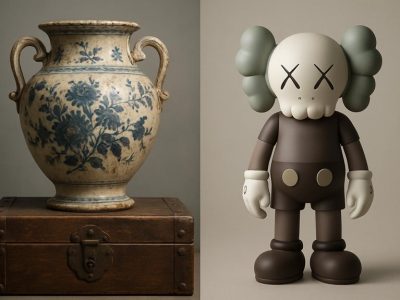
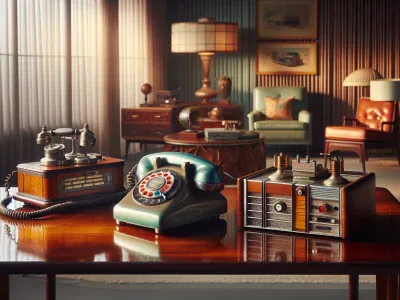
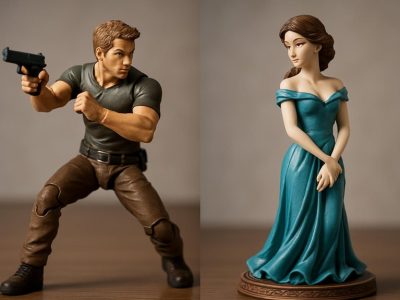
Imagine walking through a market and spotting a dusty, ornate clock and a shiny, unique toy. Both catch your eye, but are they the same?
Many confuse antiques with collectibles, yet they’re worlds apart—like comparing a vintage wine to a rare comic book. Recognizing these differences can unlock hidden treasures and even boost your savings.
Understanding why age isn’t the only factor can turn your hobby into a savvy investment, revealing surprises that could transform your collection from ordinary to extraordinary.
What Makes Something an Antique or Collectible?
Antiques are items that are at least 100 years old. They are valued because of their age, rarity, and history. When I see an antique, I look for signs of craftsmanship and the materials used, which show the style of a past era. For example, a Victorian-era vase or a vintage watch from the 1920s might be considered antiques. Some people believe that antiques are worth more because they have a story or connection to history.
Collectibles are different. They are items that people want because they are rare, unique, or connected to pop culture. Collectibles can be newer items, like limited-edition toys, sports cards, or music memorabilia. These items are often valued for how much people want them right now, not how old they are. For example, a rare comic book or a signed sports jersey could be a collectible even if it is only a few years old.
Some people think that age is the most important part of an antique. Others believe that desirability and trendiness make a collectible valuable. For example, a vintage toy from the 1950s is an antique, but a new limited-edition action figure might be a hot collectible.
It’s good to know these differences because antiques are valued mostly for their history and craftsmanship, while collectibles are valued for how much people desire them. But be careful. Some items may seem like collectibles but are not really rare or valuable. Always do research before buying or selling.
Why Age Matters More for Antiques Than Collectibles
Antiques are items that are valued mainly because of their age. The older they are, the more they are seen as special because they have a story to tell from the past. For example, a 200-year-old chair might be more interesting than a new one because it shows a piece of history. Unlike collectibles, which can be popular based on trends or what people like now, antiques get their worth from how long they’ve been around. This long age makes people feel connected to history and gives the item a unique charm.
Some might say that age is the only thing that really matters for antiques. Others believe that condition, maker, and rarity also play big roles. For example, an old but broken antique might not be worth as much as a well-preserved one. But generally, the key thing that makes something an antique is its age, usually over 100 years old.
Knowing that age is what makes antiques valuable helps you understand why they are different from collectibles. Collectibles like comic books or action figures might become valuable because they are trendy or rare, but antiques are valuable mainly because of how long they’ve existed.
How Rarity and Production Affect Their Value
Rarity and how items are made are the main things that affect their value. When something is rare, meaning not many were made or few still exist, it usually costs more. For example, a rare baseball card or a limited edition toy is often worth a lot because not many people have it. Also, how something is made matters. Items made by hand or with special techniques are often more valuable than mass-produced ones.
Here’s why these points are important:
Items made in small amounts are scarcer, so they tend to be more expensive.
Unique ways of making things make them stand out and seem more special.
Rare items excite collectors and give a sense of owning something exclusive.
Some people might think that age alone makes an item valuable. But it’s really more about how rare it is and how well it was made. For example, a 50-year-old toy might not be worth much if many were made and still exist. But if it was only made once and few are left, it could be worth a lot.
Keep in mind, some items are rare but not very well made, so they might not fetch a high price. And sometimes, mass-produced items become popular because of brand names or trends, even if they aren’t rare.
Knowing what makes something rare or special can help you decide what is worth buying or selling. Sometimes, it’s not just about age but how hard it is to find or how much effort went into making it. If you want to understand the true value of antiques or collectibles, look at both how many exist and how they were made.
Why Cultural and Historical Value Matters for Antiques and Collectibles
Cultural and historical value is very important when it comes to antiques and collectibles. These items are more than just objects because they tell a story from the past. For example, a vintage pocket watch from the 1800s or a painting by a famous artist like Picasso has meaning because of its connection to history and culture.
Having clear proof of where an item came from and its authenticity makes it even more special. If you know a antique from a certain period or place, it helps you understand what life was like back then. Some collectors look for these details because they add to the item’s value and story.
However, some people think that rarity alone makes an antique valuable. While rarity is important, knowing its history and cultural significance makes it more meaningful. For example, a rare coin from the Civil War might be worth more if it has a clear story about how it was used or who owned it.
But there are also some downsides. Sometimes, items are falsely labeled as having cultural value or provenance to make them seem more valuable. Buyers should do research or ask experts to be sure. Plus, not every collector cares about history—some just want rare or shiny things.
In the end, understanding the history and culture behind antiques and collectibles can help you find pieces that are not only valuable but also rich with stories. It makes each item more special and connects us to the past in a real way. Would you want to buy something that has a story behind it or just something rare?
Historical Significance Impact
Historical significance is the most important factor that affects the value of antiques and collectibles. This means that an item’s story and its connection to the past matter more than just how old or rare it is. When I look at an object’s worth, I focus on the history behind it. For example, a painting from the Civil War era might be more valuable because it reminds us of important events, not just because it’s old or hard to find.
Here’s why historical significance matters:
It links us to important moments and stories. For instance, a baseball signed by Babe Ruth is special because it connects us to a legendary player and his era.
It gives emotional meaning. Collecting items with history makes them feel like tangible pieces of the past. Like owning a letter from Abraham Lincoln can make history feel more real.
It can increase the item’s value and help preserve it. Collectors and museums often pay more for objects that have a rich history because they are seen as more important and worth saving.
Some people might focus only on how old or rare an item is. But knowing the story behind an object can make it much more meaningful. For example, a vintage watch might be valuable just because it’s old, but if it once belonged to a famous person, its worth can rise even higher.
However, some warnings exist. Not all items with historical stories are valuable. Sometimes, fake or altered items pretend to have history, tricking buyers. So, it’s smart to do research or get a professional opinion before buying. Also, just because something is old doesn’t mean it has a big story. Some old items are common and don’t hold much value beyond their age.
Cultural Heritage Value
Cultural heritage means more than just old objects. It is what gives antiques and collectibles their special importance. When you see these items, you are not just looking at something physical. You are seeing stories, traditions, and values from a community’s past. This makes antiques different from regular collectibles, which might simply be attractive or fun to own. Antiques carry the history of a place or a culture, helping us remember where we came from.
Some people think adding antiques to their collection is just about having pretty things. But it is also about preserving history. For example, a vintage teapot may look nice, but it also connects us to past generations who used it daily. When you buy an antique, you are helping keep that story alive.
However, not everyone agrees that all antiques are worth keeping. Some items may be damaged or not truly old. It is important to know what makes an item culturally valuable. Not every old thing has history behind it. So, do some research before buying.
Authenticity and Provenance
When you focus on authenticity and provenance, you gain several benefits. You can be more confident that your item is worth what you paid. You will feel more connected to its history and culture. And you will be less likely to fall for scams or fake items. For example, knowing a painting was owned by a famous person or that a vintage watch has a clear history makes it more special.
Some people worry that verifying authenticity can be tough or expensive. That’s true—sometimes it takes expert help or research. But skipping this step can mean buying a fake or a stolen item. It’s like buying a rare coin without checking if it’s real; you might get fooled. Always look into the item’s background and get expert opinions if needed.
Spotting Authentic Antiques vs Collectibles
Knowing if an item is a real antique or just a collectible can be tricky. The main point is to check if it is authentic. Here are some simple steps to help you figure it out.
First, look at the age. True antiques are usually over 100 years old. For example, a Victorian chair from the 1800s is a real antique. If it’s newer, it’s probably just a collectible. But be careful—some new items are made to look old.
Next, examine the wear and craftsmanship. Real antiques often show signs of use, like worn edges or faded paint. Mass-produced collectibles tend to look too perfect or uniform. For example, a hand-carved wooden box might have small dents or scratches that show it has aged.
You can also get a professional opinion. Experts use special tools and tests to confirm if an item is authentic. They might check the materials or look for maker’s marks. Sometimes, scientific tests like carbon dating or X-ray analysis are needed, especially for very valuable pieces.
Provenance, or the item’s history, also helps. If you have documents showing where it came from or who owned it, that makes it more likely to be real. For example, an antique jewelry piece with a certificate of origin is more trustworthy.
However, some people argue that these steps are not foolproof. Fake antiques can sometimes look very convincing, and scientific tests can be expensive. Also, some collectibles are made to look old on purpose.
If you want to avoid mistakes, use a mix of these methods. Start with the age and look for signs of wear. Then, seek expert help if needed. Always ask questions about where the item came from.
Remember, not every antique is worth a lot, and not every collectible is fake. Knowing the difference takes practice and a little skepticism. If you’re careful, you can avoid buying a fake and find true treasures.
Clear Examples Showing Antique and Collectible Differences
Antiques and collectibles are often confused, but they are different. Here’s a simple way to tell them apart. Antiques are items that are at least 100 years old. Collectibles are items people want to keep because they are special, but they might not be very old.
For example, a 1920s vintage radio is an antique because it’s over 100 years old. A limited-edition comic book from 2000 is a collectible because people want it, but it’s not old enough to be an antique. Age is a big factor, but it isn’t the only one. Sometimes, a newer item can be a collectible if many people find it valuable or rare.
Another way to see the difference is in how their value is decided. Antiques get their worth mainly from their age, rarity, and condition. Collectibles often get their value from how popular they are, how rare they are, and how much people want them now. For example, a rare baseball card from the 1950s might be worth thousands because of its age and rarity. A Funko Pop toy might be worth a lot today just because many collectors want it.
Be careful because not everything old is a good antique, and not everything new is just a collectible. Some items look old but are not very valuable. Others, like certain vintage cars or jewelry, can be worth a lot even if they are not very old.
Knowing these key points can help you spot what’s what. Ask yourself: is it really old? Is it rare or popular? These questions can help you decide if something is an antique or a collectible. Remember, both can be valuable, but they are different in how they are judged and appreciated.
Age Criteria Explained
What is the difference between antiques and collectibles?
Antiques are items that are over 100 years old. Collectibles are items that are younger but still valuable. The age of an item helps tell which is which. For example, a vase from the 1800s is an antique. A baseball card from five years ago is a collectible.
Here’s why age is important:
Antiques link us to history. They show us what life was like long ago.
Collectibles remind us of recent memories or trends. They make us nostalgic.
Knowing the age helps you tell if an item is real and rare. This is key for collectors.
Some people think all old things are antiques, but that’s not true. If an item is only 50 years old, it’s usually a collectible, not an antique. Also, not all collectibles are common; some are rare and worth a lot.
Be careful. Sometimes, an item’s age can be hard to tell. Fake antiques or reproductions can trick you. Always check the details or ask an expert.
Different people may see these terms differently. Some might call a vintage car from 60 years ago an antique. Others might say it’s a collectible. It depends on how strict the rule about age is.
Knowing these facts can help you find and value your treasures better. Whether you’re buying, selling, or just collecting, understanding age makes a big difference.
Value Determinants Compared
Knowing how old an item is helps, but it doesn’t tell you everything about its value. The real value depends on things like rarity, condition, and history. For example, a 19th-century clock in perfect shape with a clear story behind it will usually cost more. When it comes to collectibles like limited-edition toys or comic books, market trends and what people want right now affect prices a lot. If a toy suddenly becomes popular, its value can jump quickly. So, for antiques, age is just one factor. Their value stays more stable because it’s based on how important they are historically. For collectibles, prices can change fast because they follow current trends. Knowing this helps you buy or sell smarter. Don’t just think an old item is worth a lot—look at these other things too.
When to Choose Antiques or Collectibles for Your Collection
Choosing between antiques and collectibles depends on what you want from your collection. Here’s a simple guide to help you decide.
Antiques are items that are at least 100 years old. They show you how people lived long ago and often carry a story. If you want to connect with history and enjoy timeless styles that have lasted through the years, antiques are a good pick. For example, a Victorian-era teapot or a 1920s Art Deco necklace can bring a sense of the past into your home. Antiques tend to keep their value or even grow over time, making them a good choice if you’re thinking about long-term worth.
Collectibles are items that are popular now and often have a trendy or fun feel. They might not be very old but are sought after by fans or collectors today. Think of limited-edition toys, sports cards, or pop culture items like Funko Pop figures. If you like to stay current with trends and enjoy playful, modern pieces, collectibles are better. They can be more affordable and easier to find, but their value might go up and down quickly depending on what’s popular.
Here’s what to consider before choosing:
If you want pieces with a real story and history, go for antiques. They are like windows into the past.
If you want items that reflect today’s culture or trends, collectibles are your best bet.
For steady value that might grow over time, antiques often hold their worth better. Collectibles can be more exciting but are also more risky because their value can drop if trends change.
Some people love collecting antiques because they feel special and meaningful. Others prefer the fun of collecting trendy items that are easy to find and swap. Remember, both options have their pluses and minuses. Antiques might cost more and require more care, while collectibles can be flimsy or lose value fast.
To provide the best experiences, we use technologies like cookies to store and/or access device information. Consenting to these technologies will allow us to process data such as browsing behaviour or unique IDs on this site. Not consenting or withdrawing consent, may adversely affect certain features and functions.
Functional
Always active
The technical storage or access is strictly necessary for the legitimate purpose of enabling the use of a specific service explicitly requested by the subscriber or user, or for the sole purpose of carrying out the transmission of a communication over an electronic communications network.
Preferences
The technical storage or access is necessary for the legitimate purpose of storing preferences that are not requested by the subscriber or user.
Statistics
The technical storage or access that is used exclusively for statistical purposes.The technical storage or access that is used exclusively for anonymous statistical purposes. Without a subpoena, voluntary compliance on the part of your Internet Service Provider, or additional records from a third party, information stored or retrieved for this purpose alone cannot usually be used to identify you.
Marketing
The technical storage or access is required to create user profiles to send advertising, or to track the user on a website or across several websites for similar marketing purposes.