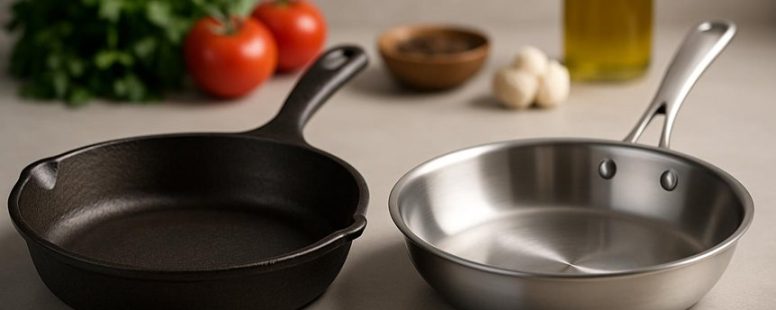
Imagine the sizzle of meat locking in juices as your skillet heats to the perfect temperature. Whether you crave the steady warmth of cast iron or the swift responsiveness of stainless steel, choosing the right pan can transform your cooking routine.
Each offers a unique flavor—one holds heat like a trusty old friend, while the other dances to your command with quick replies. Surprisingly, stainless steel’s non-stick surface can make deglazing a breeze, adding depth to your dishes.
As your training goals evolve, understanding these subtle differences can turn a simple skillet into your secret weapon in the kitchen.
Define Your Skillet Goals for Training
Understanding your skillet goals helps you choose the right one. Your main reason for buying influences what features matter most. For example, if you want quick weeknight meals, look for a skillet that heats up fast and is easy to clean. If you cook on weekends and want to sear steaks or make big batches, pick a skillet that’s sturdy and holds heat well.
Your goals also help decide what to look for in a skillet. Do you want it to respond quickly to temperature changes? Or do you need something that’s simple to care for without much maintenance? Think about how much time you are willing to spend cleaning or repairing it. The way a skillet looks might also motivate you to use it often. Many people like their skillet to match their kitchen style or personal taste.
Brand reputation matters because trusted brands like Lodge or All-Clad usually make reliable products. They also often offer parts or support if something breaks. But keep in mind that very high-end skillets can be expensive, and some budget options might not last as long.
Cast Iron vs Stainless: How Each Holds Heat
Cast iron and stainless steel hold heat differently, and knowing how each works helps you pick the right skillet. Cast iron stores heat deeply and releases it slowly. This makes it good for cooking foods that need steady heat, like frying chicken or making cornbread. Stainless steel heats up quickly and responds fast to changes, so it’s perfect for tasks like sautéing vegetables or making sauces. But stainless cools down faster once you remove it from the heat.
Think about how you cook. If you need to keep a steady temperature, cast iron is better because it holds heat well. Just remember, preheating the cast iron helps it get hot evenly. For quick cooking or when you want to change temperature often, stainless steel is a good choice because it heats up and cools down fast.
Some cooks prefer cast iron for long, slow dishes because it keeps heat steady, while others like stainless steel for quick, responsive work. Both have their pros and cons, so pick based on what kind of cooking you do most. For example, if you like to sear steaks, stainless steel will give you more control. But if you want to make a deep-dish pizza, cast iron might be the better pick.
In the end, understanding how each pan holds heat helps you cook better. Your choice depends on whether you want a pan that keeps heat or one that reacts quickly to changes.
Best Uses: Searing, Sautéing, and Everyday Cooking
Searing is best for quickly cooking meats or vegetables at high heat. It creates a brown crust that adds flavor and texture. This method is great when you want a fast finish that locks in juices. For example, searing a steak in a cast iron skillet gives a tasty, crispy outside.
Sautéing is ideal for cooking ingredients fast with even heat. It uses a skillet that heats up quickly and spreads heat evenly. This makes it easy to move food around so nothing sticks or burns. Sautéing works well for vegetables like peppers or onions when you want them tender and flavorful. A good tip is to keep ingredients moving, like tossing a salad in a bowl.
For everyday cooking, a versatile skillet offers steady heat and easy cleaning. It can handle many tasks, from making breakfast eggs to sautéing chicken. These pans are useful for quick meals and can also prepare more special dishes without needing to switch cookware. For example, you can brown meat, then simmer sauce all in the same pan.
Some people prefer non-stick pans for easy cleanup, but they might not withstand very high heat needed for searing. Cast iron pans are great for searing but can be heavy and need maintenance. Stainless steel pans heat evenly but may stick more if not used carefully. Choosing the right skillet depends on what you cook most often and your budget.
Best Uses: Searing
Searing is when a skillet really shows its worth. Both cast iron and stainless steel pans heat evenly and create a tasty crust on meat or vegetables. Cast iron often beats stainless steel because it keeps heat longer. Searing works best when the pan is hot, and the surface touches what you’re cooking. It’s not about magic but controlling heat and contact.
Cast iron pans hold steady heat, which helps fat melt and a crust form without changing temperature. This makes them great for consistent searing. Stainless steel heats up and cools down quickly. That means you can control the heat more easily, but it might not keep the same temperature as well during long cooking.
To get great searing results, always preheat your pan well. Pat your meat dry so it doesn’t steam and develop a good crust. Think of it like sticking a stamp onto a clean surface. If your pan is hot enough, the surface will turn a deep brown color that shows a nice sear.
Choosing between cast iron and stainless steel depends on what you like. Cast iron is heavy and needs care, like seasoning it regularly. It also looks rustic and old-fashioned, which some people love. Stainless steel is shiny, modern, and easier to clean, but it might not hold heat as long. Some cooks prefer stainless steel for quick adjustments, while others stick with cast iron for steady heat.
Both options have their pros and cons. Cast iron is great for slow, steady searing, but it can be heavy and needs special care. Stainless steel heats up fast and cools down quick, giving more control but sometimes making it harder to keep a steady temperature. Think about how you cook most often: do you want something durable and traditional or sleek and easy to handle? Your choice depends on your routine and style.
Best Uses: Sautéing and Everyday Cooking
Cast iron and stainless steel are great for sautéing and everyday cooking, but knowing when to use each can make your meals better. Cast iron is best when you want to get a crisp, browned surface quickly. It heats evenly and stays hot, which helps build flavor in sauces or when reheating leftovers. For example, a cast iron skillet is perfect for making crispy chicken or searing steaks. But be careful — cast iron can be heavy and takes longer to heat up.
On the other hand, stainless steel pans are easier to handle and clean. They help deglaze pots and lift bits of browned food called fond without sticking. Stainless steel works well for gentle sautéing vegetables or making pan sauces. If you want a shiny, attractive pan that looks good on your stove, stainless steel is a good choice. Some people prefer stainless steel for quick tasks because it heats up fast and cools down quickly too.
When cooking everyday meals, think about what you need. If you want lasting heat for thicker sauces or reheating, a cast iron skillet is a good pick. But if you want a lighter pan that’s easy to clean and handle, stainless steel is better. Both pans have their strengths and some limits. Cast iron can be heavy and requires special care to keep from rusting. Stainless steel can stick if not used carefully, especially with certain foods.
Using the right pan for the job helps you cook better, whether you’re making breakfast, lunch, or dinner. So, keep both in your kitchen. Cast iron is great for rustic, hearty dishes, and stainless steel keeps your daily cooking smooth and easy.
Maintenance Deep Dive: Seasoning, Cleaning, Longevity
Maintaining cast iron and stainless steel skillets is simple if you follow three key steps: seasoning, cleaning, and caring for their lifespan. These steps help your pans stay in good shape so they cook well every time.
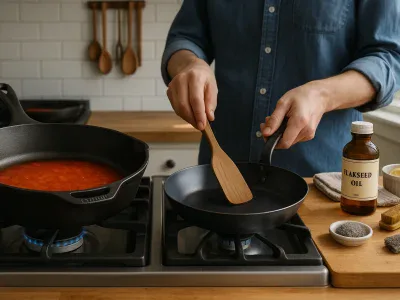
Seasoning is the process of building a protective coating on your skillet. To do this, apply a thin, even layer of oil like vegetable or flaxseed oil all over the surface. Then, heat the pan on medium until the oil smokes lightly. This creates a durable layer that keeps food from sticking and prevents rust. If your skillet looks dull or is used a lot, reapply oil and repeat the process. Think of it like giving your pan a fresh coat of armor.
Cleaning your skillets properly also matters. For cast iron, avoid harsh scrubbers or soap, which can remove the seasoning. Instead, scrub with a stiff brush or coarse salt and rinse with warm water. Dry immediately with a towel or put it on the stove over low heat to prevent rust. Stainless steel pans can be cleaned with warm water, mild soap, and a soft sponge. After washing, dry them right away to keep rust away. Some people worry about soap on cast iron, but small amounts won’t harm the seasoning if you reseason later.
Your skillet’s long life depends on regular care and proper storage. Keep cast iron dry and store it in a dry area to stop rust. For stainless steel, avoid stacking heavy objects that can scratch the surface. Some cooks keep their cast iron in the oven or hang it on the wall to save space. With consistent attention, your skillets can last for decades and even improve with age.
There are different opinions on these steps. Some say you should reseason your cast iron after every few uses, while others only do it when the surface looks dull. Both methods work, but regular maintenance keeps your pans performing well. Remember, even the best tools need care. If you don’t clean or store your skillets properly, they can rust or lose their non-stick surface over time. So, take a few minutes after each use to care for your pans and they will serve you for many years.
Safety and Handling in a Busy Kitchen
Safety in a busy kitchen is very important. You need to know what can hurt you and how to avoid it. Hot surfaces, sharp knives, and busy times can cause accidents if you’re not careful. Always pay attention and stay alert. For example, keep pans organized so you don’t accidentally grab the hot one or trip over a stray utensil.
Using the right tools helps keep everyone safe. Make sure lids are secure on pots and pans before moving them. Move slowly and carefully, especially when the floor is wet or greasy. Slips are common in kitchens, so clean up spills right away. When lifting heavy pots, use your legs instead of your back. Keep your grip firm and avoid twisting your body when corners are crowded. Think of it like lifting a heavy box—use your legs, not your back.
Choosing good cookware also matters. Look for pots and pans with finishes that don’t hide heat or warp easily. Brands like All-Clad and Calphalon make durable options. Good cookware lasts longer and cooks food evenly, making your work safer and easier.
Organizing your workspace is another key step. Place heavy items like pots and cutting boards within easy reach. Keep knives sharp and handles turned away from the edge of counters. These small habits help reduce tiredness and prevent accidents. For example, a well-organized prep area lets you work smoothly without reaching across hot burners or heavy equipment.
Training new cooks is essential. Teach them to respect hot handles and be careful with steam. Clear communication is vital—say, “Hot pan!” when passing by others. This way, everyone knows what’s happening and can avoid getting burned. Practicing simple routines, such as always turning pot handles inward, keeps the kitchen safer over time.
Some people feel safety rules slow things down, but they actually save time by preventing injuries. Others believe safety takes too much effort during busy rushes. Both are true. Staying alert and organized might take a little extra time, but it helps keep the whole team safe and the kitchen running smoothly. Remember, safety is a team effort, and small habits can prevent big accidents.
Value and Durability: Budget, Longevity, and Resale
When choosing cookware, the most important thing is to consider how long it lasts, how much it costs, and how well it keeps its value. The best cookware resists wear and performs well over time.
Cast iron pans are very durable and can last many years if you take care of them. They can handle high heat and are great for searing meat. But they are heavy and can rust if not dried properly after washing. Some people love cast iron for its strength, but others find it too heavy to lift easily.
Stainless steel pans resist rust and are easier to clean. They usually look good even after many uses. However, they can show scratches or dents if you use rough scrubbers or drop them. Stainless steel may warp if heated unevenly or used with very high heat. It’s a good choice for everyday cooking, but may not last as long as cast iron if not maintained carefully.
Value in cookware comes from how well it works over time, not just the initial price. Cheap pans might need replacing often, which adds up. Good cookware made from quality materials can last many years and even have a higher resale value if you want to sell it later. Think about how well the material holds heat, how evenly it heats, and how easy it is to clean.
Weight distribution is also important. A well-balanced pan is easier to use and less tiring. For example, a skillet that feels balanced in your hand helps you cook better and reduces the risk of dropping it. If a pan is too heavy or unbalanced, it can warp or damage the coating, lowering its resale value.
In short, choosing the right cookware depends on how long it lasts, how much it costs over time, and how easy it is to sell later. Some brands like All-Clad and Lodge are known for quality. Remember, a good investment in cookware can save you money and frustration later on.
Build Your Skillet Routine: Quick-Start Plan
A skillet routine is a simple way to cook your meals using a pan like cast iron or stainless steel. It helps you become more confident in the kitchen. Here’s a quick-start plan to help you get started today.
First, set a timer for short practice sessions. For example, spend 10 to 15 minutes each day practicing cooking with your skillet. You could start by making scrambled eggs or simple stir-fries. These dishes are easy and quick, perfect for practice.
Next, focus on key milestones. First, learn how to heat your skillet properly. For cast iron, it’s best to heat it slowly and evenly. For stainless steel, preheat it well before adding ingredients. Then, practice cooking different foods until you get consistent results. Track your progress by noting how your dishes turn out and if your skillet heats evenly.
Set timer benchmarks, like cooking eggs in 3 minutes or stir-frying vegetables in 5 minutes. This helps you build confidence fast because you see how much you can do in a short time. Keep practicing until you can cook a meal smoothly with no sticking or burning.
You can start with either cast iron or stainless steel, depending on what you have and prefer. Cast iron is great for searing and lasts forever, but it can be heavy and takes longer to heat. Stainless steel heats quickly and is lighter but needs careful heating to avoid sticking. Both can give you good results if used correctly.
Quick-Start Skillet Routine
A quick-start skillet routine is about keeping things simple and building habits step by step. The goal is to create a routine that is easy to follow and steady. Start with short, focused sessions to make sure you’re making progress without feeling overwhelmed.
First, pick one type of skillet for a week. For example, you might choose a cast iron or stainless steel pan. Use that time to learn how it heats, how to clean it, and how to season it. This helps you understand what makes each skillet special and how it reacts to your stove.
Next, create a basic routine. This could include warming up the skillet with a quick preheat, then adding a little oil, and cooking a few simple dishes like eggs or grilled cheese. These dishes show off what your skillet does best. Knowing what your pan excels at makes cooking easier and more fun.
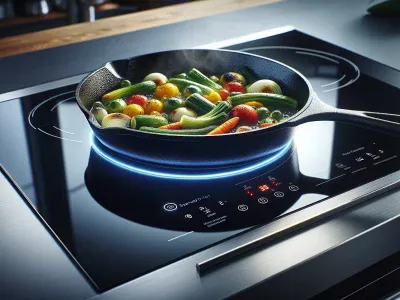
It’s also good to think about the skillet’s qualities. Metal compatibility and heat retention are important. Metal compatibility means if your skillet works well on your stove—gas or electric. Heat retention tells you how well the pan keeps heat, which affects how evenly your food cooks. These traits help you pick the right skillet for your style and stove.
Finally, keep track of your progress in a simple journal. Write down how long it takes to cook, what turned out good, and what you could improve. Maybe you notice that your skillet heats unevenly or that a certain dish sticks. Making small tweaks over time helps you get better and more confident.
Some people might worry that sticking to one skillet feels limiting. But focusing on one pan helps you learn it deeply and makes cooking more predictable. Others might want to try different skillets right away. That can be good too, but it can also be confusing at first. Starting simple lets you build skills without frustration.
Timed Practice Sessions
Timed Practice Sessions
The main goal of timed practice sessions is to help you get better at cooking with different pans. Here’s how to do it step by step. First, start with a 5-minute heat test on your skillet. Watch how fast the pan heats up to the right temperature. This helps you understand how quickly your pan reacts to heat. Next, switch between tasks like preheating, using oil, and changing the heat. This shows how different materials like cast iron or stainless steel respond to your actions. Keep a simple log of your results so you can see what works best. For example, you might notice that cast iron keeps heat longer, which is good for searing. Or, stainless steel heats up faster, making it better for quick tasks. Focus on keeping the heat steady during simmering, searing, and pan-frying. Adjust your timing based on what you learn. Remember, the goal isn’t to be perfect but to build confidence with your routine. With time, these short, focused sessions will help you cook better and faster.
Maintenance Milestones Plan
A Maintenance Milestones Plan helps you keep your cast iron skillet or stainless steel pan in good shape. It gives simple steps to make sure your cookware stays reliable and lasts a long time.
Start with a quick daily check. Wipe down your skillet with a soft cloth, dry it well, and store it somewhere dry. This keeps moisture from causing rust or dullness. Think of it like giving your pan a quick hug each day to keep it happy.
Once a week, do some light maintenance. If needed, season your cast iron or polish your stainless steel. Check for any small rust spots or dull areas. For cast iron, seasoning is like giving it a fresh coat of armor—just rub a little oil on the surface and heat it briefly. For stainless steel, polishing can restore shine and remove fingerprints.
Every month, take a closer look. Inspect handles, lids, and how evenly your pan heats. If you notice food sticking more than usual, it might be time to re-season the cast iron or give the stainless steel a good cleaning. This helps prevent bigger problems later on.
Keep a record of when you do these steps. Use a notebook or calendar to mark your milestones. Seeing your progress makes it easier to stay consistent and catch small issues early. It’s like keeping a journal for your favorite hobby.
This plan helps you stay on track without making a big fuss. Regular maintenance can be quick but makes a big difference. Whether you choose cast iron or stainless steel, taking care of your skillet means it will serve you well in making everything from pancakes to stir-fries. Plus, staying consistent keeps your cooking routine simple and fun.
Pitfalls to Avoid and How to Decide Fast
When choosing between cast iron and stainless steel cookware, the key is to understand what makes each one unique and how they fit your cooking style. Here are some simple steps to help you decide fast.
First, focus on safety. Cast iron needs to be seasoned properly and used with care because it gets very hot and can cause burns. Stainless steel pots also get hot quickly, so always handle them with oven mitts. Both types can be safe if used carefully, but knowing their safety tips helps you avoid accidents.
Second, compare how each material performs. Cast iron keeps heat very well, so food stays hot longer and is great for frying or searing steaks. Stainless steel heats up quickly and responds fast to temperature changes, which helps when you need precise control, like boiling water or making delicate sauces. Think about what you cook most often. Do you want steady heat or quick changes? That choice guides you better.
Third, don’t chase after fancy trends or promises of nonstick coatings. No skillet can stay nonstick forever. Seasoned cast iron can be almost nonstick if cared for, but it still needs some oil and patience. Stainless steel pans can stick if not used properly, but with the right technique, they work well too. Remember, no cookware is perfect for every task.
Finally, try both types for a week. Use them as you normally would and note how they handle different meals. Which one heats faster? Which is easier to clean? After a little testing, you’ll see which fits your kitchen best. This way, you avoid guessing and make a smarter choice based on real use.
In the end, both cast iron and stainless steel have their strengths and weaknesses. Knowing what matters most to you—like heat retention or quick response—helps you pick the right tool. Sometimes, a combination of both is best for variety in your cooking.
To provide the best experiences, we use technologies like cookies to store and/or access device information. Consenting to these technologies will allow us to process data such as browsing behaviour or unique IDs on this site. Not consenting or withdrawing consent, may adversely affect certain features and functions.
Functional
Always active
The technical storage or access is strictly necessary for the legitimate purpose of enabling the use of a specific service explicitly requested by the subscriber or user, or for the sole purpose of carrying out the transmission of a communication over an electronic communications network.
Preferences
The technical storage or access is necessary for the legitimate purpose of storing preferences that are not requested by the subscriber or user.
Statistics
The technical storage or access that is used exclusively for statistical purposes.The technical storage or access that is used exclusively for anonymous statistical purposes. Without a subpoena, voluntary compliance on the part of your Internet Service Provider, or additional records from a third party, information stored or retrieved for this purpose alone cannot usually be used to identify you.
Marketing
The technical storage or access is required to create user profiles to send advertising, or to track the user on a website or across several websites for similar marketing purposes.