Mediterranean Diet Vs DASH Diet: How to Choose Without Second-Guessing
Imagine steering through a vibrant market stall, aroma of fresh herbs swirling around as you choose between two tempting paths. The Mediterranean diet beckons with its bold flavors and colorful variety, offering a feast for the senses and a heart-healthy promise.
Meanwhile, the DASH plan provides a clear, structured route focused on sodium control, like a well-paved highway aimed at lowering blood pressure. Choosing between them isn’t just about taste or rules—it’s about finding a lifestyle that fits seamlessly into your daily rhythm.
There’s a surprising benefit tucked in each, waiting to turn your health journey into an enjoyable adventure rather than a chore. Let’s explore these options, so you can confidently pick the one that feels right and sticks around for the long haul.
Mediterranean vs. DASH: Key Differences
The Mediterranean diet is a way of eating that focuses on whole foods, mainly plants. It uses olive oil as a main fat and includes fish often. This diet is about enjoying flavorful meals and eating with others. It encourages fresh fruits, vegetables, nuts, and grains. People who follow it say it makes food taste better and feels social and relaxing.
The DASH diet is designed to lower blood pressure. It emphasizes eating less salt and choosing lean meats, vegetables, and fruits. It also encourages eating whole grains and low-fat dairy. The main goal is to control sodium intake to help prevent heart problems. It’s simple and straightforward—if salt is a concern, DASH can be a good choice.
Both diets help keep your heart healthy but do it in different ways. The Mediterranean diet is more about enjoying a variety of flavors and foods, especially oils and fish. The DASH diet is more about controlling salt and eating lean proteins and lots of fruits and vegetables.
Choosing between these diets depends on your tastes and needs. If you like flavorful, social meals and variety, the Mediterranean diet might be better. If you want to lower blood pressure through salt control, DASH could be a better fit. Think about what you enjoy eating and your health goals before making a choice.
How to Evaluate Which Plan Fits Your Goals?
Choosing between the Mediterranean and DASH diets can seem tricky. To find the right fit, start by understanding what each diet focuses on and how it matches your goals.
First, know that the Mediterranean diet emphasizes healthy fats like olive oil, fresh vegetables, fruits, nuts, fish, and whole grains. It’s known for being flexible and culturally rich, especially in countries like Greece and Italy. The DASH diet, on the other hand, is designed to lower blood pressure. It emphasizes low-sodium foods, plenty of vegetables, fruits, lean meats, and low-fat dairy. It’s often more structured to help manage health issues.
Next, ask yourself some questions. Do you want a diet that supports heart health or one that helps with overall wellness? Are you comfortable with recipes that include lots of olive oil and seafood, or do you prefer foods lower in salt?
Here are steps to help you decide:
- List your main goals. Do you want to improve heart health, lose weight, or simply eat more balanced meals?
- Think about your daily habits. Do you enjoy cooking often or prefer quick meals? Do you have cultural food preferences?
- Look at how each diet fits your lifestyle. For example, the Mediterranean diet might feel more natural if you like fresh salads and seafood, while DASH might be easier if you already eat lots of vegetables and want to cut salt.
- Check how flexible each plan is. Can you modify meals easily? Do you have access to the groceries needed?
- Try a sample week of each diet. Can you keep up with the meal patterns without feeling deprived? Do you enjoy the flavors?
Finally, consider these key checks:
- Are meal sizes and portions clear? Knowing exactly how much to eat makes sticking to the plan easier.
- Does the diet match your cultural tastes? You’re more likely to stick with what you enjoy.
- Is meal prep simple? If it takes hours to cook, you might not stay consistent.
- Does it fit your activity level? More active people might need more carbs and calories.
- Do you like the foods? Enjoyment is a big part of staying on track.
Remember, both diets have benefits and limits. The Mediterranean diet is praised for its heart benefits and variety. But it can be expensive or hard to find some ingredients. The DASH diet is great for blood pressure but might feel restrictive if you dislike low-salt foods.
Choosing the right diet is about finding what works for your life. Take small steps, see what you enjoy, and adjust as needed. The goal is a plan you can follow week after week without feeling deprived.
Mediterranean Core Foods Versus DASH Core Foods
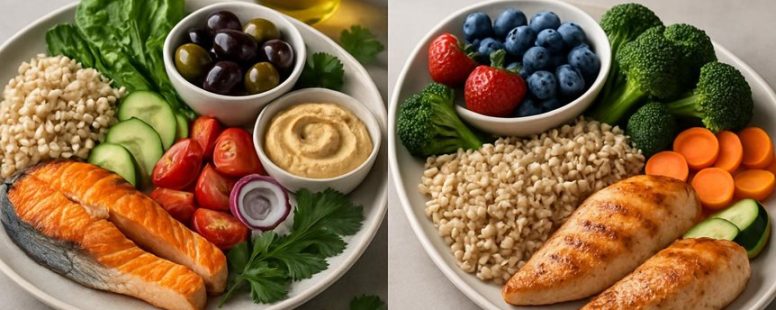
Mediterranean core foods focus on olive oil, fish, fruits, vegetables, whole grains, and nuts. These foods are known for their rich flavors and health benefits. For example, using extra virgin olive oil to cook vegetables or adding fresh herbs gives meals a warm, tasty taste. Fish like salmon or sardines are common choices because they are high in healthy fats. Fruits and vegetables add color and nutrients, making meals both delicious and good for you. Whole grains like brown rice or whole wheat bread are staples, providing fiber and energy. Nuts, such as almonds or walnuts, are snacks that add crunch and healthy fats.
On the other hand, DASH core foods emphasize low-sodium, lean proteins, fruits, vegetables, and low-fat dairy. This plan helps lower blood pressure and is good for your heart. Think of crisp apples, crunchy carrots, and low-fat yogurt as key parts of the diet. Lean proteins like chicken or turkey are preferred because they have less fat. DASH also limits the use of salt and heavy fats, focusing instead on fresh produce and low-fat dairy like skim milk or cottage cheese. These foods are easy to prepare and part of everyday meals.
Both plans include lots of vegetables and whole foods, but they differ in fats and portion sizes. Mediterranean cooking often uses a good amount of olive oil, which adds flavor and healthy fats, but you need to watch the portions. DASH limits fats and emphasizes lean proteins and dairy to help reduce salt and saturated fat intake.
Choosing between these diets depends on your taste and health goals. Mediterranean foods give a warm, flavorful experience with olive oil and herbs, great for those who enjoy bold tastes. DASH offers a lighter, fresher flavor with crisp produce and dairy, perfect for heart health. Understanding these core foods helps you make better meal choices without confusion or guesswork.
Sodium, Fat, and Sugar: How Each Plan Keeps Risk Factors in Check
Sodium, fat, and sugar are the main factors each diet plan controls to help reduce health risks. Knowing how they manage these elements can help you pick the best plan for your life. Let’s look at how each plan handles these key nutrients.
Sodium reduction is a big focus in both plans, but the DASH plan emphasizes lowering sodium even more. For example, DASH recommends cutting back to about 1,500 milligrams of sodium a day, which is less than the usual intake. This can help lower blood pressure and protect your heart. The Mediterranean plan also reduces sodium but allows for more flexibility, focusing on fresh foods and herbs instead of salt.
Fat is moderated through eating healthy fats like those found in fish, nuts, and olive oil. Both plans suggest portion control and choosing good fats over fried or processed foods. They don’t call for completely cutting out fat, but instead, they promote balance. For instance, the Mediterranean diet encourages meals rich in plant oils, which can support heart health. The DASH plan also guides you to pick lean proteins and low-fat dairy, helping you avoid excess fat.
Sugar intake is controlled by choosing whole foods and cutting back on added sugars. Both plans recommend eating fresh fruits, vegetables, and whole grains instead of sugary snacks or drinks. For example, instead of soda, you might drink water infused with fruit. This helps keep blood sugar levels stable and reduces the risk of diabetes.
The Mediterranean diet emphasizes plant-based meals, which naturally have less sodium and fat. For example, a veggie-packed pasta or grilled fish with vegetables are common dishes. DASH uses labels on foods to help you choose balanced options like low-fat dairy and lean meats without feeling deprived. Both approaches support heart health but in different ways.
Some people worry that these diets might feel restrictive. The Mediterranean plan offers more flexibility with flavorful herbs and olive oil, making meals tasty without too much salt or fat. DASH is more strict about sodium but provides clear guidelines to help you stay on track.
Budget Realities: Can You Follow Either Plan on Your Budget?
Budget realities help you decide if either healthy eating plan is affordable for you. When groceries and eating out cost a lot each week, sticking to a plan can be tricky. It’s not just about comparing prices. How much you spend depends on your shopping habits, the foods you like, and local options.
For example, Mediterranean foods like beans, whole grains, and seasonal vegetables often cost less and are easy to include in your meals. On the other hand, lean proteins for a DASH-style diet, like chicken or fish, can be more expensive depending on where you shop. If you live near a farmers market or have access to affordable local stores, you might find it easier to follow one plan over another.
Cultural traditions also influence your food choices. Family meals, local markets, and traditional recipes can make some plans more affordable or appealing. The key is to look at what you usually eat each week and find ways to make small changes that fit your budget and still taste good.
In the end, both plans can work if you adjust them to fit your money situation. Remember, it’s better to start small than to feel overwhelmed trying to do everything at once.
Practical Pitfalls and How to Stay Compliant Long Term
Sticking with a plan can be tricky because small mistakes can add up over time. To stay on track and avoid problems, it helps to know common pitfalls and simple tips for long-term compliance. Here are some practical ideas to keep you moving forward without feeling stressed or overwhelmed.
First, understand that small slip-ups happen. Missing a day or forgetting a step doesn’t mean you failed. The key is to get back on track quickly. For example, if you skip a workout, don’t give up — just do a little extra the next day. This keeps setbacks from turning into bigger problems.
Second, set clear, realistic goals. If your plan feels too hard, you might get discouraged. Break big goals into smaller, easy steps. For instance, instead of aiming to run five miles right away, start with a mile or two. This way, progress feels doable and keeps you motivated.
Third, use reminders and tools to keep yourself accountable. Apps, alarms, or even a buddy can help you stay consistent. For example, if you want to eat healthier, plan your meals ahead and set reminders to prepare them. This makes sticking to your plan easier and less confusing.
Finally, be flexible. Life can throw surprises, like a sudden busy day or an unexpected expense. If your original plan doesn’t fit, adjust it instead of giving up. For example, if you can’t go to the gym, try a quick walk outside. Flexibility helps you stay compliant in real life.
Some people think that sticking perfectly is the only way to succeed, but that’s not true. It’s better to focus on steady progress and learn from mistakes. Remember, small changes over time lead to big results. Keep it simple, stay consistent, and don’t be afraid to adjust when needed.
Practical Pitfalls Ahead
Practical pitfalls can happen when you switch to a Mediterranean or DASH diet. Most of these problems are predictable and can be fixed with a few simple steps. I want to share what I’ve learned so you can stay on track without missing out on meals or fun events. Focus on quick wins that work for both diets, and keep your goals realistic.
- Meal prep is key. Preparing your meals ahead of time saves you time and helps you avoid unhealthy snacks. For example, cook extra grilled chicken or roasted vegetables on Sundays so you have quick options during busy weekdays.
- Simple swaps keep your meals interesting without breaking the plan. Use Greek yogurt instead of sour cream or swap white bread for whole grain. These small changes add up and keep your meals flavorful.
- Social events can be tricky. You can enjoy eating out or at parties without feeling guilty. Look at menus beforehand and choose dishes that fit your diet, like a grilled fish or a veggie salad.
- Reading labels and organizing your pantry helps avoid mistakes. Check for hidden sugars or unhealthy fats in packaged foods. Keep healthy snacks ready so you won’t reach for chips or sweets.
- Checking your progress regularly keeps you motivated. Track your meals or weight once a week. This helps you see how you’re doing and makes adjustments easier without stressing over every small slip.
Some people might think sticking to these diets is hard, but with planning, it becomes easier. Others say they still struggle with cravings or social pressure. Both views are true. It takes time and effort, but most find that small steps make a big difference. Remember, nobody is perfect. Keep your goals simple and celebrate small wins along the way.
Long-Term Compliance Tips
Long-term compliance means sticking to healthy habits over time, not being perfect all the time. The goal is to make habits that fit into your life and are easy to keep. Here are some simple tips to help you stay consistent:
Start with meal planning. Pick simple menus for each week, shop once, and cook in batches. For example, prepare enough chicken or vegetables for several meals. You can swap out proteins or grains if you get bored. Keep healthy staples like nuts or rice nearby so you’re ready when hunger strikes. This makes eating healthy easier and less stressful.
When eating with others, set boundaries calmly. For instance, bring a healthy dish to share or choose smaller portions. You can suggest sharing plates with friends if you want to enjoy a meal without overeating. It’s okay to enjoy social meals, but being mindful helps you stay on track.
Track your progress briefly. Notice patterns like which foods make you feel good or tired. Don’t punish yourself for slip-ups. The goal is small wins over time. Celebrate progress, not perfection. Remember, it’s better to make steady changes than to try for big results overnight.
Build a support network. Family, friends, or online groups can motivate you. Share your goals and ask for encouragement. Having people cheer you on makes it easier to stick with your habits long term.
Some people worry about consistency, but it’s normal to slip sometimes. The key is to keep going. Small, steady steps work better than quick, short-lived efforts. Keep your habits flexible, and don’t get discouraged if things don’t go perfectly. Over time, these habits become part of your daily life.
Customizing for You: Age, Activity, and Medical Considerations
Your age, activity level, and health all influence what and how much you should eat.
First, age is a key factor because your body needs different nutrients at different stages of life. For example, kids need more calcium for growing bones, teens need extra protein for muscle development, and older adults might need more fiber to keep their digestion healthy. As you get older, your portion sizes might decrease, but your need for certain nutrients can go up. Think of it like adjusting the size of a fuel tank for a car — what works at one age might not be enough or might be too much at another.
Second, your activity level matters because it affects how much energy you need. If you are very active, like running or playing sports, your body needs more carbs and calories to keep going and to recover afterward. For someone who is less active, smaller portions with more focus on fruits, vegetables, and whole grains might be better. It’s like choosing the right size of fuel for a trip — a long hike needs more fuel than a short walk.
Third, health conditions also change what you should eat. For example, if you have high blood pressure, you might need to reduce salt intake. If you have diabetes, controlling sugar and carbs becomes important. Sometimes, fats need to be limited or chosen carefully, especially if you have heart problems. These adjustments help keep you safe and comfortable while still enjoying your meals. For instance, instead of fried foods, you could try baked or grilled options.
Some people might see these changes as a way to stay healthy, while others might worry about missing out on favorite foods. It’s a good idea to talk with a doctor or dietitian if you have medical conditions. They can help find the right balance for you.
In short, your age, activity, and health all play roles in shaping a diet that works best. Think of it like tuning a musical instrument — small changes can make a big difference in how well your body performs.
Age-Related Nutritional Needs
As we get older, our nutritional needs change. But the main ideas stay the same: eat a balanced mix of nutrients, watch your portions, and drink enough water. I will give guidance that fits your age without changing your usual diet too much. The goal is to make small, easy changes that help you stay active, energetic, and independent.
- Eat enough protein at each meal. Protein helps keep your muscles strong, which is important as you age. For example, include eggs, chicken, beans, or nuts in your meals.
- Choose foods rich in calcium and vitamin D. These nutrients keep your bones strong. Dairy products like milk and yogurt are good choices, and you can also get vitamin D from sunlight or supplements if needed.
- Keep an eye on iodine, iron, and B12. As you age, your body might not absorb these nutrients as well. Foods like seafood, red meat, and fortified cereals can help.
- Drink water regularly. Older adults often feel less thirsty, so it’s easy to forget to hydrate. Try to drink water with every meal and throughout the day.
- Eat plenty of fiber and whole grains. These foods help your digestion and make you feel full longer. Think of oatmeal, brown rice, or whole wheat bread as good options.
Making these small changes can help you meet your nutritional needs without giving up your favorite meals. If you have health conditions like diabetes or kidney disease, talk to your doctor or a dietitian. They can help you decide what to eat and how much to eat safely. Remember, good nutrition is a key part of staying healthy and active as you age.
Activity Level Adjustments
Eating the right amount of food based on your activity level is key for good energy and recovery. When you exercise, your body needs different nutrients, so adjusting your diet makes a big difference.
For lighter days, like walking or gentle stretching, eat meals with steady carbs, like fruits, vegetables, and whole grains. These give you lasting energy without too many calories. On tougher days, such as running or lifting weights, add more protein and carbs. Protein helps repair muscles, and carbs give quick energy.
It also helps to plan when you eat around your workouts. Have a small snack with carbs before exercising so you’re ready, and eat protein and carbs afterward to help your body recover. You don’t have to stick to a strict schedule, but having a flexible plan makes it easier to stay on track.
Don’t forget to drink plenty of water, especially on active days. Snacks like nuts, yogurt, or fruit work well with most diets, including Mediterranean and DASH patterns.
Some people say you should eat more on active days and less when resting, but others believe your overall diet should stay balanced day to day. Both ideas have pros and cons. For example, eating more carbs before a long run can boost your stamina. However, eating too much on inactive days might lead to unnecessary weight gain.
In short, matching your food intake to your activity level can keep your energy steady, improve workout results, and make meal choices easier. Just listen to your body and adjust as needed.
Medical Condition Considerations
Knowing your medical conditions is important when choosing the Mediterranean or DASH diets. These diets can be adjusted to fit your health needs. For example, if you have diabetes, you may need to watch your blood sugar levels. If you have high blood pressure, lowering salt can help. Kidney disease might mean eating less protein or salt. Food intolerances, like gluten or dairy, can also affect your choices.
Here are some steps to help you make good food choices:
- Talk with your doctor about medications and how much protein you should eat if you have kidney issues.
- Work with your healthcare provider to set limits for salt and fluids, especially if you have high blood pressure or kidney problems.
- After meals, check your blood sugar or blood pressure to see how your body reacts.
- Focus on eating whole grains, beans, vegetables, fruits, and lean meats. These foods support health.
- Plan your meals based on your medical advice and what you enjoy eating.
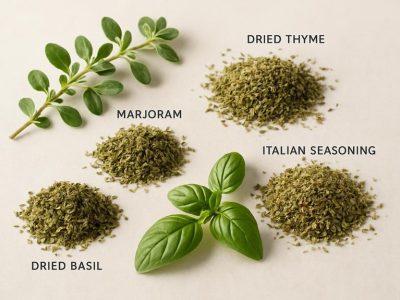
Using herbs and spices from the Mediterranean diet, like basil or cumin, can add flavor without extra salt. For DASH, balancing grains and proteins can help control blood pressure. Always follow your doctor’s advice for your health, and remember that small changes can make a big difference. It’s okay if your diet isn’t perfect. The goal is to find foods that are good for you and that you can enjoy every day.
What Research Says About Weight and Blood Pressure Outcomes for These Plans
Both the Mediterranean and DASH diets are healthy eating plans backed by a lot of research. When it comes to weight and blood pressure, each has its strengths and some differences.
For weight loss, both diets can help you shed pounds if you keep your calories in check. The Mediterranean diet, which focuses on unprocessed foods, fruits, vegetables, whole grains, and healthy fats like olive oil, often helps people lose weight steadily over time. The DASH diet, which emphasizes eating less salt and more fruits and vegetables, can also support weight loss but is especially good at lowering blood pressure quickly.
When it comes to blood pressure, both diets are effective. The DASH diet is designed to lower blood pressure faster because it limits sodium and sets specific goals for salt intake. Many people see their blood pressure drop within a few weeks on DASH. The Mediterranean diet also helps improve blood pressure, mainly because of its focus on healthy fats, fiber, and plant foods.
But results can vary from person to person. How well you stick to the diet, your cultural preferences, and how you prepare your meals all matter. The key isn’t being perfect but staying consistent and making small, manageable changes that you can keep up for the long run.
Think of these diets like different paths up the same mountain. Both can get you to the top, but the route you choose depends on what feels easier and more enjoyable for you.
A Practical Decision Framework: Pick the Best Plan for You
Choosing the best diet plan depends on your lifestyle, what you like to eat, and what you can stick with over time. The Mediterranean and DASH plans both have good points, but the right choice depends on your habits and preferences. Here is a simple way to decide which plan fits you best.
First, look at your daily routines and support system. Do you cook most meals at home or eat out often? Are there people in your family who can help with meal prep? For example, if you enjoy cooking and have time to plan meals, you might prefer the Mediterranean diet, which emphasizes fresh vegetables, olive oil, and fish. If you want a plan that focuses on lowering salt and sugar, the DASH diet might be better.
Next, think about your cultural food habits. Do you already eat foods that match either diet? For instance, if you enjoy Mediterranean foods like hummus, olives, and grilled vegetables, sticking with that plan could be easier. If you prefer foods common in American cuisine, the DASH diet might be simpler to follow.
Try a two-week test. Prepare some meals from each plan and see how they fit into your life. Do you find shopping for the ingredients easy? Is cooking quick enough? Do you feel satisfied after meals? Keep track of how easy or hard it is to stick with each plan.
Finally, decide which plan you can personalize and keep up long term. If you like familiar foods and want flexibility, start with small steps that feel natural. For example, add more vegetables to your meals or cut back on salt gradually. The goal is to make sustainable changes, not perfect ones.
Remember, both diets can work well if they fit your habits and preferences. Some people may prefer the Mediterranean plan for its variety and flavors, while others might find the DASH plan easier because of its focus on reducing salt and processed foods. Be honest about what you enjoy and what you can maintain.
In the end, choosing the right diet is about making smart choices that fit your life. Test different options, see what works best, and remember that small, steady changes are often the most lasting.

- When Is the Best Time to Take a Pregnancy Test? - September 29, 2026
- Best Jyotish in Varanasi - September 29, 2026
- Free Alternatives to Koala Sampler - September 28, 2026
by Ellie B, Site Owner / Publisher