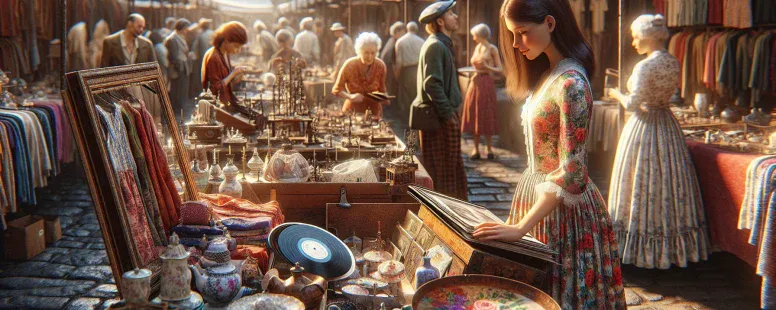
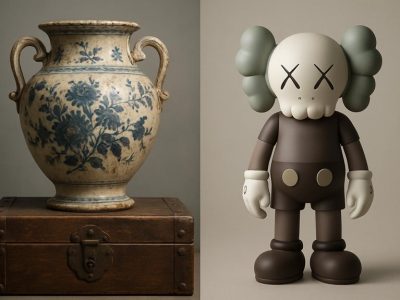
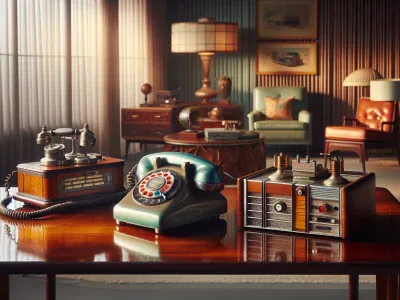
Picture yourself wandering through a sunlit flea market, your fingers brushing over weathered wood, cool porcelain, and delicate lace. Each piece whispers a story from another era, but how do you know if you’re holding a vintage treasure or a true antique? The difference isn’t just about age—it’s a fascinating dance of history, craftsmanship, and culture that shapes what these objects mean to you.
Unraveling the mystery between vintage and antique can transform the way you shop, decorate, or even invest. Discovering the subtle distinctions opens doors to hidden value and unexpected beauty, allowing you to curate a collection that’s both meaningful and unique. Get ready to see your favorite finds in a whole new light.
Understanding the Terms: Vintage vs. Antique
Picture yourself examining a box of old cameras at a sprawling flea market. One camera catches your eye—a polished Leica from the 1960s, sleek and mechanical, built long before your phone fit in a pocket. Across the way, there’s a heavy bronze clock, its hands stopped in eternal suspense, engraved with 1893. Which of these artifacts do you call vintage, which do you call antique? Your curiosity’s valid, and so is the mix of meanings attached to each term.
“Vintage” describes items that capture the spirit of a particular era, usually between 20 to 99 years old, per Smithsonian Magazine. Think of mid-century modern chairs, 1970s vinyl records, or a 1985 Casio wristwatch—each one channels nostalgia and design trends without crossing the rarefied century mark. Sellers often group “vintage” with style or collector appeal, sometimes stretching the meaning for marketing. You might find a typewriter from 1978 labeled vintage, but rarely antique.
“Antique,” on the other hand, signals a strict chronological threshold—100 years old or more, as defined by the US Customs Service and many auction houses. That bronze clock in your hands, clocking in at over a century, fits this term squarely. Antiques usually earn more respect for their craftsmanship, provenance, and scarcity—fine examples include Qing dynasty porcelain, Edwardian jewelry, or 19th-century Persian rugs. The difference’s not only about age, but every year past 100 also deepens an item’s narrative and monetary value.
Both terms evoke questions: Does “vintage” demand historical authenticity or simply retro style? Does an “antique” lose its status if massively reproduced? These debates swirl in collector communities and auction houses worldwide. The lines can get blurry, especially as 21st-century trends revive aesthetics from every period.
If you prioritize investment potential, antiques generally appreciate more steadily due to their rarity, according to Christie’s Auction House sales records. For everyday beauty or practical use, vintage items—like a 1970s Eames lounge chair—combine nostalgic charm with function and affordability.
So next time you’re negotiating for an Art Deco lamp or unboxing your grandmother’s tea set, consider the story it carries, the years it’s survived, and how others might describe it. Is it truly antique, or does its value shines brightest as vintage nostalgia? Your collection, after all, intertwines history, meaning, and that ever-moving line between eras.
Key Characteristics of Antiques
Antiques carry the breath of forgotten centuries, linking you with the artisans and owners who’ve shaped their paths. When a seasoned collector sees a 19th-century clock nestled behind weathered books, they’re not just buying an object—they’re touching time itself.
Age Requirements
Age requirements anchor antique status, setting a clear 100-year threshold for most objects according to the U.S. Customs Service (source: USCBP). If you see a mahogany table stamped “1924,” does it fit the definition? Yes, that edge over 100 years makes it an antique, not just a relic. Skeptics might ask, “Does a mass-produced dish from 1922 count the same as a hand-carved one?” While the rules say age takes priority, craftsmanship and rarity often inform value and desirability. So, while anything aged 100 years or more may wears the badge of antique, market valuation often weighs historic context and originality too.
Historical Significance
Historical significance transforms ordinary items into artifacts of culture and memory. If you found a teacup at a market, but then learned it’s from the Titanic, its worth grows from ordinary porcelain to priceless history. Antiques witness world events, style movements, or personal dramas. Museums and collectors alike search for these connections—was it owned by somebody influential, did it survive a pivotal event, or does its design mark a turning point in technique? Decorative arts historians often debate whether value should lie in the object’s story or just in its beauty. The most sought-after antiques—like Federal-era silver or Art Nouveau lamps—embody both, merging form and backstory. You might think about how your collection, over time, becomes a patchwork quilt of stories rather than just a row of old things.
Antiques, then, aren’t mere objects. They’re intimate messengers form other eras, hidden in plain sight—and always inviting closer inspection.
Defining Vintage: What Sets It Apart?
Vintage items occupy a space that time carved just for them—neither ancient nor simply old, but alive with echoes from the not-so-distant past. When you dig through boxes at an estate sale or browse shelves in a retro shop, you’re not chasing age alone; you’re chasing the mood, context, and energy of a particular era.
Age Range for Vintage Items
Vintage refers to objects typically produced between 20 and 99 years ago—spanning decades such as the roaring 1920s flapper dresses or the vibrant 1970s stereo consoles. If you find a 1965 Fender Stratocaster guitar or a Midcentury Modern Eames chair, both demonstrate classic vintage status. According to the Oxford English Dictionary and appraisal authorities like WorthPoint, an item gains “vintage” credentials when its age marks it as neither too recent nor truly antique, but distinctly period-specific. Sellers often stretch definitions, so while a 15-year-old leather jacket might be labeled vintage, most reputable dealers stick within the 20–99 year range unless discussing niche markets.
Popular Categories of Vintage Goods
You encounter a kaleidoscope of categories in the vintage world. Fashion ranks high: 1950s swing dresses, WWII bomber jackets, and 1980s branded sneakers all spark collector fascination and drive prices upward on sites like Etsy and eBay. Home décor follows, with Pyrex mixing bowls, Helvetica wall clocks, and Art Deco lamps setting the tone for “curated nostalgia.” Audio equipment like Technics turntables and tube amplifiers remain hot choices for audiophiles chasing authentic analog sound.
Surprisingly, vintage technology has exploded as a collector’s market—Nintendo Game Boys, Polaroid cameras, and Apple II computers fetch hundreds, sometimes thousands. Even beverage enthusiasts jump in, with wine described by its vintage, vintage Coca-Cola bottles lining up on collectors’ shelves, and tea caddies bearing decades-old advertising. So the next time you examine a Bakelite telephone or a Levi’s Type III denim jacket, ask yourself, “Does this object resonate with historic design, or is it simply old?”
Recognizing vintage isn’t always about calendar math; it’s about context, usage, and the irreplaceable aura of design periods. When you pick up vintage, you’re holding a distilled essence of an era, not just a relic of time.
The Major Differences Between Vintage and Antique
Deciphering the difference between vintage and antique objects shapes your collecting journey as much as it shapes the destiny of each item. You step into this story with every object you touch—each one a tangible fragment of lost times.
Value and Rarity
Value and rarity define whether an item’s worth rises above the ordinary. Antiques like a hand-carved Jacobean chair or a Tiffany lamp, often are valued because centuries of survival add scarcity and significance, auction records from Sotheby’s and Christie’s show. Rarity in antiques connects closely to historical context—think of a 1912 Titanic menu, only a few known, making every remaining example an echo of disaster and privilege.
Vintage items, like original Levi’s jeans from the 1970s or a first-generation Polaroid, get their value from trend cycles but also nostalgia. Their rarity fluctuates—sometimes, a sudden pop culture revival makes a once-common 1980s boom box shoot up in price almost overnight. Does rarity always mean value? Not always, but value rarely exists without at least some rarity.
Aesthetic and Cultural Influence
Aesthetic and cultural influence ripple differently through antiques and vintage collectibles. Antiques, like an Art Nouveau silver brooch from the late 1800s, embody the design philosophies and artistry of their age, sometimes using hand-forged or rare materials no longer found in contemporary pieces. They shaped the evolution of design, influencing architects, artists, and new generations of creators.
Vintage objects, from Eero Saarinen’s tulip tables to Bakelite radios, broadcast the visual language of the period you sometimes see revived in today’s music videos or fashion runways. Cultural nostalgia forms a bridge between past and present, asking you: Do you like the past for what it was, or for what it makes you feel now? Collectors sometimes chase these icons to tap into a shared memory, like spinning old vinyl for the hiss and pop of the analog era.
Usage and Condition
Usage and condition, for both vintage and antique, tell stories as vivid as any diary entry. Antiques, exposed to centuries of hands and history, might have patina, cracks, or expert restorations—they wear each mark as a badge of survival. For example, a 19th-century Persian rug carries faded dye and worn borders, evidence of countless feet and generations.
Vintage items more often remain functional: you might still play ‘Space Invaders’ on a 1981 Atari or display mid-century Pyrex on your shelf because it’s as charming as it is usable. Condition influences value dramatically, but collectors sometimes favor an original patina over a flawless restoration, chasing the authenticity of something that ‘lived.’
Does a scratch or a faded logo erase value, or whisper back to the item’s adventure through time? Sometimes, the answer lies in the stories you’re willing to see, not just the price tag.
How to Identify Whether an Item Is Vintage or Antique
Strolling through a maze of treasures, you spot a brass lamp. Is is the faded patina of age or the electric shimmer of mid-century design that whispers its story? Figuring out whether you’re handling a vintage or antique item means looking beyond first glances. Age tells you part of the tale, but history etches its signature in every mark, restoration, or even sticker.
Tips for Dating Items
Examining age and production details helps you date vintage and antique objects. Production marks, like a maker’s stamp under a porcelain teacup, act as time travelers—transporting you decades or even centuries back. Many collectors swear by date stamps, zip code styles, or even screw types. For instance, flathead screws often nestle within pre-1920s furniture, whereas Phillips-head ones prefer the later 20th century.
Feeling textures, noticing faded fabrics, and spotting dovetail joints let your fingertips become detectives. An authentic Art Deco clock from the 1930s might have weightier brass parts and bolder geometric inlays compare to 1980s throwbacks. Ask yourself: Does this have signs of genuine wear, or is that rust a clever new trick?
Photographs and catalogs from past eras offer clues, too. Catalogs produced by Sears or Tiffany register styles and prices, like a snapshot of commerce past. Stamps, signatures, patent numbers, and peculiar logos narrate the lexicon of ages.
Question what’s missing as well. Is the back of a painting stamped “Made in Occupied Japan”? That phrase points directly to 1945-1952, giving you a precise slice of time to savor.
Consulting Experts and Resources
Gathering wisdom from certified appraisers, auction houses like Sotheby’s, and museum curators gives clarity where confusion lives. Expert opinions can demystify ambiguous finds, like a faintly-engraved watch or a Baltic amber brooch.
Frequenting forums—Reddit’s r/antique or The Vintage Fashion Guild—connects you with passionate communities, who’ll debate the validity of a 1960s Chanel dress or a Civil War sidearm with the fervor of scholars. Books by Judith Miller or resources on The Smithsonian’s website stand as guideposts for deep dives into identification.
Digital apps, such as WorthPoint or eBay’s sold listings, let your phone become a pocket expert, analyzing data, past sales, and typical values. These cross-reference stylistic details, historical context, and provenance breadcrumbs. Rhetorical questions emerge: Who once owned this battered trunk? How did this phonograph travel continents?
Mistakes will happens—sometimes you’ll be charmed by a clever replica, sometimes you’ll rescue a forgotten relic worth more than you ever dreamed. Ask more questions than you answer. The greatest stories aren’t always told by the loudest objects, but by the ones whose silence invites you to listen just a little longer.
Conclusion
Whether you’re drawn to the nostalgia of vintage finds or the timeless allure of antiques your collecting journey is about more than just age. Every piece you discover adds a new chapter to your story and connects you with the eras and people that came before. Stay curious trust your instincts and let each treasure you find inspire a deeper appreciation for the past and its enduring beauty.
To provide the best experiences, we use technologies like cookies to store and/or access device information. Consenting to these technologies will allow us to process data such as browsing behaviour or unique IDs on this site. Not consenting or withdrawing consent, may adversely affect certain features and functions.
Functional
Always active
The technical storage or access is strictly necessary for the legitimate purpose of enabling the use of a specific service explicitly requested by the subscriber or user, or for the sole purpose of carrying out the transmission of a communication over an electronic communications network.
Preferences
The technical storage or access is necessary for the legitimate purpose of storing preferences that are not requested by the subscriber or user.
Statistics
The technical storage or access that is used exclusively for statistical purposes.The technical storage or access that is used exclusively for anonymous statistical purposes. Without a subpoena, voluntary compliance on the part of your Internet Service Provider, or additional records from a third party, information stored or retrieved for this purpose alone cannot usually be used to identify you.
Marketing
The technical storage or access is required to create user profiles to send advertising, or to track the user on a website or across several websites for similar marketing purposes.