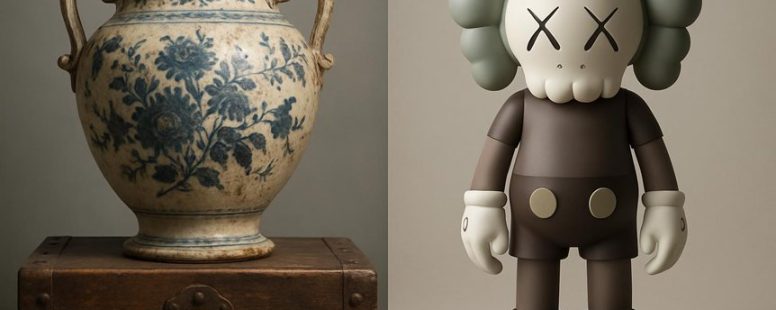
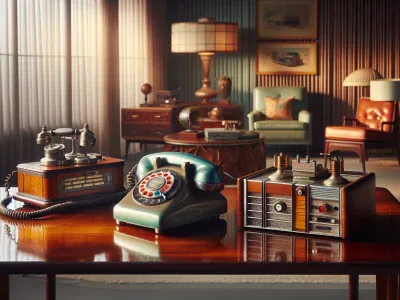
Imagine holding a dusty, centuries-old pocket watch or a vibrant, modern trading card—both spark curiosity, yet they’re worlds apart in value and story. Many people assume all old items are the same, but the true differences between antiques and collectibles can be as striking as night and day.
Knowing these distinctions isn’t just academic; it can turn your cluttered attic into a treasure trove or a savvy investment. Surprisingly, understanding what sets them apart can also help you spot hidden gems others overlook.
Let’s uncover what makes each category unique and why that knowledge matters more than ever.
What Is an Antique, and Why Does Age Matter?
An antique is an item that is at least 100 years old. Age is the main thing that makes something an antique. Items that are less than 100 years old are usually called vintage or collectibles instead. Age matters because it shows how rare and authentic the item really is. For example, a chair made in 1920 has more value and history behind it than a similar-looking chair made today. Older items often have better craftsmanship because they were made by hand, not by machines. They also tell a story about the past.
Some people think all old things are antiques, but that is not true. A 50-year-old lamp might be called vintage, but it is not old enough to be an antique. Knowing the age helps collectors decide if an item is worth money or just a pretty decoration. It also shows how well an item has survived over time. For example, a 100-year-old vase in perfect condition is more valuable than one that is broken or damaged.
However, age is not the only thing that matters. Some modern items can look old but are not true antiques. Also, not all antiques are expensive. Some might be common and not rare at all. So, it is good to learn about an item’s history and condition before buying.
There are different opinions about what makes an antique valuable. Some collectors focus on age, while others look at craftsmanship or rarity. Remember, always check the age and condition of an item before deciding if it is a true antique or just a vintage piece.
How Are Collectibles Different From Antiques in Value and Appeal?
Collectibles are items that gain value mainly from how rare they are and if many people want them right now. For example, a limited-edition baseball card or a rare action figure can be worth a lot because few exist and lots of fans want them. On the other hand, antiques are valued because of their age and history. An old Victorian chair or a 19th-century clock is prized because it’s very old and has historical importance.
People often like collectibles because they look nice or are popular among collectors. For example, some might collect Disney pins because they are colorful and fun. But antiques are appreciated for their craftsmanship and connection to the past. An antique teapot might be valuable because it was made over 100 years ago and shows fine workmanship.
Some collectors prefer items that are trendy or hard to find, while others look for antiques that tell a story about history. Keep in mind, the value of collectibles can change quickly with current trends, and antiques can sometimes be less valuable if they are damaged or not well preserved.
Age and Rarity
Age and rarity are key factors that help tell apart antiques from collectibles. Antiques are usually over 100 years old. Their age often makes them more desirable because they show a piece of history. For example, a Victorian-era chair from the 1800s is considered an antique and can be very valuable.
Collectibles can be much newer but are still valuable because they are rare. For instance, a limited-edition Funko Pop figure made in 2021 might not be old, but if only a few were made, it could be worth a lot. Rarity makes items more appealing because fewer of them exist. A rare ceramic figurine from a famous artist, for example, might sell for thousands of dollars.
The age of an item shows its historical importance and helps verify if it is authentic. Older items like a 1920s Art Deco jewelry piece are more than just pretty—they tell a story. Rarity, on the other hand, boosts an item’s value even if it is not very old. A one-of-a-kind baseball card or a limited edition toy can be worth more than common items.
Some people love antiques because of their age and history. Others prefer collectibles because of how rare they are. Both are valuable, but they appeal to different interests. Remember, just because an item is old doesn’t always mean it is worth a lot. And rare items are not always expensive if they are not in good condition or if many are available.
Knowing what makes something special helps you understand why certain items are more sought after. Whether you collect for history or rarity, both can be exciting and rewarding.
Market Demand Influence
Market demand is a key factor that affects how collectible and antique items are valued. It is the main reason why some items become more popular and fetch higher prices, while others stay steady. When many people want an item, its demand goes up, and so does its price. For example, a limited-edition comic book or a rare baseball card can become very expensive if collectors suddenly want them. On the other hand, antiques, like a Victorian chair or a vintage clock, tend to keep their value because their historical importance makes them desirable over time.
Collectible items are more sensitive to current trends and collector interests. If a new movie makes a toy popular again, its demand can jump quickly. But if the trend fades, the value drops. Antiques are less affected by trends because they are valued for their age and history. Their demand is more stable, making their prices less likely to change suddenly.
Supply also matters. When there are few copies of an item, demand increases, and prices rise. This is true for both collectibles and antiques. But collectible items often see bigger price swings because they are tied to current fads or collector enthusiasm.
Understanding market demand helps explain why some items suddenly become very valuable, while others stay at a steady price. It shows that demand, along with rarity and age, plays a crucial role in how much an item is worth.
Aesthetic and Historical Appeal
Collectibles are items that people want because they look good or connect to current trends. Their main appeal comes from their visual design and how they relate to today’s pop culture, sports, or media. Unlike antiques, which are valued for their history, collectibles attract attention through their colorful styles and symbols linked to modern interests.
Collectibles often have bright colors and creative styles that match what people like right now. For example, trading cards from popular sports teams or toys from recent movies are eye-catching and reflect current tastes.
They show cultural symbols related to things like movies, music, or sports stars. Think of Funko Pop figures of Marvel superheroes or sneakers designed by famous brands like Nike or Adidas.
Their visual impact can make them attractive quickly. People might love a shiny action figure or a vibrant poster just because it looks good, not because it’s old or historically important.
Antiques, on the other hand, usually have deeper meaning. They often tell stories about the past and show craftsmanship from a different time. This gives antiques a sense of history and emotional value that collectibles might not have.
Some people prefer collectibles because they are more colorful and modern. Others like antiques because they connect to the past. It’s good to remember that collectibles can sometimes lose value if trends change, and antiques might be harder to find or more expensive because of their age. Both types of items can be valuable, but they appeal to different interests and reasons for collecting.
How to Identify an Antique vs. a Collectible: Key Criteria
The easiest way to tell if an item is an antique or a collectible is to look at a few key things. First, antiques are usually at least 100 years old. For example, a Victorian-era chair from the 1800s is likely an antique. Collectibles can be newer items that are special because they are rare or popular, like a limited-edition toy or a sports card.
Next, check the craftsmanship. Antiques often show signs of handwork and traditional techniques. You might see hand-carved details or old-fashioned joinery. Collectibles, on the other hand, are often mass-produced with machine-made parts. For example, a handmade pottery vase might be an antique, while a plastic action figure is probably just a collectible.
Look closely at the materials and how the item was made. Antiques usually have signs of age such as tarnish, wear, or fading. They might also be made with materials no longer common, like hand-blown glass or hand-woven fabrics. Collectibles might look newer but can still be valuable if they are rare or in mint condition.
A good rule of thumb is to ask, “How old is this item?” and “Was it made by hand or machine?” Both questions help you decide if it’s an antique or a collectible. Keep in mind, some collectibles can be worth lots of money, but they are not necessarily old. Also, some antiques might not be very valuable if they are damaged or not well preserved.
Why Do Historical Significance and Authenticity Matter?
Understanding what makes an item historically significant or authentic helps you see why it matters. A historically significant object has a special story behind it. For example, a statue from the Civil War or a letter from George Washington gives you a peek into the past. Authenticity means the item is real and not a fake. Knowing this makes a big difference when deciding how much an object is worth.
Here are four reasons why these things matter:
They give you a real connection to history. When you hold a piece of the past, it feels more real and meaningful. For example, owning a real ancient coin is different from a replica.
They make the item rare and more desirable. Rare objects are sought after by collectors. For example, a limited edition baseball card from the 1950s can be very valuable because few still exist.
They help you understand the stories and cultures of different times. For example, an authentic Viking sword shows how people lived and fought long ago.
They protect you from buying fakes or misrepresented items. Sometimes, fake antiques look real but are not. Knowing how to verify authenticity saves you from losing money.
Common Mistakes When Looking at Antiques and Collectibles
When looking at antiques and collectibles, knowing what to watch out for can save you from making costly mistakes. One key point is that many buyers confuse fake reproductions with real items. For example, if you buy a vintage vase that is a modern copy, it will be worth much less than an original. Always check details like maker marks, signs of aging, and craftsmanship to verify if an item is authentic. Some reproductions look very similar to the real thing, so take your time and do research before buying.
Another mistake is thinking that rare items are always valuable. Sometimes, an object looks rare but is actually common or easy to find. For instance, a popular collectible toy might be easy to find because many were made, which lowers its value. But if an item is rare, it can be worth more. Be aware that market trends also matter. When many people want the same thing, prices go up, but if everyone has the same item, its value can drop.
It’s also easy to overestimate what an item is worth just because it looks old or unusual. Always examine the details closely. If you plan to buy something expensive, it helps to get an expert opinion or check online sources like the Antique Roadshow or specialized collector forums. Remember that modern reproductions can deceive even experienced collectors.
In short, to avoid mistakes, look carefully at each piece, verify if it is authentic, and stay aware of how market trends affect prices. These steps can help you make smarter choices and find true treasures in the world of antiques and collectibles.
How Market Trends Affect the Value of Antiques and Collectibles
Market trends have a big impact on how much antiques and collectibles are worth. Sometimes, what’s popular or trendy can make prices go up even if the item isn’t very old or rare. For example, during a pop culture comeback, like a new movie featuring old toys, the prices for those toys can rise quickly. But these prices might not last long if the trend fades.
Market speculation can also cause prices to rise temporarily. People may buy items hoping to sell them later for more money. This can create a bubble that will eventually burst when buyers lose interest. A good example is when Beanie Babies became super popular in the 1990s, and then their value dropped suddenly.
Seasonal changes also influence what people buy. Holiday collectibles like Christmas ornaments or Halloween decorations tend to sell better around those times. If you try to sell these items out of season, you might not get as much money.
Economic conditions matter too. When the economy is weak, people usually spend less on collectibles, which lowers their value. On the other hand, during a strong economy, collectors might be willing to pay more.
Collector interests change over time. For instance, younger collectors might prefer modern art or pop culture items, while older collectors focus on antiques from the 1800s. This shift can cause the value of certain items to go up or down.
Some people believe that keeping an eye on these trends can help you buy low and sell high. But be careful. Trends can change quickly, and what’s hot today might not be tomorrow. So, while trend awareness is helpful, it’s not a guarantee of making money. It’s always good to do your research and not get caught up in hype.
How to Verify the Authenticity of an Antique or Collectible
The best way to verify if an antique or collectible is real is to check its history and paperwork. Start by looking for any documents that show where it came from, like receipts, certificates, or previous appraisals. If these are missing, the item might be fake or altered.
Next, consulting an expert appraiser can help. These professionals know how to tell real antiques from fakes. They look at the details, materials, and craftsmanship to see if everything matches the item’s supposed age and origin. For example, a jewelry appraiser can tell if a vintage ring’s gold and stones are authentic or fake.
Some people also compare similar items online or in books. This gives them an idea of what real items look like. However, be careful—fakes can sometimes look very convincing. Keep in mind that even experts can be fooled, especially with high-quality forgeries.
Always remember that no single test can guarantee authenticity. Sometimes, a fake can pass initial checks, so it’s best to get a second opinion or do multiple checks. Also, be aware that some collectibles are easier to verify than others. For example, a rare coin with a clear mint mark is easier to authenticate than a handmade pottery piece.
In the end, verifying a collectible is part science and part art. It’s worth taking your time and asking questions. If you’re unsure, buying from reputable dealers or auction houses can also help ensure what you get is real.
Examine Provenance and Documentation
Provenance and documentation help prove if an antique or collectible is real. Provenance is the history of who owned the item in the past. Good records show where the item came from and can prove it is authentic. Documentation includes official papers like certificates of authenticity and appraisals. These records are important because they support claims about where the item came from and how much it is worth.
To check if an item’s provenance is real, you can do these simple steps:
Look at ownership records or sales receipts from previous owners.
Find any certificates of authenticity or official appraisals.
Compare the item with catalogs from past auctions or galleries.
Search historical records or expert databases online.
Some people worry that fake items may have false provenance or fake papers. It’s good to be cautious and double-check everything. Remember, even with good records, some fakes can still look real. Always consider getting advice from a trusted expert or appraiser.
Knowing the item’s history and having proper documents makes it easier to tell if an antique is real or not. It also helps you feel more confident when buying or selling. But be aware that sometimes records can be lost or faked, so always stay careful.
Consult Expert Appraisers
When you want to know if an item is real or fake, consulting a trusted expert appraiser is the best way. An appraiser is someone who knows how to tell if vintage fashion pieces or collectibles are authentic. They look for small details that only an expert can see, like special stitches or materials from a certain time period. For example, a jewelry appraiser can spot a genuine vintage ring by checking the maker’s marks and metal quality.
There are two main reasons to get an appraisal. First, it helps you make sure the item is real before you buy or sell. Second, it tells you how much the item is worth. But be careful; not all appraisers are equally good. Some may have more experience with certain types of items like designer handbags or antique watches.
To get the best results, follow these steps. First, find a reputable appraiser with good reviews or certifications. Second, bring the item in person so they can examine it closely. Third, ask questions about how they determine authenticity and value. Keep in mind, some fakes are very well made and can fool even experts. So, even with an appraisal, there’s no 100 percent guarantee.
Some people believe that professional appraisals are worth the cost because they protect your investment. Others warn that not all appraisers are equally skilled, and you could pay for an opinion that is not accurate. It’s smart to get a second opinion if you’re unsure. Remember, an appraisal is a helpful tool, but no method is perfect.
Are Antiques or Collectibles Better Investments?
Antiques and collectibles can both be good investments, but they have different strengths. Understanding these differences will help you decide which one is better for you.
Antiques are items that are at least 100 years old. They usually gain value over time because they are rare and have historical importance. For example, a Victorian-era chair or a vintage jewelry piece might become more valuable as years go by. Antiques tend to be safer investments because their worth often increases gradually.
Collectibles are items that are popular now, like limited-edition toys, trading cards, or comic books. Their value depends a lot on current trends and pop culture. For example, a rare baseball card might be worth a lot today but less tomorrow if it falls out of favor. Collectibles can be riskier but sometimes give quick rewards if you buy the right item at the right time.
Digital tools now help investors track market trends and check prices for both antiques and collectibles. Websites like eBay or Heritage Auctions can give you real-time prices, making it easier to decide when to buy or sell.
Some people prefer antiques because they usually keep or increase their value over many years. Others like collectibles because they can become very valuable quickly, especially if they are in high demand. However, collectibles are more risky because their value can drop fast if trends change.
In the end, deciding which is better depends on how much risk you are willing to take and how well you follow the market. Both antiques and collectibles have their place, but knowing their differences can help you make smarter investments.
How to Properly Care for and Preserve Your Items
To properly care for and preserve your antiques and collectibles, follow some simple steps. First, handle them with clean, dry hands. Touching them with dirty or moist hands can cause damage or stains over time. Avoid unnecessary touching because oils from your skin can harm fragile surfaces.
Next, store your items in a cool, dry place. Keep them away from direct sunlight and extreme heat or cold. Sunlight can fade colors, and temperature swings can crack or warp delicate materials. For example, display a vintage vase in a spot that doesn’t get direct sunlight, like a shaded shelf.
Some collectors prefer using gloves when handling particularly valuable or fragile items. Cotton gloves can protect surfaces from oils and dirt, but they can also make handling more difficult if not used carefully. Think about your item’s value and fragility when choosing whether to wear gloves.
There are two main viewpoints about storage. Some experts suggest keeping collectibles in display cases to protect them from dust and accidental damage. Others believe that occasional gentle cleaning and proper handling are enough, as long as the items are stored in a suitable environment.
Remember, proper care can keep your treasures looking great and preserve their value. But, be aware of your items’ specific needs. For example, paper collectibles like old letters need to stay dry, while metal antiques might need rust protection. Always research or ask a professional if you’re unsure.
Taking these small steps helps ensure your antiques and collectibles stay beautiful for many years, just like treasured family stories passed down through generations.
Proper Handling Techniques
Proper handling is key to keeping your antiques and collectibles in good shape. When you handle your items, always put safety first to avoid damage. Use clean, dry hands or wear cotton gloves to stop oils and dirt from transferring. For example, wearing gloves is like giving your items a gentle hug—protecting them from dirty fingerprints. Be gentle with your items and avoid sudden movements or squeezing that could cause breakage.
When cleaning, always use soft tools like microfiber cloths or soft brushes. Avoid harsh chemicals because they can harm delicate surfaces. For instance, a soft brush can gently remove dust from a fragile porcelain figurine without scratching it. Keep fragile items supported, especially when moving them. Lift heavy or delicate pieces from sturdy spots, like a table or shelf, to prevent dropping or breaking them.
Never try to force open clasps or fittings. For example, if a jewelry clasp is stuck, do not yank it open—try gently wiggling or using a bit of lubricant instead. Remember, handling your antiques carefully helps keep their value and beauty for years to come.
Here are some simple rules to follow: handle items with clean hands or gloves, support fragile pieces fully when moving, use gentle cleaning tools, and move items slowly and carefully. Following these steps can save you from costly repairs and preserve the charm of your collection for generations.
Optimal Storage Conditions
Keeping your antiques and collectibles in good shape depends on the right storage conditions. The most important thing is controlling the climate. Stable humidity and temperature help prevent damage like warping or cracking. Too much heat or cold can speed up deterioration. For example, storing items in a place that stays cool and not too damp is best.
Lighting is also key. Bright lights and direct sunlight, especially UV rays, can fade colors and weaken materials over time. Using soft, indirect light can protect your items. Keep them away from windows or bright bulbs to avoid damage. Many collectors use special LED lights that don’t produce much heat or UV rays.
Proper storage means using acid-free boxes or tissue paper. Avoid overcrowding your shelves because it can cause scratches or bending. Imagine stacking too many books together; they can get bent or damaged. Checking the environment often is a good idea. It helps you catch problems early before they cause serious damage.
Some people think that just storing items in a dark box is enough, but that can lead to mold or mold growth if the environment is too humid. Others prefer display cases with controlled lighting. Both ways can work, but each has its limits.
Getting Started: Tips for Beginners Collecting Antiques and Collectibles
Starting your journey into collecting antiques and collectibles is exciting but can be confusing. Here are some simple tips to help you get started.
First, know what is popular now. Look at online marketplaces like eBay and Etsy, or join collector forums. These sites show what people are buying and what is in style. For example, vintage toys or 1950s jewelry might be trending right now. Seeing what others collect can give you ideas.
Second, make a clear budget. Decide how much money you want to spend each month. This helps you avoid buying too many items on impulse. It also keeps your collection manageable. Some collectors start small and add only a few pieces each year.
Third, learn about your items before buying. Find out their history and if they are real antiques or just copies. For example, a rare coin or a vintage postcard can be worth a lot if authentic. Check trusted sources like books or websites. Some fake items look real but aren’t worth much. It’s good to ask experienced collectors for advice.
Fourth, connect with other collectors. Join local clubs or online groups. Talking to people who share your hobby can give you tips and support. They might tell you where to find good items or how to spot fakes. Building these connections makes collecting more fun and less lonely.
Remember, collecting takes patience. Sometimes you won’t find what you want right away, and that’s okay. Curiosity and a little bit of risk help you learn. As you get more confident, your collection will show what you love and what you understand about antiques and collectibles. Some people warn that it can become expensive if you’re not careful, so always stick to your budget. Others say that the thrill of finding a rare item makes it all worth it.
In the end, collecting should be fun. Enjoy the journey and keep learning. Your collection will grow with your passion and knowledge.
To provide the best experiences, we use technologies like cookies to store and/or access device information. Consenting to these technologies will allow us to process data such as browsing behaviour or unique IDs on this site. Not consenting or withdrawing consent, may adversely affect certain features and functions.
Functional
Always active
The technical storage or access is strictly necessary for the legitimate purpose of enabling the use of a specific service explicitly requested by the subscriber or user, or for the sole purpose of carrying out the transmission of a communication over an electronic communications network.
Preferences
The technical storage or access is necessary for the legitimate purpose of storing preferences that are not requested by the subscriber or user.
Statistics
The technical storage or access that is used exclusively for statistical purposes.The technical storage or access that is used exclusively for anonymous statistical purposes. Without a subpoena, voluntary compliance on the part of your Internet Service Provider, or additional records from a third party, information stored or retrieved for this purpose alone cannot usually be used to identify you.
Marketing
The technical storage or access is required to create user profiles to send advertising, or to track the user on a website or across several websites for similar marketing purposes.