In an age where smartphones and digital devices dominate our lives, the art of telling time from a clock can seem like an antiquated skill. Yet, mastering this essential ability not only connects us to tradition but also sharpens our awareness of time in our daily routines. Imagine walking into a room filled with ticking clocks, each one echoing the rhythm of everyday life. How do you decipher what they are conveying? Understanding the fundamental components of clocks, whether digital or analog, equips us to navigate our schedules with precision. This guide will illuminate the methods of reading time and enhance our daily interactions with these timeless devices, revealing surprising benefits hidden beneath their faces.
Understanding Clock Fundamentals
Before we jump into the details of telling time, it’s essential to grasp some fundamental concepts about clocks. Knowing what types we have at our disposal and what makes them tick is crucial.
Types of Clocks
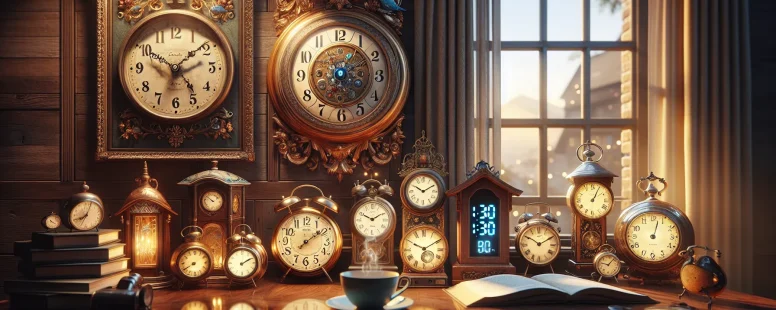
Clocks come in various forms, analog, digital, wall clocks, wristwatches, and even smartwatches. Analog clocks are those with hands that rotate around a dial, while digital clocks display time numerically. Each type has its unique charm and practical applications:
Wall Clocks: Common in public spaces, they often have large faces for easy readability.
Wristwatches: Portable timepieces that help us keep track of time on the go. A quality watch strap is worth examining closely — just as you would when trying to tell real leather from fake, where surface texture reveals the truth.
Smartwatches: Besides displaying time, these devices offer a myriad of features such as fitness tracking and notifications.
Parts of a Traditional Analog Clock
Understanding the parts of a clock can significantly enhance our ability to tell the time:
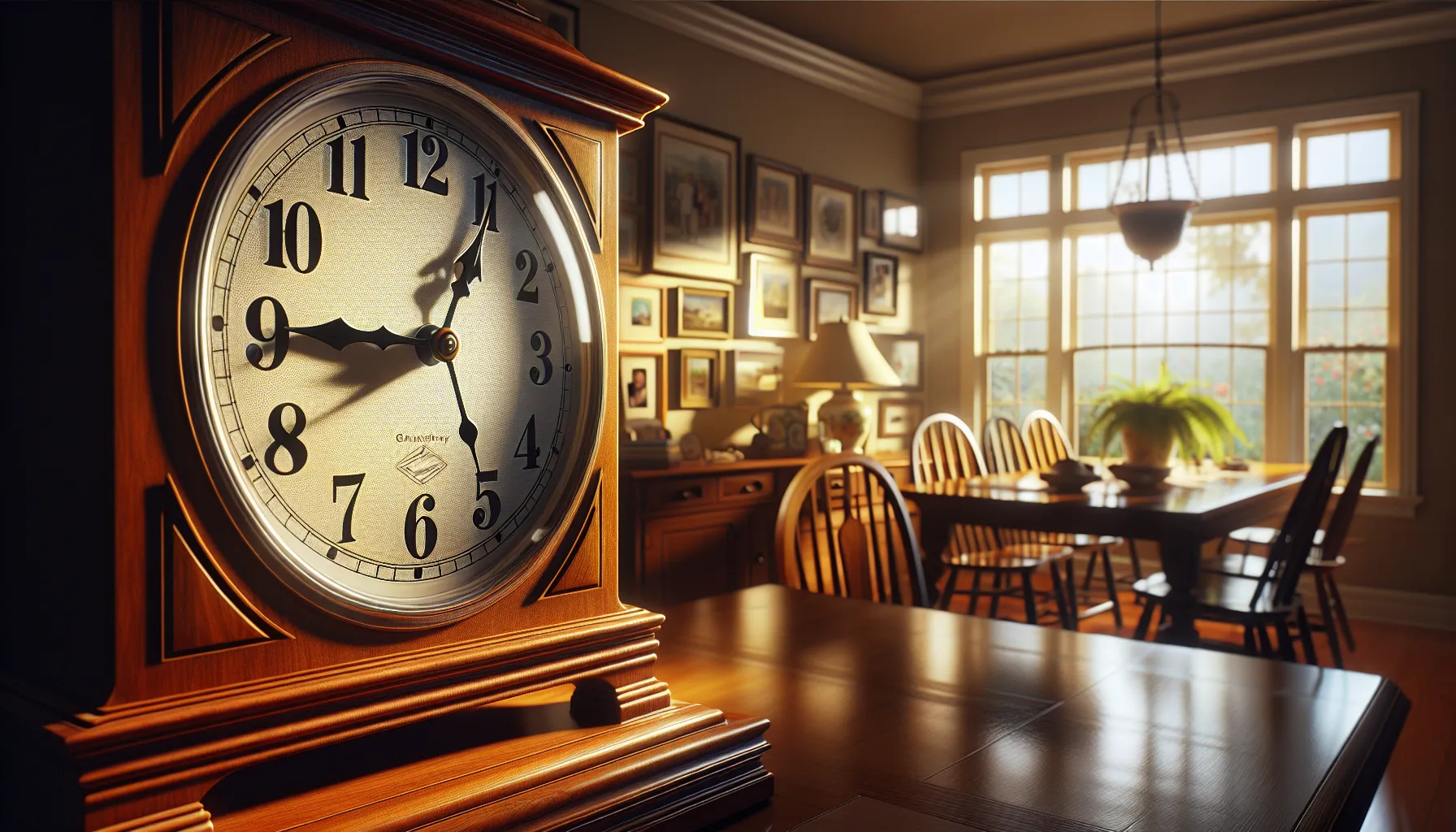
Hour Hand: The shorter hand that indicates the hour.
Minute Hand: The longer hand that points to the minutes.
Second Hand: Often a thin hand that moves continuously around the dial in seconds.
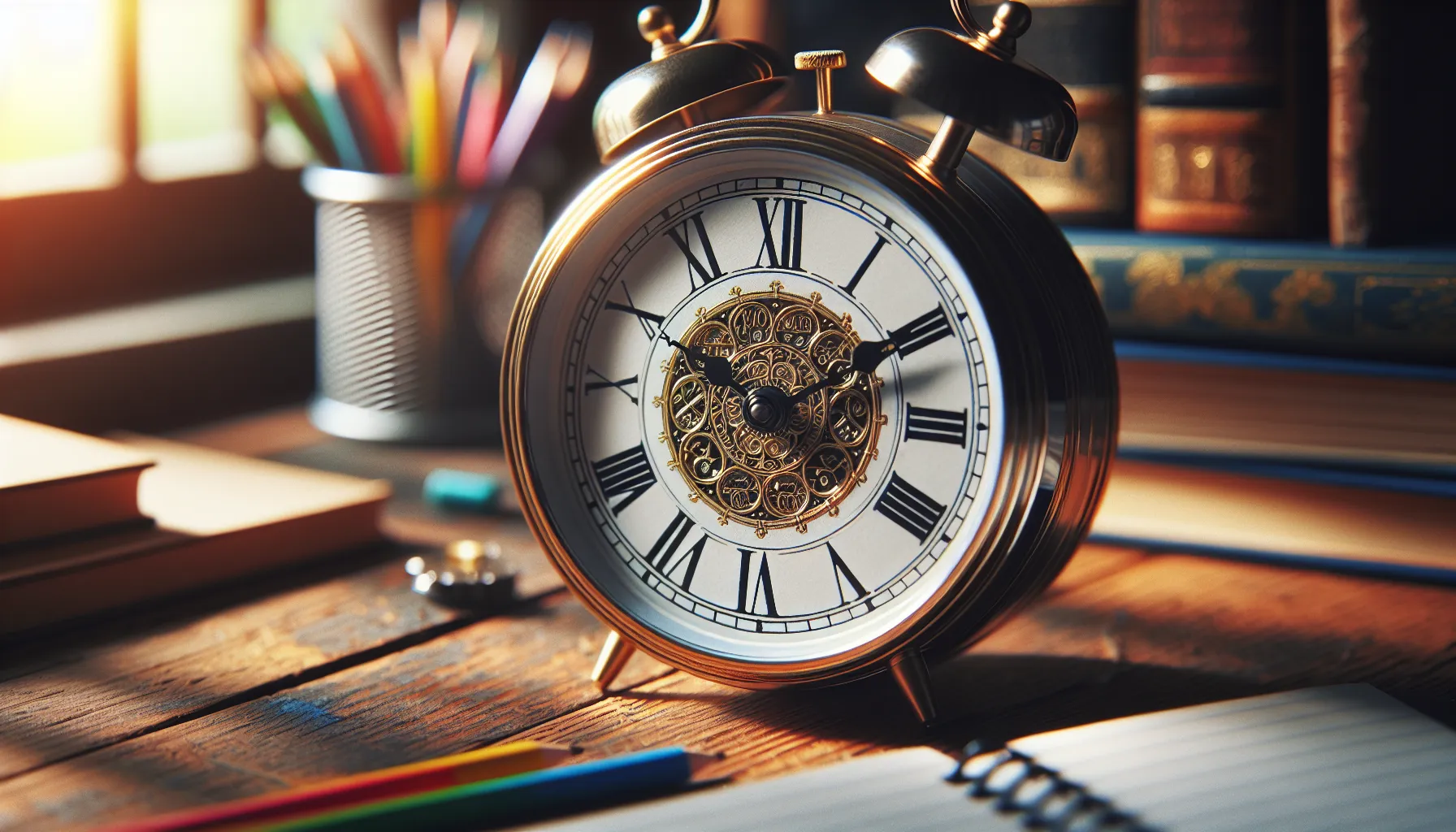
Dial/Face: The circular part displaying the numbers, typically from 1 to 12.
Tick Marks: Small markers that denote minutes between the numbers on the dial.
Digital Clocks vs. Analog Clocks
Both digital and analog clocks have their own methods of conveying time, and understanding these differences makes it easier to tell time. Learning to distinguish between two things that look deceptively similar is a valuable skill in many areas of life — the same careful attention required to tell crystal from glass applies when training your eye to read an analog clock face accurately.
Reading an Analog Clock
To read an analog clock, we start by noticing the positions of the hour and minute hands. The longer minute hand moves more often than the hour hand. When it points at 12, the hour is exactly on the hour.
Identifying the Hour Hand and Minute Hand
At any given time, the hour hand may be between two numbers, indicating that the hour has just started. For example, if the hour hand is between 2 and 3, it’s past 2 o’clock but hasn’t reached 3 yet. The minute hand helps in defining it more precisely. Distinguishing two similar-looking things by subtle physical characteristics is a recurring challenge — it’s not unlike learning to tell an alligator from a crocodile, where small but consistent differences make all the difference once you know what to look for.
Understanding the Positioning of Numbers
Each number represents an hour, with 12 being the reference point for both AM and PM. Counting by fives helps determine minutes from the top of the hour where 12 is located. For example, if the minute hand points at 3, it’s 15 minutes past the hour.
Counting Minutes and Hours
Every tick of the minute hand represents one minute, so we can count from the top:
1 (5 minutes)
2 (10 minutes)
3 (15 minutes)
Continuing around the clock face until we reach 60 minutes, which lands back on 12.
Reading a Digital Clock
Digital clocks simplify the process of telling time by displaying it numerically. Here’s how to interpret them effectively.
Converting Digital Time to Analog Time
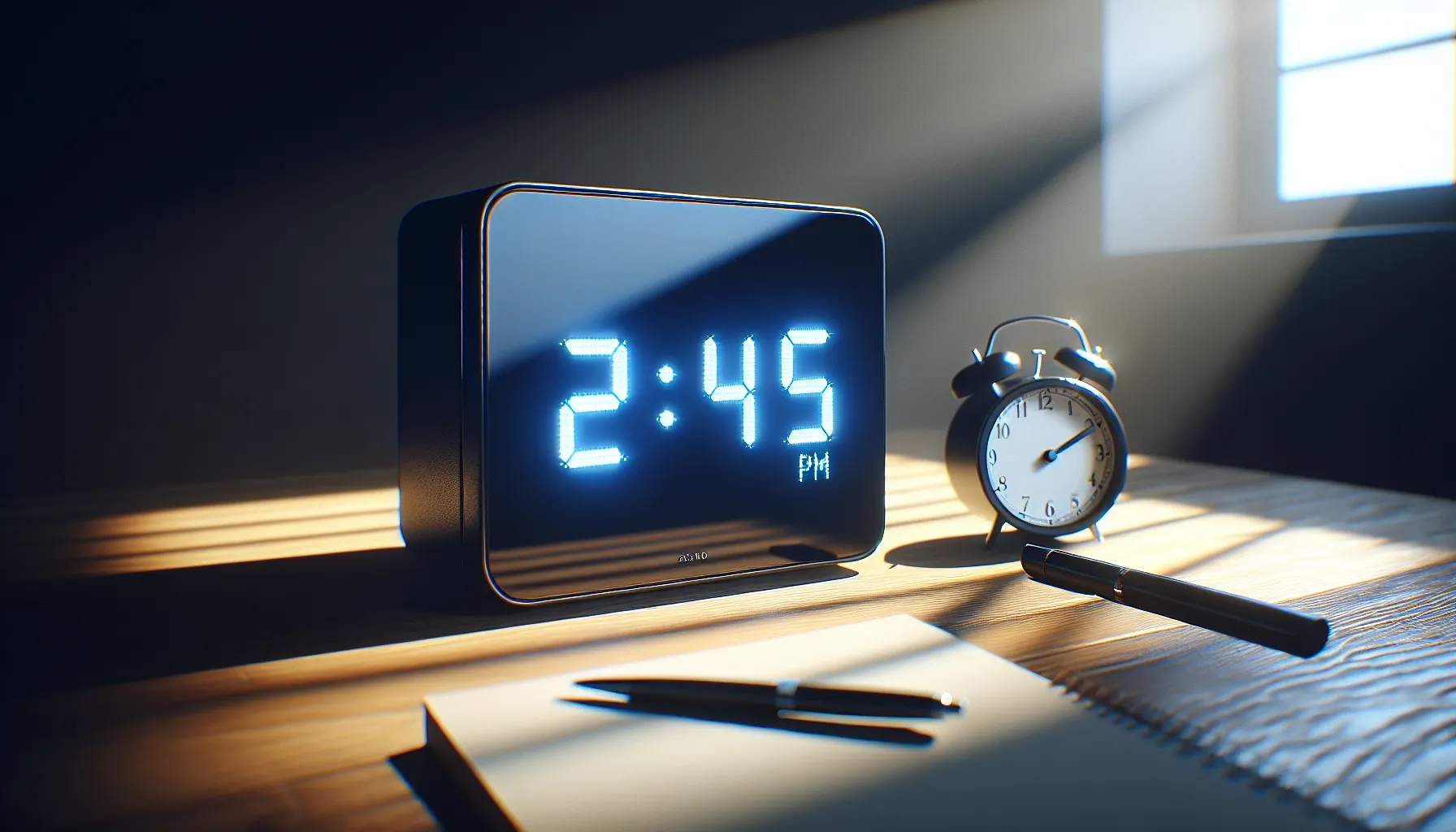
When we see 2:45 on a digital clock, we can think of it as 2 hours and 45 minutes. To convert this to an analog method, visualize an analog clock with the hour hand slightly past 2 and the minute hand pointing at 9 (because 45 minutes corresponds to the 9 on the clock face).
Understanding AM and PM Designations
When we encounter a digital clock displaying 7:30 PM, it’s essential to recognize that this indicates evening time. The same number in AM would indicate morning. This distinction is crucial when scheduling events or appointments.
Using a 24-Hour Clock System
The 24-hour clock system, commonly used in military and international contexts, counts hours from 0 to 23.
Examples and Practice Exercises
For instance, 14:00 represents 2 PM, while 09:00 signifies 9 AM. If we find a time like 18:15, it would convert to 6:15 PM in a 12-hour format. Practicing with daily schedules enhances our understanding of converting between the two.
Common Time Mistakes to Avoid
Reading time can introduce some common pitfalls. Here’s how we can sidestep them effectively.
Practical Applications in Daily Life
Misreading Hands: Sometimes, we confuse the hour and minute hands, since both can look similar at a glance — not unlike how easy it is to mix up two creatures that share many features, as anyone who’s tried to tell a rat from a mouse will appreciate. Remember, the hour hand moves slowly, while the minute hand skips quickly.
Ignoring AM/PM: Failing to distinguish between these can lead to scheduling blunders, so always check if it’s morning or evening.
Tips for Improving Time-Telling Skills
As with any skill, practice is vital. Here are some tips that can help us get better at telling time:
Regular Practice: Spend just a few minutes each day reading different clocks.
Use Real-Life Scenarios: When making plans or setting alarms, practice converting between analog and digital time.
Conclusion
Learning to tell time from a clock isn’t just about numbers: it’s about connecting with our environment and routines. Whether we prefer the tradition of analog clocks or the clarity of digital displays, each brings us a valuable sense of time. Let’s embrace this skill, refine it, and enjoy the rhythm it brings to our daily lives.
To provide the best experiences, we use technologies like cookies to store and/or access device information. Consenting to these technologies will allow us to process data such as browsing behaviour or unique IDs on this site. Not consenting or withdrawing consent, may adversely affect certain features and functions.
Functional
Always active
The technical storage or access is strictly necessary for the legitimate purpose of enabling the use of a specific service explicitly requested by the subscriber or user, or for the sole purpose of carrying out the transmission of a communication over an electronic communications network.
Preferences
The technical storage or access is necessary for the legitimate purpose of storing preferences that are not requested by the subscriber or user.
Statistics
The technical storage or access that is used exclusively for statistical purposes.The technical storage or access that is used exclusively for anonymous statistical purposes. Without a subpoena, voluntary compliance on the part of your Internet Service Provider, or additional records from a third party, information stored or retrieved for this purpose alone cannot usually be used to identify you.
Marketing
The technical storage or access is required to create user profiles to send advertising, or to track the user on a website or across several websites for similar marketing purposes.