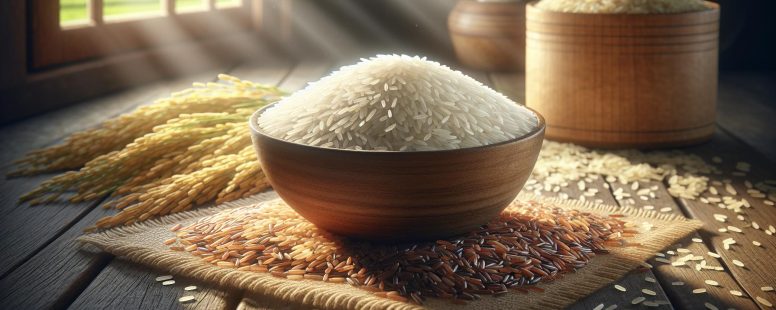
Rice is a staple on tables worldwide, but not all grains are created equal. When it comes to white versus brown rice, the decision goes beyond taste or texture—it’s a choice that can impact your health, energy, and even your cooking routine. Have you ever wondered if the fluffy white grains you grew up with truly measure up to their nutty, wholesome counterpart?
Picture this: a bowl of steaming rice, its aroma filling the air. One is polished and pristine, the other earthy and rugged. While white rice offers simplicity and quick cooking, brown rice boasts layers of nutrients hidden within its bran and germ. But which one aligns better with your lifestyle? The answer might surprise you. Whether you’re chasing flavor, nutrition, or convenience, understanding the differences could change the way you see this humble grain forever.
Nutritional Differences Between White And Brown Rice
The nutritional profiles of white and brown rice differ significantly, influenced by their processing and composition. Understanding these differences helps you choose the right type based on dietary needs.
Macronutrient Composition
Brown rice contains more protein and fat than white rice. For example, 1 cup (202g) of cooked brown rice offers 5g of protein and 1.8g of fat, while the same amount of cooked white rice provides 4g of protein and less than 0.4g of fat. Brown rice also retains more complex carbohydrates for sustained energy compared to white rice, which has a higher glycemic index.
Vitamin And Mineral Content
Brown rice contains higher levels of essential vitamins and minerals. It retains the bran and germ layers, providing vitamin B1, B3, and magnesium. For instance, 1 cup of cooked brown rice offers 42mg of magnesium, compared to 19mg in white rice. White rice, fortified in some regions, may include added nutrients but relies on supplementation rather than natural content.
Fiber Levels
Brown rice offers 3.5g of fiber per cup, while white rice contains only around 0.6g. Higher fiber levels in brown rice contribute to better digestion and longer satiety. It may also help in managing blood sugar levels, especially for people with insulin sensitivity.
Health Benefits Of Brown Rice
Brown rice has several advantages for your overall health. Packed with essential nutrients, it provides benefits that extend beyond basic nutrition.
Heart Health
Brown rice supports heart health due its high magnesium and fiber content. Magnesium helps regulate blood pressure, reducing risks of cardiovascular diseases. Soluble fiber binds cholesterol in your digestive system, limiting its absorption into your bloodstream. A diet rich in whole grains like brown rice is linked to lower levels of LDL cholesterol, according to studies from the American Heart Association.
Antioxidants like lignans, found in brown rice, also enhance heart health. They combat oxidative stress in arterial walls, preventing inflammation-related heart conditions. Compared to white rice, brown rice retains these compounds because its bran and germ layers remain intact.
Digestive System Support
Fiber in brown rice aids digestive function by promoting regular bowel movements. Dietary fiber alleviates constipation, ensuring waste passes easily, which prevents complications like hemorrhoids. Beyond that, fiber acts as a prebiotic, nourishing beneficial gut bacteria and supporting a healthy microbiome ecosystem.
Phytic acid in brown rice contributes to detoxification. It binds to heavy metals and toxins in your system, helping your digestive system process food more efficiently. Brown rice’s natural composition makes it suitable for individuals with mild food sensitivities, though soaking or sprouting can improve digestibility further.
Weight Management
Brown rice assists with weight management because of its satiating properties. With a lower glycemic index compared to white rice, it slows digestion and balances blood sugar levels, reducing hunger. This is especially beneficial if you’re managing calorie intake or combating chronic hunger cycles.
A 1-cup serving of cooked brown rice supplies roughly 216 calories, along with 3.5 grams of fiber and 5 grams of protein. These macronutrients encourage satiety and minimize overeating. Studies published in “The Journal of Nutrition” highlight that individuals consuming whole grains tend to have healthier body weights and waist circumferences.
Pros And Cons Of White Rice
White rice, a staple in many cuisines, offers convenience and versatility but comes with both advantages and disadvantages. Understanding these aspects helps you make informed dietary choices.
Benefits Of White Rice
White rice provides quick energy due to its high carbohydrate content. Athletes or individuals engaging in intense physical activity often rely on white rice for rapid glycogen replenishment. Jasmine and basmati variants, for instance, are popular choices for their unique aroma and texture.
Its mild flavor and soft texture make it ideal for pairing with diverse dishes like curries, stir-fries, and stews. White rice also cooks faster than brown rice, which saves time in meal preparation. Also, it’s often fortified with iron and folic acid to combat deficiencies, especially in areas with limited food diversity.
Potential Drawbacks Of White Rice
White rice has lower nutrient density since the bran and germ layers are removed during refining. This process reduces its fiber, vitamins, and mineral content, which may lead to less satiety and quicker energy spikes and crashes.
Regular consumption may contribute to higher glycemic load, increasing blood sugar levels when paired with a nutrient-poor diet. For example, people with Type 2 diabetes may find white rice less suitable compared to higher-fiber options. Its lack of diverse nutrients makes it less desirable as a standalone component in balanced meals.
Taste, Texture, And Cooking Comparisons
White and brown rice offer distinct experiences in taste, texture, and cooking methods, which are important considerations when choosing between them. Each variety complements different recipes and dietary preferences.
Flavor Profiles
White rice has a mild, neutral flavor that absorbs the taste of accompanying ingredients easily. This quality makes it ideal for dishes like stir-fries, curries, and sushi. In contrast, brown rice delivers a nuttier, earthier taste due to its intact bran and germ layers. This robust flavor pairs well with hearty dishes like vegetable pilaf or grain bowls.
For desserts like rice pudding, white rice’s subtle taste enhances sweetness without overwhelming it. Brown rice, but, imparts a natural depth, which makes it suitable for recipes prioritizing wholesome, rustic flavors. Your choice depends on the balance of flavor and versatility you seek in your meals.
Cooking Times And Methods
White rice cooks faster, usually in 15-20 minutes, due to the absence of bran and germ. It involves a simpler cooking method—boiling with a specific water ratio—often making it the preferred option for quick meal preparations. Its soft, fluffy texture is ready to complement delicate or creamy dishes.
Brown rice requires 35-50 minutes to cook, as the outer layers slow water absorption. Cooking involves a slightly longer soaking or steaming process to achieve the desired tenderness. Its chewy texture provides a satisfying bite, making it ideal for recipes emphasizing texture, like salads or stuffed peppers.
A rice cooker or pressure cooker shortens preparation for both types, but brown rice needs extra water and time for optimal results. For busy schedules, white rice’s faster cooking process may fit better, though brown rice offers higher nutritional value for more health-conscious meals.
Suitability For Different Diets And Needs
White and brown rice cater to distinct dietary preferences and nutritional requirements. Understanding their benefits helps tailor choices to specific needs and goals.
Athletes And High-Energy Demands
Athletes often prioritize quick energy sources to fuel intense workouts or recover post-exercise. White rice’s high glycemic index and fast-digesting carbohydrates make it ideal for replenishing glycogen stores. For instance, consuming white rice with grilled chicken post-workout ensures rapid energy restoration. Its light texture and neutral flavor also prevent digestive discomfort during intense physical activity.
Brown rice serves as a more sustainable energy source for endurance activities, with its complex carbohydrates releasing glucose gradually. Athletes who require prolonged exertion, like marathon runners, may benefit from the steady energy and fiber content. Including brown rice in meals like a chicken-and-vegetable stir-fry can boost meal nutrient density without sacrificing flavor.
Gluten-Free Considerations
Both white and brown rice are naturally gluten-free, suiting individuals with celiac disease or gluten sensitivities. Their versatility ensures seamless integration into gluten-free diets, whether it’s white rice pilaf or brown rice sushi rolls. Cross-contamination, but, can affect gluten-sensitive individuals when rice is processed in facilities handling gluten-containing grains.
Brown rice flour proves useful in gluten-free baking, offering a nutty taste and additional nutrients. On the other hand, white rice flour’s finer texture works better in delicate preparations like cakes or pancakes, catering to varied preferences within the gluten-free community.
Diabetes And Blood Sugar Management
Brown rice outperforms white rice in managing blood sugar levels due to its lower glycemic index and richly fibrous structure. Consuming half a cup of brown rice as part of a diabetic-friendly Buddha bowl reduces post-meal blood sugar spikes, providing longer satiety. Brown rice’s magnesium content further supports insulin function.
White rice poses challenges for blood sugar control because it digests quickly, causing rapid glucose surges. Individuals managing Type 2 diabetes could swap white rice for alternatives like quinoa or cauliflower rice while reserving small portions for special occasions. Balancing white rice meals with protein (e.g., lentils) and healthy fat enhances blood sugar stability.
Conclusion
Choosing between white and brown rice depends on your unique health goals, dietary needs, and lifestyle preferences. Both types of rice have their strengths, whether you prioritize quick energy, convenience, or long-term health benefits. By understanding their differences, you can make informed decisions that align with your nutritional and culinary priorities.
Whether you prefer the simplicity of white rice or the nutrient-dense profile of brown rice, incorporating either into a balanced diet can support your overall well-being. The key is to consider your individual needs and enjoy rice in a way that complements your lifestyle.
To provide the best experiences, we use technologies like cookies to store and/or access device information. Consenting to these technologies will allow us to process data such as browsing behaviour or unique IDs on this site. Not consenting or withdrawing consent, may adversely affect certain features and functions.
Functional
Always active
The technical storage or access is strictly necessary for the legitimate purpose of enabling the use of a specific service explicitly requested by the subscriber or user, or for the sole purpose of carrying out the transmission of a communication over an electronic communications network.
Preferences
The technical storage or access is necessary for the legitimate purpose of storing preferences that are not requested by the subscriber or user.
Statistics
The technical storage or access that is used exclusively for statistical purposes.The technical storage or access that is used exclusively for anonymous statistical purposes. Without a subpoena, voluntary compliance on the part of your Internet Service Provider, or additional records from a third party, information stored or retrieved for this purpose alone cannot usually be used to identify you.
Marketing
The technical storage or access is required to create user profiles to send advertising, or to track the user on a website or across several websites for similar marketing purposes.