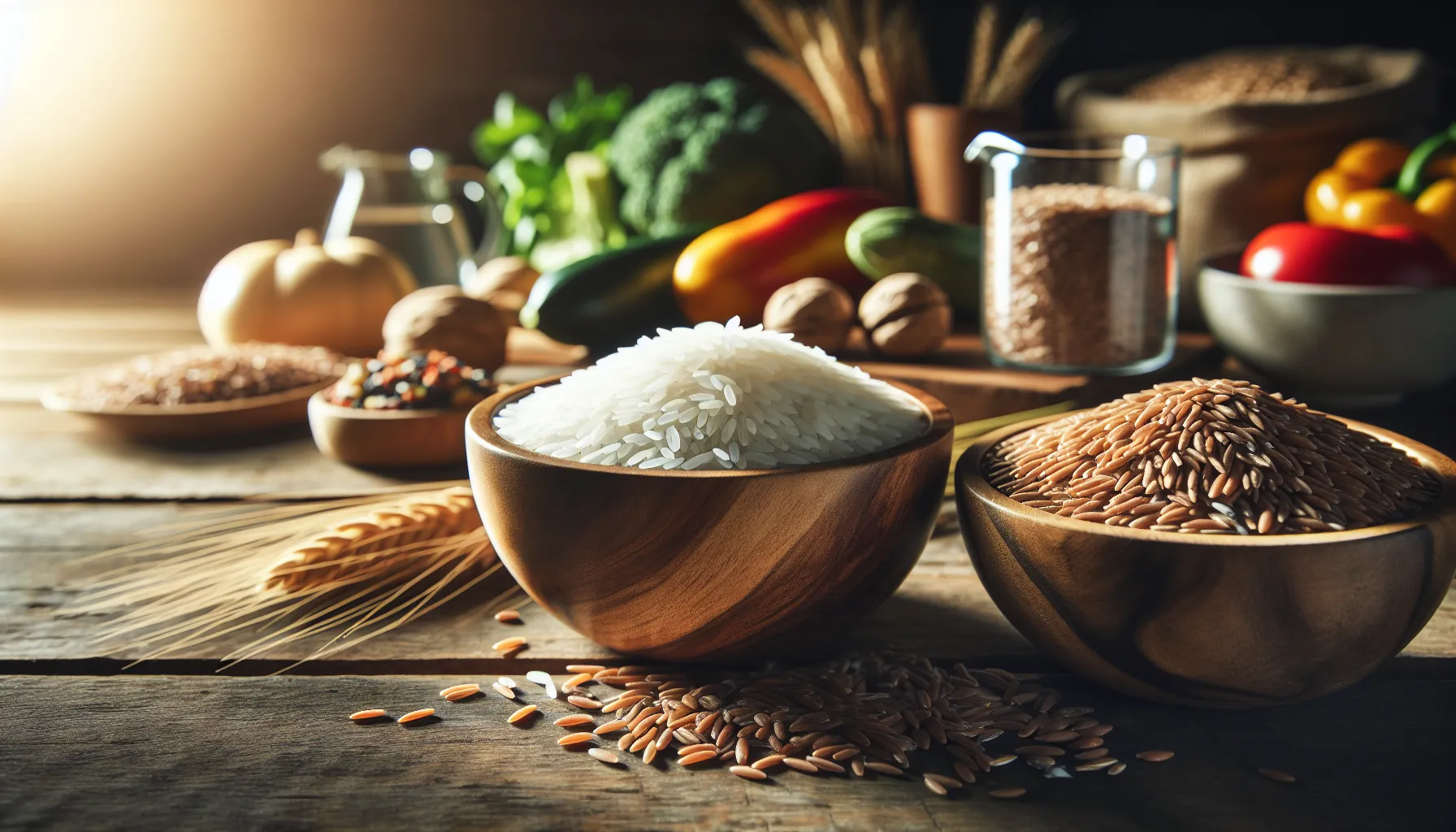
Choosing between rice and wheat often feels like navigating a culinary crossroads. On one side, we have the soft, delicate grains of rice, exuding warmth and comfort, often gracing our tables during family dinners. On the other, we find the earthy, hearty flavors of wheat, a staple in countless baked goods that evoke memories of fresh bread wafting through the air. But beneath these familiar textures and flavors lies a complex world of nutrition that shapes our health and well-being. What if we told you that understanding these nutritional components could transform how we view meals? As we explore the benefits, challenges, and cultural significances of both grains, we will uncover surprising insights about the roles rice and wheat play in our diets. Let’s take a closer look at what each has to offer, so we can make informed choices for our health and preferences.
Understanding Nutritional Components
When we talk about nutrition, we often refer to essential components like macronutrients, carbohydrates, proteins, and fats, as well as micronutrients like vitamins and minerals. Rice and wheat each offer distinct profiles that cater to various dietary needs.
In terms of carbohydrates, both rice and wheat are primarily starches, but they vary in digestibility and glycemic index, impacting our energy levels and satiety. Here’s where we need to pay attention: understanding the nutritional components of these grains is crucial for anyone looking to maximize their health through food.
Comparative Analysis of Rice and Wheat
Vitamins and Minerals in Rice and Wheat
Rice, particularly white rice, is often stripped of many nutrients during processing. While it provides a quick source of energy, it lacks substantial amounts of vitamins and minerals compared to whole-grain wheat. Whole wheat, in contrast, retains its bran and germ, making it richer in iron, magnesium, and B vitamins.
Carbohydrates: Quality and Quantity
Rice generally contains a higher glycemic index (GI) than whole wheat. This means it can cause a quicker spike in blood sugar levels. Wheat, especially whole wheat, offers complex carbs that release energy more slowly, making them a more stable option for sustaining our energy throughout the day.
Protein Content and Quality
Both grains provide protein, but wheat particularly shines in this area. It contains more protein per serving compared to rice, and the protein quality in wheat is typically higher due to the presence of various amino acids, making it a better option for muscle repair and growth.
Dietary Fiber: Benefits and Impacts
Health Benefits of Rice
While rice offers some fiber, especially brown rice, it falls short compared to wheat. Brown rice can assist with digestion and help regulate blood sugar. For those who are gluten-sensitive or looking for lighter digestible options, rice can be a great choice.
Health Benefits of Wheat
Wheat, especially in its whole-grain form, is packed with dietary fiber. This fiber aids in digestion, helps maintain a healthy weight, and lowers the risk of chronic diseases such as heart disease and type 2 diabetes. The rustic, nutty flavor adds an appealing texture to dishes, making it a versatile option.
Culinary Uses and Preferences
Cultural Significance of Rice and Wheat
Rice and wheat have cultural roots that run deeply through many societies. In Asian cultures, rice symbolizes sustenance and prosperity, often served at every meal. Conversely, in Western countries, wheat takes center stage in a multitude of baked goods, from bread to pastries. These culinary preferences not only dictate our choices but also affect our views on nutrition and health.
Adapting Diets Based on Nutritional Needs
Understanding our dietary needs is critical when choosing between rice and wheat. Those looking for higher fiber content and protein may gravitate towards whole grains while individuals focusing on gluten-free diets might prefer rice. Also, our nutritional goals can change based on factors like age, activity level, and health conditions.
Eventually, the decision should reflect our personal health goals and culinary preferences, allowing for enjoyment and balance in our meals.
To provide the best experiences, we use technologies like cookies to store and/or access device information. Consenting to these technologies will allow us to process data such as browsing behaviour or unique IDs on this site. Not consenting or withdrawing consent, may adversely affect certain features and functions.
Functional
Always active
The technical storage or access is strictly necessary for the legitimate purpose of enabling the use of a specific service explicitly requested by the subscriber or user, or for the sole purpose of carrying out the transmission of a communication over an electronic communications network.
Preferences
The technical storage or access is necessary for the legitimate purpose of storing preferences that are not requested by the subscriber or user.
Statistics
The technical storage or access that is used exclusively for statistical purposes.The technical storage or access that is used exclusively for anonymous statistical purposes. Without a subpoena, voluntary compliance on the part of your Internet Service Provider, or additional records from a third party, information stored or retrieved for this purpose alone cannot usually be used to identify you.
Marketing
The technical storage or access is required to create user profiles to send advertising, or to track the user on a website or across several websites for similar marketing purposes.