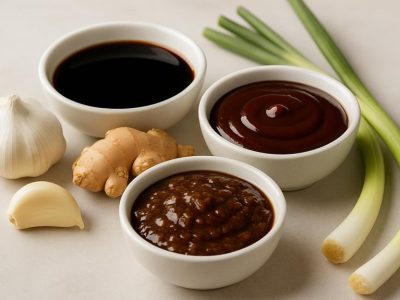
Your recipe calls for oyster sauce, but you’re fresh out—or maybe you’re avoiding it due to dietary preferences. Don’t let that rich, savory flavor slip away just yet. Whether you’re whipping up a stir-fry or perfecting a marinade, there’s no need to panic when this umami-packed ingredient is missing from your pantry.
What Is Oyster Sauce?
Oyster sauce is a thick, dark brown condiment made from oyster extracts, sugar, and salt. It’s commonly used in Asian cuisines like Chinese or Thai dishes for its unique umami flavor. The sauce blends salty and sweet notes with a subtle oceanic taste due to the oysters.
Traditional oyster sauce originated in China during the late 19th century when it was accidentally discovered by simmering oysters too long. Today, modern versions are manufactured commercially using either real oyster extracts or artificial flavorings.
This versatile ingredient enhances stir-fries, marinades, and dipping sauces. For example, adding oyster sauce to broccoli beef or chow mein creates depth and richness that elevates the meal’s overall taste profile. If you’re exploring Asian flavors at home, understanding this key condiment is essential for authenticity in recipes.
Why Look For A Substitute For Oyster Sauce?
You might seek a substitute for oyster sauce due to dietary restrictions, allergies, or personal preferences. Traditional oyster sauce contains oyster extracts, making it unsuitable for vegetarians and vegans. If you follow a plant-based diet, using an alternative ensures your meals align with your values.
Allergies can also be a reason to avoid oyster sauce. Shellfish allergies affect millions globally; consuming products with shellfish derivatives poses serious health risks if you’re allergic. Checking ingredient labels and opting for substitutes helps maintain safety.
Availability might drive the need for alternatives too. In regions where Asian condiments aren’t widely stocked, finding authentic oyster sauce can be challenging. Substitutes like soy sauce or hoisin provide similar flavors when oyster sauce isn’t accessible.
Health-conscious choices could lead you to explore replacements as well. Oyster sauces often contain high sodium levels, which contribute to hypertension if consumed in excess over time. Low-sodium substitutes offer healthier options without compromising flavor intensity.
Cultural adaptations in cuisine may inspire experimentation with alternatives too. If you’re fusing different culinary traditions or exploring new recipes that call for umami-rich ingredients but lack access to specific condiments like oyster sauce, substitutes become essential tools in diversifying dishes effectively without sacrificing taste nuances unique to Asian cooking styles.
Popular Alternatives To Oyster Sauce
Finding substitutes for oyster sauce expands your options in creating flavorful dishes while accommodating dietary needs or ingredient availability. Whether you’re looking for a vegan option, avoiding shellfish, or experimenting with new flavors, several alternatives offer comparable umami and versatility.
Soy Sauce
Soy sauce is a widely accessible alternative to oyster sauce. Its salty and umami-rich profile mimics the savory depth of oyster sauce in stir-fries and marinades. While soy sauce lacks the natural sweetness of oyster sauce, you can balance it by mixing 1 tablespoon of soy sauce with 1/2 teaspoon of sugar or honey. For instance, this combination works well in broccoli beef recipes.
Light soy sauces add subtle saltiness without overpowering other ingredients, whereas dark soy sauces bring color and slightly sweeter notes. Choose low-sodium varieties if reducing sodium intake is essential.
Hoisin Sauce
Hoisin sauce offers a thick texture and sweet-savory taste closer to traditional oyster sauce than most alternatives. Made from fermented soybean paste, garlic, vinegar, and spices, hoisin complements dishes like chow mein or fried rice effortlessly.
Hoisin’s bold flavor pairs well with grilled meats or as a glaze for roasted vegetables but may require dilution for lighter dishes due to its intense sweetness. Combining equal parts hoisin with water creates a milder substitute suitable for soups or steamed greens.
Fish Sauce
Fish sauce provides an authentic umami kick similar to oyster extracts but has a thinner consistency and pungent aroma derived from fermented fish. Use sparingly—1 teaspoon fish sauce can replace 1 tablespoon oyster sauce—to avoid overwhelming the dish’s balance.
Pair fish sause (sic) with lime juice or brown sugar when making dipping sauces or marinades for seafood-based recipes like Thai-style pad see ew (stir-fried noodles). This adjustment offsets its sharpness while preserving complexity.
Mushroom Sauce
Mushroom-based sauces cater specifically to vegetarians and vegans seeking rich umami flavors without animal-derived ingredients. Typically made from shiitake mushrooms blended with soybeans, these sauces replicate the earthy undertones found in oyster extractions (sic).
Homemade Substitute Recipes
Creating your own oyster sauce substitute at home ensures control over ingredients, flavor balance, and dietary preferences. These recipes replicate the umami essence while catering to specific needs.
Vegan Oyster Sauce
Vegan oyster sauce delivers a plant-based solution for replicating the rich flavors of traditional oyster sauce. Combine 1 cup of mushroom broth or water with 2 tablespoons of soy sauce (or tamari for gluten-free needs) and 1 teaspoon of cornstarch to thicken the mixture. Add brown sugar or maple syrup for a touch of sweetness, adjusting amounts based on taste preference. Simmer until it reaches a thick consistency similar to store-bought versions.
For enhanced depth, use dried shiitake mushrooms instead of fresh ones; soak them in warm water before blending with other ingredients. This approach intensifies the umami profile without compromising vegan requirements.
Gluten-Free Oyster Sauce Alternative
A gluten-free version suits individuals avoiding wheat-based products found in regular sauces like soy or hoisin. Replace soy sauce with tamari or coconut aminos as the base ingredient alongside mushroom stock for natural umami enhancement. Mix 2 tablespoons tamari, 1 tablespoon brown sugar, and half a teaspoon sesame oil into one cup mushroom broth.
Simmer this combination on low heat till slightly reduced—adding cornstarch slurry if thicker texture is required—and taste-test frequently to match desired saltiness levels while keeping it gluten-free-friendly.
Sweet And Salty Blend
Balancing sweet and salty elements mimics oyster sauce’s signature complexity effectively when limited pantry items are available. Combine equal parts honey (or agave nectar) and light soy sauce; mix thoroughly before adding garlic powder or onion powder sparingly for additional layers of flavoring nuances familiar within Asian cuisines.
How To Choose The Best Substitute For Your Dish
Selecting the right oyster sauce substitute depends on your recipe’s flavor profile, dietary restrictions, and available ingredients. Focus on these factors to ensure your dish maintains its intended taste and texture.
Match the Flavor Profile
Consider substitutes like soy sauce or mushroom sauce if you aim to replicate oyster sauce’s umami-rich, slightly sweet character. For instance, hoisin sauce works well for stir-fries requiring a thick texture with balanced sweetness and saltiness.
Cater to Dietary Needs
Use vegetarian options like mushroom-based sauces or gluten-free choices such as tamari mixed with a hint of sugar if catering to specific diets. Vegan recipes benefit from combinations like shiitake-infused broth blended with soy or coconut aminos.
Evaluate Cooking Techniques
Sauces impact dishes differently based on cooking methods. Soy sauce diluted with honey suits marinades but might lack thickness for dipping sauces; in this case, consider hoisin or homemade blends using cornstarch.
Experimentation Based on Availability
If pantry staples are limited, create quick alternatives by mixing light soy sauce (or tamari) with a touch of molasses or brown sugar for depth. This option enhances dishes without relying solely on store-bought replacements.
Conclusion
Finding a substitute for oyster sauce doesn’t have to be daunting. With so many alternatives available, you can easily tailor your dishes to suit your dietary needs or ingredient availability while still achieving that signature umami flavor. Whether you’re using soy sauce, hoisin, or experimenting with homemade recipes, the key is balancing flavors to complement your dish.
Don’t hesitate to explore and adapt substitutes based on what works best for you. Each option offers its unique twist, allowing you to maintain the essence of Asian cuisine without compromising taste or authenticity.
To provide the best experiences, we use technologies like cookies to store and/or access device information. Consenting to these technologies will allow us to process data such as browsing behaviour or unique IDs on this site. Not consenting or withdrawing consent, may adversely affect certain features and functions.
Functional
Always active
The technical storage or access is strictly necessary for the legitimate purpose of enabling the use of a specific service explicitly requested by the subscriber or user, or for the sole purpose of carrying out the transmission of a communication over an electronic communications network.
Preferences
The technical storage or access is necessary for the legitimate purpose of storing preferences that are not requested by the subscriber or user.
Statistics
The technical storage or access that is used exclusively for statistical purposes.The technical storage or access that is used exclusively for anonymous statistical purposes. Without a subpoena, voluntary compliance on the part of your Internet Service Provider, or additional records from a third party, information stored or retrieved for this purpose alone cannot usually be used to identify you.
Marketing
The technical storage or access is required to create user profiles to send advertising, or to track the user on a website or across several websites for similar marketing purposes.