Which Is More Popular: AOT Or Naruto?
In the vibrant world of anime, two titans stand out: Attack on Titan (AOT) and Naruto. Both series have captivated audiences globally with their intricate narratives and multifaceted characters. But which one reigns supreme in terms of popularity? As we investigate into this intriguing question, we’ll explore not just the stories that unfold within these universes, but also their cultural impacts, fan engagement, and commercial success. Buckle up as we embark on this comparative journey that examines the legacies of these powerful franchises.
Overview of AOT and Naruto
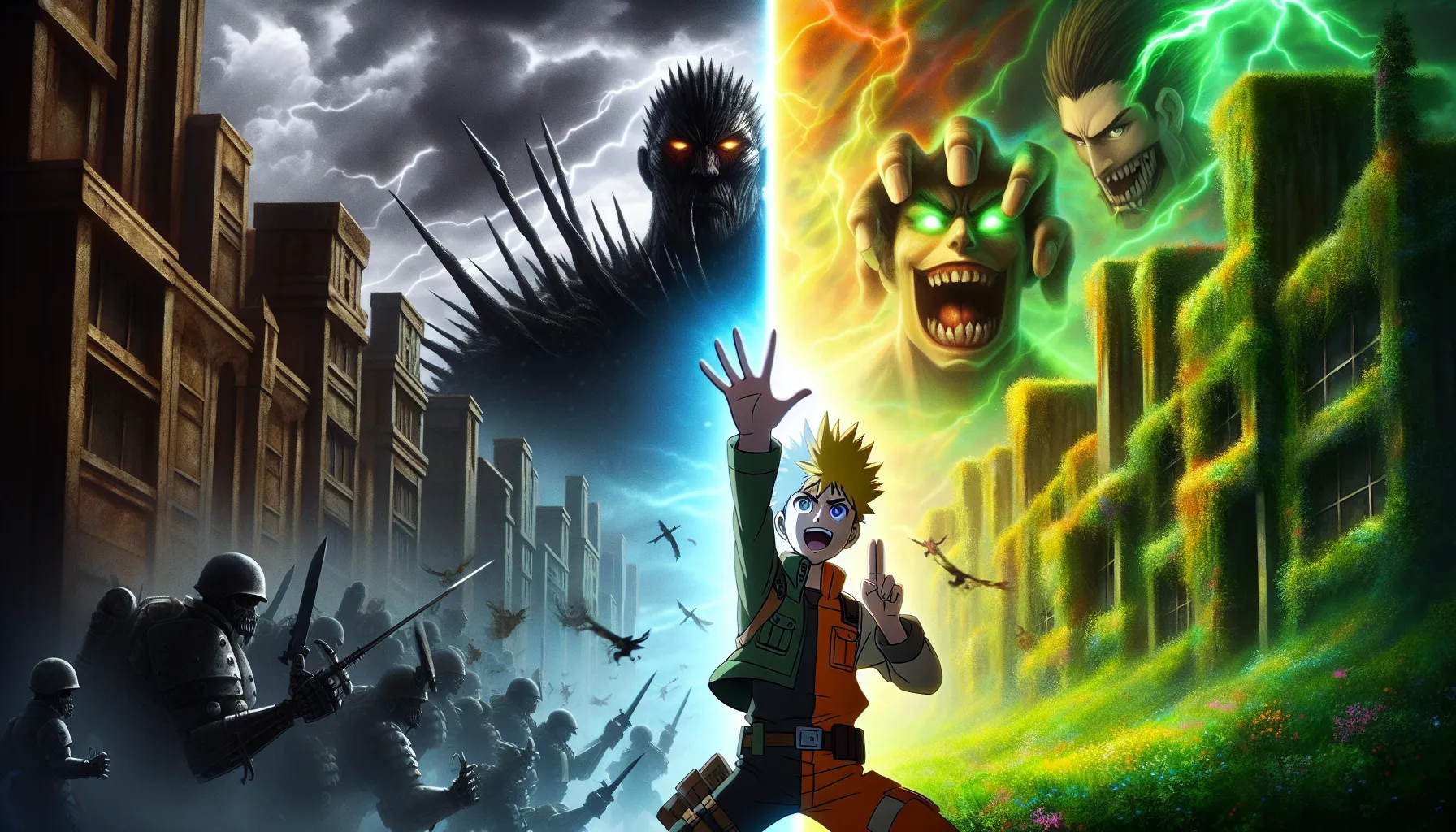
Attack on Titan, created by Hajime Isayama, first graced our screens in 2013 and quickly became a phenomenon. Its dark themes, moral dilemmas, and thrilling plot twists keep viewers glued to their seats. The story unfolds in a world where humanity is on the brink of extinction due to giant humanoid creatures known as Titans. We witness the struggle for survival, loss, and the quest for freedom that resonates profoundly with viewers.
On the other hand, Naruto, which began as a manga in 1999 and transformed into a beloved anime, follows the journey of Naruto Uzumaki. Naruto, a young ninja with dreams of becoming the Hokage, faces numerous obstacles, including his own insecurities and the stigma attached to being a jinchuriki (a host for a tailed beast). The themes of friendship, perseverance, and redemption evoke a nostalgic resonance among many fans, making it a cornerstone in anime history. Both series form part of a rich ecosystem of beloved anime — for a broader look at how the medium as a whole has grown, our article on anime versus cartoons puts it all in perspective.
AOT: Plot and Themes
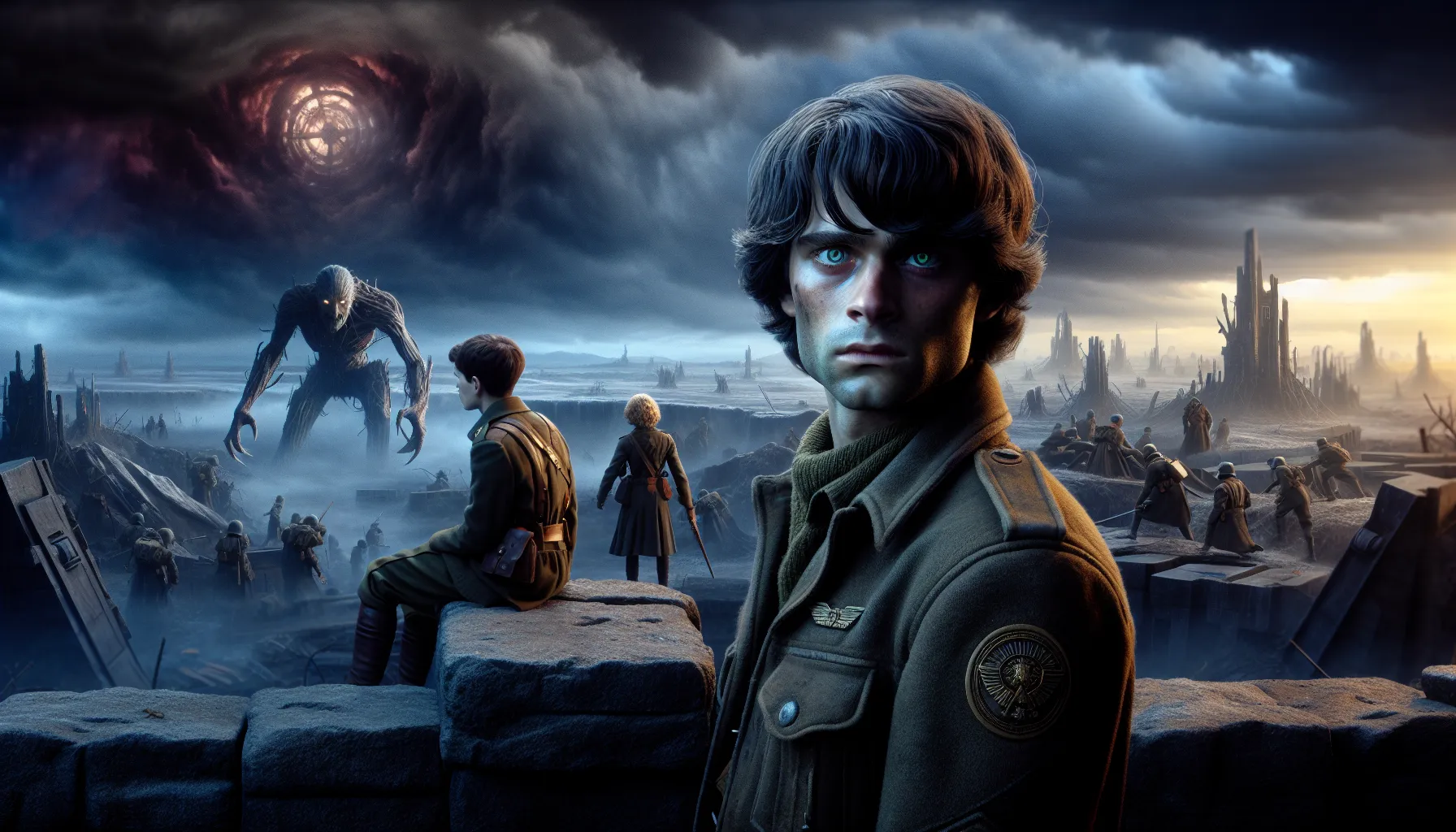
At its core, Attack on Titan is a gripping tale of humanity’s struggle against the overwhelming odds represented by the Titans. The series intricately weaves themes of betrayal, freedom, and the moral ambiguity of war. As we follow Eren Yeager and his friends, we dive deeper into complex issues like survival and the grey areas of right and wrong. The shocking plot twists, especially in later seasons, keep us often on the edge of our seats and provoke intense discussions in fan communities. Characters evolve dramatically, making choices that provoke ethical dilemmas, so forming a narrative that is not just entertaining but thought-provoking.
Naruto: Plot and Themes
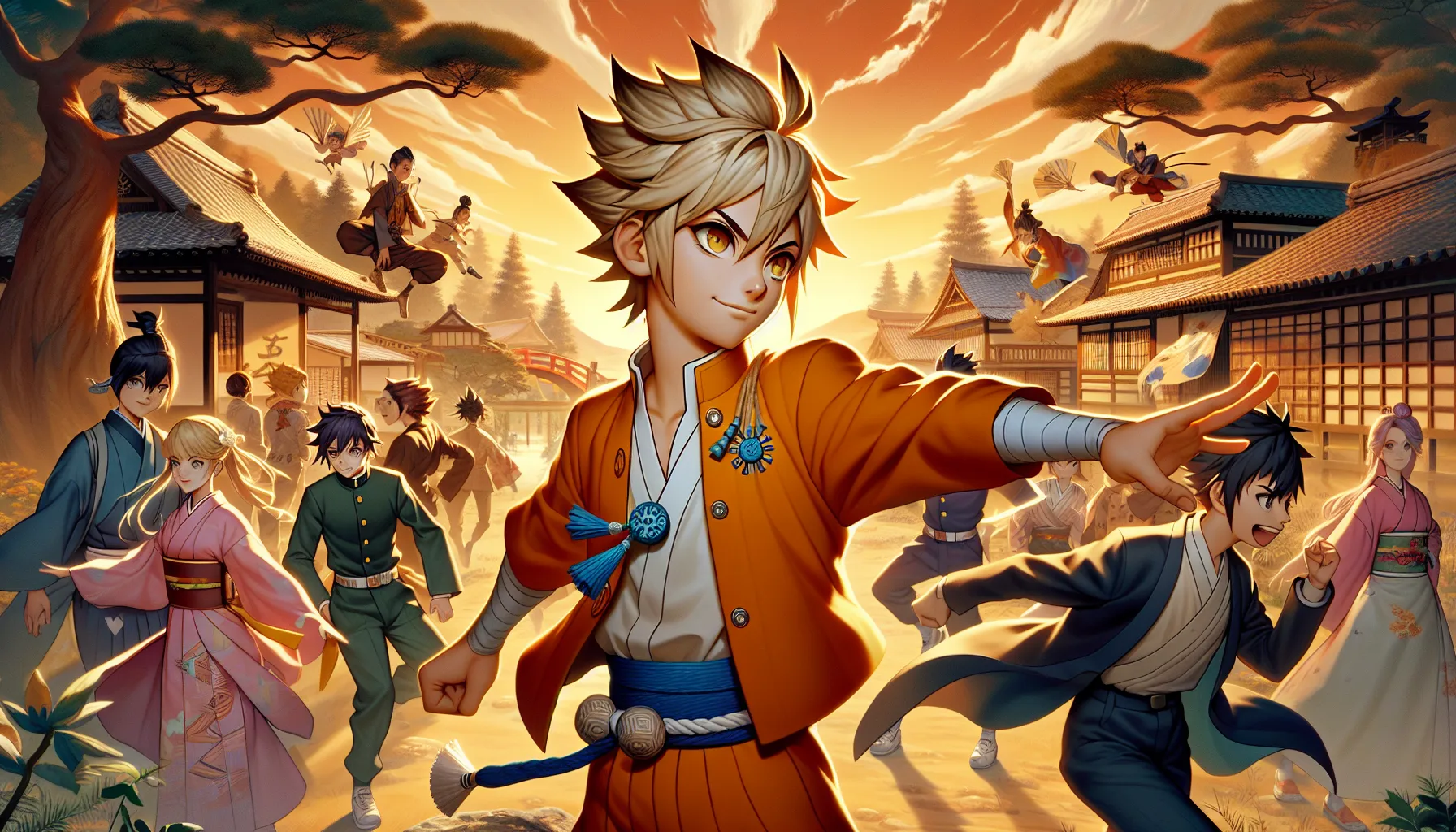
Naruto offers a different yet equally compelling narrative. It’s a coming-of-age story that emphasizes dreams and determination. From Naruto’s struggles with loneliness and his quest for recognition, we experience his growth into a strong, dependable ninja. Key themes include the importance of bonds, the consequences of revenge, and the value of hard work. While initially focused on Naruto’s individual journey, the series expands to explore the backstories and motivations of various characters. It shows us the power of friendship and the strength found in unity, eventually creating a rich tapestry of interconnected lives.
Cultural Impact of AOT
Attack on Titan has not only garnered a massive following but has also dramatically influenced the anime landscape. Its themes resonate with global issues, and many fans find parallels to real-world conflicts. Memes, fan art, and discussions about its moral complexities populate social media, creating a dialogue that transcends borders. Also, AOT has inspired countless analysts and theorists to investigate into its narratives, leading to deeper understandings of literature and media. The series has also sparked various merchandise, significantly impacting the global anime market. AOT’s rivalry with other modern classics is equally fierce — our comparison of AOT versus Demon Slayer examines how two of anime’s biggest contemporary hits stack up.
Cultural Impact of Naruto
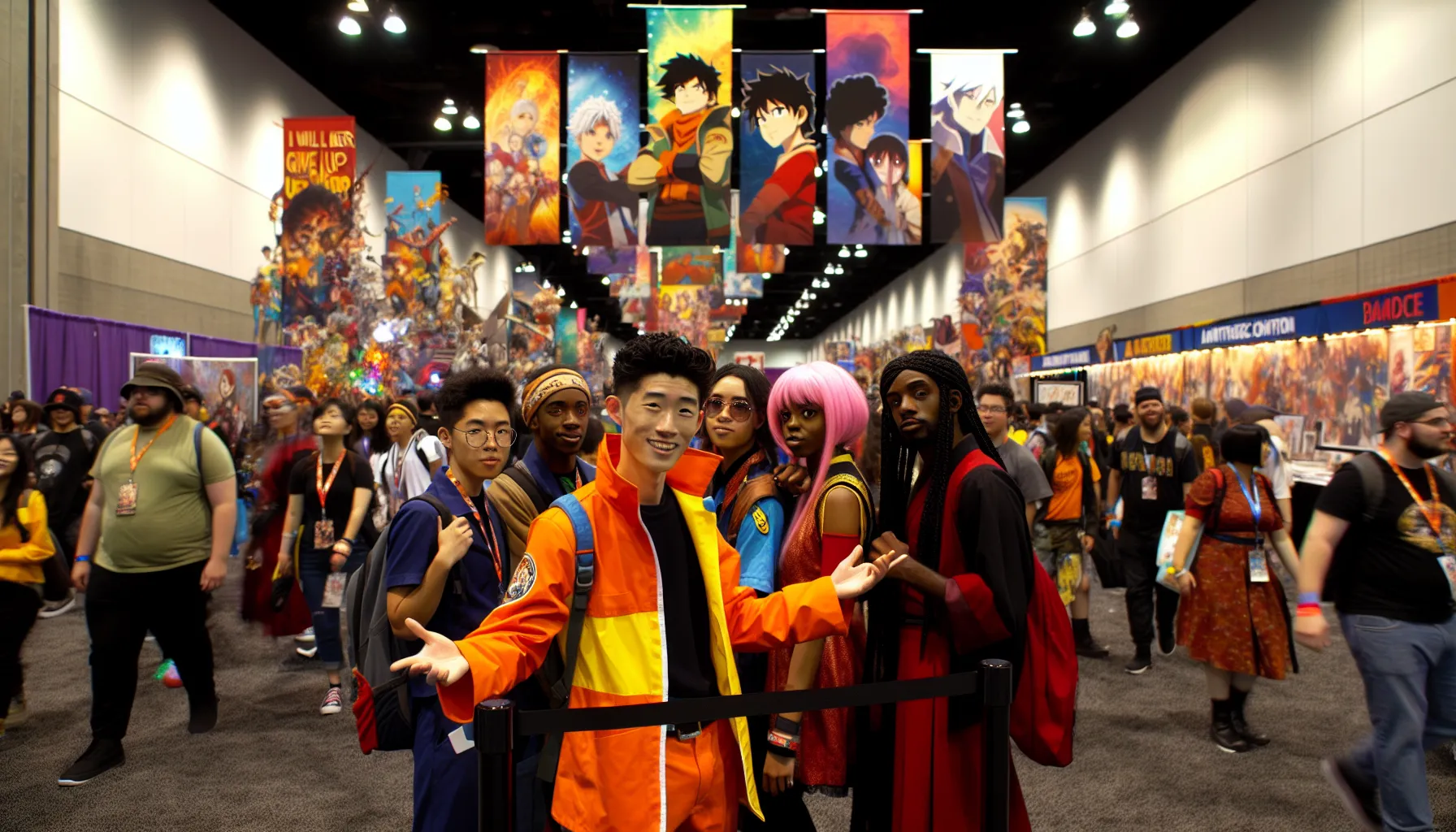
The impact of Naruto is profound, serving as a gateway for newer anime fans while still appealing to long-time enthusiasts. Its themes of acceptance, growth, and community building have touched hearts around the world. The show helped popularize anime outside Japan, pushing boundaries and introducing diverse storytelling styles. Legendary catchphrases like “I will never give up.” resonate with many, becoming mantras for perseverance. Events like Naruto themed conventions gather fans from afar to celebrate the series, creating a robust community centered around shared interests.
Fanbase Comparison: AOT vs. Naruto
When we look at the fanbases, we notice distinct differences. Attack on Titan enthusiasts are drawn to the narrative complexity and darker themes, often engaging in deep discussions about character motivations and plot implications. Fans share detailed analyses online, debating the existential themes presented in the series.
Conversely, the Naruto fanbase is notably diverse, encompassing different age groups. The series promotes a more lighthearted approach that appeals to children and adults alike. The vibrant cosplay culture, fan art, and community gatherings emphasize camaraderie and nostalgia, creating bonds that last beyond the screen. The sheer scale of these fanbases is part of what makes anime a global phenomenon — our piece on anime versus BTS explores how the entire medium competes with some of the world’s biggest entertainment forces.
Commercial Success and Merchandise
Both series have produced a wealth of merchandise, from figurines to clothing. But, Naruto leads the charge in terms of overall sales and widespread recognition. It has spawned numerous video games, spin-offs like Boruto, and even stage productions. The iconic headbands and memorabilia are staples of merchandise culture, often seen at conventions and fandom events.
Attack on Titan, while newer, has made impressive strides in the commercial arena. With various collaborations, collectible figures, and apparel, it captures the enthusiasm of its audience effectively. Its popularity is escalating swiftly, promising significant commercial influence in the near future.
Online Engagement and Community
Online platforms serve as critical engagement points for both fanbases. Attack on Titan has garnered vast discussion threads and analysis videos focusing on its layered storytelling and philosophical questions. Reddit communities and YouTube channels dissect every episode, allowing fans to share theories and interpretations openly.
In contrast, the Naruto community thrives on nostalgia and shared experiences, showcasing fan art, crafting fiction, and creating videos that celebrate beloved characters and their growth. Both communities express admiration differently, yet both serve to enhance our appreciation of the respective stories.
Conclusion
In the debate of AOT versus Naruto, we find ourselves navigating a landscape rich with diverse stories and impactful themes. Both series have etched their legacies into the heart of anime culture, connecting with fans worldwide. Eventually, Attack on Titan engages us with its existential questions and complex characters, while Naruto resonates through themes of friendship and perseverance.
Our preference may lean one way or another, but it’s clear that both series have shaped and defined the contemporary anime landscape in unique ways. Let’s celebrate these incredible narratives and the vibrant cultures they’ve fostered, appreciating the insights they provide into ourselves and the world around us. Regardless of which we prefer, the joy of anime enriches our lives, and that’s what truly matters.

- Kia Seltos Competitors: Top Compact SUVs - October 14, 2026
- Free to Use Photoshop Alternatives - October 14, 2026
- Ajax Alternatives Mtg Reddit - October 13, 2026
by Ellie B, Site Owner / Publisher