Which Is More Popular: Anime or BTS
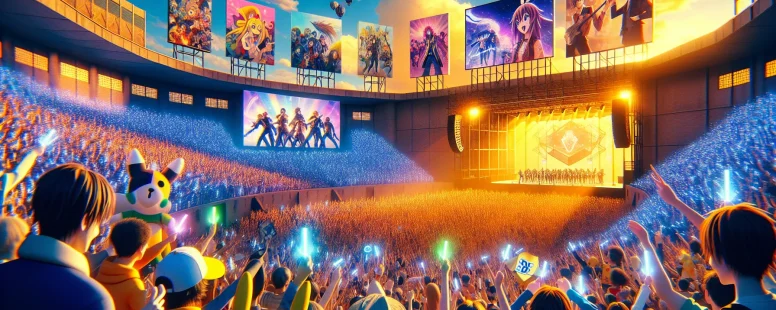
In a world where entertainment options spill over at the seams, two cultural juggernauts, anime and BTS, flood our screens and hearts. Imagine millions tuning in to watch vibrant animations filled with soaring emotions, complex characters, and fantastical worlds. Now picture fan chants echoing in stadiums worldwide, fueled by an infectious energy that transforms every performance into a celebration. With such a rich tapestry of creativity and passionate fandoms, we find ourselves compelled to ask: which phenomenon claims the crown for popularity? As we navigate this vibrant discourse, we’ll explore not only numbers and metrics but also the soul behind these phenomena. Let’s plunge into the enchanting realm of anime and the spectacular rise of BTS, and uncover just how each has carved its place in modern culture.
Understanding Popular Culture
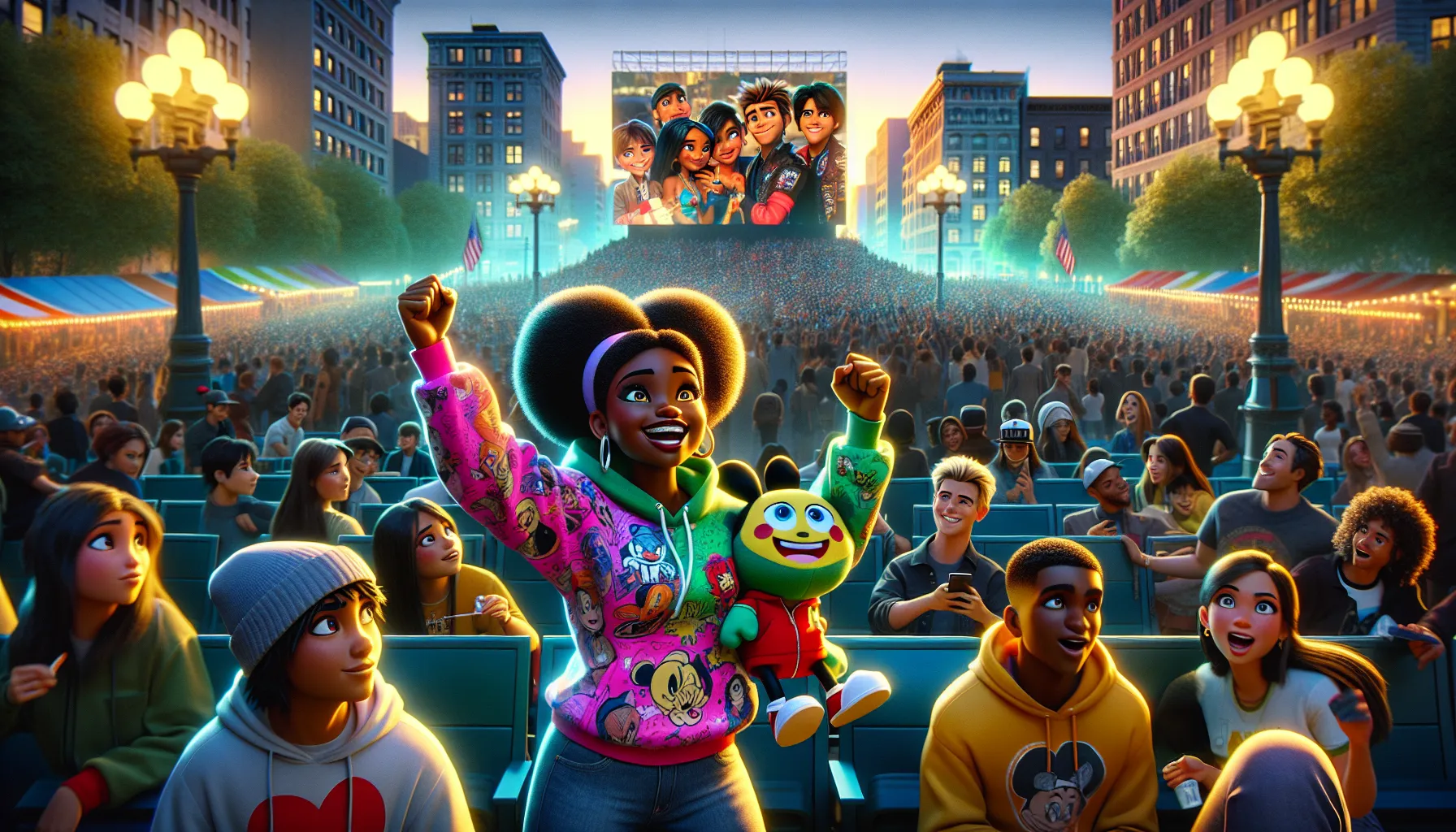
To appreciate the popularity of both anime and BTS, we must understand the context in which they flourish. Popular culture serves as a mirror reflecting societal interests, values, and trends. From the uplifting stories in shonen anime to the gripping, dramatic plots of seinen shows, anime captivates diverse audiences, offering escapism through slashing swords, heartfelt romances, and thrilling adventures. Meanwhile, BTS connects with youth worldwide, weaving themes of self-love and social issues into their music, resonating deeply with a generation eager for connection and understanding. This essence, this pulsating heartbeat of contemporary culture, sets the stage for our comparison.
The Rise of Anime
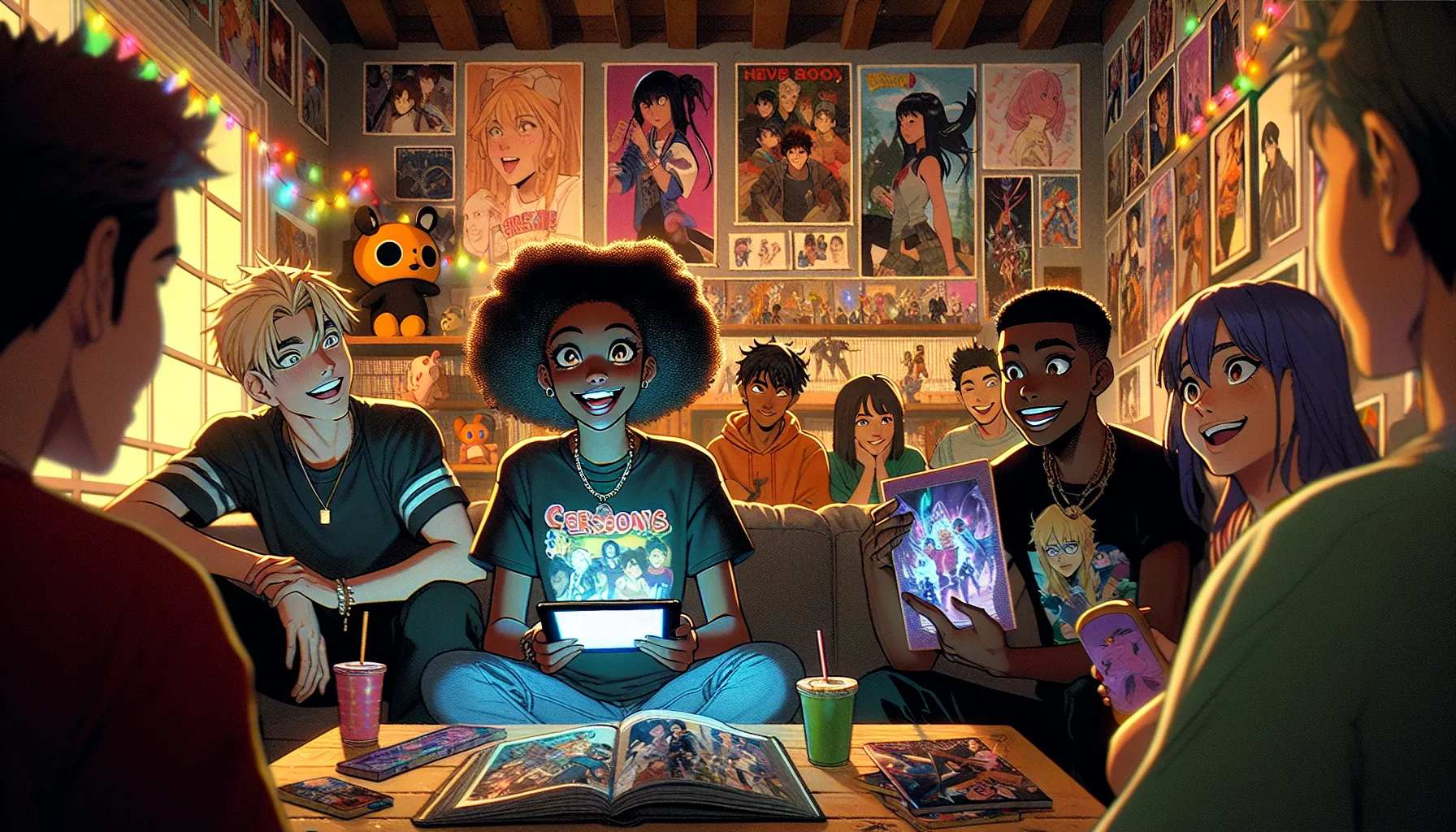
Anime has evolved from being a niche genre to a global powerhouse. In the 90s, titles like “Dragon Ball Z” and “Sailor Moon” began to seep into Western consciousness, setting the groundwork for future success. Now, platforms such as Crunchyroll and Netflix have propelled anime into the mainstream, making it accessible to millions. }
With unique storylines and visually stunning animation, shows like “Attack on Titan” and “My Hero Academia” have captivated viewers both young and old. Interestingly, the art form creates a varied tapestry, appealing to various tastes, be it action, drama, or romance. We can also credit social media platforms for amplifying the conversation surrounding anime. Fans produce fan art, videos, and discussions, sustaining a virulent community that generates buzz and introduces newcomers to this magical world.
BTS: A Global Phenomenon
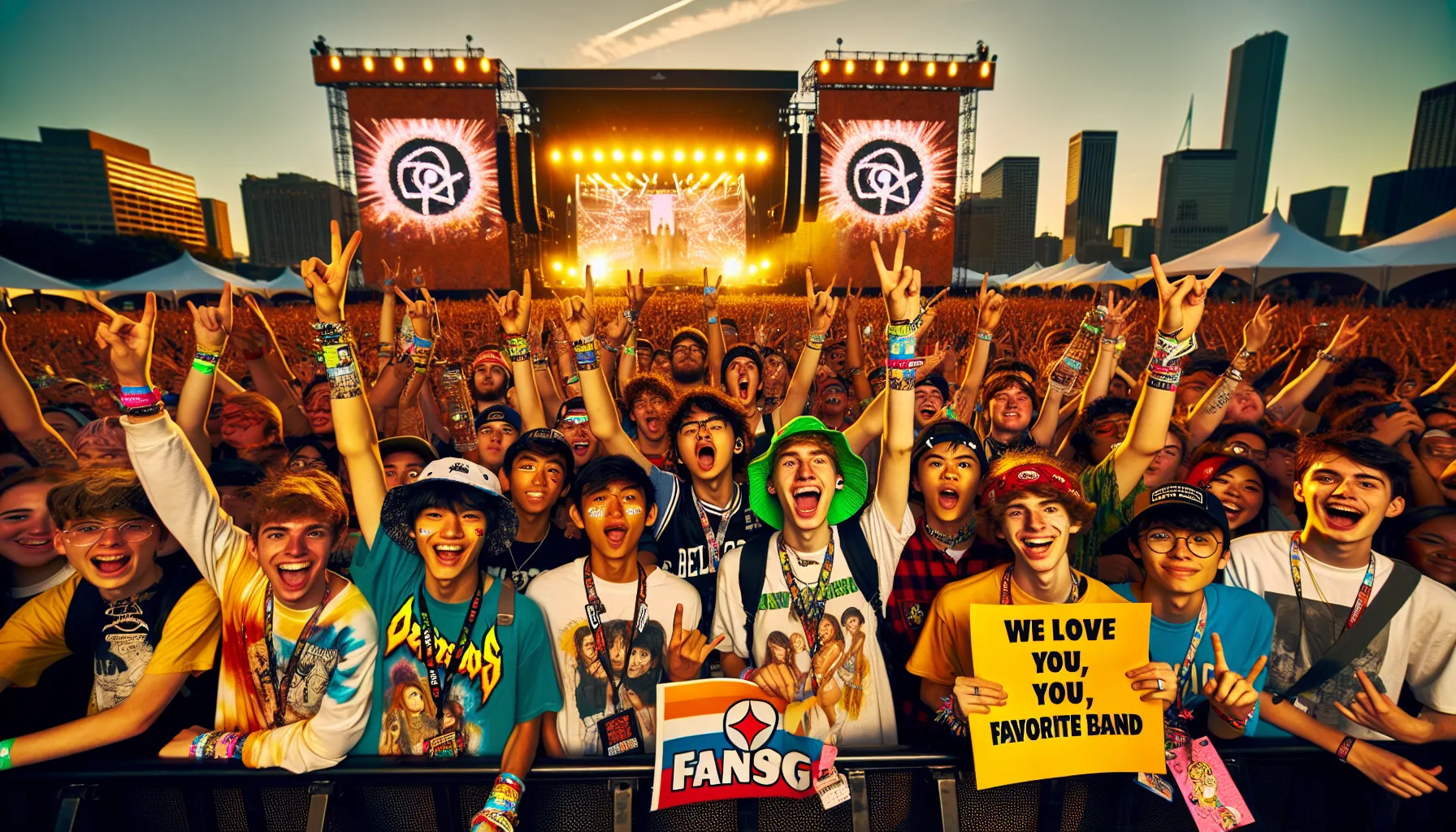
K-pop, particularly embodied by BTS, has not merely captured hearts, it’s shaped an entire cultural landscape. Formed in 2013, BTS exploded onto the scene with their infectious sound and meaningful lyrics that often tackle significant issues like mental health and youth struggles. They don’t only produce music: they create an emotional experience. Their fanbase, known as ARMY, is an unwavering force, propelling them across global charts.
With record-breaking albums, sold-out stadium tours, and an unmatched online presence, BTS exemplifies what it means to be truly global artists. Their engagement with fans is something else: they use social media to connect on personal levels, giving them a distinct edge in relatability. As they shed traditional barriers, BTS is an undeniable force within not only music but also redefining global pop culture.
Comparative Popularity Metrics
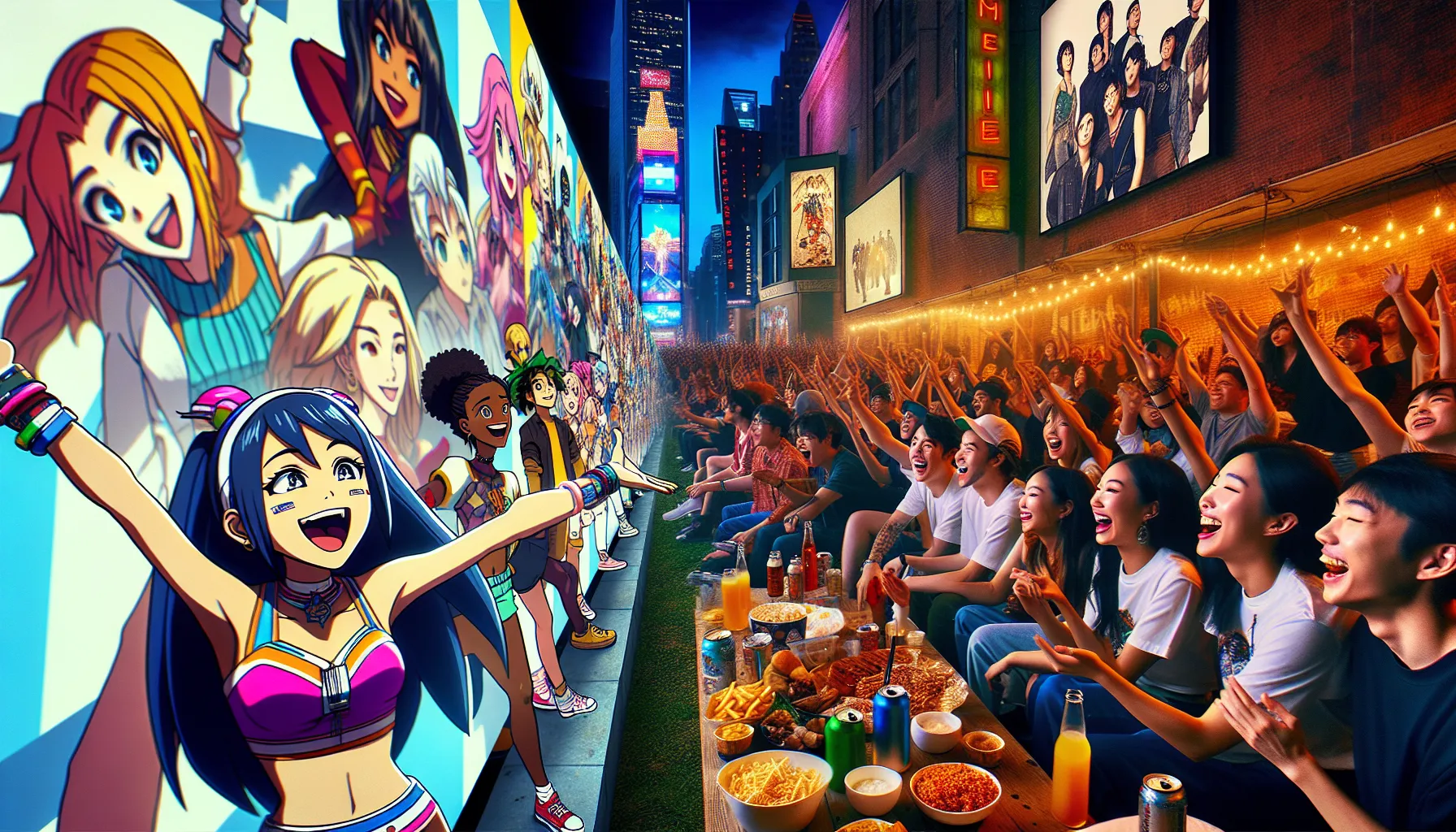
When we consider metrics of popularity, several indicators spring to mind: social media following, chart rankings, and sales figures. Both anime and BTS boast staggering statistics. According to social media metrics, the anime community has millions of followers across various platforms, while BTS tops the charts with over 40 million Twitter followers.
In terms of streaming, BTS’s albums consistently dominate the Billboard charts, while several anime soundtracks are finding their way into mainstream music playlists. Besides, the anime industry generates billions in revenue annually, showcasing how its fanbase willingly invests in merchandise, subscriptions, and events. When examining these figures, we find that both phenomena stake valid claims to prominence, though in often drastically different arenas.
Audience Engagement and Community
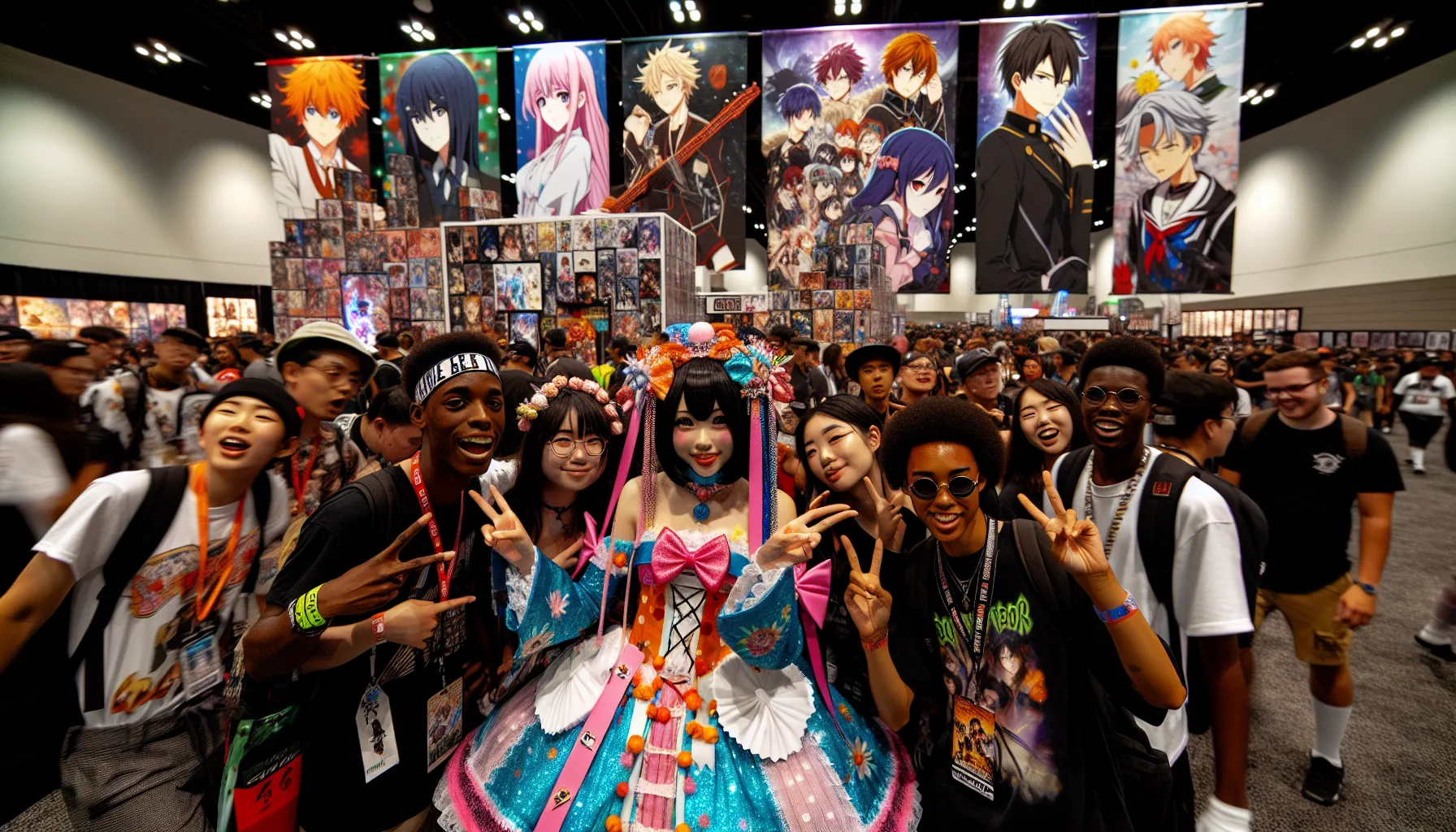
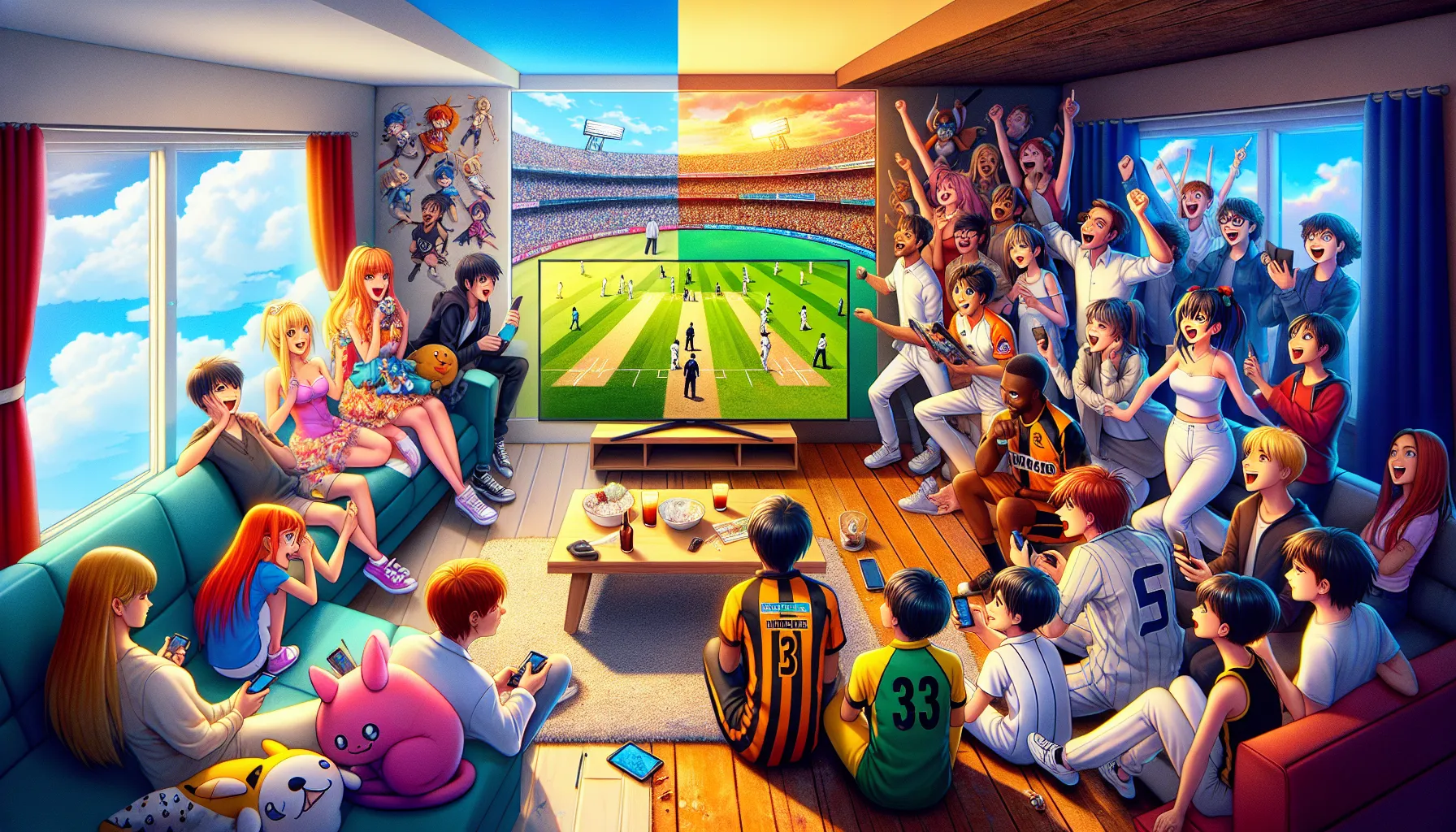
Engagement levels provide deeper insights into the hearts of these fanbases. Anime fans often participate in cosplay events, anime expos, and streaming parties, creating localized communities that thrive on shared interests. Social media forums like Reddit and Discord foster discussions around theories, fan art, and character development, leading to a robust sense of belonging.
On the flip side, BTS’s ARMY exhibits a devotion that’s almost unparalleled. Their organized fan projects, charity work, and intense interaction during live streams showcase an unwavering loyalty. BTS ambassadors, dedicated to spreading the band’s message, align on key issues and rally their community for both fun and social causes. The relationships fostered within both digital and physical spaces add extra layers to their popularity.
Cultural Impact and Influence
Both anime and BTS wield significant cultural influence, shaping trends and attitudes. Anime has contributed to the rise of various fashions, sayings, and even lifestyle choices among fans. The art form serves as a catalyst for discussions about topical issues, often pushing boundaries in narrative scope.
Meanwhile, BTS’s influence transcends musical boundaries: they have made impactful statements on mental health and acceptance, becoming pop culture icons who engage with issues affecting millions. Their engagement with global events further cements their status as more than just musicians but conveyors of messages that resonate deeply with societal struggles. So, we see that the impact of both anime and BTS reverberates far beyond entertainment.
Future Trends in Popularity
Looking at trends, anime continues to grow in global reach with more collaborations and original content targeting international audiences. Netflix has ventured into original anime, leveraging its massive platform to attract fans worldwide. The rise of virtual conventions also paves new paths for fans to engage with their favorite titles.
Conversely, BTS is witnessing an evolution in their fan interaction style, exploring metaverse experiences and new forms of content delivery. This approach not only keeps the community engaged but also nurtures a sense of belonging, reinforcing their global reach as technology continues to intertwine with entertainment. As we look forward, both anime and BTS appear poised to expand their influence.
Conclusion
Eventually, the battle between anime and BTS isn’t about claiming superiority: rather, it’s a celebration of the diverse ways we connect with stories and music. Each phenomenon captivates and engages its audience in distinct yet powerful ways. While metrics may ebb and flow, the cultural narratives we create and share begin to define what we love. As fans, we can immerse ourselves in both realms, drawing joy and inspiration, discovering connections that only grow deeper with time.
by Ellie B, Site owner & Publisher

- What Is Better: Roth IRA Or 401(k) - February 21, 2026
- What Is Worse: First Or Second Degree Burns - February 21, 2026
- Which Is More Popular: Anime or BTS - February 21, 2026