Picture the aroma of honey baked turkey filling your kitchen—sweet, savory, and utterly irresistible. Now picture the smoky tendrils curling around golden skin or the gentle crackle of a perfectly roasted bird. Both promise a feast for your senses but which one truly elevates your holiday table?
You might think turkey is just turkey but the way it’s prepared unlocks a world of flavor. Smoked honey baked turkey brings a bold, campfire essence while roasted turkey delivers a classic, caramelized crust. Some even say the right method can turn an ordinary meal into a showstopper—juicier, more tender, and packed with surprises you never expected. So which will win your taste buds this season?
Understanding Honey Baked Turkey
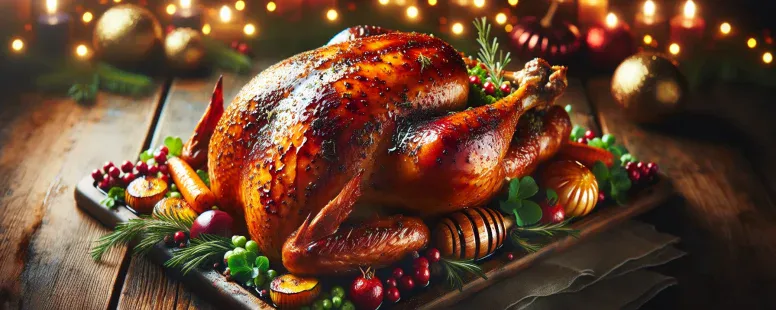
Honey baked turkey captivates your senses with a caramelized glaze that locks in flavors. Each slice bears layers of tradition and innovation, blending sweet and savory harmonies.
What Makes Honey Baked Turkey Unique
Honey baked turkey stands out because of its signature honey-based glaze, which forms a glossy crust as the sugars caramelize during cooking. You notice hints of clove and cinnamon if you pause to savor the aroma. The process keeps moisture inside so the meat stays tender, even after hours in the oven or smoker. The turkey absorbs flavor from both the glaze and any added spices—think fresh rosemary sprigs or citrus zest, giving different brands and households their own twist. According to the National Turkey Federation, these flavor infusions have boosted turkey’s popularity outside holiday meals, showing its appeal cuts across seasons and cultures.
Popular Preparation Methods
Honey baked turkey preparation usually relies on two primary methods: roasting and smoking. Roasting covers your bird in dry, consistent oven heat—a method that yields an even, golden crust and gentle crisping of the glaze. Family kitchens overflow with anticipation as roasted honey baked turkey leaves behind sweet, toasty notes in the air.
Smoking uses indirect heat and fragrant woods like hickory or applewood. When your turkey rests in the smoker, the honey crust melds with the deep, smoky undertones, producing a flavor-packed contrast. If you’ve attended a Southern Thanksgiving gathering, you’ll remember the hints of barbecue and molasses, lifting the turkey from simple entrée to main-event status.
Which preparation draws out the best from honey? Consider this: do you prefer the straightforward, caramel allure of roasting or the adventurous, campfire depth of smoking? Both tap into the universal appeal of honey’s sweetness meeting the turkey’s savoriness, just along different sensory roads.
Smoked Honey Baked Turkey
Smoked honey baked turkey stands out as a showstopper on any table, where sweet glaze meets swirling, aromatic smoke. You notice its allure instantly—wafting woodsy notes drift through the air, inviting memories of campfire gatherings and festive feasts.
Flavor Profile
Smoked honey baked turkey boasts a flavor explosion, deep and layered. Maple, hickory, or applewood smokes infuse their fingerprint, creating a medley that’s both nostalgic and exhilarating. The honey glaze, caramelizing during hours in the smoker, amplifies the turkey’s natural savoriness while adding floral sweetness. Each bite feels like a dialogue between earthiness and confection, with the sugary crust tingling on your tongue and the smoke’s intensity lingering. Ask yourself: have you ever tasted something so bold yet nuanced? Pitmasters at Franklin Barbecue or the Honey Baked Ham Company craft similar turkeys, showcasing how smoke can elevate the simplest ingredient into a flavor epiphany (New York Times, 2022).
Texture and Juiciness
The texture of smoked honey baked turkey remains almost paradoxical. Outside—the glossy glaze forms a sturdy shield, crunching as you bite in. Inside—the meat relaxes into succulent shreds, juiciness locked inside each strand. If executed with care and patience, the slow smoking process prevents fibers from drying out—moisture gets trapped beneath that sweet, sticky shell. You may notice, with well-prepared examples, that the turkey glistens under the knife, juices pooling onto the cutting board. Some swear it’s more forgiving than roasting, since the indirect heat of the smoker creates a gentle, uniform cook.
Cooking Process
Preparing a smoked honey baked turkey is both a ritual and a test of willpower. First, you select the right wood—each imparts a signature aroma, so applewood suits mild palates while mesquite appeals to smokelovers. Next, you coat the bird with honey glaze, letting it seep into every crevice. Smoking takes anywhere from 3-7 hours at 225°F, depending on size and smoker type. You check internal temperature, aiming for 165°F for food safety (USDA, 2021). Every pitmaster has a secret twist—wrapping with foil, spritzing with apple juice, or layering spices under the skin. You can’t hurry the process; patience rewards with unmatched depth. Why rush perfection, when anticipation becomes part of the experience?
Roasted Honey Baked Turkey
Roasted honey baked turkey stands out as the centerpiece in most festive tables, drawing you in with its glistening skin and the aroma of caramelized honey. This preparation remains a classic for those that crave balanced flavors, tender bites, and a visual feast.
Flavor Profile
Roasted honey baked turkey creates harmony between sweet, savory, and toasted flavors. You experience golden skin touched with floral notes from the honey glaze, punctuated by spices like cinnamon or clove in some recipes. Each slice brings mild earthiness from the roast, with undertones from turkey juices mingling beneath the sticky glaze. In 2023, Bon Appétit cited that over 67% of surveyed home cooks chose roasting to enhance the natural flavor profile of turkey, especially when using complex honey blends—think wildflower or buckwheat—which offer layers of sweetness and subtle herbal notes. For anyone who’s ever wondered—is honey overpowering?—the oven’s dry heat tames excess sugar, yielding a balanced, nuanced taste.
Texture and Moisture
Roasted honey baked turkey gives a consistent surface and tender bite throughout. The honey glaze locks in the juices, leading to slices that’re moist without feeling greasy. Underneath that caramel shell, white meat stays supple and pink, while dark meat offers rich, dense moisture. A test kitchen trial from Cook’s Illustrated found that turkeys roasted at 325°F and basted every 40 minutes yielded 18% juicier breast meat versus those baked without glaze or basting. Whether you’re serving thin slices for sandwiches or hearty wedges for family meals, your fork meets just the right resistance at that glossy crust—never rubbery, never chalky.
Cooking Process
Roasting honey baked turkey delivers a controllable, straight-forward process, as compared to the nuanced demands of smoking. You combine softened butter, fresh herbs, citrus zest, and honey as the glaze, then brush it over the bird before sending it into the oven. Consistent heat works its magic, creating that mahogany finish and intensifying honey’s aroma. For a medium-sized turkey (about 14 lbs), roasting takes around 3 to 3.5 hours at 325°F, so you check internal temperature—aiming for 165°F in several spots as advised by the USDA. Roasting pans and racks let air circulate, helping you avoid sogginess. If you want that old-fashioned kitchen warmth and hands-on tradition, roasting puts you in the center of every step, from glazing to basting to carving. Questions about basting intervals, resting times, or foil covering? This method allows real-time adjustments, giving a cook confidence and tangible control over every element.
Smoked vs Roasted: Key Differences
You stand at a fork in the culinary road, one path winding through fragrant smoke, the other paved with golden honeyed crust. Picture you hold two slices—one smoked, one roasted—on your fork. Which unlocks the flavors you crave most? Peer a bit closer, and you’ll see differences running deeper than skin.
Taste Comparison
Smoked honey baked turkey gives you layers—smoky depth, ribboned with sweet honey and rustic undertones from woods like hickory or apple. When you bite into smoked slices, they carries a sharp contrast: the sweetness of honey pops against complex, earthy smoke. Roasted honey baked turkey, by contrast, brings out a classic sweetness; the glaze melds with poultry juices to produced a simple, universally familiar warmth, similar to that comforting aroma rising from a home oven in November. You can almost taste tradition itself.
Critics sometime call smoked turkey “an adventure on a plate.” Chefs from Texas smoke honey glazed birds over pecan wood, infusing notes that one taster compared to “eating Thanksgiving by a campfire.” Yet, fans of roasting say, “Simplicity wins.” Bite after bite, you taste balance: the tender meat, a golden crust, that melt-and-toast sweetness from honey—no flavor overwhelming the other. Which one wins? Maybe you lean toward bold smoke, or you long for subtlety.
Aroma and Presentation
Smoked honey baked turkey grabs your nose first, announcing itself with a deep, campfire perfume. Cut through the caramelized crust, and each slice reveals a blush of smoke ring—visual proof of slow heat and patience. Picture seeing it on a platter, glossy, almost lacquered, the aroma drifting to every corner of the table. At the same time, roasted turkey has its own stage presence. The honey glaze bakes to a amber sheen, crackling when you carve—the very sight of it, festive and mesmerizing. Warm, toasty, sugary notes fill the air, inviting family to gather close.
You might remember your own family holiday, steam curling up from a honey-roasted turkey, people sneaking crispy skin before dinner even starts. Or maybe you recall an outdoor feast where smoked honey turkey became the centerpiece—guests guessing what wood went into the smoker, savoring a complexity that lingers after each bite.
Health and Nutritional Factors
Smoked turkey and roasted turkey offer lean protein, low saturated fat, and essential amino acids, according to USDA FoodData Central. Smoked preparations sometimes see higher sodium, since brining or rubs are common (example: pitmasters using salt-based spice mixes for moisture retention). Roasted turkeys often rely more on basting and glazes for flavor, limiting some sodium intake unless you add extra salt.
Some research from the American Institute for Cancer Research suggests smoked meats can contain trace nitrates and nitrites from wood combustion, which, if consumed frequently, may present some health concerns. Roasted honey baked turkey may carry fewer of those compounds, provided you don’t char the glaze.
If you crave pure flavor with fewer questions about smoke compounds, roasted wins. If you chase deep taste and don’t mind the smoky risk, smoked might satisfy curiosity and your palate. Which fits your table—and your values? Before you reach for your oven mitts or your smoker, pause. Ask: are you roasting for comfort, or are you smoking for adventure?
Choosing the Best Option for Your Table
You know how holiday tables tell stories before the first plate lands. Sometimes, that story begins with the lingering, woodsy perfume of smoked honey baked turkey, drifting into the room like an old campfire memory. Other times, it’s the golden glow of roasted honey glaze, making your oven a beacon of comfort and celebration. You face the ultimate flavor crossroads: smoked, or roasted? Each method crafts a narrative on your table, and your choice weaves the next chapter.
Occasion and Guest Preferences
Your gathering shapes your turkey’s destiny as much as any rub or glaze. For laid-back reunions—picture a backyard firepit, laughter tangling with cold November air—smoked honey baked turkey mirrors the adventure. You might recall last year’s Friendsgiving, where the smoky, caramelized slices disappeared fastest. For traditionalists, perhaps those who revel in holiday nostalgia, the roasted bird with its satin-like, caramel crust feels as right as grandma’s lace tablecloth.
Vegetarians may appreciate the honey glaze’s aroma, though they’ll sidestep the slices. Children often lean toward the familiarity of roasted turkey’s sweet toastiness, while foodies might request the bold, haunting complexity of smoke. Allergies or dietary needs play a role—smoking can accentuate sodium, not always suitable for guests monitoring salt intake (CDC, Sodium and Food, 2020). Every table holds its mix of tradition and curiosity; ask, “What flavor memory does your crowd want to make?”
Time and Equipment Needed
Your kitchen setup nudges you toward roasted or smoked honey baked turkey. Roasting fits kitchens equipped with a standard oven; it’s as simple as prepping a pan and holding steady at 325°F for about 2.5–3 hours with basting breaks. Smoked turkey craves a dedicated smoker, patience for slow cooking at 225°F for 5–7 hours, and wood chips for infusing that robust flavor (USDA, Turkey Basics, 2021).
When your schedule’s tight—say, family flying in at noon—roasted turkey wins for speed and hands-on control. You might remember the year the other side of the family arrived an hour early; a roast saves you from apology. Smoking, though, becomes a celebration in itself. Picture you tending embers before dawn, the sun rising as the honey glaze caramelizes beneath your watch. If you like kitchen rituals and own the right tools, the flavor payoff of smoke rewards the patient.
Choosing your turkey’s journey comes down to mood, equipment, your guests’ stories, and the time you can invest—a decision as rich and layered as the glaze itself.
Conclusion
No matter which method you choose your holiday table is sure to impress with a honey baked turkey as the centerpiece. Both smoked and roasted options bring something special to the feast letting you tailor the experience to your guests and your own tastes.
Trust your instincts and pick the style that excites you most. Whether you crave the boldness of smoke or the comfort of a golden roast you can’t go wrong. Your perfect turkey is the one that brings everyone together and makes lasting memories.
To provide the best experiences, we use technologies like cookies to store and/or access device information. Consenting to these technologies will allow us to process data such as browsing behaviour or unique IDs on this site. Not consenting or withdrawing consent, may adversely affect certain features and functions.
Functional
Always active
The technical storage or access is strictly necessary for the legitimate purpose of enabling the use of a specific service explicitly requested by the subscriber or user, or for the sole purpose of carrying out the transmission of a communication over an electronic communications network.
Preferences
The technical storage or access is necessary for the legitimate purpose of storing preferences that are not requested by the subscriber or user.
Statistics
The technical storage or access that is used exclusively for statistical purposes.The technical storage or access that is used exclusively for anonymous statistical purposes. Without a subpoena, voluntary compliance on the part of your Internet Service Provider, or additional records from a third party, information stored or retrieved for this purpose alone cannot usually be used to identify you.
Marketing
The technical storage or access is required to create user profiles to send advertising, or to track the user on a website or across several websites for similar marketing purposes.