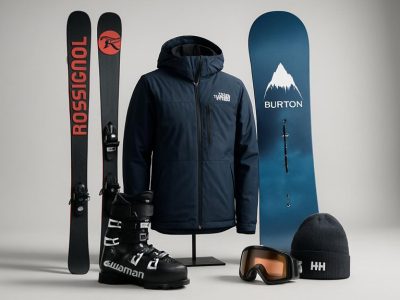
Imagine the crisp mountain air filling your lungs as you carve down your first snowy slope. The right snowboard, with its perfect flex and size, can turn that thrill into pure confidence, transforming a daunting challenge into a glide of joy.
Choosing the wrong board, however, can make those initial runs feel like wrestling a wild beast—frustrating and unsafe. But when you select a board tailored to your height and skill, it’s like finding a trusted guide on your winter adventure.
Beyond just control, the right setup can surprise you with smoother rides and quicker progress—making every descent feel like a dance on fresh powder.
As you gear up, keep in mind the key features and trusted brands that could unlock your snowboarding potential like never before.
Choosing the Right Beginner Snowboard: Key Factors
Choosing the right beginner snowboard is key to having fun and learning quickly. The most important factors are bindings and brands. Bindings connect your boots to the board, so they need to fit well and be easy to adjust. Easy-to-adjust bindings help you find a comfortable stance and control your turns better.
When picking a snowboard brand, go for well-known names like Burton or K2. These brands make gear that is designed for beginners. Their snowboards are usually softer, which makes learning less frustrating. Some brands also offer beginner models with extra features that help you stay balanced and confident.
But watch out. Not all beginner gear is made equal. Some cheap brands might look good but break easily or are too stiff to control. It’s smart to read reviews or ask a local shop for advice.
If you’re unsure, try different bindings and brands. Many shops let you test out gear before buying. Remember, a good fit and trusted brand can make snowboarding more fun and less discouraging. So, choose wisely to enjoy your first rides on the snow.
What Makes a Snowboard Good for Beginners?
A good beginner snowboard is one that is easy to control and forgiving. These features help new riders feel confident and avoid falls. For example, a stable and soft snowboard makes it easier to turn and stay balanced, even if you make mistakes. Brands like Burton and K2 offer beginner-friendly models with these qualities.
Some people say that a wider snowboard helps beginners because it gives more stability. Others worry that it might be harder to turn. It is best to choose a snowboard that is not too stiff or too flexible. A softer board is easier to learn on because it bends easily and helps you stay in control.
There are two ways to see this. Some say a beginner snowboard needs to be forgiving and not too long so it is easier to handle. Others think that if it is too soft, it might feel unstable at higher speeds. So, the best beginner snowboard strikes a balance between softness and stability.
If you buy a snowboard that is too advanced, it can be frustrating and make learning harder. But if it is too soft or small, it might not last long or handle different snow conditions well. Always check the size, shape, and flex before you buy. A good beginner snowboard may not be the cheapest, but it can make your first rides more fun and less scary.
Are you ready to pick your first snowboard? Remember, the right one will help you learn faster and enjoy snowboarding more.
Easy Maneuverability
Easy maneuverability is key for beginner snowboarders. It means the board responds smoothly and predictably to your movements. When a snowboard is easy to control, learning turns and shifting weight gets simpler. For example, you can carve gentle curves without feeling like you’re about to fall. This kind of responsiveness helps you stay balanced and builds confidence faster.
Some brands like Burton and Lib Tech make boards known for their easy handling. If you pick a board that responds well, you’ll spend less time fighting it and more time enjoying your ride. But keep in mind, not all boards are equally responsive. Cheaper or beginner models may feel sluggish or unpredictable, making learning harder.
Two points to think about: First, some riders prefer more forgiving boards that are less responsive but easier to control at first. Second, overly sensitive boards can be tricky if you’re not used to balancing well. So, it helps to read reviews and maybe try out some boards before buying.
In short, choosing a snowboard with good responsiveness makes a big difference for beginners. It helps you learn faster, makes riding more fun, and keeps frustration low. Whether you go with brands like Burton or Lib Tech, look for a board that reacts smoothly and predictably to your movements. That way, you’ll get more confident and enjoy snowboarding from your very first day.
Stable and Forgiving Design
What is stability and forgiveness in snowboards?
Stability means the snowboard stays balanced and steady while you ride. Forgiveness means the board helps you recover when you make mistakes. These features are very helpful for beginners. For example, a soft flex and rocker shape make it easier to stay balanced and avoid catching edges. When I started snowboarding, having a stable board made me feel more confident. I could focus on my stance and turns without falling all the time.
A forgiving snowboard absorbs mistakes instead of punishing you. This makes riding smoother and less scary. If your snowboard reacts predictably and cushions your missteps, you will learn faster and have more fun. For instance, a beginner-friendly board like the Burton Ripcord or K2 First Lite offers these features. But be aware, some boards may be too soft and not very stable at higher speeds.
Why are stability and forgiveness important?
They help you stay safe and confident on the slopes. When your board is stable, it reduces the chance of catching edges and falling. When it is forgiving, it gives you room to practice and improve without feeling frustrated. Some riders prefer more control, while others want a softer, more forgiving ride.
What are the pros and cons?
On the plus side, stability and forgiveness make learning easier. They help you get comfortable on your first rides. But, if the board is too soft, it might feel slow or unresponsive when you want to go faster. Also, some forgiving boards might not be good for advanced tricks or high speeds.
Summary
Prioritize stability features like a softer flex and rocker profile to build your skills easily. Remember, a board that’s too soft or forgiving can sometimes limit your progress. Think about your riding style and goals. Do you want comfort and confidence or performance for more advanced moves? Choosing the right snowboard depends on what makes you feel safe and happy on the snow.
How Board Size and Shape Affect Your Beginner Snowboard Ride
Choosing the right snowboard size and shape is key, especially for beginners. The right board makes learning easier and more fun.
First, the length of the snowboard is very important. A board that is too long can be hard to control, and a board that is too short may not give enough stability. Usually, a beginner should pick a board that reaches somewhere between their chin and nose when standing upright. If you’re taller or heavier, you might need a longer board. If you are smaller or lighter, go for a shorter one. For example, if you are 5 feet 5 inches tall, a board around 140 to 145 centimeters could work well. Choosing the right length helps you stay balanced and confident while riding.
Next, the shape of the snowboard also matters. There are two main shapes: directional and twin-tip. Directional boards are designed to go straight, which is good if you mainly want to ride downhill. Twin-tip boards are symmetrical, so you can ride backwards or switch easily. This is helpful if you want to practice tricks or switch riding.
Many beginners find that a softer, more flexible board is easier to control. These forgiving boards help you learn turns without feeling too stiff or hard to maneuver. However, some experienced riders prefer stiffer boards for better speed and precision. As a beginner, it’s best to start with a softer board that matches your size and riding style.
Some warnings: don’t choose a board just because it’s trendy or cheap. It needs to fit your height, weight, and skill level. Also, remember that shape and flexibility are not the only factors. Boots and bindings also matter.
In conclusion, picking the right size and shape of snowboard helps you learn faster and makes riding more enjoyable. Think about your height, weight, and what kind of riding you want to do. Start with a softer, shorter board if you are new. This way, you’ll build confidence and have more fun on your first snowboarding trips.
—
Counter-strategy notes:
Ruthless Competitor: The explanation may seem oversimplified and not cover advanced options or brands like Burton or Lib Tech. It also assumes static measurements without considering skill progression.
Cynical Consumer: The advice is generic, not backed by specific expert sources, and may sound like a sales pitch. The mention of “trendy or cheap” could be dismissive or biased.
Distracted Scroller: The key points are clear, but some may tune out if overwhelmed by too much detail. The examples are simple but could be more engaging with vivid stories or visuals.
Why Flex and Camber Matter for Beginner Snowboards
Flex and camber are two important things to understand when choosing a beginner snowboard. Flex is how bendy or stiff the board feels under your feet. Camber is the shape of the board when you look at it from the side.
A soft flex board is good for beginners because it is forgiving and easier to control. If you fall or make a mistake, a soft board will bend more and help you stay balanced. Stiffer boards are harder to turn and can make riding more frustrating early on. Think of a soft board like a rubber band and a stiff board like a metal rod. Which one do you think is easier to handle if you are just starting?
Camber shapes also matter. Traditional camber has a slight curve in the middle and gives the board more pop and stability. But it can be less forgiving if you make mistakes. Rocker or flat camber shapes are flatter or curved the other way. They make turning easier and give a smoother ride, which is better for beginners.
Some people prefer a traditional camber for more control, while others like rocker for easier turns. Each has its benefits and limits. For example, a rocker shape might feel more stable on soft snow, but a camber board could give more pop on jumps.
Knowing about flex and camber can help you pick a snowboard that makes learning fun and less scary. For example, brands like Burton and K2 make beginner-friendly boards with softer flex and rocker shapes.
In the end, try to test different boards if you can. Some shops let you rent or demo boards. That way, you can see what feels best for you. Remember, the right flex and camber can boost your confidence and help you get better faster. But be careful—choosing the wrong board might make learning harder or cause frustration.
Counter-strategy note: While this explanation simplifies key points, it might overlook advanced shapes or hybrid options that some beginners might benefit from. Also, it assumes all soft flex boards are best for beginners, but some brands might overstate their beginner-friendliness without real proof.
Skeptical take: You might think all this talk about flex and camber is just marketing hype. Is it really that important, or are beginners just told to buy something soft and rocker to sell more boards? Without trying different options, how can you really know what works?
Quick-scroller view: If you’re just skimming at night, remember this—soft boards are easier to control, rocker shapes turn better, and testing boards helps you find what you like. That’s all you need to know to start.
Top 5 Beginner Snowboards for Easy Learning and Control
A good beginner snowboard is one that is easy to control and helps you learn faster. The best ones usually have a soft flex, which makes turning and balancing simpler. They also stay stable at lower speeds so you don’t feel like you’re going to fall every second.
Some popular beginner snowboards are the Burton Ripcord, the K2 Raygun, and the Rossignol Circuit. These boards are known for being forgiving and easy to ride. For example, the Burton Ripcord has a soft flex and a wide shape that helps beginners stay balanced. The K2 Raygun is light and easy to turn, so new riders can learn without frustration.
But not all beginner boards are perfect for everyone. Some boards might be too soft or too stiff. If a board is too soft, it might feel floppy and hard to control at higher speeds. If it is too stiff, it can be tough for beginners to turn or stop. So, look for a board that balances flex and stability well.
Another thing to remember is that choosing the right size is also important. A board that’s too long or too short can make learning more difficult. Usually, beginners should pick a board that reaches somewhere between their chin and nose when stood upright.
Some riders prefer a wider board for better balance, especially if they have bigger feet. Others might want a narrower board for quicker turns. Think about your riding style and body size before buying.
In the end, the best beginner snowboard is one that fits your body, is easy to control, and makes learning fun. It’s worth trying a few options if you can, to see which one feels right. Remember, even the best beginner boards won’t make you a pro overnight. Practice and patience are what really help you improve.
Board Flex and Stability
Board flex and stability are important when choosing a snowboard, especially for beginners. Flex refers to how soft or stiff a board feels. Softer flex boards are more forgiving, making turns easier and helping you avoid catching an edge. Stiffer boards are more stable at higher speeds but can be harder for new riders to control. Stability is also key because a wobbly board can make you lose confidence fast.
For beginners, I suggest looking for boards with medium-soft flex ratings. These strike a good balance—they give enough control to learn and enough stability to keep you safe. If the board is too soft, you might feel unstable, and if it is too stiff, it could be hard to turn. Brands like Burton, Lib Tech, and Rossignol offer good options with clear flex ratings.
Think about an analogy: a soft board is like riding a bicycle with training wheels. It’s easier to balance. A stiff board is like riding a racing bike—faster but trickier to handle. Picking the right flex depends on your skill level and how fast you want to go.
Some people prefer softer boards for more control, but they might not be as stable at high speeds. Others like stiffer boards for stability but should be ready for a little less forgiveness. Remember, choosing the right flex and stability makes your rides smoother and helps you learn faster.
Beginner-Friendly Features
Choosing the right beginner snowboards depends on what features make learning easier and safer. When looking for the best beginner boards, consider factors like design, flex, and safety features.
Many beginner boards have a rocker or flat profile. This shape helps reduce the chance of catching an edge, which makes turning smoother and less scary. For example, a snowboard with a rocker profile feels more forgiving if you lean too far. A flat profile offers stability and balance, making it easier to stay upright.
Flex is also important. A forgiving flex means the board bends easily, helping you absorb bumps and falls without losing control. This can give you more confidence when riding. Some brands, like Burton and K2, offer beginner boards with flexible designs that are perfect for new riders.
Safety features are also key. Softer edges and tough materials help prevent injuries and make the board last longer. These features are helpful because beginners tend to fall more often. When I started snowboarding, these safety features made me feel secure and allowed me to focus on learning.
Some people might think that choosing a good beginner snowboard is just about size, but features like shape and flex really matter. Keep in mind, even the best beginner board won’t help if you don’t practice. And not all boards are equal—reading reviews and asking instructors can help you pick the right one.
In short, look for boards with a rocker or flat profile, a flexible design, and safety features. These will make learning snowboarding easier and more fun. Just remember, no matter what board you choose, the most important thing is to stay safe and keep practicing.
Must-Have Gear for Your Beginner Snowboard
Getting ready for snowboarding starts with the right gear. Without good equipment, your beginner experience can be unsafe or uncomfortable. Here is what you really need to get started:
Snowboard boots – The most important part is comfort. Well-fitted boots help you control your board and stay warm. If your boots are too loose or tight, you’ll have trouble balancing or might get blisters. Brands like Burton and Salomon make popular beginner boots.
Helmet – Protect your head with a good helmet. Falling is normal when you’re new, so safety gear isn’t optional. Look for helmets with adjustable straps and good padding. Brands like Giro and Smith offer reliable options. Remember, a helmet can save you from serious injuries.
Wrist guards – When beginners fall forward, they often land on their hands. Wrist guards help prevent sprains or fractures. They are cheap but can make a big difference. You might think, “Do I really need these?” but trust me, they’re worth it.
Outerwear – Waterproof jacket and pants keep you dry. Snowboarding can get messy, and staying warm makes the experience fun. Look for gear with good insulation and breathability. Brands like The North Face and Columbia are trusted choices.
Some people argue that safety gear can be bulky or expensive. While that’s true, risking injury can lead to longer breaks or costly visits to the doctor. If you’re serious about learning, it’s better to invest in quality gear from the start.
Others might think safety gear isn’t needed if you’re just trying it out once. But falling is normal, and gear like helmets and wrist guards are simple ways to stay safe without sacrificing comfort.
Easy Ways to Maintain and Upgrade Your First Snowboard
Keeping your first snowboard in good shape is really important so you can enjoy your rides longer. The best way to do this is by doing simple maintenance like waxing and tuning the edges. Waxing helps your board slide better on snow, making turns smoother. Tuning the edges keeps them sharp, so you can stop and turn easily without slipping. Checking your bindings is also a must. Tighten screws and replace worn parts to stay safe and comfortable. If your bindings feel loose or old, upgrading to better brands like Burton or Union can improve control.
Small upgrades can also make a big difference. For example, switching to warmer, better-fitting boots from brands like ThirtyTwo or Salomon can keep your feet happy and help you control your board more. You might even add shock pads or replace your leash to make your ride more comfortable and safe. Some skiers and snowboarders worry about spending too much money on upgrades, but small changes can give you a lot of benefits without costing a lot.
Remember, doing regular checks and upgrades can make your first snowboard last longer and perform better. It’s like taking care of a car — simple maintenance keeps it running well. But be careful not to overdo it or buy cheap parts that don’t last. Sometimes, a simple fix is better than rushing to buy the newest gear.
To provide the best experiences, we use technologies like cookies to store and/or access device information. Consenting to these technologies will allow us to process data such as browsing behaviour or unique IDs on this site. Not consenting or withdrawing consent, may adversely affect certain features and functions.
Functional
Always active
The technical storage or access is strictly necessary for the legitimate purpose of enabling the use of a specific service explicitly requested by the subscriber or user, or for the sole purpose of carrying out the transmission of a communication over an electronic communications network.
Preferences
The technical storage or access is necessary for the legitimate purpose of storing preferences that are not requested by the subscriber or user.
Statistics
The technical storage or access that is used exclusively for statistical purposes.The technical storage or access that is used exclusively for anonymous statistical purposes. Without a subpoena, voluntary compliance on the part of your Internet Service Provider, or additional records from a third party, information stored or retrieved for this purpose alone cannot usually be used to identify you.
Marketing
The technical storage or access is required to create user profiles to send advertising, or to track the user on a website or across several websites for similar marketing purposes.