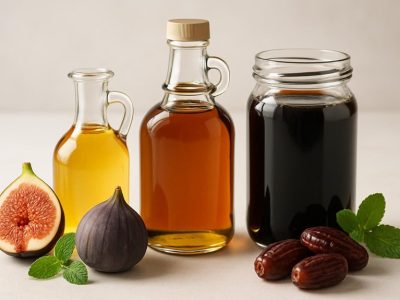
Picture drizzling golden sweetness over your morning oatmeal or stirring it into tea, only to realize you’re out of honey. Whether you’re avoiding it due to dietary preferences, allergies, or simply running low, finding the perfect substitute can feel like a challenging job. But don’t worry—there are plenty of alternatives that mimic honey’s rich flavor and silky texture without missing a beat.
Why Look For A Substitute For Honey?
People often seek substitutes for honey due to various reasons, including dietary restrictions or personal preferences. If you’re vegan, honey might not align with your ethical choices since it’s derived from bees. Some individuals also avoid it because of allergies to bee products.
Cost can be another factor. Premium-quality honey tends to be expensive compared to other sweeteners like maple syrup or agave nectar. Relying on affordable alternatives ensures you stick within budget without compromising flavor.
Availability poses challenges too, especially when recipes call for it but your pantry is empty. Substituting honey with a similar ingredient helps maintain the desired taste or texture in cooking and baking.
Cultural practices may influence this choice as well. In some cuisines or traditions, plant-based sweeteners are favored over animal-derived options like honey, offering unique flavors and versatility in recipes such as desserts or beverages.
Common Reasons To Substitute Honey
People often substitute honey for practical or personal reasons linked to health, ethics, or preferences. Understanding these motivations helps identify suitable alternatives.
Dietary Restrictions
Vegans avoid honey since it’s derived from bees, an animal product. If you’re following a plant-based lifestyle, options like agave nectar or maple syrup provide similar sweetness without compromising your principles. Recipes calling for honey can easily adapt by using fruit-based sweeteners like date syrup or apple molasses instead.
For those on low-sugar diets, honey’s high fructose content might not align with dietary goals. Alternatives such as stevia or monk fruit offer sweetness without impacting blood sugar levels significantly. These options work well in beverages and baked goods.
Allergies
Bee pollen proteins in honey trigger allergic reactions in some individuals. If you’re allergic to bee products, replacing honey with coconut nectar or rice malt syrup ensures safety while maintaining flavor profiles in recipes.
Pollen allergies are less common but serious when present. Always read labels carefully because cross-contamination occurs if facilities process both bee-derived and plant-based sweeteners together.
Ethical Concerns
Concerns about commercial beekeeping practices lead many to seek ethical substitutes for honey. Harvesting methods sometimes harm bees by disrupting colonies during production cycles. Sustainable choices like organic agave nectar support environmental conservation efforts better than industrially produced honeys.
Best Substitute For Honey Options
When looking for honey substitutes, it’s essential to choose options that match its sweetness, texture, and flavor profile. The following alternatives work well in various recipes and dietary contexts.
Maple Syrup
Maple syrup offers a rich, earthy sweetness similar to honey. Derived from the sap of maple trees, it’s an excellent vegan-friendly option. Use it in baked goods like muffins or drizzled over pancakes as a direct replacement for honey at a 1:1 ratio. Unlike honey, maple syrup has a thinner consistency but blends seamlessly into marinades or salad dressings.
Agave Nectar
Agave nectar provides a mild sweetness with a neutral taste, making it versatile across desserts and beverages. Sourced from agave plants, this liquid sweetener is suitable for vegans and those avoiding bee products. Its low glycemic index makes it popular among people managing blood sugar levels. But, due to its higher fructose content compared to honey, moderation is key.
Coconut Nectar
Coconut nectar delivers natural sweetness with subtle caramel undertones. Extracted from coconut tree sap without harming the plant itself, it’s eco-friendly and ideal for vegans or sustainability-conscious individuals. It works well in smoothies or energy bars but has a slightly thicker texture than other substitutes.
Date Syrup
Date syrup adds depth with its robust flavor resembling molasses combined with natural fruitiness. Made by blending dates with water then straining the mixture, it’s packed with nutrients like potassium and fiber absent in processed sweeteners like white sugar or corn syrup.. Replace honey using equal measurements when baking cookies or preparing oatmeal.
Brown Rice Syrup
Brown rice syrup supplies mild sweetness while being less overpowering than some alternatives on this list.. Produced by breaking down cooked brown rice’s starches into simpler sugars through enzymatic processes; it fits perfectly into granola recipes yet lacks honeys distinctive floral aroma .
Homemade Alternatives To Honey
Homemade substitutes for honey can provide sweetness and texture using simple ingredients from your kitchen. These options suit various dietary preferences while offering versatility in recipes.
Simple Sugar Syrup
Sugar syrup mimics honey’s sweetness and viscosity. Combine 1 cup of granulated sugar with 1/2 cup water, heating until the sugar dissolves completely. Adjust thickness by simmering longer if needed. This neutral-flavored alternative works well in beverages, baked goods, or salad dressings. For example, you could use sugar syrup to replace honey in a lemonade recipe without altering its taste profile.
Adding lemon juice or vanilla extract enhances flavor complexity. If you’re aiming for a subtle twist, consider infusing the syrup with ginger or cinnamon during preparation. It’s an accessible option when pantry staples are limited but still effective for most culinary applications.
Fruit-Based Syrups
Fruit syrups like date or apple offer derived sweetness with additional nutrients. Blend soaked dates with warm water to create a thick date syrup ideal for smoothies, marinades, and desserts requiring richness akin to honey’s depth. Apple syrup involves reducing unsweetened apple juice over low heat until it thickens; this lighter alternative suits oatmeal toppings or pancake drizzles.
Berry-based syrups such as raspberry or blueberry provide vibrant color and tanginess alongside sweetness—a great choice for glazing roasted vegetables or enriching vinaigrettes. When choosing fruit syrups as substitutes, their distinct flavors should complement rather than overpower your dish’s intended taste balance.
Tips For Using Honey Substitutes
When using honey substitutes, it’s essential to consider their sweetness, texture, and flavor profile. These factors ensure the substitute complements your dish without overpowering or altering its intended taste.
Adjusting Sweetness Levels
Honey is sweeter than most alternatives, so adjusting quantities helps maintain balance in recipes. Use a 1:1 ratio for agave nectar or maple syrup since their sweetness closely matches honey’s intensity. For less sweet options like coconut nectar or brown rice syrup, increase the amount by 25%. For example, if a recipe calls for 2 tablespoons of honey, use 2.5 tablespoons of brown rice syrup instead.
Taste testing prevents overly sweet results when substituting with concentrated sweeteners like stevia or monk fruit extract. Start with half the amount of honey required and add more gradually until desired sweetness is achieved.
Pairing With Recipes
Certain substitutes work better in specific dishes due to their unique flavors and consistencies. Maple syrup enhances baked goods like muffins and pancakes with its rich caramel notes. Agave nectar pairs well with salad dressings and beverages due to its mild taste and smooth consistency.
Coconut nectar’s subtle tropical undertone complements Asian-inspired marinades or stir-fry sauces effectively. Date syrup adds depth to smoothies, oatmeal bowls, or roasted vegetables through its robust flavor profile.
Choosing a substitute that aligns with your dish’s ingredients ensures harmony in taste while preserving the recipe’s original essence.
Conclusion
Finding the perfect substitute for honey doesn’t have to be a challenge. With so many options available, you can easily tailor your choice to suit your dietary needs, ethical preferences, or flavor goals. Whether it’s a store-bought sweetener like agave nectar or maple syrup or a homemade alternative like sugar syrup, there’s always a solution that works for you.
By understanding the unique properties of each substitute and how they complement different recipes, you can confidently recreate the taste and texture honey brings to your dishes. Explore these alternatives with creativity and enjoy the versatility they offer in enhancing your culinary creations.
To provide the best experiences, we use technologies like cookies to store and/or access device information. Consenting to these technologies will allow us to process data such as browsing behaviour or unique IDs on this site. Not consenting or withdrawing consent, may adversely affect certain features and functions.
Functional
Always active
The technical storage or access is strictly necessary for the legitimate purpose of enabling the use of a specific service explicitly requested by the subscriber or user, or for the sole purpose of carrying out the transmission of a communication over an electronic communications network.
Preferences
The technical storage or access is necessary for the legitimate purpose of storing preferences that are not requested by the subscriber or user.
Statistics
The technical storage or access that is used exclusively for statistical purposes.The technical storage or access that is used exclusively for anonymous statistical purposes. Without a subpoena, voluntary compliance on the part of your Internet Service Provider, or additional records from a third party, information stored or retrieved for this purpose alone cannot usually be used to identify you.
Marketing
The technical storage or access is required to create user profiles to send advertising, or to track the user on a website or across several websites for similar marketing purposes.