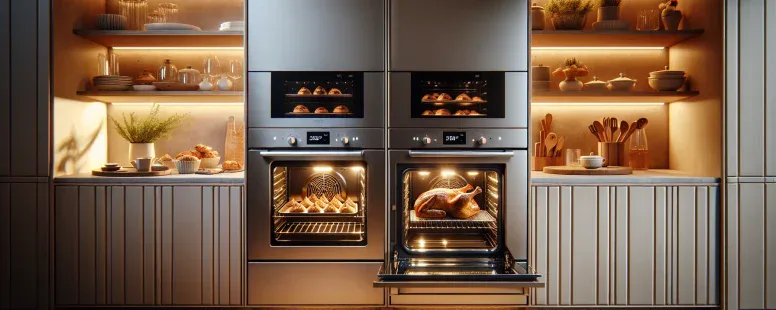
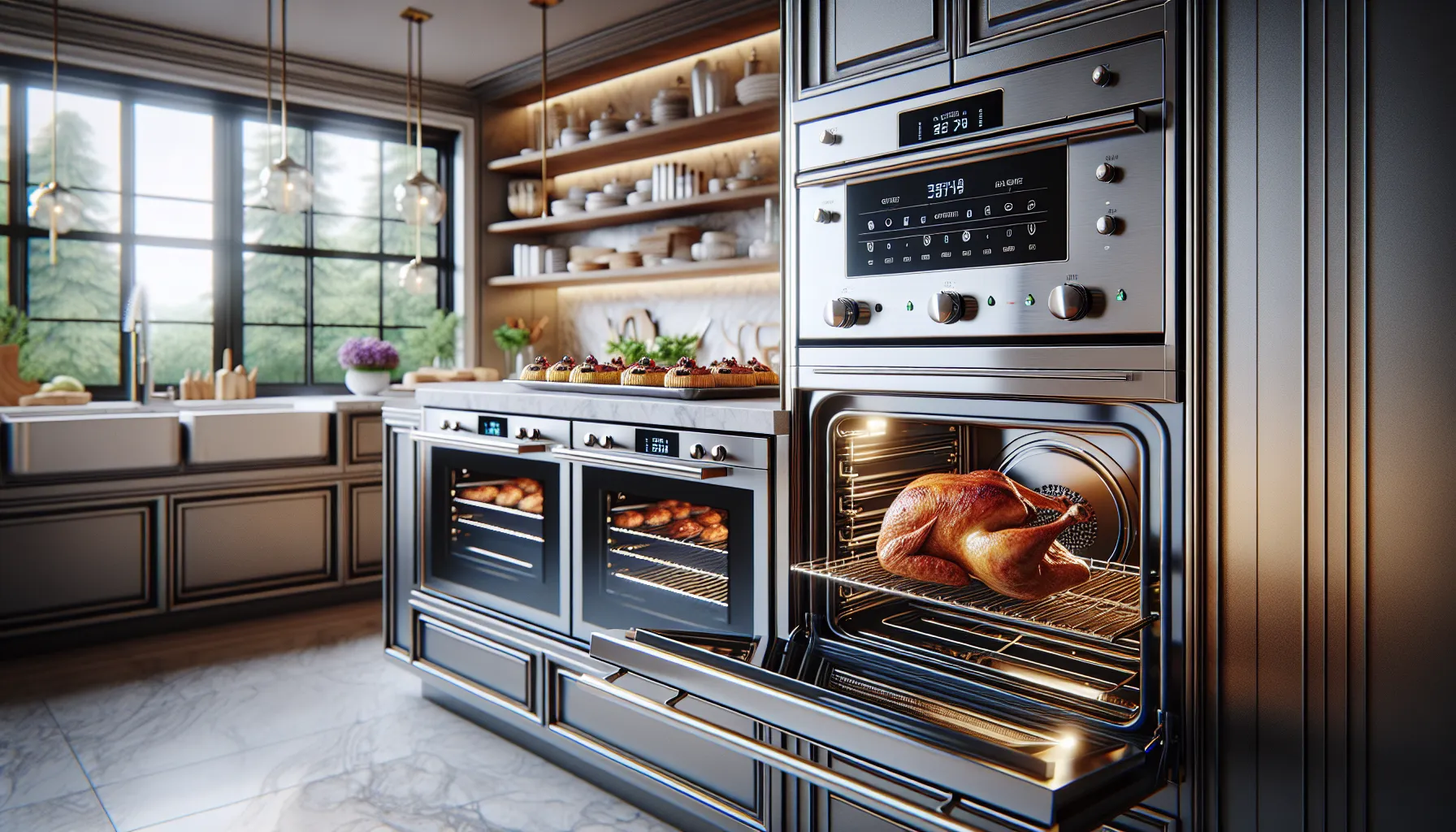
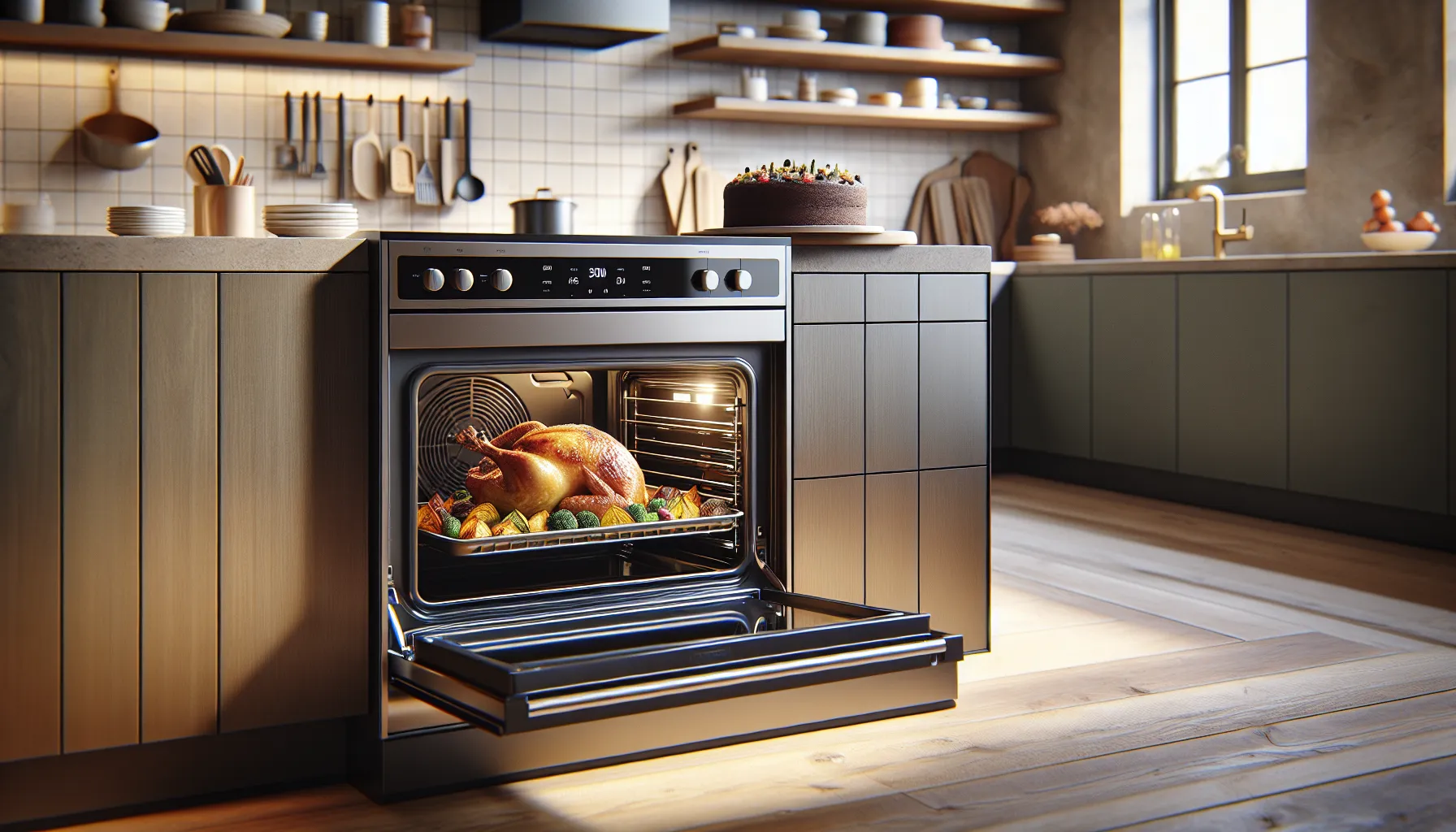
When cooking enthusiasts discuss advanced oven technologies, the terms “convection bake” and “convection roast” often come up. These techniques, while seemingly similar, offer distinct methods for enhancing your culinary endeavors. By harnessing circulating heat, convection cooking ensures efficient, evenly browned, and perfectly textured dishes. In this text, let us explore these modes’ unique roles and purposes in your kitchen.
Understanding Convection Cooking
Definition of Convection Cooking
Convection cooking refers to the use of a fan and exhaust system within an oven to circulate hot air around the food. This mechanism enables consistent temperature distribution, leading to improved cooking performance.
How It Differs From Traditional Cooking Methods
Traditional ovens rely on natural thermal radiation and hot air’s passive circulation. Convection ovens, conversely, expedite cooking by actively propelling heat, so preventing uneven temperature zones.
What Is Convection Bake?
Features and Benefits of Convection Baking
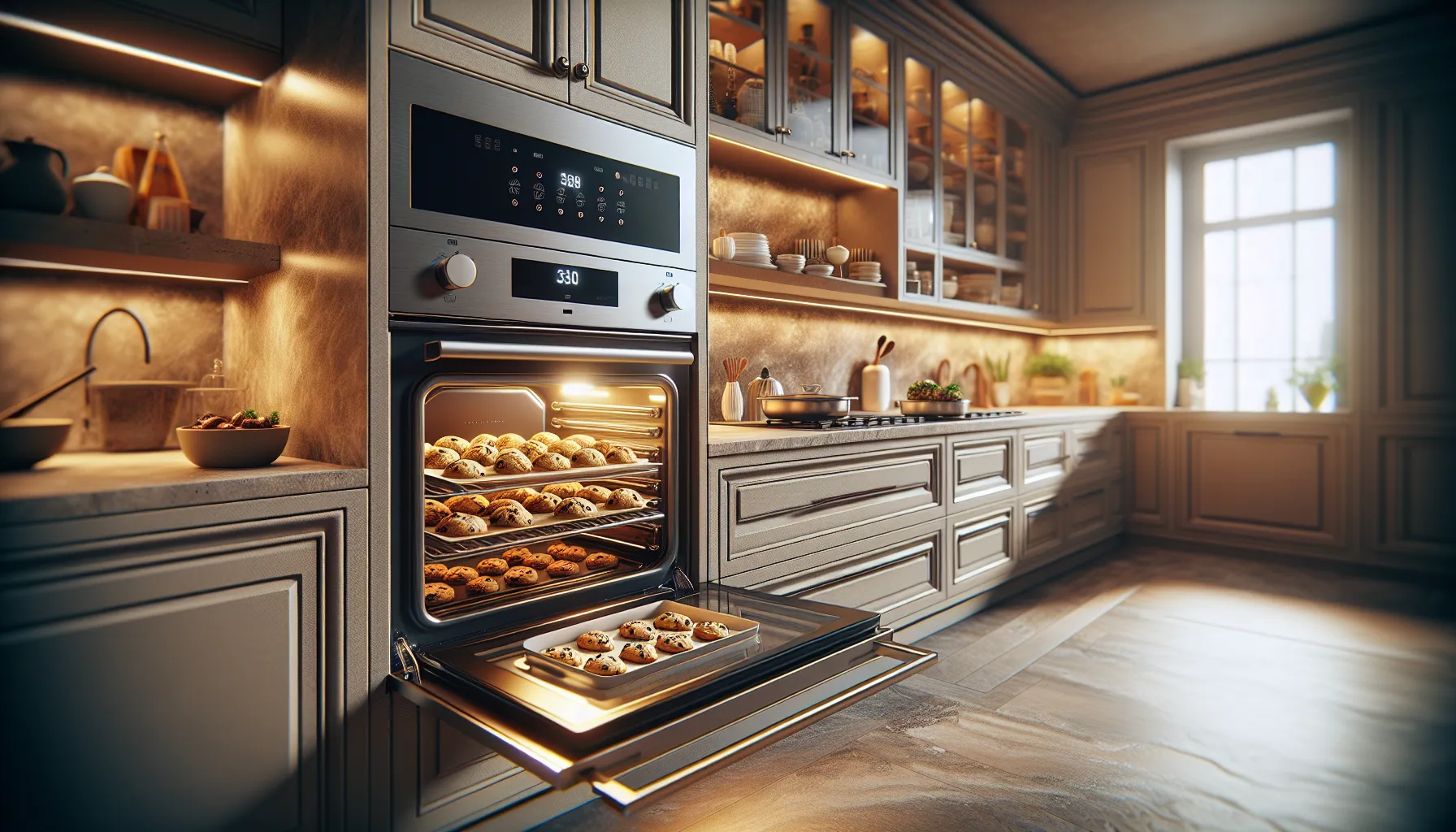
Convection baking functions by evenly distributing heat, which minimizes hot spots and enhances overall baking precision. This results in even browning and doneness for items like cookies and roasted vegetables.
Common Uses of Convection Baking
This mode is optimal for recipes requiring lower, steady heat, such as pastries, casseroles, and many baked goods.
What Is Convection Roast?
Features and Benefits of Convection Roasting
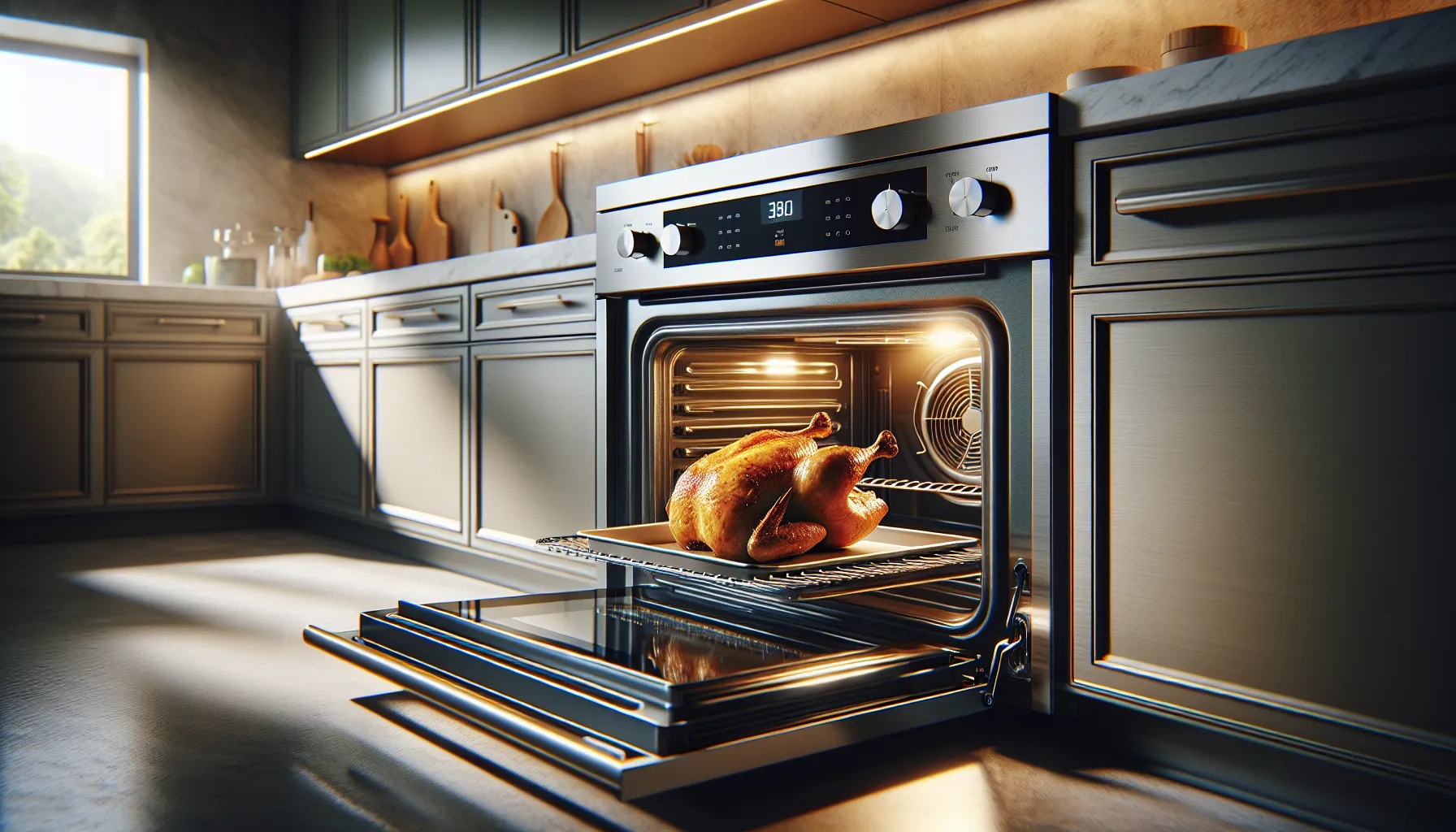
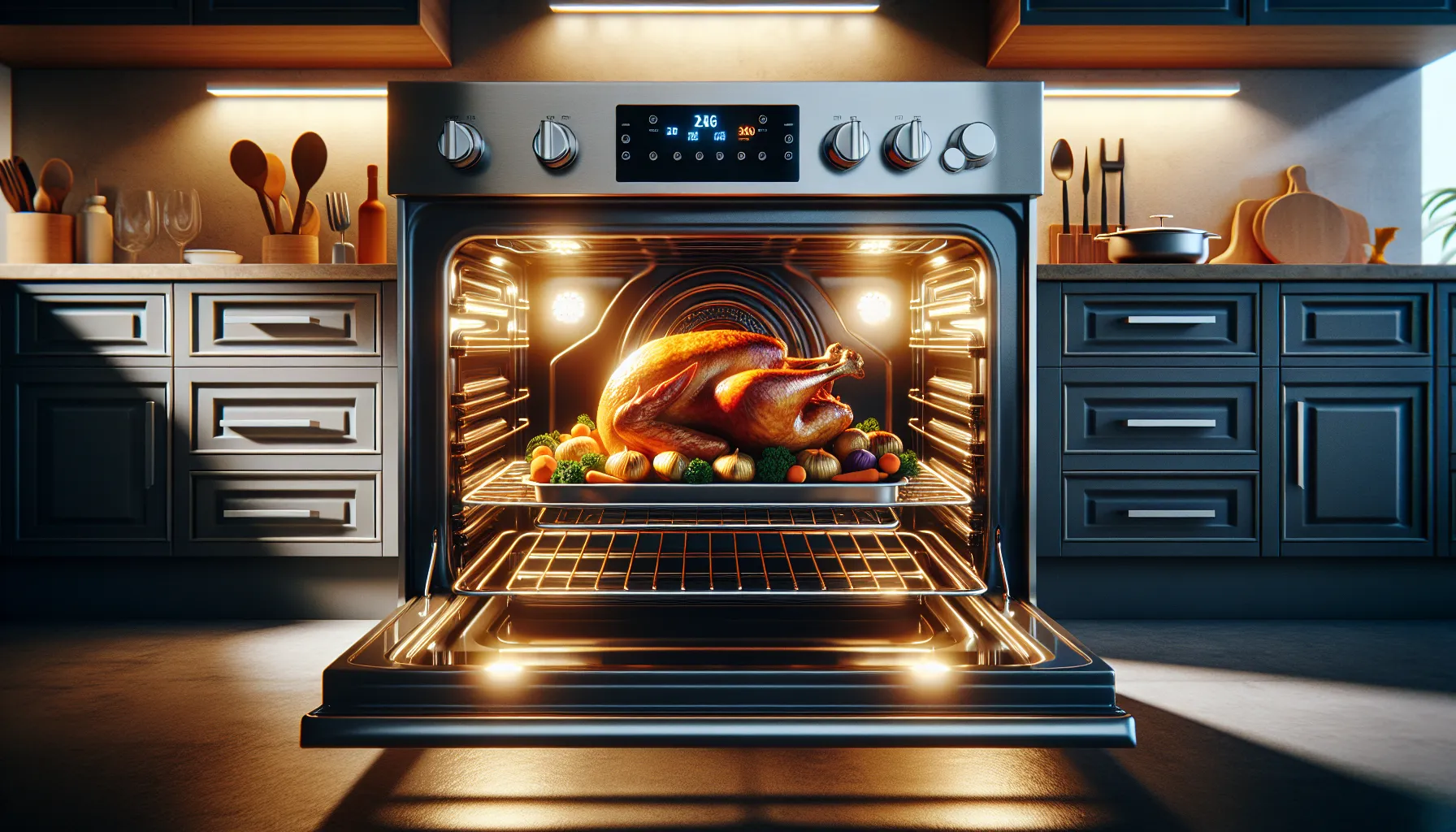
Convection roasting employs the same air circulation technology but at a higher temperature. This ensures caramelization and crisping, ideal for roasts and poultry.
Common Uses of Convection Roasting
This setting suits preparing meats with a crispy exterior, such as chicken or turkey, while maintaining tenderness inside.
Key Differences Between Convection Bake and Convection Roast
Temperature Settings and Fan Usage
Convection bake generally employs a moderate fan speed and consistent heating, while convection roast applies additional intensity for exterior browning.
Ideal Foods for Each Method
Use convection bake for baking-sensitive recipes and convection roast for heavy meats or vegetables requiring a crisp, golden finish.
Practical Tips for Optimal Results
Adjusting Recipes for Convection Bake and Roast
Decrease baking times or lower temperature settings by roughly 25°F to account for accelerated cooking in convection ovens. Monitor your dishes closely to prevent overcooking.
Using Appropriate Equipment
Employ specialized bakeware designed for convection ovens and avoid heavy, heat-blocking sheets to ensure even circulation.
To provide the best experiences, we use technologies like cookies to store and/or access device information. Consenting to these technologies will allow us to process data such as browsing behaviour or unique IDs on this site. Not consenting or withdrawing consent, may adversely affect certain features and functions.
Functional
Always active
The technical storage or access is strictly necessary for the legitimate purpose of enabling the use of a specific service explicitly requested by the subscriber or user, or for the sole purpose of carrying out the transmission of a communication over an electronic communications network.
Preferences
The technical storage or access is necessary for the legitimate purpose of storing preferences that are not requested by the subscriber or user.
Statistics
The technical storage or access that is used exclusively for statistical purposes.The technical storage or access that is used exclusively for anonymous statistical purposes. Without a subpoena, voluntary compliance on the part of your Internet Service Provider, or additional records from a third party, information stored or retrieved for this purpose alone cannot usually be used to identify you.
Marketing
The technical storage or access is required to create user profiles to send advertising, or to track the user on a website or across several websites for similar marketing purposes.