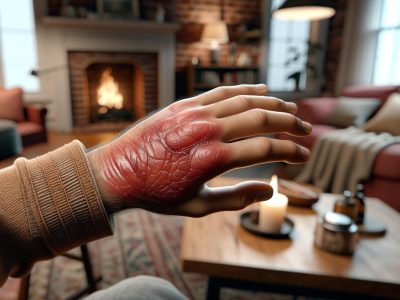
Burns are injuries we all dread, manifesting in ways that can be both painful and shocking. When faced with any burn, a crucial question often arises: how severe is it really? Understanding the difference between first and third degree burns can guide us in responding effectively. While first degree burns may elicit mild discomfort, third degree burns are a different story entirely. Imagine the skin bubbling and charred: the severity and implications of these injuries dramatically differ. In this text, we will explore burn degrees, their symptoms, treatments, and preventative measures, giving us a comprehensive understanding to navigate these situations with knowledge and confidence.
Understanding Burn Degrees
Burns are classified primarily into three degrees, each indicating the severity of tissue damage.
First Degree Burns
First degree burns are the mildest form. They affect only the outer layer of skin, known as the epidermis.
Symptoms and Characteristics
Typically, first degree burns present as red, dry skin that can be painful but lacks blisters. The affected area may feel warm, and the pain is usually localized.
Treatment and Recovery
Treatment involves cooling the burn with running water or cold compresses, then applying aloe vera or a soothing lotion to promote healing. Recovery often occurs within a week, with minimal long-term effects.
Third Degree Burns
In contrast, third degree burns are severe and extend through the epidermis and dermis, potentially affecting underlying tissue.
Symptoms and Characteristics
These burns may appear white, charred, or leathery, lacking the usual pain receptors due to nerve damage. This makes third degree burns particularly dangerous, as victims might not realize the extent of their injury immediately.
Treatment and Recovery
Treatment for third degree burns typically requires medical intervention. The area may need debridement (removal of dead tissue), skin grafts, and long-term rehabilitation. Recovery can take months or longer, with potential for significant scarring and loss of function.
Comparative Severity of First and Third Degree Burns
When comparing first and third degree burns, the differences in severity are stark.
Impact on Skin and Tissues
First degree burns affect only the skin’s surface, causing little more than redness and discomfort. Third degree burns, but, penetrate deeply, destroying skin and may damage nerves, muscles, and bones.
Pain and Sensation Differences
Pain levels vary tremendously. While first degree burns can be very painful, third degree burns may not hurt as much because they damage nerve endings. This discrepancy can be misleading, as lack of pain doesn’t indicate a less severe injury.
Risk of Complications and Long-Term Effects
The risk of complications is significantly higher with third degree burns. We might face issues like infection, scarring, and psychological effects. First degree burns, while uncomfortable, typically result in minimal complications.
Immediate Responses and First Aid
Our initial reactions significantly impact the outcome of burn injuries.
First Aid for First Degree Burns
For first degree burns, we should cool the burn under running water for at least 10 minutes, then apply a soothing lotion or aloe vera. Pain relief can be managed with over-the-counter medications.
First Aid for Third Degree Burns
In the case of third degree burns, immediate and appropriate response is critical. We should avoid running water and instead cover the burn with a sterile, dry cloth. Calling for emergency help becomes imperative.
When to Seek Medical Help
Knowing when to seek medical help can be a game changer in managing burns effectively.
Identifying Emergency Situations
We should seek professional help if the burn is larger than three inches, located on sensitive areas like the face, hands, feet, or genitals, or if it’s a third degree burn.
Professional Medical Treatments
Professional treatment may involve intravenous fluids, pain management, and specialized wound care. Recognizing the need for professional care early on can greatly impact recovery.
Preventive Measures for Burns
Prevention is our best ally against burn injuries.
Safety Precautions at Home
We can minimize risk at home by installing smoke detectors, keeping flammable materials away from heat sources, and teaching children about fire safety.
Burn Safety in the Workplace
In the workplace, proper training on handling hot objects and chemicals is vital. Using personal protective equipment (PPE) can also reduce burn risk significantly.
Conclusion
Understanding the differences between first and third degree burns empowers us to make informed decisions about treatment and prevention. First degree burns, being relatively minor, can often be treated at home, while third degree burns pose significant health risks requiring professional medical intervention. Recognizing the severity of these injuries is crucial not just in emergencies, but also in preventing them. As we cultivate awareness and safety, we inevitably lessen the impact of burns on our lives.
To provide the best experiences, we use technologies like cookies to store and/or access device information. Consenting to these technologies will allow us to process data such as browsing behaviour or unique IDs on this site. Not consenting or withdrawing consent, may adversely affect certain features and functions.
Functional
Always active
The technical storage or access is strictly necessary for the legitimate purpose of enabling the use of a specific service explicitly requested by the subscriber or user, or for the sole purpose of carrying out the transmission of a communication over an electronic communications network.
Preferences
The technical storage or access is necessary for the legitimate purpose of storing preferences that are not requested by the subscriber or user.
Statistics
The technical storage or access that is used exclusively for statistical purposes.The technical storage or access that is used exclusively for anonymous statistical purposes. Without a subpoena, voluntary compliance on the part of your Internet Service Provider, or additional records from a third party, information stored or retrieved for this purpose alone cannot usually be used to identify you.
Marketing
The technical storage or access is required to create user profiles to send advertising, or to track the user on a website or across several websites for similar marketing purposes.