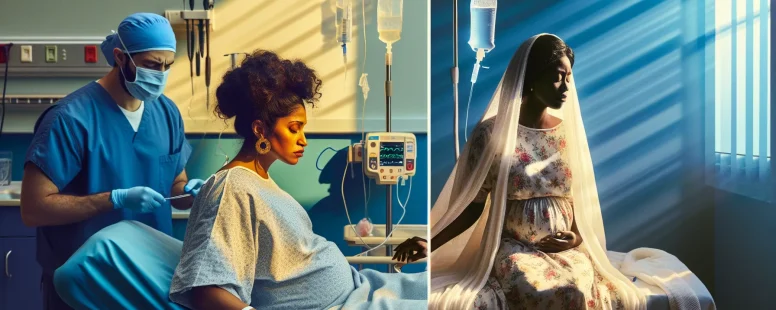
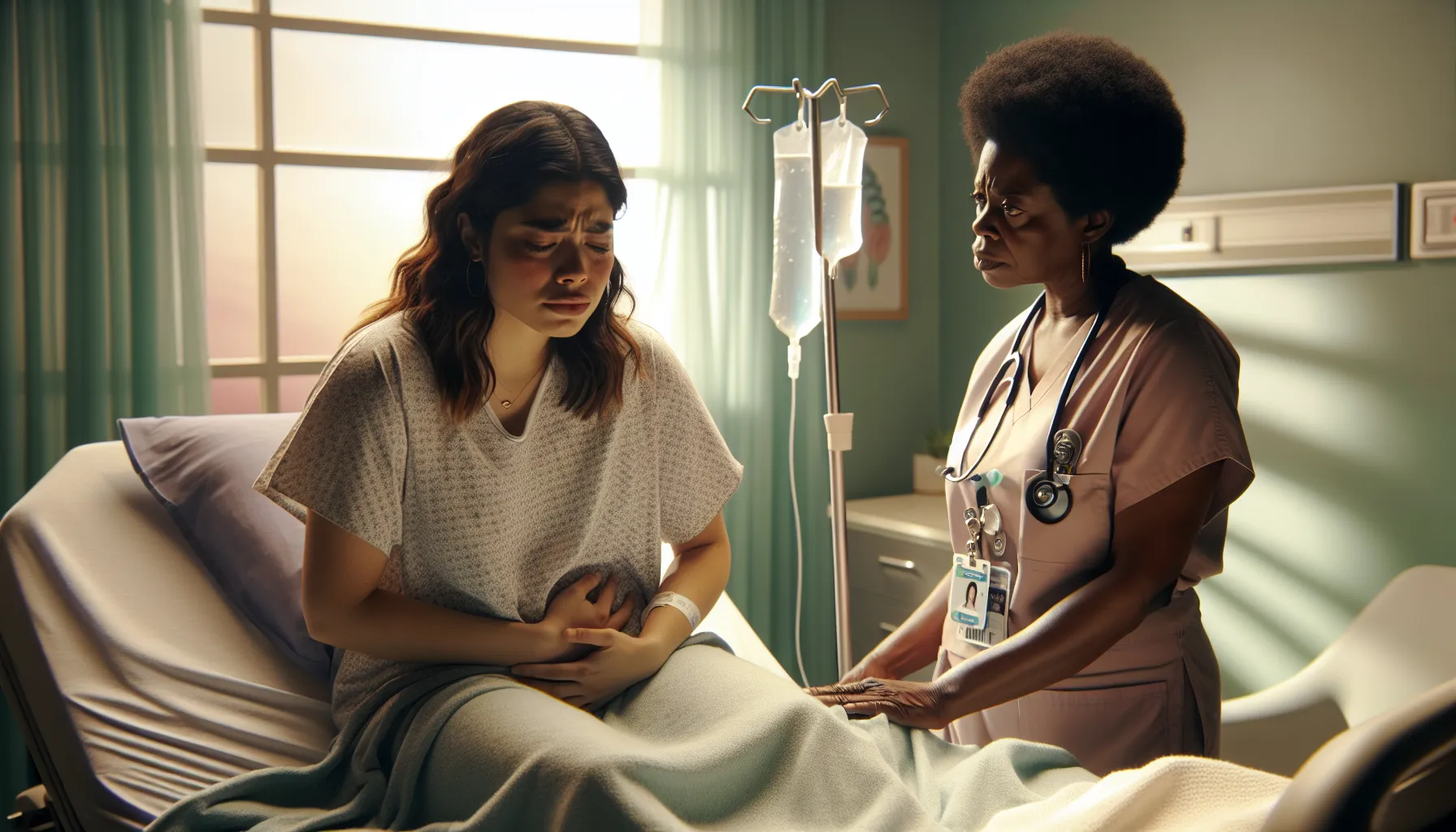
When faced with the prospect of kidney stones or giving birth, we often wonder which experience truly reigns supreme in terms of pain and suffering. Both scenarios are well-known for their intense discomfort, yet they are profoundly different in nature. Imagine the excruciating ache of stones painfully moving through the urinary tract, versus the biological miracle and strenuous effort of bringing new life into the world. Surprisingly, each experience has its own unique challenges that can leave a lasting impact on our bodies and minds. In this exploration, we’ll jump into the details of both kidney stones and childbirth, allowing us to understand not only the pain associated with each but also the recovery, long-term consequences, and factors that shape our experiences. Will one truly outweigh the other? Let’s find out together.
Understanding Kidney Stones
Kidney stones, small yet formidable crystals, form in our kidneys and can create quite a tumultuous experience when they make their way through our urinary system. This process can lead to various symptoms that signal the need for immediate attention.
Symptoms and Causes of Kidney Stones
The pain of kidney stones can strike suddenly, often described as sharp and severe. It typically radiates from the lower back to the abdomen and may include other symptoms like nausea, vomiting, and blood in urine. Understanding these signs is crucial for us, as early detection can mitigate further complications. It’s also worth noting how kidney stone pain compares to other digestive and urological conditions — the debate around kidney stones versus gallstones provokes similarly strong opinions about which is truly the more painful ordeal.
Several factors contribute to the formation of kidney stones, including dehydration, certain dietary choices, and metabolic disorders. By staying informed, we can take proactive steps to reduce our risk of developing these painful crystals.
Diagnosis and Treatment Options
Diagnosing kidney stones predominantly involves imaging techniques like CT scans or ultrasounds, which help to pinpoint their size and location. Once diagnosed, treatment options vary based on severity. For smaller stones, increased hydration and pain management may suffice, while larger stones could require procedures like extracorporeal shock wave lithotripsy (ESWL) or even surgery — costs that are significantly affected by whether you’re covered under an HMO or PPO plan. Being aware of these processes helps us manage the pain effectively, anticipating the necessary steps to relief.
The Experience of Giving Birth
Giving birth is often described as one of the most transformative experiences of our lives. It embodies both pain and joy, marking the moment when we bring a new life into the world.
Stages of Labor and Delivery
Labor is divided into three stages: early labor, active labor, and delivery of the placenta. Each stage brings its own set of challenges and anxieties. Early labor can last hours or even days, featuring contractions that might feel like intense menstrual cramps. As we progress to active labor, contractions become more frequent and severe, culminating in the momentous event of delivery.
Pain Management During Labor
Understanding pain management is essential as we navigate childbirth. Various options are available, including epidurals, nitrous oxide, and other medications to ease the pain. It’s crucial for us to discuss these choices with healthcare providers, ensuring we’re well-prepared to face the challenges ahead.
Comparative Experiences: Pain and Recovery
When comparing kidney stones to childbirth, pain and recovery stand out as significant factors in determining which experience might be deemed “worse.”
Evaluating Pain Levels: Kidney Stones vs. Labor
Interestingly, numerous studies have attempted to quantify the pain levels associated with both experiences. Some suggest that the pain of passing a kidney stone can rival, or even exceed, the pain of childbirth — placing it in the company of other acutely painful events, such as suffering severe second degree burns. But, we must also consider individual pain thresholds and emotional contexts, elements that make personal experiences both unique and complex.
Recovery Times and Long-term Effects
Recovery from kidney stones tends to be relatively swift, often taking a few days to weeks, depending on treatment. Conversely, recovery from childbirth varies significantly, influenced by factors like delivery method and personal health. For some, the healing process can extend for weeks, as bodies adjust and heal. Understanding these recovery dynamics provides us with a clearer picture of what to expect post-event.
Factors Influencing Individual Experiences
Our experiences with kidney stones and childbirth are profoundly personal. Various factors intertwine, affecting how we perceive pain and recovery.
Personal Health Considerations
Factors like age, pre-existing medical conditions, and overall health play a crucial role in how we experience both kidney stones and childbirth. For example, those with a history of kidney issues may find the experience particularly daunting, while expectant mothers might face varied challenges based on their medical backgrounds. Recognizing these considerations helps us understand the spectrum of experiences more clearly.
Psychological Impacts of Pain and Recovery
Equally important are the psychological effects of both experiences. The emotional aspect of childbirth, the anticipation, excitement, and even anxiety, often shapes perceptions of pain. In contrast, kidney stones may evoke a sense of dread, particularly for those who have experienced them previously. Understanding these psychological curves allows us to prepare better for each journey.
Conclusion
In concluding this exploration, we find ourselves confronting a complex question: what’s worse, kidney stones or giving birth? While the physical sensations are undeniably intense in both scenarios, our individual experiences will shape our perceptions and evaluations. Both have their unique, unforgettable moments of pain and recovery. Eventually, it may come down to personal thresholds and resilience against hardship. As we navigate these bodily challenges, it’s essential for us to remain informed and supportive of one another, paving the way for understanding and empathy in the face of pain.
To provide the best experiences, we use technologies like cookies to store and/or access device information. Consenting to these technologies will allow us to process data such as browsing behaviour or unique IDs on this site. Not consenting or withdrawing consent, may adversely affect certain features and functions.
Functional
Always active
The technical storage or access is strictly necessary for the legitimate purpose of enabling the use of a specific service explicitly requested by the subscriber or user, or for the sole purpose of carrying out the transmission of a communication over an electronic communications network.
Preferences
The technical storage or access is necessary for the legitimate purpose of storing preferences that are not requested by the subscriber or user.
Statistics
The technical storage or access that is used exclusively for statistical purposes.The technical storage or access that is used exclusively for anonymous statistical purposes. Without a subpoena, voluntary compliance on the part of your Internet Service Provider, or additional records from a third party, information stored or retrieved for this purpose alone cannot usually be used to identify you.
Marketing
The technical storage or access is required to create user profiles to send advertising, or to track the user on a website or across several websites for similar marketing purposes.