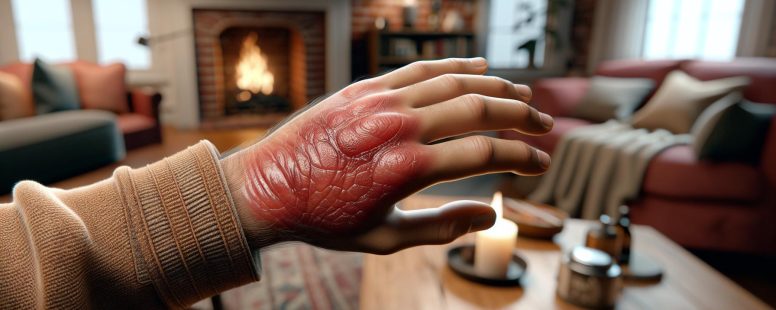
When it comes to burn injuries the severity can make all the difference in treatment and recovery. While both first-degree and third-degree burns cause pain and damage to your skin they affect your body in drastically different ways. Understanding these differences isn’t just medical knowledge – it could be crucial in an emergency.
Third-degree burns penetrate deep into your skin layers causing devastating damage while first-degree burns typically only affect the outer layer. But does deeper always mean worse? The answer might surprise you. Whether you’re a healthcare professional seeking to expand your knowledge or someone looking to better understand burn classifications this comparison will help clarify the crucial distinctions between these two types of burns.
Understanding Burn Degrees and Their Classification
Burns are classified into three distinct degrees based on the depth of tissue damage and severity of skin penetration. Each burn degree exhibits specific characteristics that determine appropriate medical treatment protocols.
First-Degree Burns Overview
First-degree burns affect only the epidermis (outer layer of skin). These burns manifest through:
Redness in the affected area
Mild pain upon touch
No blistering or broken skin
Healing time of 3-5 days
Minimal long-term damage
Second-Degree Burns Overview
Second-degree burns penetrate through the epidermis into the dermis layer. Key identifiers include:
Formation of blisters
Intense pain sensations
Wet or weeping appearance
White or pink coloration
Healing period of 2-3 weeks
Third-Degree Burns Overview
Third-degree burns destroy all layers of skin reaching subcutaneous tissue. Characteristics encompass:
Charred or leathery appearance
Black white or brown coloration
No pain due to nerve damage
Dry waxy surface
Permanent scarring
Burn Degree
Depth
Healing Time
Pain Level
First
Epidermis
3-5 days
Mild
Second
Dermis
2-3 weeks
Severe
Third
All layers
Months/Surgery
None
According to the American Burn Association, third-degree burns require immediate hospitalization while first-degree burns often heal with basic home care. Second-degree burns evaluation by medical professionals determines treatment requirements based on size location of injury.
The severity progression from first to third-degree burns correlates directly with increased tissue damage permanent disfigurement. Third-degree burns pose the greatest risk for complications infection systemic shock requiring specialized medical intervention.
Comparing Severity and Damage
The severity of burns increases significantly from first-degree to third-degree burns, with each level causing distinct types of damage to skin tissues.
Pain Level Assessment
First-degree burns cause mild to moderate pain due to nerve endings remaining intact in the epidermis. Third-degree burns result in no pain sensation at the burn site because the nerve endings are destroyed. The absence of pain in third-degree burns indicates more severe tissue damage than the painful symptoms of first-degree burns.
Tissue Damage Analysis
Burn Degree
Tissue Layers Affected
Appearance
Nerve Damage
First-degree
Epidermis only
Red, dry, no blisters
None
Third-degree
All skin layers + subcutaneous tissue
Black/white, charred, leathery
Complete
The tissue damage in first-degree burns remains superficial, affecting only the top layer of skin. Third-degree burns destroy all layers of skin including:
Epidermis
Dermis
Subcutaneous fat
Blood vessels
Nerve endings
Healing Time Comparison
First-degree burns heal within 3-5 days through natural skin cell regeneration. Third-degree burns require:
Immediate medical intervention
Skin grafting procedures
6-12 months recovery time
Multiple surgeries
Physical therapy sessions
The extended healing time for third-degree burns stems from the body’s inability to regenerate completely destroyed skin tissues. First-degree burns heal faster because the skin’s deeper layers remain intact, supporting rapid cell regeneration.
Medical Treatment Requirements
Medical treatment for burns varies significantly based on the degree of injury. The approach ranges from basic home care for first-degree burns to intensive hospital treatment for third-degree burns.
First-Degree Burn Treatment
First-degree burns respond effectively to basic home treatment methods:
Apply cool water compression for 10-15 minutes
Use over-the-counter pain relievers like acetaminophen
Apply aloe vera gel or moisturizer to prevent skin drying
Keep the burn area clean with mild soap
Cover loosely with sterile gauze if needed
Monitor for signs of infection (increased redness swelling heat)
First-Degree Treatment Timeline
Action Required
Immediate Response
Cool water application
First 24 hours
Pain management
Days 2-3
Moisturizing care
Days 3-5
Monitor healing
Third-Degree Burn Treatment
Third-degree burns demand immediate emergency medical intervention:
Call emergency services (911) immediately
Remove clothing except fabric stuck to burn
Elevate burned areas above heart level
Cover with clean dry sheet or bandage
Receive IV fluids for fluid replacement
Undergo debridement procedures
Complete skin grafting surgeries
Participate in physical therapy sessions
Third-Degree Treatment Phases
Duration
Emergency Response
24-48 hours
Acute Care
1-2 weeks
Surgical Intervention
Multiple procedures
Rehabilitation
6-12 months
Third-degree burn patients require specialized care in burn units where medical professionals:
Monitor vital signs continuously
Manage pain through medication
Prevent infection through antibiotics
Address nutritional needs
Provide respiratory support when needed
Carry out wound care protocols
Schedule reconstructive procedures
Coordinate rehabilitation services
The treatment focus stays on preventing complications stabilizing the patient’s condition and promoting optimal healing outcomes.
Long-Term Health Impacts
Third-degree burns create extensive permanent damage to skin tissue leading to lifelong medical complications. First-degree burns typically heal completely with minimal lasting effects.
Scarring and Disfigurement
Third-degree burns cause permanent scarring characterized by:
Raised keloid scars across burned areas
Changes in skin pigmentation patterns
Contracture deformities in joints
Noticeable skin texture irregularities
First-degree burns rarely result in scarring due to:
Third-degree burns present severe medical complications with life-threatening risks to multiple body systems. First-degree burns rarely cause medical complications when treated properly.
Infection Potential
Third-degree burns create a high risk of infection due to the complete destruction of the skin’s protective barrier. Common infections include:
Bacterial colonization in burn wounds (Pseudomonas aeruginosa Staphylococcus aureus)
Sepsis developing in 5-10% of severe burn cases
Cellulitis spreading to surrounding tissues
Fungal infections occurring in 6-15% of burn victims
First-degree burns maintain an intact skin barrier with minimal infection risk when kept clean.
Infection Type
First-Degree Burns
Third-Degree Burns
Bacterial
<1%
30-60%
Fungal
Rare
6-15%
Sepsis
N/A
5-10%
System-Wide Effects
Third-degree burns impact multiple organ systems throughout the body:
Cardiovascular:
Decreased blood volume causing shock
Compromised circulation to affected areas
Heart rhythm abnormalities in 15% of cases
Respiratory:
Inhalation injuries affecting lung function
Reduced oxygen delivery to tissues
Increased risk of pneumonia (20-25% occurrence)
Metabolic:
Severe fluid loss leading to dehydration
Electrolyte imbalances requiring correction
Increased metabolic rate up to 140%
First-degree burns typically produce localized effects with:
Mild inflammation at burn site
Temporary skin sensitivity
No systemic complications
Total body surface area burned
Depth of tissue damage
Time elapsed before treatment
Pre-existing medical conditions
Conclusion
While both first-degree and third-degree burns are serious injuries third-degree burns are significantly more severe and life-threatening. You’ll find that first-degree burns affect only the outer layer of skin causing minimal damage and healing within days. Third-degree burns but destroy all layers of skin requiring immediate hospitalization extensive medical treatment and months of recovery.
Understanding the severity differences between burn types helps you make informed decisions about seeking medical care. Remember first-degree burns can often be treated at home but third-degree burns always need emergency medical attention. Your quick action in identifying burn severity and getting appropriate treatment can make a crucial difference in recovery outcomes.
To provide the best experiences, we use technologies like cookies to store and/or access device information. Consenting to these technologies will allow us to process data such as browsing behaviour or unique IDs on this site. Not consenting or withdrawing consent, may adversely affect certain features and functions.
Functional
Always active
The technical storage or access is strictly necessary for the legitimate purpose of enabling the use of a specific service explicitly requested by the subscriber or user, or for the sole purpose of carrying out the transmission of a communication over an electronic communications network.
Preferences
The technical storage or access is necessary for the legitimate purpose of storing preferences that are not requested by the subscriber or user.
Statistics
The technical storage or access that is used exclusively for statistical purposes.The technical storage or access that is used exclusively for anonymous statistical purposes. Without a subpoena, voluntary compliance on the part of your Internet Service Provider, or additional records from a third party, information stored or retrieved for this purpose alone cannot usually be used to identify you.
Marketing
The technical storage or access is required to create user profiles to send advertising, or to track the user on a website or across several websites for similar marketing purposes.