When faced with the weight of our own insecurities, it’s easy to slip into a cycle of comparison. We often wonder about our struggles and how they stack up against others, especially those with chronic illnesses. What if we looked at ourselves through this lens? In the case of Multiple Sclerosis (MS), this inquiry becomes not only poignant but crucial. Understanding our personal challenges against the backdrop of a condition as formidable as MS reveals surprising insights about resilience and support. Let’s explore this comparison further, while acknowledging the deep emotional currents that run through both personal struggles and life with MS.
Understanding the Comparison Between Personal Struggles and Multiple Sclerosis
To begin, we need clarity about what ‘me’ means in this context. Each of us carries a unique set of challenges, whether they stem from professional pressure, relational issues, or individual failures. These personal battles shape our identities, often leading us to feel isolated in our experiences. In contrast, Multiple Sclerosis (MS) is a widely recognized neurological condition that affects millions. It’s one of a broad family of conditions that attract the question of comparative severity — much like the ongoing discussion around Down Syndrome versus Autism, where people grapple with understanding which condition presents the greater daily challenge.
What does it mean to navigate life as ‘me’ against the medical backdrop of MS? It compels us to ask not only how our difficulties compare but also how they are interwoven with the societal perceptions of chronic illness. By understanding the definitions of personal struggles and the clinical realities of MS, we can start structuring our perspectives better.
Understanding Multiple Sclerosis (MS)
Multiple Sclerosis is an unpredictable disease that can profoundly affect nearly every aspect of life. It is characterized by the immune system attacking the protective covering of nerves, leading to various physical and cognitive challenges. The impact of MS on daily life can be staggering, encompassing fatigue, mobility issues, and potential bouts of depression. People with MS also tend to be more vulnerable when illnesses strike — even something typically short-lived like Flu Type A or Flu Type B can hit harder and take longer to recover from when the immune system is already compromised.
The Impact of MS on Daily Life
For those living with MS, daily tasks often require herculean effort. Even simple actions can become monumental, disrupting not just the individual’s life, but also the lives of family members and friends. This reality forces us to confront deep emotional and psychological challenges. How does this compare to our personal struggles? While our issues may seem trivial in contrast, they can still elicit similar emotional turmoil. We must remember that everyone’s pain is relative and deserving of validation.
Personal vs. Chronic Illness: A Difficult Comparison
When we consider personal struggles in the same breath as chronic illnesses, we enter a tricky terrain. Our experiences, while unique, stir up feelings that may seem less significant than the battles against diseases like MS. But, parsing this separation is essential.
Emotional Reactions to Personal Challenges
Much like those coping with MS, we experience a spectrum of emotions, grief, anger, frustration, that can ebb and flow based on our circumstances. Identifying these emotions helps us cultivate better coping strategies. Are we allowing ourselves to feel seen and acknowledged?
Coping Mechanisms for Personal Struggles
Our coping mechanisms vary widely. They may include mindfulness practices, engaging in hobbies, or turning to friends and family for support. We find strength in sharing our stories, reminding each other that vulnerability is not a weakness. It’s also worth noting that people managing chronic conditions like MS need to be particularly careful about physical injuries — even something as seemingly straightforward as a first or second degree burn may require more careful monitoring due to reduced sensation or slower healing responses.
Support Systems: What Can Help?
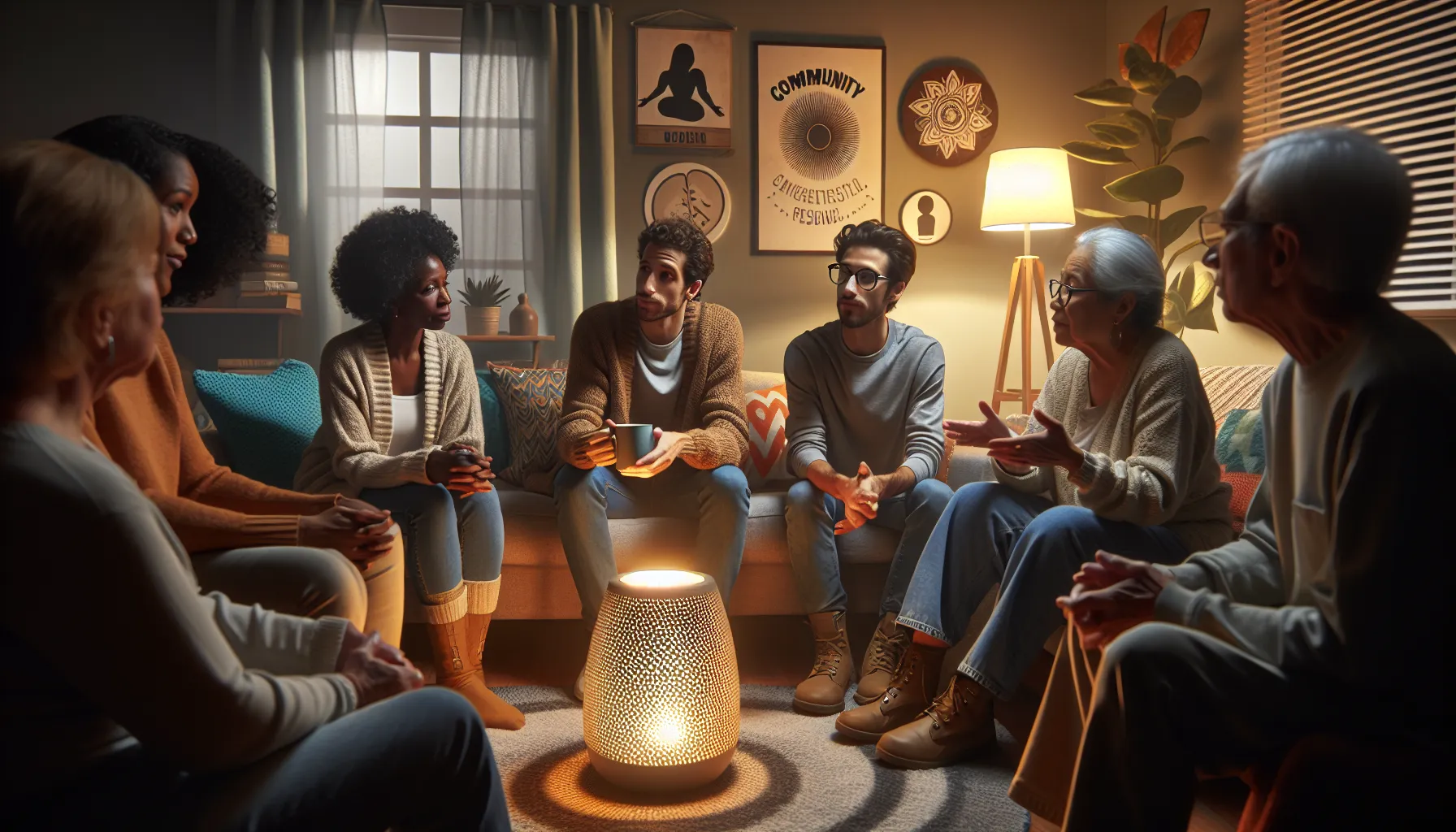
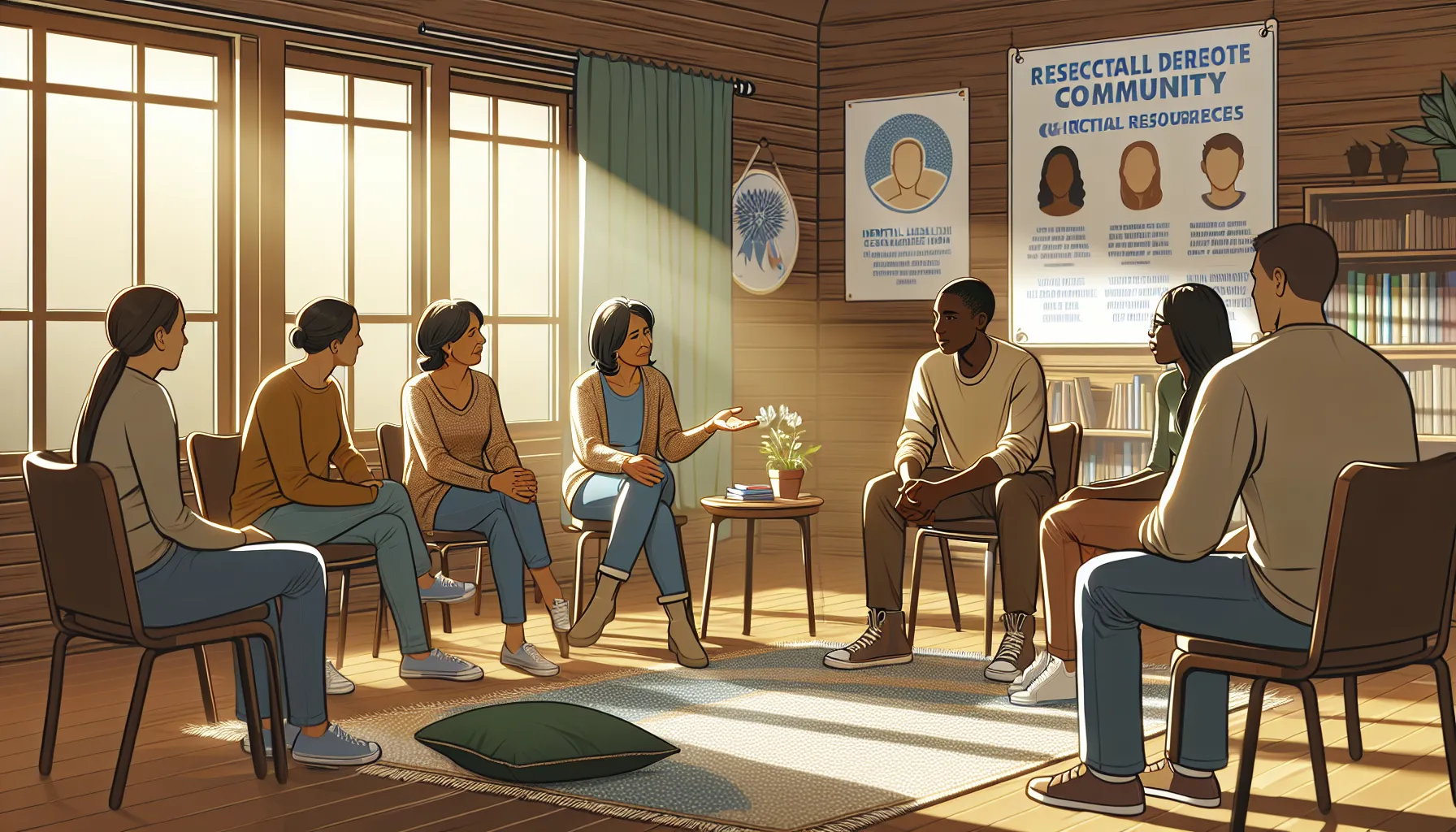
Just as individuals with MS require tailored support systems, we too benefit from a robust network of support in navigating our personal struggles. Community becomes our lifeboat.
Comparing the Support Needs of Those with MS
For many with MS, robust medical support, therapy, and community involvement are critical components. We can draw parallels in our lives, seeking out friends, family, or organizations that can help us weather our emotional storms. It’s essential to understand that both personal struggles and chronic illnesses necessitate support, often in different forms.
Finding Help for Personal Struggles
Getting help is often the hardest but most vital step. There’s no shame in recognizing when our struggles require more attention than we can offer ourselves. Finding resources can create the bridge to emotional recovery.
Resources Available for Individuals and Families
Numerous resources exist, from hotlines to local support groups. Engaging with these communities can provide a wealth of strategies, helping us feel less overwhelmed and more connected. Besides, there’s power in seeking professional help to better handle our challenges and improve our emotional well-being.
When to Seek Professional Help
Recognizing when things become too heavy to bear alone is a significant step. If personal struggles begin to interfere with our daily functions or disrupt the relationships we hold dear, it may be time to consult a mental health professional. Signs can include persistent sadness, anxiety, or feelings of hopelessness.
Conclusion
In grappling with the question of whether ‘me’ or MS is worse, we uncover the shared human experience beneath our individual struggles. While MS presents significant challenges, so too do our personal trials. Both require understanding, compassion, and support, from ourselves and from others. Our journey is not a competition but rather a mosaic of experiences, each contributing to our resilience and strength. Navigating this complicated terrain can lead us toward greater empathy, both for ourselves and for others.
To provide the best experiences, we use technologies like cookies to store and/or access device information. Consenting to these technologies will allow us to process data such as browsing behaviour or unique IDs on this site. Not consenting or withdrawing consent, may adversely affect certain features and functions.
Functional
Always active
The technical storage or access is strictly necessary for the legitimate purpose of enabling the use of a specific service explicitly requested by the subscriber or user, or for the sole purpose of carrying out the transmission of a communication over an electronic communications network.
Preferences
The technical storage or access is necessary for the legitimate purpose of storing preferences that are not requested by the subscriber or user.
Statistics
The technical storage or access that is used exclusively for statistical purposes.The technical storage or access that is used exclusively for anonymous statistical purposes. Without a subpoena, voluntary compliance on the part of your Internet Service Provider, or additional records from a third party, information stored or retrieved for this purpose alone cannot usually be used to identify you.
Marketing
The technical storage or access is required to create user profiles to send advertising, or to track the user on a website or across several websites for similar marketing purposes.