When it comes to criminal charges and burns, degrees matter significantly. First-degree and third-degree classifications often confuse people because their severity levels seem counterintuitive. While first degree might sound like the worst offense in burns or criminal charges, that’s not always the case.
Understanding the difference between first and third degree is crucial whether you’re studying law, medicine, or simply want to be more informed. The classification systems for burns and criminal charges follow different logic patterns that can impact everything from medical treatment to legal consequences. While first-degree murder represents the most serious homicide charge, third-degree burns are actually more severe than first-degree burns – creating an interesting paradox that often catches people off guard.
Understanding Burn Degrees and Classifications
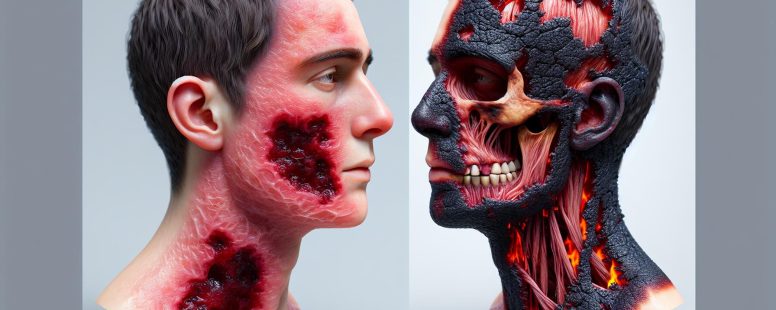
Burns classifications follow a scale that measures tissue damage depth, with first-degree being the most superficial and third-degree affecting deeper layers of skin tissue. The severity increases as the degree number rises, which differs from criminal charge classifications.
First Degree Burn Characteristics
Affects only the epidermis (outer layer of skin)
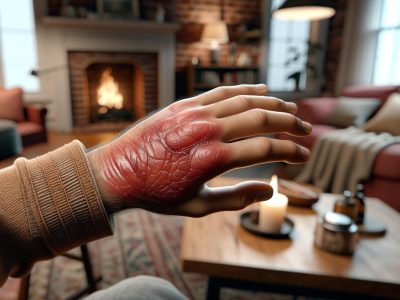
Causes redness similar to sunburn
Creates mild pain sensations
Heals within 3-5 days without scarring
Shows no blistering or breaking of skin
Results in dry peeling during recovery
Responds to basic first aid treatment
First Degree Burn Indicators
Recovery Time
Skin redness
1-3 days
Pain duration
48-72 hours
Peeling phase
3-5 days
Third Degree Burn Characteristics
Destroys all skin layers including epidermis dermis
Penetrates into subcutaneous fat muscle tissue
Creates charred black or white appearance
Causes numbness due to nerve damage
Requires immediate medical intervention
Results in permanent scarring
Necessitates skin grafting procedures
Third Degree Burn Features
Medical Response
Tissue damage depth
All layers affected
Hospital admission
Immediate
Recovery period
Several months
Surgery requirement
90% of cases
Primary injury sites include:
Skin layers
Nerve endings
Blood vessels
Muscle tissue
Subcutaneous fat
Sweat glands
Hair follicles
Direct flame contact
Chemical exposure
Electrical burns
Hot liquid immersion
Extended heat exposure
Radiation exposure
Severity Comparison: First vs Third Degree Burns
Third-degree burns present significantly more severe medical consequences than first-degree burns due to their extensive tissue damage and long-term complications.
Pain Levels and Nerve Damage
Third-degree burns destroy nerve endings, resulting in numbness rather than pain at the burn site. The surrounding areas with first and second-degree burns cause intense pain. First-degree burns maintain intact nerve endings, producing immediate sharp pain sensations that diminish within 48-72 hours.
Burn Type
Pain Level
Nerve Impact
First-degree
Moderate to high
Nerve endings intact
Third-degree
Little to none
Nerve endings destroyed
Healing Time and Recovery Process
First-degree burns heal within 3-5 days through natural skin cell regeneration. Third-degree burns require extensive medical intervention:
Surgical debridement removes dead tissue
Skin grafting reconstructs damaged areas
Physical therapy maintains joint mobility
Multiple procedures span 6-12 months
Permanent scarring remains after healing
Recovery Factor
First-degree
Third-degree
Healing time
3-5 days
6-12 months
Medical care
Self-treatment
Hospital stay
Scarring
None
Permanent
Rehabilitation
Not needed
Extensive
Common third-degree burn treatments include:
Intravenous fluid replacement
Infection prevention protocols
Pain management medications
Specialized burn center care
Ongoing wound care
Cool water application
Moisturizing treatments
Over-the-counter pain relief
Protective bandaging
Sun exposure prevention
Medical Treatment Requirements
Medical treatment for burns varies significantly based on the degree of tissue damage, with first-degree burns often manageable at home while third-degree burns demand immediate emergency care.
First Degree Burn Treatment
First-degree burns respond effectively to simple home care treatments:
Apply cool water to the affected area for 10-15 minutes
Cover the burn with a sterile non-stick gauze
Take over-the-counter pain medications like acetaminophen or ibuprofen
Use aloe vera gel or moisturizer to prevent skin dryness
Protect the burned area from direct sunlight during healing
Medical attention becomes necessary for first-degree burns when:
The burn affects more than 3 inches of skin
Signs of infection appear (increased redness swelling pus)
Pain persists beyond 48 hours
Third Degree Burn Treatment
Third-degree burns require comprehensive medical intervention in a specialized burn unit:
Initial Emergency Care:
Intravenous fluid administration to prevent shock
Oxygen therapy through face mask or nasal cannula
Tetanus shot administration if needed
Assessment of airway breathing circulation
Long-term Medical Procedures:
Procedure
Timing
Purpose
Debridement
First 24-48 hours
Remove dead tissue
Skin grafting
3-7 days post-injury
Cover exposed areas
Wound care
Daily
Prevent infection
Physical therapy
Throughout recovery
Maintain mobility
Critical Components:
Pain management through prescribed medications
Infection prevention with topical antimicrobial agents
Nutritional support to promote healing
Psychological counseling for trauma management
Regular monitoring of vital signs blood tests
Silver sulfadiazine cream for antimicrobial protection
Hydrofiber dressings for moisture control
Biological dressings for temporary wound coverage
Compression garments to minimize scarring
Long-Term Effects and Complications
Third-degree burns cause extensive permanent damage that leads to lifelong complications requiring ongoing medical management. First-degree burns typically resolve without lasting effects.
Scarring and Disfigurement
Third-degree burns result in significant scarring characterized by thick raised keloid tissue or contractures. The scarred areas appear discolored with irregular textures that can extend beyond the original burn site. Common locations for permanent disfigurement include:
Face scarring affecting facial expressions
Neck contractures limiting range of motion
Hand deformities impacting finger dexterity
Chest wall restrictions affecting breathing
Joint areas developing movement limitations
First-degree burns rarely cause scarring since they only affect the epidermis surface layer.
Functional Impairment
Third-degree burns create lasting functional limitations that impact daily activities:
Impairment Type
Impact on Function
Common Complications
Joint Mobility
65% reduction in range of motion
Contractures requiring surgery
Nerve Function
Complete loss of sensation
Chronic pain syndromes
Muscle Strength
40-60% decrease in affected areas
Limited grip strength
Temperature Regulation
Impaired sweating response
Heat intolerance
Skin Elasticity
80% reduction in flexibility
Restricted movement
Additional functional impacts include:
Compromised immune system response
Reduced ability to regulate body temperature
Chronic pain from nerve damage
Limited joint mobility from scar tissue
Increased risk of skin breakdown
Restricted movement patterns
First-degree burns maintain full functionality after healing with proper care protocols.
Impact on Quality of Life
Third-degree burns create significant long-term challenges across multiple aspects of daily living. The extensive tissue damage affects physical mobility, psychological well-being, social interactions, and occupational capabilities.
Impaired fine motor skills affecting tasks like writing or buttoning clothes
Limited skin elasticity restricting natural movement
Daily Activities
Personal care routines take 3-4 times longer to complete
Modified clothing choices to accommodate burn sites
Restricted participation in sports or physical activities
Temperature sensitivity requiring environmental adjustments
Activity Modification
First-Degree Burns
Third-Degree Burns
Duration of Impact
3-5 days
Permanent
Mobility Restriction
Minimal
Significant
Work Limitations
0-1 days
6+ months
Self-Care Impact
Minor
Major
Psychological Effects
Body image concerns due to visible scarring
Social anxiety in public settings
Post-traumatic stress symptoms from the injury
Depression related to functional limitations
Occupational Impact
Career path adjustments based on physical capabilities
Workplace modifications for accessibility
Extended medical leave affecting job security
Increased need for vocational rehabilitation services
First-degree burns cause minimal disruption to quality of life, typically resolving within 5 days without lasting effects. The temporary discomfort affects basic activities briefly while maintaining normal function in work, social settings, and daily routines.
Conclusion
Understanding the severity levels between first-degree and third-degree burns is crucial for proper medical response and treatment. While first-degree burns are superficial and manageable at home third-degree burns demand immediate professional care and often result in life-altering consequences.
You’ll need to remember, third-degree burns are significantly more severe even though the counterintuitive numbering system. These burns require specialized treatment extensive recovery time and can lead to permanent physical and psychological effects. If you’re ever unsure about a burn’s severity it’s always better to seek medical attention to ensure proper care and the best possible outcome.
To provide the best experiences, we use technologies like cookies to store and/or access device information. Consenting to these technologies will allow us to process data such as browsing behaviour or unique IDs on this site. Not consenting or withdrawing consent, may adversely affect certain features and functions.
Functional
Always active
The technical storage or access is strictly necessary for the legitimate purpose of enabling the use of a specific service explicitly requested by the subscriber or user, or for the sole purpose of carrying out the transmission of a communication over an electronic communications network.
Preferences
The technical storage or access is necessary for the legitimate purpose of storing preferences that are not requested by the subscriber or user.
Statistics
The technical storage or access that is used exclusively for statistical purposes.The technical storage or access that is used exclusively for anonymous statistical purposes. Without a subpoena, voluntary compliance on the part of your Internet Service Provider, or additional records from a third party, information stored or retrieved for this purpose alone cannot usually be used to identify you.
Marketing
The technical storage or access is required to create user profiles to send advertising, or to track the user on a website or across several websites for similar marketing purposes.