Many mistake hyenas and wild dogs for just different names for the same fierce predators, but the truth is far more intriguing. At a glance, they may seem alike, like shadowy figures darting through the grass, but their physical traits, social bonds, and hunting styles tell a different story.
Imagine a wild symphony where each animal plays a unique tune—understanding these differences unlocks secret insights into their survival and resilience. Surprisingly, knowing what sets them apart can even help conserve these incredible creatures for generations to come.
How Do Hyenas and Wild Dogs Differ in Appearance and Size?
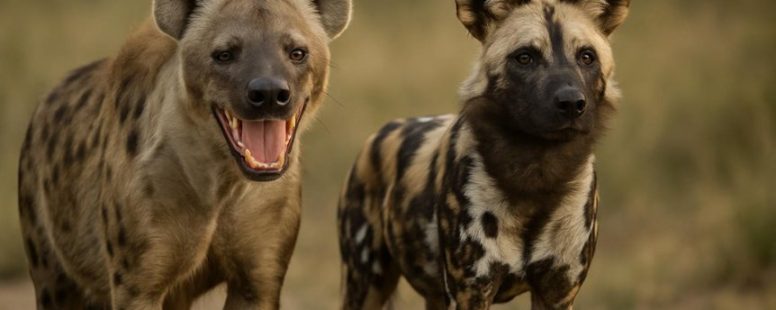
Hyenas and wild dogs look very different from each other, and their size varies too. Hyena cubs are born with a spotted coat that helps them hide when they are young. As they grow, their strong, muscular bodies become easier to see. Hyenas are stockier animals with a sloping back and big, powerful jaws. They look more solid and heavy compared to wild dogs.
Wild dog pups are born with a plain coat, often without any spots or markings. They are usually smaller and thinner than hyenas. Adult wild dogs have a very slim body with long legs, which helps them run for a long time without getting tired. They look more like greyhounds or slender dogs than the stocky hyenas.
If you want to tell them apart, look at their size and shape. Hyenas are bigger and more muscular, while wild dogs are smaller and very lean. Hyenas have a sloped back and big jaws, but wild dogs have long legs and a narrow body. Even from a young age, these differences are clear once you know what to look for.
Some people might find it tricky at first. For example, young hyena cubs can look a little like small dogs, but their stocky build gives them away. Similarly, wild dog pups are small but have a sleek look that differs from hyenas. Knowing these clues can help you spot them easily in the wild or in pictures.
How Are Hyenas and Wild Dogs’ Social Structures Different?
Hyenas and wild dogs have very different social structures. Hyenas live in large groups called clans that have clear ranks, meaning some hyenas are always the boss. Usually, the most dominant female is the leader. These clans can have many members, sometimes over 80, and they stay very close and organized.
Wild dogs, on the other hand, live in smaller packs that work together but don’t have strict leaders. Everyone shares responsibilities like hunting and caring for pups more equally. Usually, the alpha male and female lead the pack, but they don’t have the strict hierarchy hyenas do. Wild dog packs are smaller, often around 10 to 20 members, making their social bonds more flexible.
Some people think hyenas are more organized because of their hierarchy, while others believe wild dogs do better by working together without strict rules. Both groups face dangers like predators or losing food, but their social ways help them survive in different environments.
Hierarchical vs. Cooperative Living
Hyenas and wild dogs are both social animals, but they live in very different ways. Hyenas have a strict hierarchy, which means they have a clear ranking among themselves. Usually, females are at the top of the ranks and control the males. This ranking affects who gets to mate and who has access to food and other resources. Hyenas often fight over territory, and their disputes help decide who is higher in the group.
Wild dogs, on the other hand, live in a cooperative pack. Instead of fighting for power, they work together to survive. All members share jobs like hunting and taking care of pups. They do not have a clear leader or a strict ranking system. Instead, they focus on protecting their territory from outsiders and helping each other. Everyone in the pack contributes equally, which makes their bond strong.
Some people think hyenas are more organized because of their clear hierarchy, but others believe wild dogs are better at working as a team. Both ways of living have good and bad points. Hyenas might have more conflicts over rank, which can cause fighting. Wild dogs may have less fighting but could struggle if one member is hurt or cannot work.
In simple words, hyenas live in a strict, bossy way, while wild dogs share everything and work together. Both styles help them survive, but each has its own challenges.
Dominance and Leadership Roles
Hyenas and wild dogs have different ways of leading their groups, which affects how they make decisions and interact. Hyenas have a matriarchal system, meaning the top female leads the group. She shows her authority by fighting over territory and controlling who mates with whom. This makes hyenas more aggressive and protective of their land.
Wild dogs, on the other hand, share leadership more equally. The alpha male and alpha female lead, but they often make decisions together. Instead of fighting for dominance, wild dogs work as a team, especially when hunting. They don’t argue as much over territory because they rely more on strong pack bonds.
Both animals have different ways of keeping order and choosing mates. Hyenas depend on their social ranking and territorial fights, while wild dogs focus on cooperation and close relationships. These differences shape how each species lives and survives in the wild.
Pack Size and Social Bonds
Hyenas and wild dogs have different social structures that help them survive. Hyenas live in large groups called clans, which can have dozens of members. These clans have a clear hierarchy, meaning some hyenas are in charge while others follow. This order affects fights over territory and who gets to mate. Hyenas work together to protect their home and to raise their young. Their social bonds are complicated because each hyena has a role in the group.
Wild dogs live in smaller packs, usually with 10 to 20 members. They depend a lot on close friendships within the pack, especially when hunting or caring for puppies. Wild dogs tend to share big areas with other packs, so they don’t fight as much over land. Their tight teamwork helps them hunt better and raise healthy pups. Both species need strong social bonds to live well, but hyenas have a more detailed and strict social ranking.
Some people might think bigger groups like hyenas are better because they can defend themselves more easily. Others believe smaller, close-knit packs like wild dogs are more flexible and better at hunting. Each way has its strengths and weaknesses. Hyenas might have more conflicts over rank and territory, while wild dogs can share space peacefully. Both animals show how teamwork and social bonds are key for survival.
What Are the Hunting Strategies of Hyenas and Wild Dogs?
Hyenas and wild dogs have different ways of hunting that match how they are built and how they act in groups. Hyenas often hunt together as a team. They use their strength and stamina to chase and take down bigger animals like wildebeests or zebras. Sometimes, hyenas are seen scavenging, which means they eat animals already dead. But they are also good hunters when they work together. Wild dogs, on the other hand, rely on speed and endurance. They hunt in packs and chase prey until it gets tired. Wild dogs communicate very well with each other, using sounds and body language to stay coordinated during a chase. Some stories say wild dogs are super fast and clever, but their real strength is teamwork. Both hyenas and wild dogs hunt in groups, but hyenas use their power and endurance, while wild dogs focus on speed and smart teamwork. These hunting ways help each animal survive in their environment.
What Do Hyenas and Wild Dogs Eat, and How Do They Feed?
Hyenas and wild dogs eat different kinds of food and have different ways of feeding themselves. Hyenas are scavengers and hunters that mainly eat meat from animals like wildebeests, zebras, and even leftovers from other predators. They have strong jaws that can crush bones, so they often eat animals that are already dead or hunt down prey in groups. Hyenas usually feed in packs, which helps them catch bigger animals and defend their food from other predators.
Wild dogs are also hunters but are more active and faster. They chase and catch smaller animals like impalas, gazelles, and sometimes young wildebeests. Wild dogs work in packs too, using teamwork to corner and catch prey. They run in long chases, tiring out their prey before they bite. Unlike hyenas, wild dogs do not scavenge much and prefer fresh kills. When they eat, they tear into meat quickly to avoid other predators stealing their food.
Both hyenas and wild dogs need to eat a lot to stay healthy because they are active hunters. Hyenas can eat up to 15 pounds of meat in one meal, while wild dogs usually eat about 4 to 6 pounds. Their feeding habits show how they survive by using different skills—hyenas rely on their strength and scavenging, while wild dogs depend on speed and teamwork. Understanding these differences helps us see how each animal fits into its ecosystem and how they compete for food.
Hunting Strategies and Techniques
Hyenas and wild dogs are both good predators, but they hunt in very different ways. Hyenas usually hunt in groups. They use their stamina and teamwork to surprise their prey. Their strong jaws can crush bones, which helps them eat animals that others might leave behind. Many stories call hyenas clever and tough because of these skills.
Wild dogs hunt differently. They rely on their speed and working together as a pack. They chase animals until they get tired, then quickly catch and kill them. Their style shows how quick and united they are. Some cultures see wild dogs as symbols of agility and teamwork.
Both animals have special meanings in stories and myths. Hyenas are often seen as clever and tough, while wild dogs are thought of as disciplined hunters. Their ways of hunting show how they have adapted to live in the wild. If you watch them, you can see how each animal uses its unique skills to survive.
Dietary Preferences and Choices
Hyenas and wild dogs are both carnivores, but they have different ways of eating and hunting. Hyenas are scavengers, which means they often eat animals that are already dead. They can digest bones and tough materials, so they can eat more parts of a carcass than other animals. Hyenas are good at finding leftovers from other predators or hunting small animals themselves. They are very adaptable and can survive on a variety of foods.
Wild dogs are different because they are active hunters. They rely on their stamina and teamwork to catch bigger animals like medium-sized deer or antelope. Wild dogs chase their prey over long distances and work together to bring down their target. Their diet mainly consists of these medium-sized animals, and they need to hunt often to eat enough.
These differences show how each animal is suited to its role in nature. Hyenas are flexible and can scavenge when needed, while wild dogs are great at pursuing and catching prey through long chases. If you want to compare them, think about how hyenas are like opportunists who take what they can find, and wild dogs are like a team of runners who hunt actively. Both are successful in their own ways, but they do it very differently.
What Behavioral Traits Set Hyenas Apart From Wild Dogs?
Hyenas and wild dogs behave very differently when it comes to social groups and hunting. Hyenas are known for their complex social hierarchies. They often have fights over den sites and hunting areas. Hyenas defend these spaces fiercely and show their dominance through loud vocal sounds and aggressive actions. Their mating habits are also unique. Female hyenas have a high rank in the group and give birth in shared dens.
Wild dogs, on the other hand, focus more on team efforts when hunting. They usually avoid fighting over territory and prefer flexible boundaries. Their social structure is less strict. Instead of fighting for dominance, wild dogs work together closely to catch food. Their social bonds are strong but they don’t have the same strict rank system as hyenas.
These differences show how each animal adapts to its environment. Hyenas are more territorial and competitive, while wild dogs rely on teamwork. Both animals are clever in their own ways, but their behaviors reflect their different lifestyles.
Where Do Hyenas and Wild Dogs Live? Habitat and Range
Hyenas and wild dogs live in different areas across Africa, and this affects how they behave and survive. Hyenas are very adaptable and can be found in savannas, grasslands, and even deserts. They often share their territory with other predators like lions and cheetahs, which can lead to fights over space. Hyenas are good scavengers and hunters, and their ability to live in many environments helps them survive in tough conditions.
Wild dogs prefer open plains and woodlands. They live in tight groups called packs, which defend large areas called territories. Unlike hyenas, wild dogs move around based on where they find enough prey. Their range can change a lot, depending on food sources. Wild dogs rely on their social teamwork to hunt and stay safe.
Both animals have different ways of living. Hyenas are more flexible because they have been around in many different places for thousands of years. Wild dogs stick to smaller, defined areas because they depend on their pack and prey availability.
Understanding where each animal lives shows how they have adapted to survive. Hyenas can live almost anywhere with enough food, while wild dogs need open space and lots of prey. Some people might think wild dogs are more successful because they hunt in packs, but hyenas are often better at finding food in hard times. Both have their strengths and limits based on where they live.
How Do Hyenas and Wild Dogs Communicate? Vocalizations and Signals
Hyenas and wild dogs communicate mainly through sounds and body signals. Their vocalizations help them share information quickly and stay connected. Hyenas make whoops, giggles, and growls. These sounds can show they are excited, warning others of danger, or showing their rank in the group. Wild dogs use high-pitched calls to gather the pack or alert everyone about predators.
Body signals are just as important. Hyenas show their feelings with ear positions and body postures. For example, they might stand tall to show dominance or crouch to show submission. Wild dogs use facial expressions and tail positions to show if they are friendly or ready to fight. These signals help them work together during hunts, protect their territory, and keep their pack strong.
Some animals might use both sounds and signals at the same time. For instance, a hyena might growl while showing submissive ears to warn others. This system of communication keeps hyenas and wild dogs alert and connected in the wild. But it is not perfect. Sometimes, signals can be misunderstood, which might lead to fights or missed warnings. Despite that, their way of talking is very smart and helps them survive.
How Do Hyenas and Wild Dogs Reproduce, and How Long Do They Live?
Hyenas and wild dogs have different ways to reproduce and live their lives. Hyenas are known for their strange reproductive habits. Female hyenas have a pseudo-penis, which makes giving birth very tricky. They often hold power in their groups, with females being the bosses. Male hyenas usually stay in the background. Wild dogs, on the other hand, usually mate with just one partner in their pack. The boss pair in the pack takes care of most of the pups together.
When it comes to how long they live, hyenas usually live around 12 years in the wild. If they are in a zoo or protected area, they can live up to 25 years. Wild dogs typically live shorter lives, about 6 to 10 years in the wild. Their shorter lifespan is partly because they face more threats from other animals and dangers in their environment.
Both animals show how different survival strategies work. Hyenas focus on social dominance and complex reproduction, while wild dogs rely on pack cooperation. Each has its own way of making sure their kind continues.
Why Do Hyenas and Wild Dogs Play Different Roles in Their Ecosystems?
Hyenas and wild dogs play different roles in their ecosystems because they hunt and behave in different ways. Hyenas are both scavengers and hunters. They help clean up dead animals and keep the environment healthy. This stops diseases from spreading. Hyenas are also strong predators. Their role is important because they help control the number of prey animals and keep the ecosystem balanced.
Wild dogs are mainly hunters. They hunt in big packs and chase prey like antelope and gazelles. Their teamwork makes them very good at catching food. By doing this, they help keep herbivore numbers in check. This prevents overgrazing and helps other plants and animals survive.
Both hyenas and wild dogs are important for a healthy ecosystem. Hyenas often take care of dead animals and control disease. Wild dogs keep prey populations from growing too large. These different jobs show why protecting both species is so important. Without them, ecosystems can become unbalanced. But wild dogs face threats like losing their homes to humans and farmers. Saving both animals is key to keeping nature in good shape.
To provide the best experiences, we use technologies like cookies to store and/or access device information. Consenting to these technologies will allow us to process data such as browsing behaviour or unique IDs on this site. Not consenting or withdrawing consent, may adversely affect certain features and functions.
Functional
Always active
The technical storage or access is strictly necessary for the legitimate purpose of enabling the use of a specific service explicitly requested by the subscriber or user, or for the sole purpose of carrying out the transmission of a communication over an electronic communications network.
Preferences
The technical storage or access is necessary for the legitimate purpose of storing preferences that are not requested by the subscriber or user.
Statistics
The technical storage or access that is used exclusively for statistical purposes.The technical storage or access that is used exclusively for anonymous statistical purposes. Without a subpoena, voluntary compliance on the part of your Internet Service Provider, or additional records from a third party, information stored or retrieved for this purpose alone cannot usually be used to identify you.
Marketing
The technical storage or access is required to create user profiles to send advertising, or to track the user on a website or across several websites for similar marketing purposes.