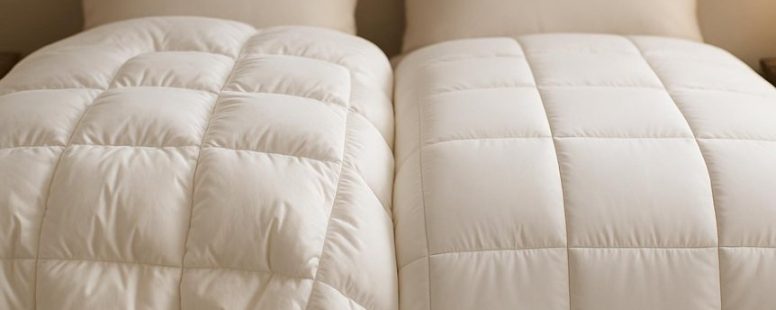
Shopping for a comforter can feel like navigating a labyrinth of fluff and fabric. You might be surprised at how many options promise warmth and coziness, yet each one offers a different experience.
Down and down alternative comforters are like night and day—one whispers luxury, the other offers allergy-friendly practicality. Imagine wrapping yourself in a cloud or a soft, synthetic hug—each has its own charm.
Did you know that choosing the right one can also improve your sleep quality and make maintenance a breeze? Let’s unravel the mystery and find out which comforter truly suits your sleep style.
Down vs Down Alternative: Which Comforter Fits You?
A comforter that fits you depends on your sleep needs and what materials you prefer. The two main types are down and down alternative.
Down comforters are filled with feathers from ducks or geese. They are lightweight and very soft. If you like feeling cozy without feeling hot, down comforters are a good choice. They keep you warm naturally and breathe well, so you won’t overheat. But down can be expensive and needs special care. It might also cause allergies for some people.
Down alternative comforters are filled with synthetic fibers. They feel similar to real down but are usually cheaper. They are hypoallergenic, so people with allergies can sleep comfortably. They are also easier to wash and dry. If you sweat at night or want a low-maintenance comforter, down alternative works well. However, some feel less plush or breathable than real down.
When choosing, think about how you sleep. Do you want a super soft, light comforter that keeps natural warmth? Down could be best. Do you have allergies or want something easier to clean? Down alternative might suit you better. Remember, both types have their good and bad points, so pick based on what matters most to you for a good night sleep.
What Are Down Comforters Made Of?
Down comforters are made with natural feathers called down, which come mainly from geese or ducks. These feathers make the comforter soft and warm. Goose down is known for being very good at keeping heat because its larger clusters trap more air. Duck down is usually cheaper but still keeps you warm. The secret to their warmth is the loft, or fluffiness, of the feathers. The fluff traps heat and helps keep your body temperature steady. When choosing a down comforter, think about how warm you want it and your budget. Some brands, like Pacific Coast and Downlite, make quality options. Remember, down comforters are breathable and natural, but they might need special washing care. Whether you pick goose or duck down, you’ll get a cozy, natural way to stay warm at night.
How Do Down Alternative Comforters Differ?
Down alternative comforters are different from traditional down ones mainly in what they’re made of and how they keep you comfortable. Here’s what you need to know:
Made from Synthetic Fibers: Instead of real feathers, these comforters use man-made materials like polyester. This makes them hypoallergenic, so they are less likely to cause allergies. Plus, they are easier to wash and care for. If you have allergies or want low maintenance, these might be a good choice. But some people say they don’t feel as soft or fluffy as real down.
Control of Sleep Temperature: Down alternative comforters can help keep you comfortable whether you tend to sleep warm or cool. Some are designed to be more breathable, helping you stay cool, while others trap more heat for winter nights. Think about whether you get hot or cold at night before choosing.
Price and Ethical Reasons: These comforters are usually cheaper than real down ones. They also do not involve harming animals, which matters to many shoppers. If you want a cruelty-free option that is budget-friendly, down alternatives are a good pick. But sometimes they don’t last as long or stay fluffy as real down.
Some people love down alternative comforters because they are affordable and allergy-friendly. Others say they don’t feel as luxurious or warm. It depends on what you are looking for.
Sources: Consumer Reports says synthetic comforters are easier to wash. But real down is often more durable and softer. Think about your sleep habits and budget before choosing.
Comparing Warmth: Down vs Down Alternative Comforters
Down comforters are better at regulating your sleep temperature because their natural insulation traps heat while letting air move. This means they keep you warm but don’t make you overheat. They work well for people who tend to sleep hot or change room temperatures often. On the other hand, down alternative comforters use synthetic fibers that can be heavier and trap more heat. Some people might find them too warm, especially if they sleep hot or live in warm places. If you want a comforter that adapts to different temperatures or is budget-friendly, down alternative could still work. But if you want natural warmth and better breathability, down is usually the best pick. Knowing these differences helps you choose the comforter that matches your sleep style better.
Which Comforter (Down or Down Alternative) Is Better for Allergies?
When you have allergies, choosing the right comforter is very important for good sleep. The main options are down and down alternative comforters. Here’s what you need to know:
Down alternative comforters are usually made with hypoallergenic materials. These materials help keep dust mites and mold away. They are a safer choice if you are sensitive to allergy triggers. Real down comforters can hold allergens, especially if they aren’t cleaned often. This can make allergy symptoms worse. Plus, down alternative comforters are easier to wash. Washing them regularly helps keep allergens out of your bed.
Some people prefer down because it feels softer and more natural. But if allergies are a concern, down alternative comforters give you peace of mind. They are less likely to cause sneezing or itchy eyes while you sleep.
However, some down alternatives may not be as warm or luxurious as real down. Also, not all hypoallergenic materials are equal — some may still cause irritation. Be sure to check labels and choose high-quality options.
For allergy sufferers, the safest choice is often a down alternative comforter made with hypoallergenic materials. It keeps allergens away and helps you sleep comfortably. But if you love the feel of down and don’t have allergies, a high-quality down comforter might still work for you. Just remember to wash it often.
Sources: National Allergy and Asthma Education and Prevention Program, Consumer Reports.
Caring for Down vs Down Alternative Comforters
Down comforters and down alternative comforters need different care to stay cozy and last longer.
Down comforters are made with feathers from ducks or geese. They are natural and very warm. To clean a down comforter, it’s best to get it professionally cleaned or wash it gently with mild detergent. Use cold water and a gentle cycle to protect the feathers. Avoid harsh washing methods that can damage the down. If you want to wash it at home, make sure to dry it thoroughly, preferably with tennis balls in the dryer to help keep the feathers fluffy. Be careful not to wash it too often because it can wear out faster. Store your down comforter in a breathable bag, like cotton, and not in plastic. This helps prevent moisture that can make mold grow. Fluff your comforter regularly and air it out to keep it soft and fresh.
Down alternative comforters are made with synthetic fibers. They are easier to care for because you can usually wash them at home on a gentle cycle. Use cold or warm water and mild detergent. Do not use bleach because it can damage the fabric. After washing, tumble dry on low heat and fluff the comforter to keep it fluffy. Like down comforters, keep them in breathable storage bags and air them out now and then. Machine washing makes them convenient for busy people, but check the care label first to avoid shrinking or damage.
Some people might prefer down comforters for their natural feel, but they need extra care and are often more expensive. Others like down alternative comforters because they are easier to clean and usually cheaper. Both types last longer if you follow the right cleaning and storage tips.
Want your comforter to stay soft and comfy? Regular fluffing and airing help. Remember, both types benefit from being stored properly in breathable bags, not plastic. Whether you choose down or down alternative, proper care means more cozy nights and less replacing your bedding often.
Durability and Value of Down and Down Alternative Comforters
When choosing between down and down alternative comforters, durability and value are very important. Down comforters, made from the soft feathers of ducks or geese, usually last longer if cared for properly. They often keep their fluffiness for many years, making them a good investment. However, they tend to cost more upfront. Down alternative comforters are made from synthetic fibers. They are usually cheaper, but they may not last as long because the fibers can flatten or clump over time.
For durability, real down generally wins if you want something that lasts. But if you are worried about allergies or want a lower price, down alternatives might be better. How long a comforter lasts also depends on how easy it is to wash and maintain. Down comforters need gentle cleaning and sometimes professional help. Down alternatives are easier to wash at home and dry faster, which saves you time and money.
Some brands, like Pacific Coast or Eddie Bauer, offer good quality down comforters that hold up well. On the other hand, cheaper brands may not last as long or keep their shape. So, think about what matters most to you — long-term comfort or saving money now.
In the end, both options have good and bad points. Real down can be a better buy if you want comfort that lasts, but it costs more and needs more care. Down alternatives are cheaper and easier to care for but may not last as long. Choosing the right comforter depends on your budget, needs, and how much effort you want to put into maintenance.
Longevity of Material
Comforter Longevity: What You Need to Know
If you’re choosing between down and down alternative comforters, it’s helpful to know how long each can last. The main difference is in their durability and material lifespan. Here’s what you should consider:
Down comforters usually last more than 15 years. Natural feathers hold their loft and resist wear, so they stay fluffy longer. For example, a good quality down comforter from brands like Feathered Friends can last decades if cared for properly.
Down alternative comforters tend to last about 5 to 10 years. Synthetic fibers break down faster, especially if washed often. Think of it like a plastic bag that becomes brittle over time.
The fabric covering also matters. High-quality cotton or microfiber shells protect the fill and can extend the comforter’s life. Cheaper fabrics may tear or wear out sooner, exposing the filling and shortening its lifespan.
Some people prefer down for its long-term value, but it can be more expensive initially. Down alternatives are cheaper and easier to care for but may need replacing sooner.
Cost Versus Benefits
A down comforter is a type of bedding filled with soft feathers from ducks or geese. It can cost more upfront but often lasts longer than comforters with synthetic fills. If you care about saving money over time, a down comforter might be the better choice. They tend to stay fluffy and in good shape for many years, meaning you won’t need to buy a new one as often. For example, a good down comforter from brands like Pacific Coast or Cuddledown can last over ten years if taken care of.
On the other hand, down alternatives are cheaper at first and are usually made for people with allergies. They often look similar but don’t last as long. After a few years, they might lose their fluffiness or start to wear out. Some people choose these because they want to save money or avoid animal products.
Some might argue that paying more for a down comforter is worth it because it lasts longer and feels better. But others might say that the initial cost is too high and that better synthetic options are available now. For example, if you buy a cheap synthetic comforter, it might need replacing every three years, which can add up.
In the end, if you want a comforter that stays cozy for many years and feels luxurious, a down comforter is a good choice. But if you’re on a tight budget or need something hypoallergenic right now, a down alternative might work better. Think about how long you want your comforter to last and how much you’re willing to spend. Sometimes paying more now can save you money later, but not always. It’s a trade-off that depends on what you value most.
Maintenance and Care
Maintaining your comforter properly helps it last longer and stay cozy. Here are some simple tips that work well for both down and down alternative comforters.
1. Clean it regularly
Wash your comforter with gentle cycles and mild detergent. Down comforters should be cleaned carefully, either by a professional or at home if you follow instructions closely. Down alternatives are usually safe to wash in your machine. Cleaning keeps dirt and dust away, which is good for your health.
2. Dry it thoroughly
Always dry your comforter completely to stop mold or clumping. Use a dryer on low heat and add dryer balls or clean tennis balls. They help keep the filling evenly spread out. If you don’t dry it well, it can smell bad or get moldy.
3. Store it right
When not in use, store your comforter in a breathable bag like cotton. Avoid plastic bags because they trap moisture. Keep it in a cool, dry place. This keeps the loft and freshness intact.
Some folks say you should vacuum or shake your comforter every few months. Others worry that frequent washing wears it out faster. So, decide what works best for you.
In the end, good care means your comforter stays soft, warm, and inviting for years. Would you like to know the best cleaning products or storage tips for specific comforters?
Price Range: Down vs Down Alternative Comforters
When choosing a comforter, your main concern might be the price. Down comforters are usually more expensive because they are made from natural feathers and require special craftsmanship. If you are trying to save money, down alternative comforters are cheaper and still keep you warm. Some high-quality down alternatives can even match the comfort and durability of mid-priced down comforters. It’s about finding the right balance between what you want to spend and how comfortable you want to be.
If you want luxury and your budget allows, down comforters are a good choice because they last longer and feel softer. But if you are looking for an affordable option that still feels cozy, down alternative comforters give you good value for the price. Just keep in mind, not all down alternatives are the same, so check reviews to find the best quality.
In simple words, both types can keep you warm, but down comforters cost more because they are made from natural feathers. Down alternatives are cheaper and easier to care for, but some lower-quality ones might not last as long or feel as soft. So, decide what matters most to you—luxury and longevity or budget-friendly comfort.
Eco-Friendliness of Down and Down Alternative Comforters
When choosing between down and down alternative comforters, it helps to understand their environmental impacts. Down is a natural material from ducks or geese, but it raises concerns about animal welfare and how much resources are used to produce it. Down alternatives are made from synthetic fibers, which can be less harmful to animals but may have other environmental issues like plastic waste.
Down comforters can be very warm and long-lasting, but their production might involve animal treatment and higher water and land use. Down alternatives are often cheaper and easier to clean, but they sometimes shed microplastics and don’t last as long.
Some brands, like Pacific Coast Feather Company, offer cruelty-free down options, while others focus on eco-friendly synthetic fibers. When making a greener choice, think about what matters most to you—animal welfare or sustainability.
You might ask yourself, “Is natural warmth worth the environmental cost?” or “Are synthetic fibers better because they don’t harm animals?” Both options have good and bad points. It’s smart to read labels and research brands to find the most eco-friendly comforter.
For example, if you want a comforter that’s both soft and environmentally friendly, look for ones labeled as cruelty-free or made with recycled materials. But remember, no option is perfect. Down can be natural and long-lasting, but its impact on animals and resources can be high. Down alternatives may be better for the planet in some ways but might not last as long or feel as plush.
Environmental Impact Comparison
Down and down alternative comforters may feel similar in warmth, but their effects on the environment are quite different. Here is a simple comparison based on key factors:
Carbon footprint: Down alternatives usually have a higher carbon footprint because they are made from synthetic fibers, which require a lot of energy to produce. In contrast, responsibly sourced down from farms that treat animals well tends to have a lower impact on the environment. For example, brands like Feathered Friends focus on eco-friendly sourcing.
Sourcing practices: Ethical down comes from farms that prioritize animal welfare. This means the birds are treated humanely and not force-fed or live-plucked. On the other hand, alternatives rely on petroleum-based materials, which come from non-renewable resources and can harm the planet.
Biodegradable options: Natural down is biodegradable. This means it can break down naturally in landfills and won’t last forever. Synthetic fills, however, can take decades to decompose and may pollute the environment long after you toss the comforter away.
If you care about protecting animals and reducing pollution, choosing certified down or eco-friendly alternatives makes a difference. But keep in mind, some synthetic options are less expensive and easier to care for, yet they may not last as long or be as eco-friendly. Knowing these facts helps you pick a comforter that matches your values without sacrificing comfort.
Sustainability of Materials
Sustainability of Comforter Materials
Down comforters come from feathers of ducks or geese. To be eco-friendly, they need to be sourced responsibly. Ethical farms that treat animals well and avoid harming the environment are best. These farms make sure feathers are collected humanely and sustainably. Some brands like Coyuchi and Patagonia offer such certified down, which helps protect animals and the planet.
Down alternative comforters use synthetic fibers like polyester. These come from oil, a nonrenewable resource. While they do not use animals, making them less cruel, they can cause pollution. Manufacturing synthetic fills uses a lot of energy, and tiny plastic fibers can shed into water when washed. Some companies now recycle plastic bottles into synthetic fills, which helps reduce waste. Brands like Brooklinen and Buffy offer recycled options.
If you want to be more sustainable, look for comforters with certifications like Responsible Down Standard (RDS) or Global Recycled Standard (GRS). These labels show the materials are sourced responsibly. Remember, neither option is perfect. Synthetic fills save animals but can harm the environment with microplastics. Natural down is biodegradable but depends on how animals are treated. Knowing where your comforter comes from helps you choose what fits your values and reduces environmental harm.
How to Choose the Right Comforter for Your Sleep Style
Choosing the right comforter depends on how you sleep and what feels best for you. Here are simple steps to help you pick the perfect one:
Know your warmth needs: If you usually feel cold at night, a down comforter is a good choice because it keeps you warm. But if you prefer lighter sleep, a down alternative comforter is more breathable and less heavy. For example, brands like Pacific Coast or Brooklinen offer good down and down alternative options.
Think about allergies: If you have allergies or asthma, avoid real down comforters because they can cause irritation. Instead, go for hypoallergenic down alternatives from companies like Casper or Parachute. These feel soft but don’t bother sensitive skin.
Consider cleaning and feel: Down comforters are plush and natural, but they need extra care and can be harder to wash. Down alternatives are easier to clean and tend to feel less lofty, which some people prefer. If you want something low-maintenance, a down alternative might be better.
Some people love the natural fluff of down, but it can be tricky for allergy sufferers. Others prefer the easy care of synthetic options. Think about your sleep habits and what makes you most comfortable.
To provide the best experiences, we use technologies like cookies to store and/or access device information. Consenting to these technologies will allow us to process data such as browsing behaviour or unique IDs on this site. Not consenting or withdrawing consent, may adversely affect certain features and functions.
Functional
Always active
The technical storage or access is strictly necessary for the legitimate purpose of enabling the use of a specific service explicitly requested by the subscriber or user, or for the sole purpose of carrying out the transmission of a communication over an electronic communications network.
Preferences
The technical storage or access is necessary for the legitimate purpose of storing preferences that are not requested by the subscriber or user.
Statistics
The technical storage or access that is used exclusively for statistical purposes.The technical storage or access that is used exclusively for anonymous statistical purposes. Without a subpoena, voluntary compliance on the part of your Internet Service Provider, or additional records from a third party, information stored or retrieved for this purpose alone cannot usually be used to identify you.
Marketing
The technical storage or access is required to create user profiles to send advertising, or to track the user on a website or across several websites for similar marketing purposes.