What Is Older: Japan or China?
The debate over which country is older, Japan or China, is not just a matter of numbers and dates: it opens a window into the rich tapestry of civilizations that have shaped our modern world. Imagine scrolled ancient texts whispering stories from dynasties, and artifacts painting a picture of life thousands of years ago. It’s more than just a historical inquiry: it’s about understanding the foundations of two cultures that have influenced art, philosophy, and governance across the globe. As we explore the histories of both nations, we may uncover surprising connections and deeper insights into their identities and the legacies that live on today.
Historical Overview of China
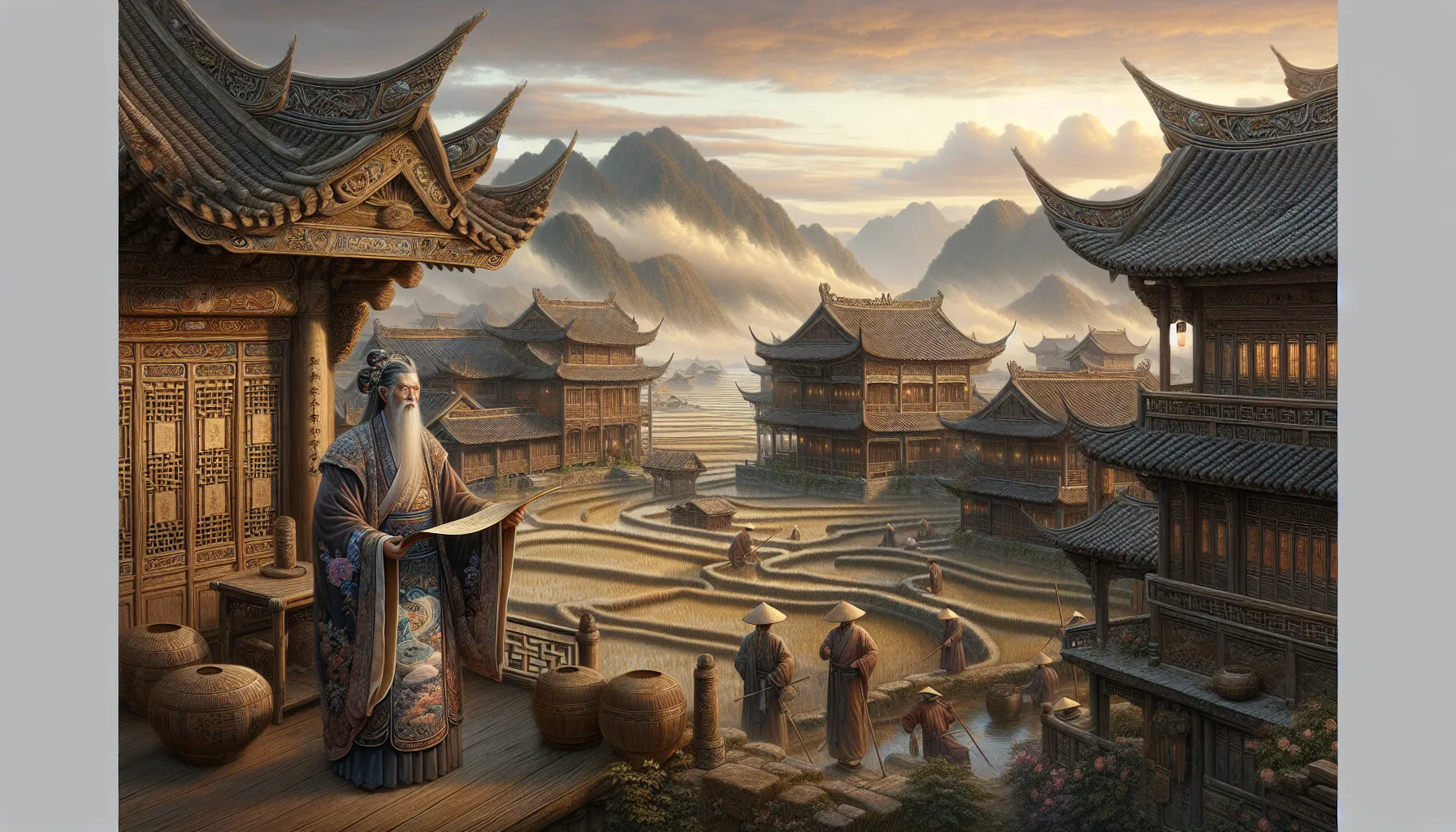
Ancient Civilizations in China
China boasts one of the world’s oldest continuous civilizations, with its roots tracing back to the Neolithic era. The legendary Huangdi, or Yellow Emperor, is often cited as a foundational figure around 2700 BCE, symbolizing the dawn of Chinese culture. By 2070 BCE, the Xia Dynasty was established, marking the beginning of recorded history. This period saw the formation of complex societies characterized by advances in agriculture, trade, and governance, leading to the development of successive dynasties that would leave lasting legacies.
Dynastic History and Cultural Influence
The dynastic history of China is rich and multifaceted. The Shang Dynasty (1600–1046 BCE) introduced important advancements in metallurgy, writing, and urban planning. Following the Shang, the Zhou Dynasty (1046–256 BCE) propagated the idea of the Mandate of Heaven, influencing governance and philosophy for centuries. Each dynasty contributed uniquely to cultural and social structures, culminating in global influences seen as recently as the 20th century.
Historical Overview of Japan
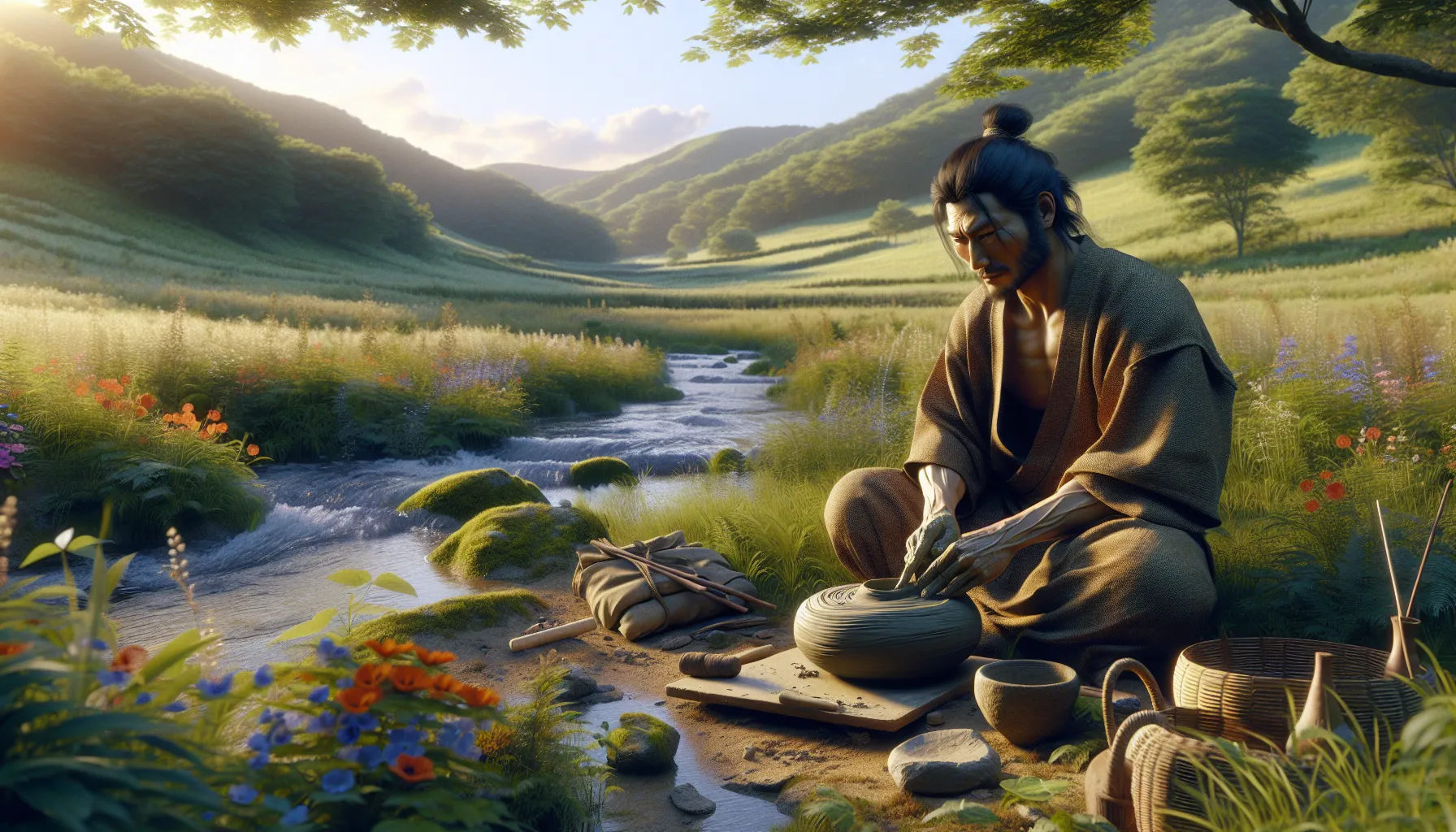
Jomon and Yayoi Periods
Japan’s history, though younger in terms of recorded civilization, is intriguing and complex. The Jomon period, beginning around 14,000 BCE, is marked by early hunter-gatherers who created distinctive pottery, suggesting a rich cultural life. Following this, the Yayoi period (300 BCE–300 CE) saw agricultural advancements and the introduction of wet rice farming, significantly altering societal structures and leading to the emergence of clan-based political systems.
Feudal Japan and Cultural Developments
The transition to the classical period in Japan marked the rise of feudalism, particularly during the Kamakura period (1185–1333). Samurai culture flourished, alongside the development of unique art forms and religions like Zen Buddhism. Scholars and artists exchanged ideas and influenced Japanese culture extensively, resulting in a vibrant tapestry of traditions that persist today.
Comparative Timeline of Key Events
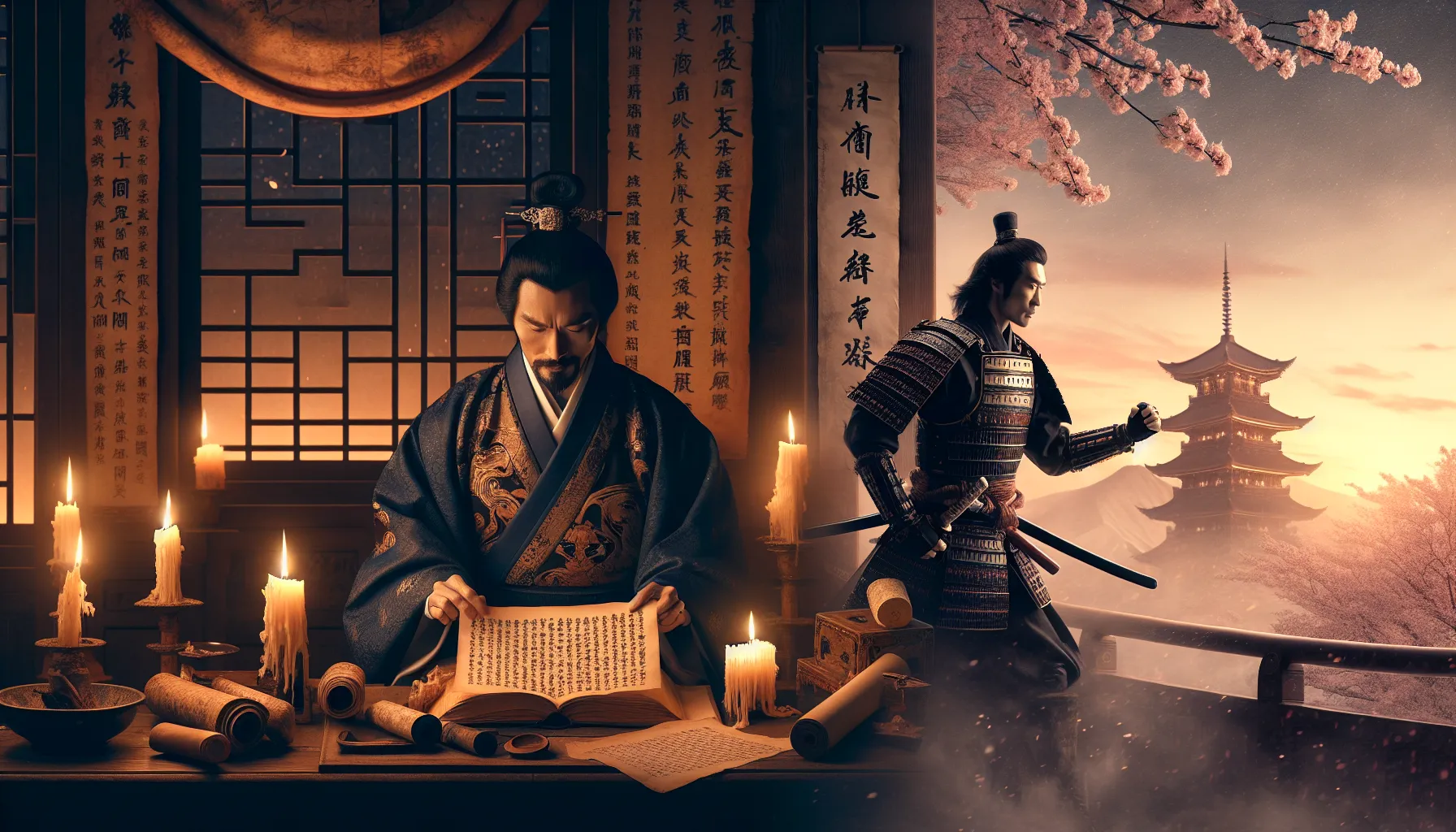
Notable Historical Milestones in China
China’s timeline includes remarkable milestones such as the invention of gunpowder in the 9th century, the compass in the 11th century, and printing during the Tang dynasty (618–907). Each of these developments considerably influenced not only China but also the broader world, marking significant advancements in warfare, navigation, and culture.
Notable Historical Milestones in Japan
In Japan, notable events include the establishment of the shogunate system in 1192, the unification under Oda Nobunaga in the late 16th century, and the Meiji Restoration in 1868. Each of these moments brought profound change, shaping Japan’s internal and external perceptions through modernization and militarization.
The timeline of both nations offers insight into how culture and society evolve over years, marked by pivotal events that define their historical identities.
Cultural Achievements and Influence
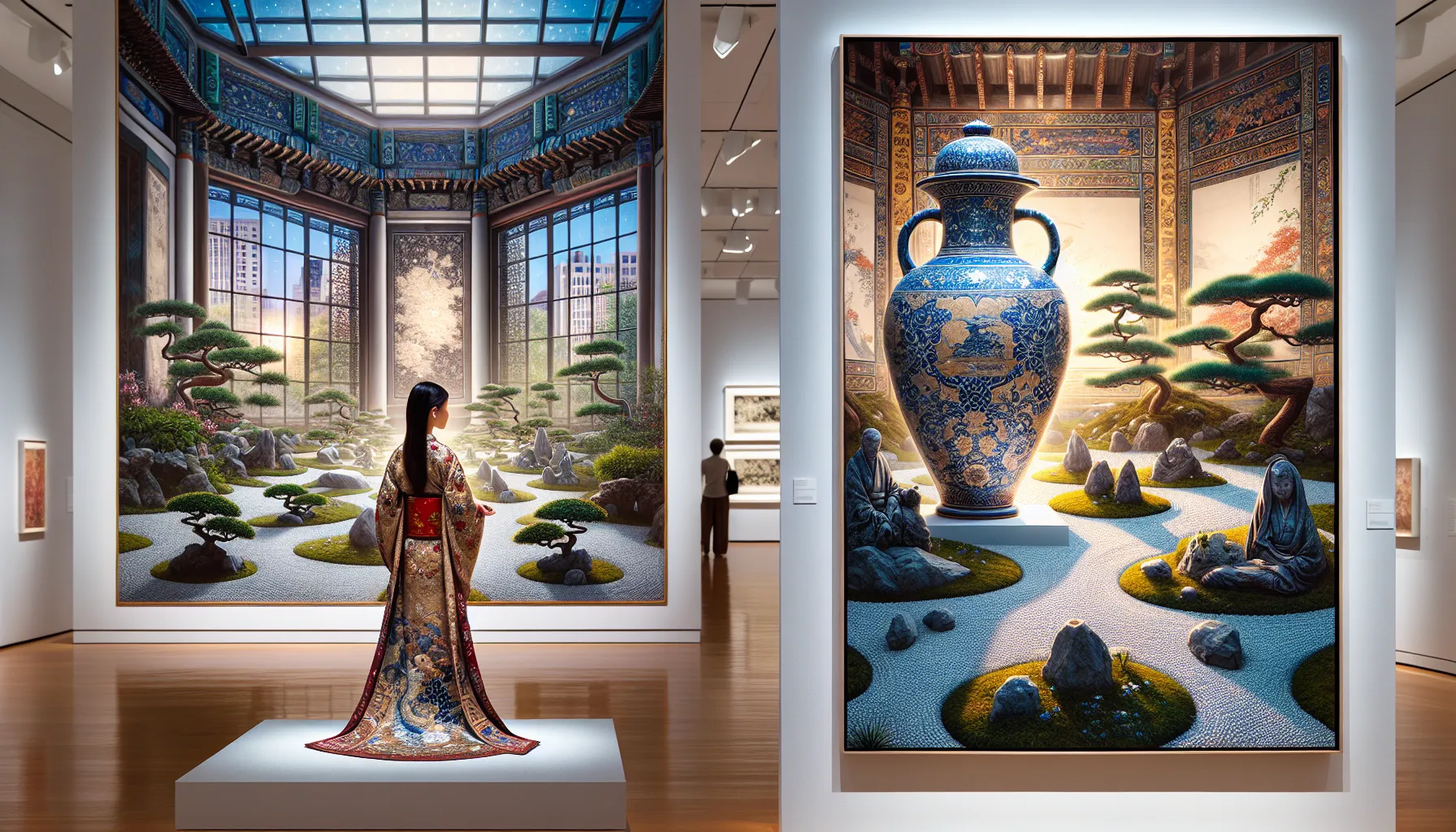
Art, Philosophy, and Science in China
Chinese art spans over millennia, ranging from the intricate brushwork of Wang Xizhi in calligraphy to the stunning ceramics of the Tang dynasty. Confucianism, Daoism, and Buddhism shaped philosophical discourse, influencing family dynamics and governance. The scientific inventions during the Han dynasty, such as papermaking and the seismometer, stand as testaments to China’s innovative spirit and its impact on technology and scholarship.
Art, Philosophy, and Science in Japan
Japan’s cultural achievements, on the other hand, are equally remarkable. The elegant simplicity of Zen gardens and the haunting beauty of haiku reflect deep philosophical underpinnings. The Nara and Heian periods birthed unique artistic expressions in textiles, sculpture, and poetry, emphasizing harmony and nature. Science also saw advancements, particularly in the Edo period, where scholars engaged with Western knowledge, leading to a fusion of ideas.
Modern Implications of Historical Perspectives
National Identity and Historical Narratives
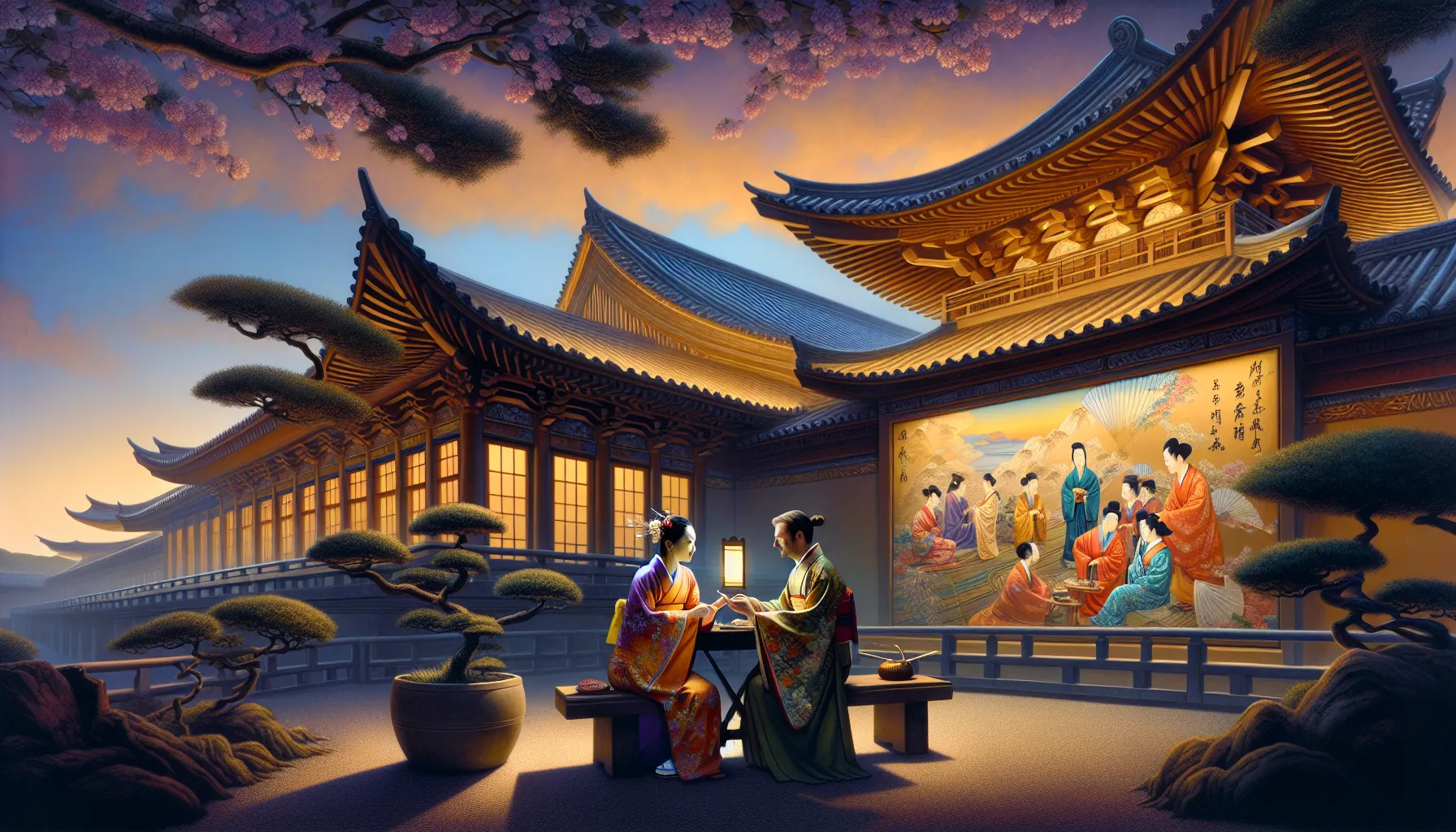
Today, the historical narratives of China and Japan deeply influence their national identities. In China, the concept of a cultural continuum maintains a sense of pride and unity. Meanwhile, Japan’s historical events often shape its understanding of modern governance and international relations, reflective of its journey from isolation to an active global player.
Cultural Exchanges Between Japan and China
Cultural exchanges between the two nations have been significant, particularly during the Tang dynasty, which saw the spread of Buddhism to Japan, profoundly affecting Japanese culture. Today, even though historical tensions, art, literature, and philosophy continue to flow between these two rich cultures, emphasizing that our shared humanity transcends time.
Conclusion
In exploring the ages of Japan and China, we find that both countries are steeped in history, each contributing uniquely to the global narrative. While China may cradle an older civilization, Japan shines with its distinctive cultural developments. The question of which is older opens up a broader discussion about how we perceive our past and our identities today. Through understanding these historical contexts, we appreciate not only the timelines but also the enduring legacies that shape our world. For more ancient civilization comparisons, explore what is older: Egypt or China, discover what is older: Pyramids or Stonehenge, and see how language fits in with our look at what is older: Tamil or Sanskrit.
by Ellie B, Site owner & Publisher

- Japanese Maple Bloodgood Vs. Atropurpureum - March 9, 2026
- Best Alternatives To Chrome - March 9, 2026
- The Difference Between Sunrise and Dawn, Explained Like You’Re Busy - March 9, 2026