How To Tell Brass From Copper
Our everyday encounters with metal often leave us pondering the nuances between them. When holding a shiny, yellowish object in our hands, do we know if it’s brass or copper? On the surface, these metals appear deceptively similar, yet they possess distinct characteristics that set them apart. Understanding the differences not only enhances our knowledge but also impacts how we use them in various applications. From the vibrant warmth of copper to the bright, golden glow of brass, these metals have fascinating stories to tell. So, let’s jump into the world of brass and copper and equip ourselves with the knowledge to distinguish one from the other with confidence.
Understanding Brass and Copper
Chemical Composition and Properties
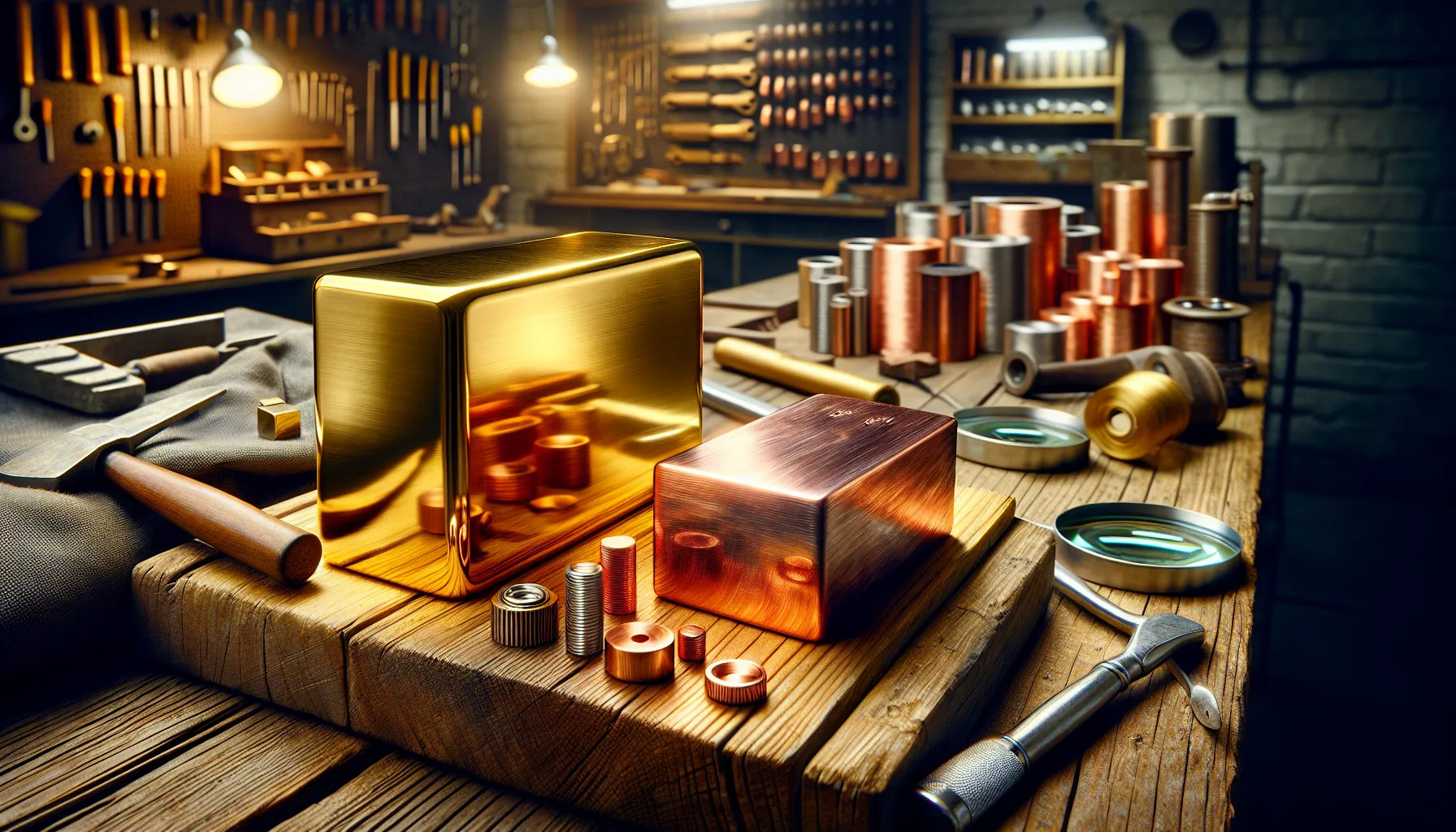
Brass is an alloy, primarily composed of copper and zinc — and it’s worth noting that telling brass from bronze can be equally tricky, since both are copper-based alloys. Copper, on the other hand, is a pure metal. This fundamental difference in composition leads to variations in physical properties. Brass typically contains about 50% to 90% copper, with the remainder being zinc. This addition of zinc not only provides brass with better corrosion resistance but also enhances its machinability. Copper boasts excellent conductivity and thermal properties, making it invaluable in electrical applications.
Visual Differences Between Brass and Copper
Visually, we can spot distinctions between brass and copper. Brass usually has a bright, shiny, gold-like appearance — similar to how pyrite can be mistaken for gold at a casual glance. Copper takes on a reddish-brown hue that can develop a green patina over time due to oxidation. When examining both metals, look for subtle tonal differences that can guide us in identifying them quickly. The surface texture can also vary: brass often feels smoother, while copper may exhibit a slightly more textured finish.
Common Uses and Applications

Characteristics of Brass in Various Industries
Brass finds its niche across numerous industries thanks to its unique properties. In plumbing, brass fittings are common due to their strength and resistance to corrosion. In the musical realm, we often encounter brass instruments, which use the metal’s acoustic properties to produce rich sounds. In the realm of decorative items, brass offers aesthetic appeal alongside durability, making it a popular choice for hardware and jewelry — much like how distinguishing real leather from fake matters when assessing quality goods.
Copper’s Role in Electrical and Plumbing Works
Copper’s unparalleled conductivity makes it the metal of choice for electrical wiring. In homes and commercial buildings, we depend on copper for its efficient transfer of electricity. Its malleability allows for easy shaping, further enhancing its utility in plumbing applications. The same visual attention needed to tell aluminum from stainless steel applies here — surface finish and weight are key clues. We often find copper pipes in our buildings, providing a reliable flow of water due to its resistance to corrosion.
Methods for Distinguishing Brass from Copper

Physical Tests to Identify Metals
A simple physical test involves checking the color and weight of the metals. When we hold a piece of brass, it is usually heavier compared to copper of the same size. Another approach is to scratch the surface: brass will generally leave a grayish residue while copper will be a reddish one. The same kind of careful visual inspection applies when you need to tell crystal from glass — subtle light refraction and weight differences reveal the truth. We can also employ the magnet test since brass is non-magnetic, whereas copper shows slight magnetic properties due to impurities in it.
Chemical Tests and Their Implications
For those seeking a more definitive method, chemical tests are available. By applying a small amount of nitric acid, we can observe the reaction: brass will generally turn a shade darker, indicating the presence of zinc, while copper remains unaffected. Although we need to be cautious, as working with acids requires appropriate safety measures.
Professional Ways to Verify Metal Composition
When precision matters, professionals may use X-ray fluorescence (XRF) analysis. This non-destructive technique allows us to determine the exact composition of the metal. Many recycling centers and scrap yards employ this technology to accurately identify materials, ensuring efficient processing.
Environmental Considerations and Recycling
Recycling Brass and Copper: What to Know
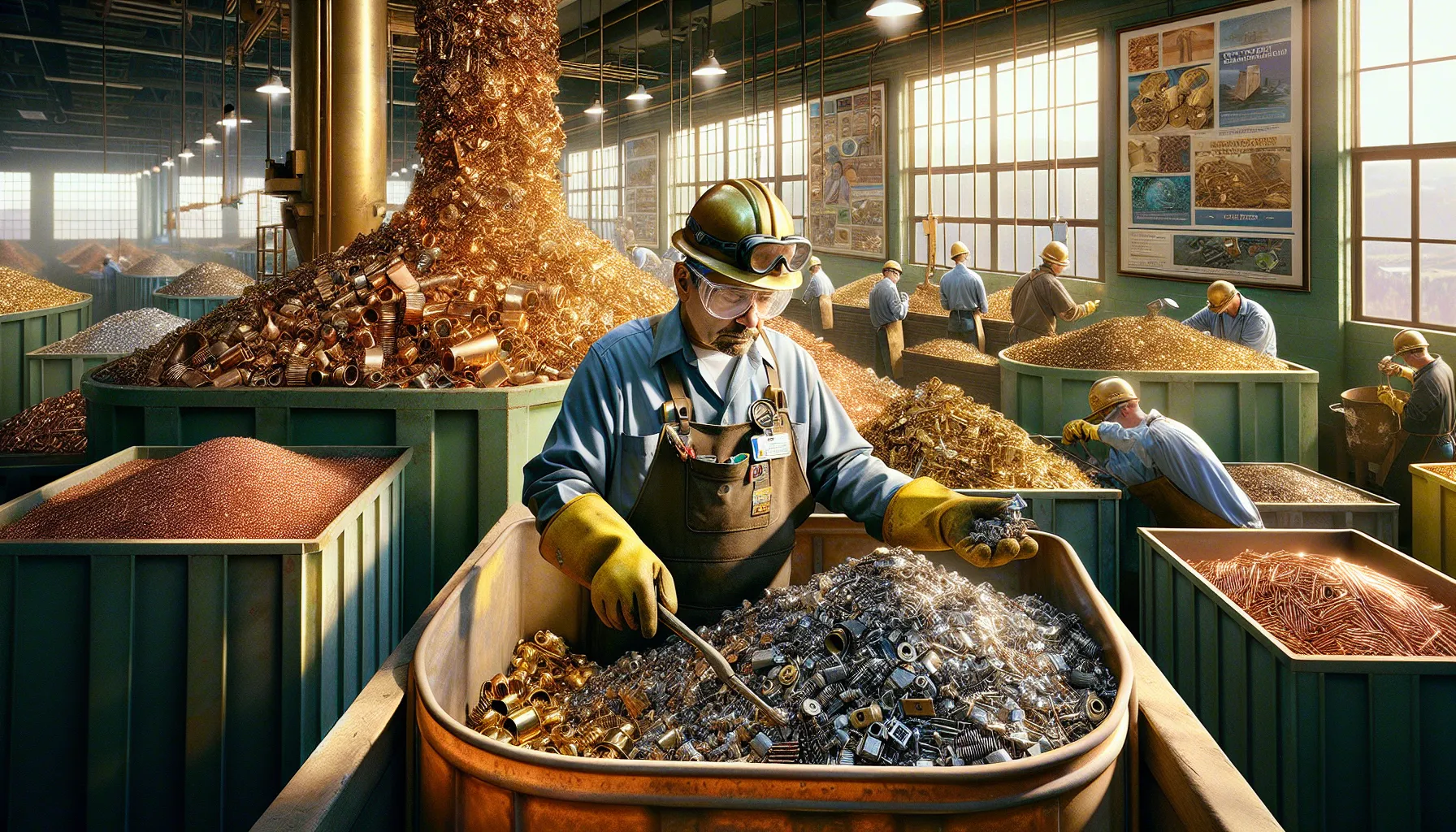
Brass and copper can both be recycled effectively, reducing environmental impact. Recycling brass helps conserve copper, zinc, and other metal resources. It’s essential to remember that recycling processes differ for each metal, with brass often requiring more energy to process due to its alloy composition. Our commitment to sustainable practices encourages us to recycle properly and reduce waste.
Impact on Manufacturing and Sustainability
The production of new brass and copper significantly affects our environment. Sustainable practices in metal manufacturing have become increasingly critical. By prioritizing recycled materials, we decrease energy consumption and minimize harmful emissions. Embracing recycling benefits not just our pockets but also the planet we inhabit.
Conclusion
Summarizing, understanding the differences between brass and copper empowers us to make informed decisions in our daily lives. With their unique properties, applications, and environmental considerations, recognizing these metals becomes essential. Whether we’re at work, tackling a DIY project, or simply curious about the materials around us, brushing up on our knowledge of brass and copper can open up a wealth of opportunities. Let’s commit to recycling and responsible usage, ensuring these valuable metals continue to serve us for years to come.

- Top Free Alternatives to VTube Studio for Streamers - October 24, 2026
- Software Development Models Comparison: SDLC Frameworks - October 23, 2026
- WxWidgets Alternatives for Cross-Platform GUI Development - October 22, 2026
by Ellie B, Site Owner / Publisher