What Is Older: Tamil or Sanskrit?
In the tapestry of ancient civilizations, the languages spoken paint powerful strokes of culture, heritage, and history. Imagine a world where the echoes of Tamil and Sanskrit resonate across time, each carrying secrets of early human thought, art, and philosophy. Tamil, often revered as one of the oldest languages still in use today, boasts a literary history that stretches back millennia. Meanwhile, Sanskrit, the sacred tongue of the Vedas, has profoundly influenced not just language but entire belief systems, shaping cultures across South Asia. As we embark on this exploration, we invite you to investigate deeper into the origins, significance, and intricate relationships of these two remarkable languages.
Historical Origins of Tamil

Ancient Literature and Manuscripts
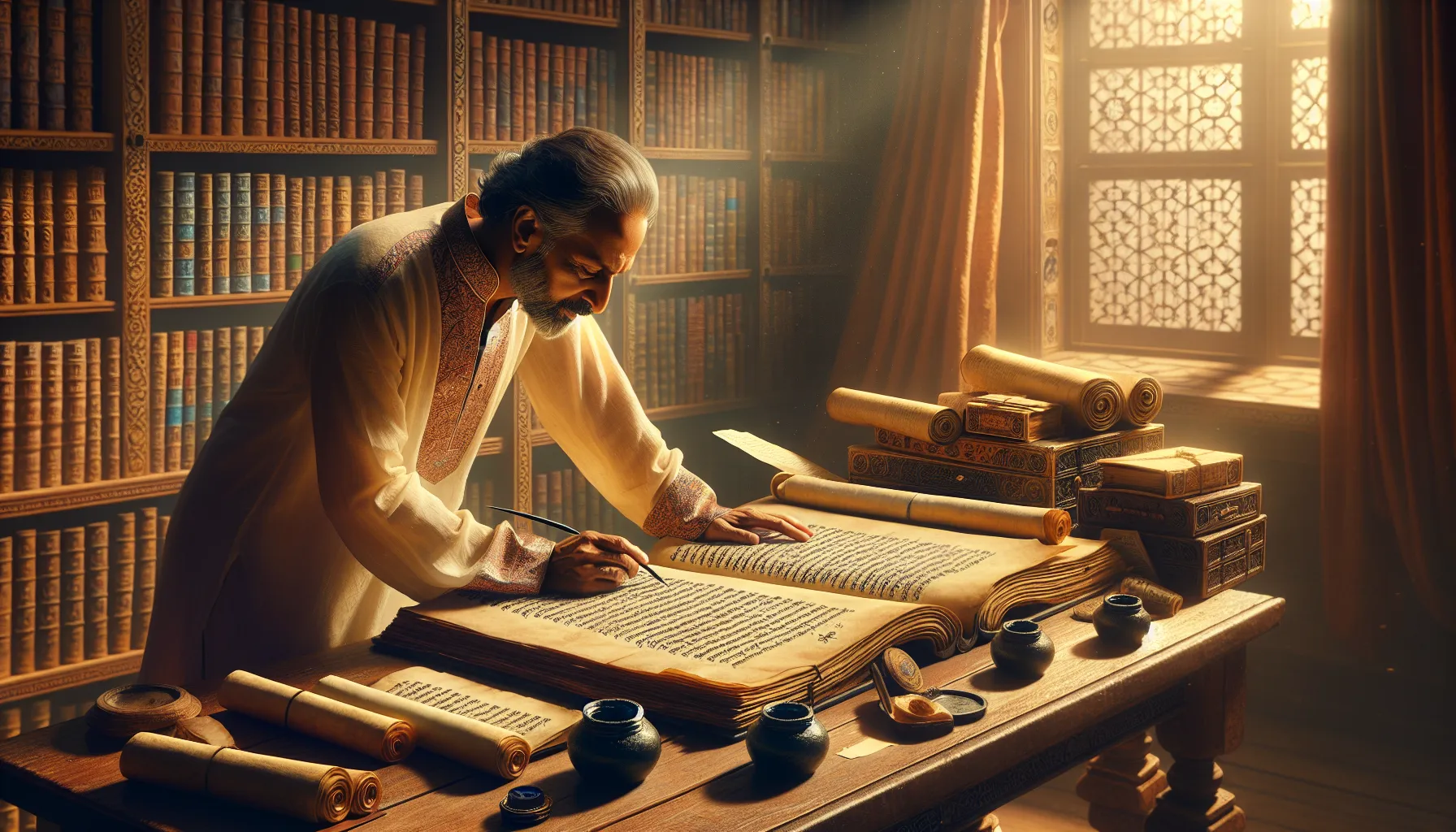
We recognize Tamil’s rich literary legacy, with texts dating back to at least the 3rd century BCE. The “Tolkāppiyam,” an ancient grammar text, illuminates the early structure of Tamil, while the “Sangam literature,” from around 300 BCE to 300 CE, showcases poetry that reflects the life and environment of ancient Tamil society. This early literature not only highlights the linguistic features of Tamil but also serves as a vital link to understanding the social and cultural fabric of its time.
The Development of Tamil Language
Over centuries, Tamil has evolved, integrating influences from various dynasties and cultures. From the ancient forms to the modern dialects, we can see how Tamil has resiliently adapted while maintaining its core characteristics. The script itself underwent changes, reflecting historical shifts, yet its essence has largely remained intact, affirming the language’s ancient origins.
Cultural Significance of Tamil
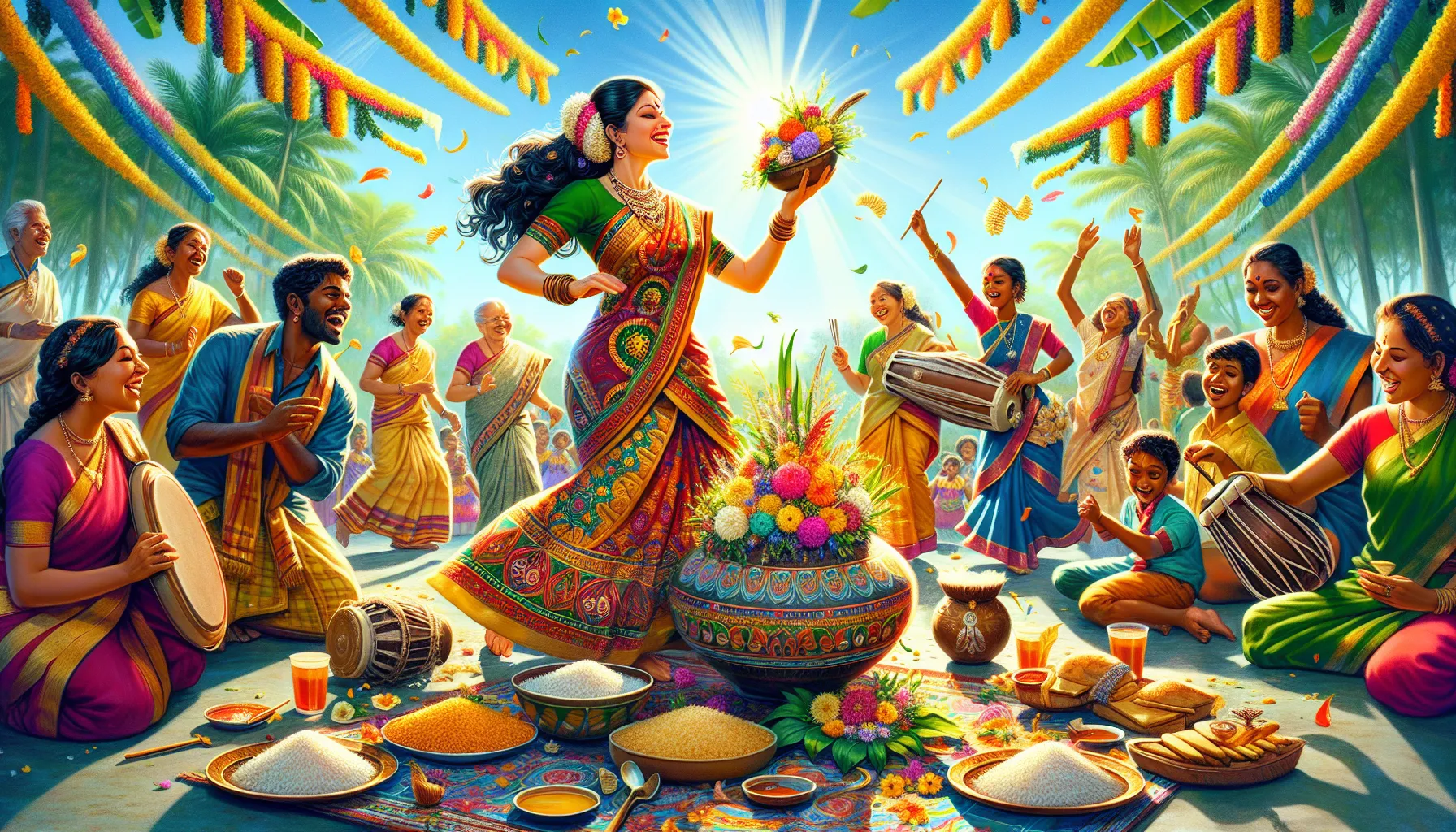
Tamil is more than just a medium of communication: it embodies a rich cultural identity. From classical dance forms to music, and from intricate arts to profound philosophies, Tamil culture has left an indelible mark on both regional and global stages. The language serves as a medium through which we express our beliefs, traditions, and even our dreams. Festivals like “Pongal” showcase not just agricultural significance but also unity, joy, and gratitude, all articulated beautifully through the Tamil language.
Historical Origins of Sanskrit
Ancient Texts and Scriptures
Similarly, the origin of Sanskrit can be traced back to the ancient texts known as the Vedas, which date back to approximately 1500 BCE. These texts are not merely linguistic artifacts: they are the bedrock upon which Hindu philosophy and practices were built. Other notable works, including the “Mahabharata” and the “Ramayana,” further illustrate the depth and breadth of Sanskrit’s influence across religions and cultures.
The Evolution of Sanskrit Language
While Sanskrit initially developed as a liturgical language, its journey is fascinating. Over time, various dialects arose, leading to the emergence of Prakrit languages. We observe how, even though its high regard, Sanskrit endured a decline in everyday usage, yet its legacy lives on through literature, religious rituals, and scholarship.
Cultural Importance of Sanskrit
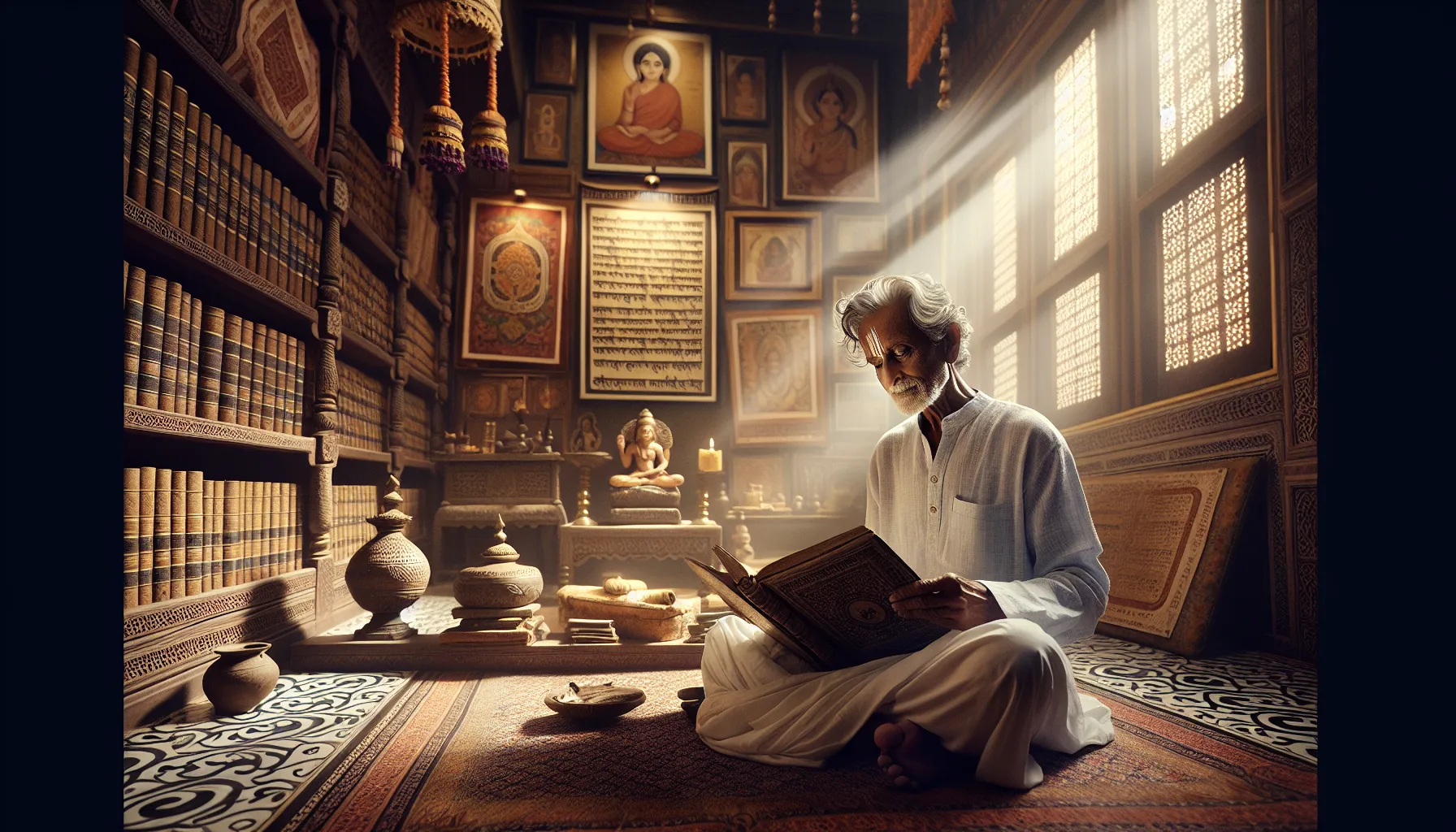
Much like Tamil, Sanskrit holds a crucial place in the cultural identity of a vast populace. It is often described as the language of the gods, and rightly so: its verses are chanted in temples and learned in academic settings, bridging the sacred with the scholarly. Sanskrit’s influence extends beyond India, having a pronounced impact on languages like Hindi, Bengali, and even some Southeast Asian languages, illustrating its wide-reaching importance.
Comparative Analysis of Tamil and Sanskrit

Linguistic Features and Influences
In contrast to one another, Tamil and Sanskrit possess unique phonetic and grammatical structures. Tamil is agglutinative, meaning it forms words by combining morphemes, while Sanskrit is highly inflectional, altering the form of words based on their grammatical function. This distinction highlights the diverse paths each language has taken through history, yet both demonstrate rich vocabularies filled with numerous idiomatic expressions.
Shared Cultural Elements and Practices
Even though their differences, Tamil and Sanskrit share cultural practices that underscore the common threads of humanity. Both languages are vehicles for religious text, music, dance, and poetry, suggesting a shared cultural heritage that transcends linguistic barriers. Festivals and ceremonies often feature elements from both languages, creating a rich tapestry of traditions that honor both cultural lineages.
Historical Interactions Between Tamil and Sanskrit
The historical interplay between Tamil and Sanskrit reveals fascinating layers of cultural exchange. During various dynasties, particularly under the Chola and Pandya reigns, there was a cross-pollination of ideas and language. Sanskrit scholars often interacted with Tamil poets, enriching both traditions. This synergy is exemplified in texts like the “Tirukkural,” which, while written in Tamil, employ themes and philosophies recognizable to those versed in Sanskrit literature.
Conclusion
Both Tamil and Sanskrit stand as age-old pillars of culture and linguistic heritage. While the origins of Tamil date back to over 2,000 years, Sanskrit’s roots reach into the depths of ancient India around 3,500 years ago. Each language is a treasure trove, offering insights into our ancestors, their thoughts, and their way of life. As we celebrate these languages, let us cherish their legacies and the profound stories they tell. The civilizations that gave rise to these languages are also worth comparing — read about what is older: Japan or China and what is older: Egypt or China. For another ancient language comparison, see what is older: Oceanic or Continental Crust.

- Nutanix Competitors - October 16, 2026
- Best Alternative for Hdfc Infinia Credit Card - October 16, 2026
- Must-Watch KK Menon Movies for Film Lovers - October 15, 2026
by Ellie B, Site Owner / Publisher