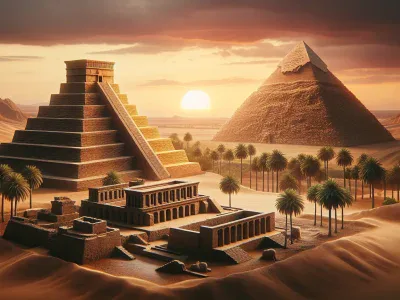
What Is Older: Egypt Or China?
When we peer into the annals of time, we find two of the most fascinating civilizations in history: Ancient Egypt and Ancient China. Their legacies, rich with monumental architecture and profound philosophical insights, raise an intriguing question that has piqued the interest of scholars and enthusiasts alike: Which civilization is older? As we embark on this journey through time, we’ll unravel the intricate tapestries of these cultures, exploring the contexts in which they flourished, the contributions they made, and how they shaped the world we know today.
Imagine the grandeur of the Great Pyramids of Giza rising majestically against the Egyptian sun, while in China, the early dynasties were laying the foundations for a civilization that would endure for millennia. What stories do these ancient lands tell? How did their histories unfold? Join us as we investigate into the historical depths, comparing the lifelines of Egypt and China, revealing insights that may surprise us and reshape our understanding of human civilization.
Historical Overview of Ancient Egypt

The Rise of Ancient Egyptian Civilization
Ancient Egypt’s civilization began around 3100 BCE when King Narmer unified Upper and Lower Egypt. This marked the start of the Early Dynastic Period. Key elements, such as the development of hieroglyphic writing, agricultural innovations along the Nile, and monumental architecture, laid the groundwork for what would become one of the most enduring cultures in history.
Key Achievements and Contributions
The Egyptians are known for numerous achievements, such as the construction of the pyramids, which served as tombs for their pharaohs. Their advancements in medicine, mathematics, and engineering were remarkable for the time. The Papyrus, another important Egyptian invention, revolutionized communication and record-keeping.
Cultural Elements of Ancient Egypt
Religion played a significant role in Ancient Egyptian life. The belief in an afterlife led to elaborate burial practices and monumental temples. Art and architecture were also heavily influenced by religious themes, depicted vividly in tomb paintings and sculptures that still resonate today.
Historical Overview of Ancient China

The Formation of Ancient Chinese Civilization
Ancient Chinese civilization began to take shape around 2100 BCE with the Xia Dynasty, though some evidence suggests that earlier societies existed. The Shang Dynasty, which followed, marked a significant development in writing and bronze technology, granting Chinese culture a unique identity.
Significant Developments and Innovations
China’s ancient society made profound contributions, including innovations such as gunpowder, the compass, and papermaking. The establishment of the Great Wall during the Qin Dynasty was one of the earliest expressions of centralized governance and monumental engineering in China.
Cultural Elements of Ancient China
Confucianism and Daoism emerged during ancient times, influencing social structures and ethical conduct. The rich tradition of Chinese poetry, literature, and art reflects the complexity of its cultural landscape, intertwining with its philosophies and religious practices.
Comparative Analysis of Timelines
Chronological Development of Societies
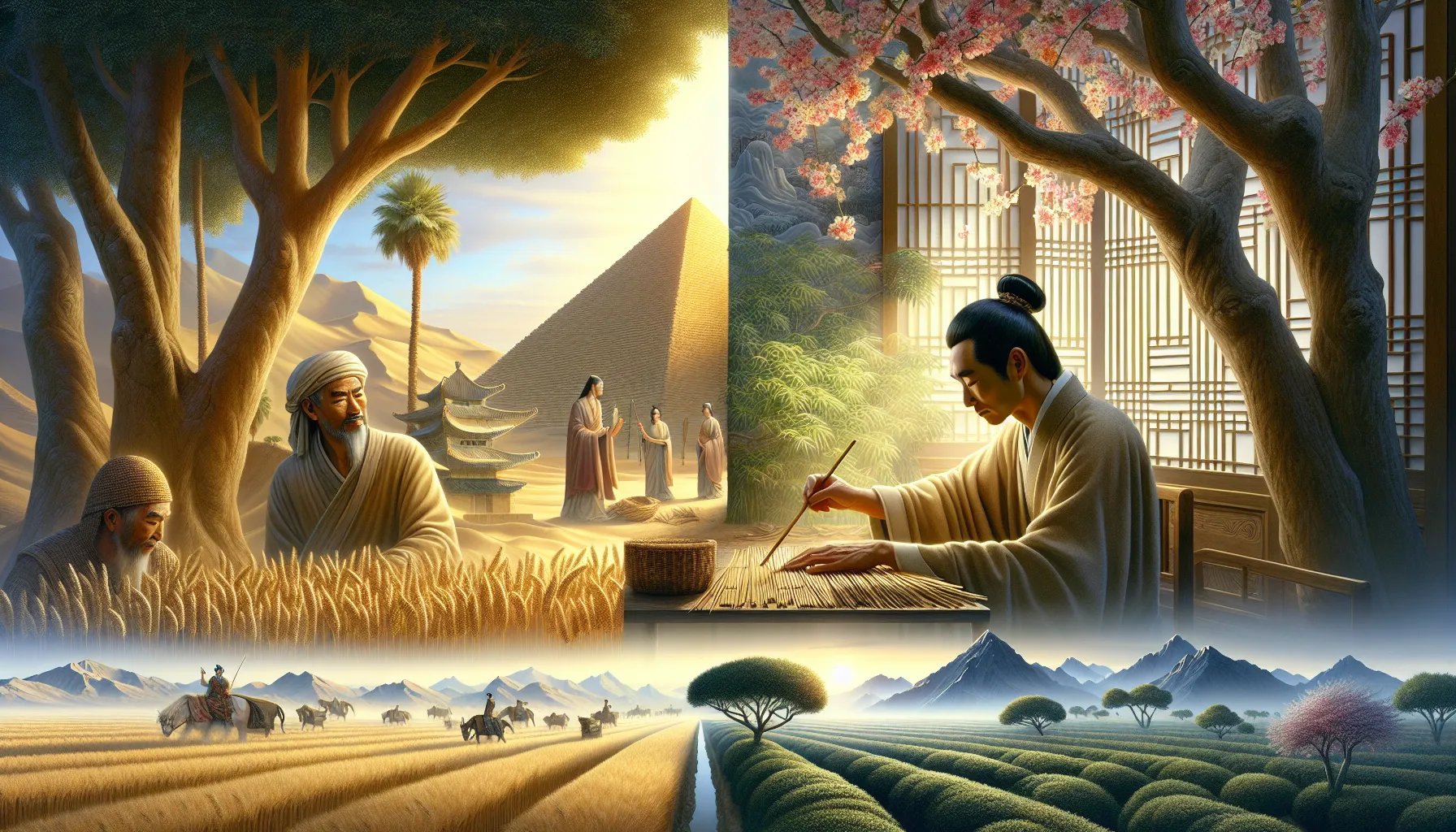
While Egypt’s civilization began around 3100 BCE, China’s oldest recorded dynasties surfaced around 2100 BCE. Even though China being slightly younger based on established dynasties, the societal developments of both civilizations were not isolated to just their land. Influential trade routes, especially through the Silk Road, facilitated exchanges that enriched both Egyptian and Chinese cultures over time.
Influences on Neighboring Regions
Egypt’s advanced agricultural techniques and monumental constructions influenced surrounding regions such as Nubia. Similarly, Chinese inventions and philosophies spread throughout Asia, impacting countries like Japan and Korea, creating a historical interplay that shaped larger socio-political landscapes.
Key Differences in Civilization Development
Social Structures and Governance
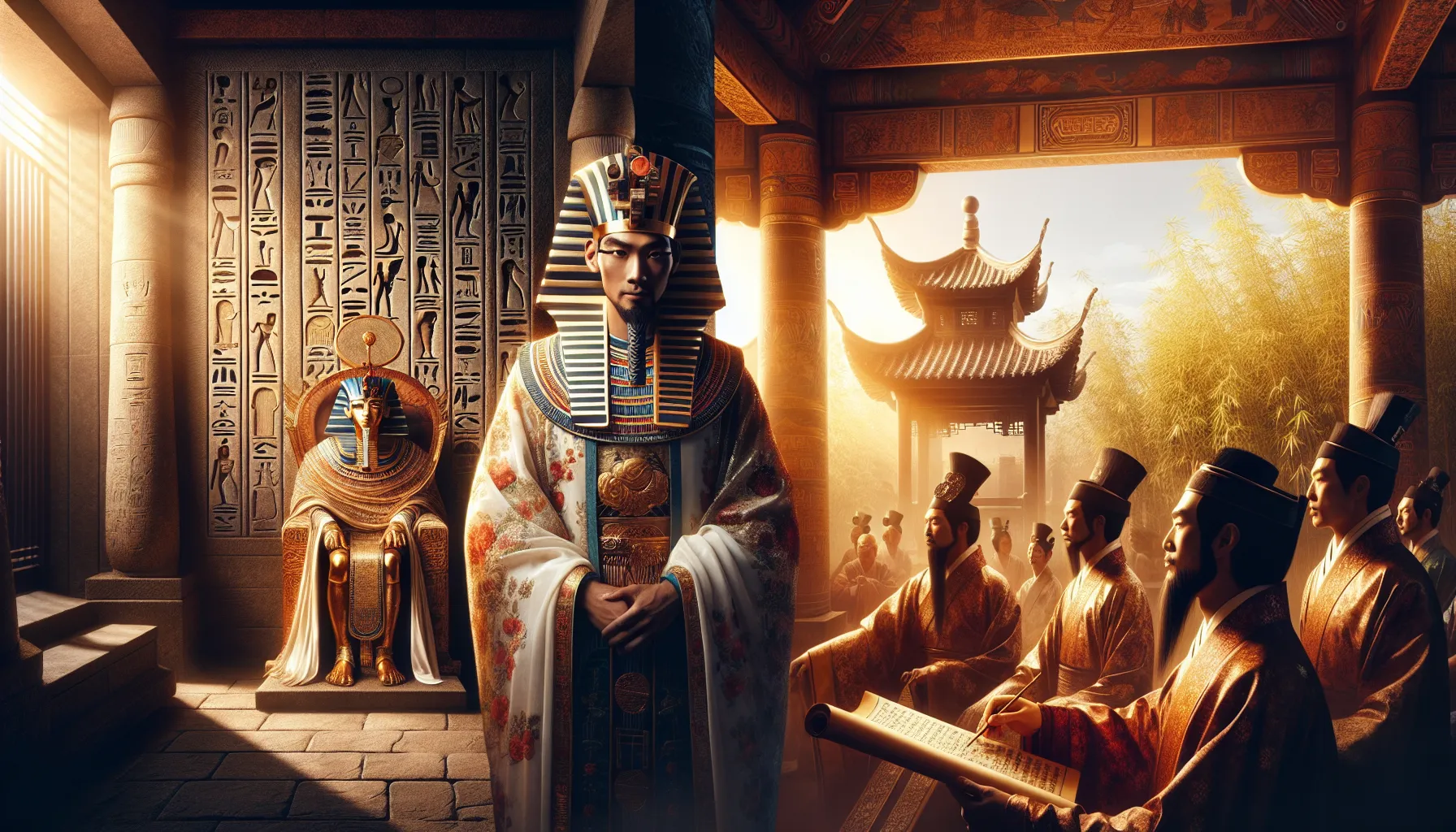
Egypt’s governance was characterized by a theocratic system under a pharaoh considered a god on Earth, leading to a strong central authority. In contrast, ancient China had a more bureaucratic approach, with emperors ruling alongside an intricate civil service. This difference fundamentally shaped their political landscapes and societal structures.
Cultural Practices and Religion
The religious practices in Ancient Egypt often revolved around elaborate rituals and polytheistic beliefs in a pantheon of gods. Meanwhile, Chinese civilization saw the rise of philosophical systems that influenced ethics, governance, and family dynamics. The way each culture approached spirituality and the divine left enduring legacies that can still be seen today.
Conclusion
In our exploration of Ancient Egypt and Ancient China, we’ve uncovered fascinating historical timelines that depict two remarkable civilizations. While Egypt laid claims to the title of civilization first starting around 3100 BCE, we recognize that the story of human history isn’t about mere dates: it’s a tale of interconnectedness and influence across regions and cultures. Both Ancient Egypt and Ancient China contributed colossal advancements that have profoundly shaped human existence. As we continue to reflect on these ancient cultures, we invite ourselves to investigate deeper into the legacy they’ve left behind. The monuments they built are equally captivating — compare what is older: Pyramids or Stonehenge. For a neighbouring civilisation comparison, read what is older: Japan or China. The ancient languages from these regions are explored in what is older: Tamil or Sanskrit.

- Router Software Comparison: OpenWrt vs. DD-WRT vs. PfSense - September 21, 2026
- Best Cdm of All Time - September 20, 2026
- Bgc Competitors - September 20, 2026
by Ellie B, Site Owner / Publisher