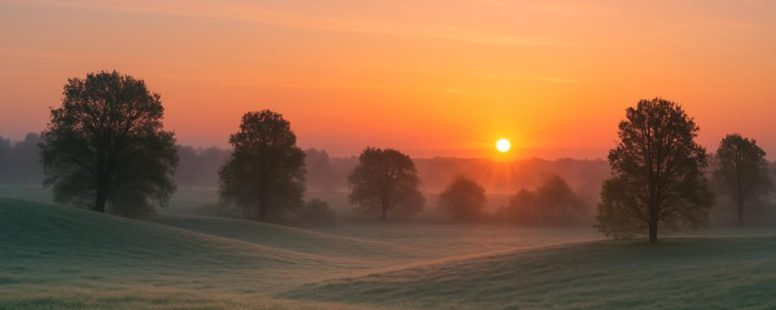
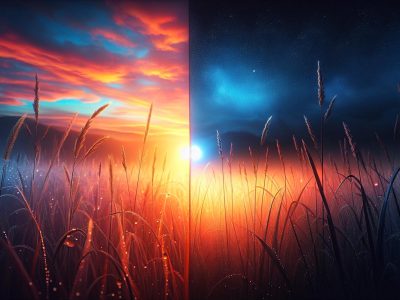
Imagine waking up before dawn, when the world is cloaked in a soft, whispering glow that hints at what’s to come. That’s dawn—a quiet, gentle awakening of light that feels like the first breath of morning.
Then there’s sunrise, the dramatic burst when the sun finally breaks free from the horizon, spilling gold and pink across the sky like a painter’s masterpiece.
Knowing the difference can transform your mornings, turning them into moments of magic you can seize and share.
Surprisingly, understanding these fleeting phases can also help you capture breathtaking photos and start your day with a sense of calm and clarity.
What Is Dawn, and How Is It Different From Sunrise?
Dawn and sunrise are not the same, even though many people use these words as if they are. Dawn is the time when the sky begins to get light before the sun actually shows up. It is the very start of morning light, often seen as a symbol of new beginnings and hope. In many cultures, dawn was an important part of daily life, linked to religious rituals and routines. It marks the change from darkness to light and is seen as a time of renewal.
Sunrise happens after dawn. It is the exact moment when the sun crosses the horizon and becomes visible in the sky. Think of dawn as the sky waking up slowly, and sunrise as the sun finally rising. Some people think about sunrise as the official start of the day because it’s when the sun appears. Others see dawn as more meaningful because it represents a new day beginning, even before the sun is visible.
Knowing the difference between dawn and sunrise helps us understand what we are seeing in the sky. Dawn is a quiet, gradual change that many cultures find special. Sunrise is a clear, bright event that signals a new day. Both are beautiful, but they tell different stories about the morning.
When Does Dawn Usually Happen Each Day?
Dawn usually happens about 30 to 60 minutes before the sun rises each day. The exact time can change depending on where you are and the season. For example, in summer, dawn might be earlier, while in winter it can be later. During dawn, the sky starts to brighten gradually, even though the sun isn’t visible yet. This moment can be a peaceful time to start your morning, whether you want to think quietly, do some exercise, or enjoy the fresh air.
Some people use dawn to plan their day or enjoy a quiet moment before the busy world wakes up. If you want to catch dawn regularly, it helps to know when the sun rises in your area. You can look up sunrise times online or use a weather app. Keep in mind that dawn’s timing varies, so it’s good to check often if you want to see it most days.
Where Can You See Dawn and Sunrise Best?
You can see dawn and sunrise best in places with clear views and little light pollution. These spots let you see the bright colors and the first light of the day most clearly. Some locations are more special because of their history or cultural meaning.
Mountaintops and Hilltops are the top choice for sunrise. Being high up means there are no trees or buildings blocking the view. The sunrise looks more dramatic from these places. Many cultures, like the ancient Greeks and Native Americans, saw mountains as sacred spaces that connect humans to the divine. For example, watching the sunrise from Mount Fuji in Japan is popular because of its stunning views and spiritual significance.
Beaches and Coastal Areas are amazing for dawn. Watching the sun rise over the ocean creates a peaceful scene, with colors reflecting on the water. These spots are important for fishing communities and sailors who relied on the early morning light. Standing on a beach in Key West, Florida, during sunrise can feel like witnessing a fresh start for the day.
Ancient Ruins and Historical Sites give a special experience. Places like Machu Picchu in Peru or Stonehenge in England have a sense of history and mystery. Watching the sunrise there can feel like touching the past. For example, many visitors say seeing the sun rise over Machu Picchu makes the moment feel timeless and almost spiritual.
Some people prefer different places depending on what they want to see or feel. For example, a quiet mountain or a lively beach can offer very different experiences. Also, be aware that weather and season can change how good the view is. Clear mornings give the best sunrise views, so check the forecast before planning your trip.
How Do Dawn and Sunrise Look Different in Various Climates?
Dawn and sunrise look different depending on the climate. The colors, brightness, and how early or late they happen can change a lot.
In warm tropical places like Hawaii or the Caribbean, you often see bright, fiery colors. Reds, oranges, and pinks stay in the sky longer and make the morning feel lively and warm. These places usually have clear skies, which let the sun’s light shine through fully, making the colors more vivid. Sometimes the humid air makes the colors appear even more intense, making dawn feel dramatic and exciting.
In cooler or dry areas like Colorado or desert regions, sunrises tend to be softer and less colorful. The sky might be filled with gentle shades of pink or light orange. These places often have clearer skies, so the sunrise looks sharper and more defined. But because it’s cooler, the colors don’t last as long and can seem more subdued.
Clouds also change how dawn looks. If thick clouds cover the sky, they can block the sunlight and create layered effects that are quite dramatic. For example, in places like Seattle, heavy clouds can make the sunrise seem dark and mysterious. In contrast, calm, clear mornings let the colors spread wide across the sky, showing bright reds and pinks.
Humidity also affects how dawn appears. Coastal areas like Miami or San Francisco can have more moisture in the air, which makes the colors richer and more intense. Sometimes, the moisture can make the sunrise look almost glowing, like the sky is on fire.
What Causes the Light and Atmosphere to Change at Dawn and Sunrise?
The reason the light and atmosphere change at dawn and sunrise is because of a process called atmospheric refraction. This is when the Earth’s atmosphere bends the sunlight as it comes toward us. Think of it like a straw in a glass of water — the light bends when it moves from air to water. During sunrise, the Sun is just below the horizon, but the atmosphere bends the sunlight so we can see it. This makes the Sun look higher than it really is and creates those beautiful colors in the sky.
As the Sun rises higher in the sky, its position appears to change because of this bending of light. The light from the Sun travels through more of the Earth’s atmosphere at dawn and sunrise, which scatters the colors and makes the sky look pink, orange, and red. This is why sunrises are so colorful and different from midday when the Sun is directly overhead.
Some people see amazing sunrises where the sky looks like a painting. Others might see less color if the weather is cloudy or polluted. Both views are correct because weather and pollution can block or change how sunlight enters the atmosphere.
It is also worth noting that atmospheric refraction is not the same everywhere. In places with higher mountains or colder air, the effects can look different. But no matter where you are, the changing light and colors at dawn happen because of how the atmosphere bends and scatters sunlight.
Atmospheric Refraction Effects
Atmospheric refraction is what makes the sun look a little different when it rises or sets. When the sun gets close to the horizon, the light it sends to us bends as it passes through Earth’s atmosphere. This bending makes the sun seem slightly higher and earlier than it really is. It also causes the sky to glow with warm colors, like orange and pink, before the sun fully appears.
This effect happens because the light travels through different layers of air, each with different temperatures and densities. The bending of light is similar to how a straw looks bent in a glass of water. Some people see the sun a little before it’s actually on the horizon, which can be confusing if you’re trying to tell the exact time the sun rises.
There are two main opinions about atmospheric refraction. One says it is a beautiful natural effect that adds to the colors and magic of dawn. Others warn that it can sometimes cause misjudging the actual position of the sun, especially for sailors or pilots who need precise information.
In short, atmospheric refraction is responsible for the early appearance of the sun and the warm sky colors we see during sunrise. It bends sunlight passing through the atmosphere, creating these lovely visual tricks.
Sun’s Position Shift
The sky changes color during dawn and sunrise because of the Sun’s position in the sky. When the Sun is just below the horizon, its rays hit the atmosphere at a shallow angle. This causes the shorter blue and violet light to scatter in many directions, leaving the longer red and orange light to fill the sky. That’s why we see beautiful reds and oranges at sunrise.
As the Sun rises higher, it moves straight above us. The sunlight then hits the atmosphere more directly. This makes the sky look brighter and whiter because the light is less scattered and more evenly spread out. The quick change in the Sun’s position causes the sky to shift from soft reds to bright whites quickly.
Some people love watching these changes because they make mornings special. Others might find the brightness too harsh as the Sun gets higher. Remember, the Sun’s movement is what makes these colors happen, so on cloudy days, the colors might not be as bright.
Why Knowing the Difference Helps You Capture Better Photos
Knowing the difference between lighting times helps you take better photos. For example, dawn and sunrise look different, even though they happen close together. Dawn is when the sky starts to lighten but the sun isn’t up yet. Sunrise is when the sun actually appears on the horizon. Understanding these times helps you decide when to shoot.
If you want a soft, gentle glow in your photos, shooting at dawn works best. But if you want bright, vibrant colors, shooting during sunrise gives you more vivid scenes. The light changes fast, so knowing when each happens helps you plan your shot.
Some people prefer early morning because the light is softer and less harsh. Others like sunrise because the colors are more intense. Both have their benefits, but they create very different moods in your photos.
However, keep in mind that weather or location can change how these times look. Clouds can block sunlight or create interesting effects. So, it’s good to check sunrise and dawn times for your area and be ready to shoot when the moment feels right.
Knowing the difference between these times is a simple trick that can make your photos look more professional and emotionally powerful. It’s like catching a special moment when the light is just right.
Timing Matters for Shots
Timing is key when taking sunrise or dawn photos. The best shot depends on the exact moment you capture the scene. As the sun rises, the sky changes quickly, and the colors fade fast. Wildlife can also be more active at dawn, giving you chances to photograph animals in their natural behavior.
Here are some steps to get the timing right:
Capture the pre-dawn glow for softer, calmer colors. This is the quiet moment before the sun rises, when the sky has gentle shades of blue and pink.
Shoot during the first light when the colors are most bright and lively. The sky often shows vivid oranges and reds just as the sun begins to peek over the horizon.
Be ready for wildlife activity at dawn. Many animals wake up early and become active, making it a perfect time to photograph them in action.
Knowing whether you are shooting during dawn or sunrise helps you plan. Dawn has softer colors and calmer scenes, while sunrise is more vibrant and dynamic. Both moments are great, but timing makes all the difference in how your photos turn out.
Some photographers say the best photos happen right at the first light, while others prefer the softer dawn glow. Keep in mind that weather and location can change how these moments look. Practice and patience will help you catch the perfect shot.
Lighting Conditions Differ Significantly
Lighting conditions during dawn and sunrise are quite different and change how your photos look. Dawn has lower sky brightness, which creates softer, muted colors. This makes the photo feel calm and gentle. Sunrise, on the other hand, has a brighter sky with vivid, warm colors. The brighter light helps make details clearer and colors more vibrant.
If you want to capture subtle textures or smooth tones, dawn’s softer light is better. But if you want bold colors and sharp shadows, sunrise’s bright light is the way to go. Knowing these differences helps you pick the right camera settings and compose your shot better.
For example, a sunrise can make the sky glow with oranges and reds, perfect for a lively landscape shot. Dawn might give you pastel shades and a peaceful mood. Both times can be beautiful, but they need different camera settings.
Some photographers prefer dawn for its quiet and gentle light, while others love the strong, warm glow of sunrise. But keep in mind, the soft light of dawn can sometimes make your photos look dull if you don’t adjust settings properly. Similarly, the bright light at sunrise can sometimes cause overexposure if you’re not careful.
Understanding how light changes from dawn to sunrise helps you take better photos. It lets you decide what mood you want to show and how to set your camera. This way, your images will look more intentional and visually interesting.
Mood and Atmosphere Vary
Dawn and sunrise each create different lighting that can change how your photos feel. Dawn usually looks calm and quiet, with cool colors like blues and purples. Sunrise is brighter and more lively, with warm colors like oranges and reds. Knowing these differences helps you take pictures that show the right mood.
Culturally, dawn often means new beginnings, while sunrise can stand for hope and fresh starts. For example, a photo of dawn might show a peaceful lake with soft blue light, making viewers feel relaxed. A sunrise photo might have bright reds and oranges, making people feel excited and hopeful.
Some people prefer dawn’s cooler tones because they feel more peaceful. Others like sunrise’s warm colors because they seem more energetic. But keep in mind, the mood of your photo also depends on the scene and how you use the light.
Common Myths About Dawn and Sunrise Debunked
Dawn and sunrise are not the same thing. Dawn is the time just before the sun rises when the sky begins to lighten. Sunrise is the moment when the sun actually appears over the horizon. Many people think they are the same, but history shows that different cultures have always seen them as separate.
For example, in ancient Greece, dawn was seen as a time of new beginnings and hope. It was when the first light appeared, signaling the start of a new day. Sunrise, however, was linked to achievements and clarity. It was the time to begin work or to celebrate.
Some myths blur these lines and make it seem like dawn and sunrise are just one moment. But understanding their differences helps us see their true meaning. Dawn is like the opening act of a show, gently brightening the sky, while sunrise is the grand moment when the sun officially rises.
Knowing these differences can help us appreciate how people in different places and times have viewed these special moments. They are more than just times of day. Dawn and sunrise are symbols of hope, new beginnings, and achievement, each with their own unique meaning.
Tips for Catching the Best Dawn and Sunrise Moments
The best dawn and sunrise moments happen when you understand what makes them special. The colors of the sky change from dark to bright, creating stunning views. To see this, you need to plan ahead and be patient. Arriving early at your favorite spot gives you enough time to see the sky’s colors gradually shift and to catch the moment when the sun first peeks out. Clear weather helps a lot because clouds can hide the colors and block the sunlight. Bringing a camera or phone is great for taking pictures, but don’t forget to enjoy the quiet beauty of the moment too.
Here are three simple tips to help you catch the best sunrise moments:
Get to your spot at least 30 minutes before the sun rises. This gives you time to settle in and watch the sky turn from dark to bright. Think of it like waiting for a surprise; the longer you wait, the more beautiful the display becomes.
Check the weather forecast before you go. Clear skies will give you the most vibrant colors. If the forecast predicts clouds or rain, it might be better to choose another day. Sometimes clouds can create a different kind of beauty, but for bright colors, clear weather is best.
Be patient. Sometimes the best part happens just as the first light appears. Don’t rush or get discouraged if you don’t see the perfect colors right away. Watching the sky change slowly is part of the fun.
Some people might tell you that sunrise photography is all about having the best camera. While good equipment helps, the most important thing is patience and timing. Others might warn that early mornings can be cold or sleepy, so dress warmly and bring a friend if you can.
Whether you’re taking pictures or just enjoying the moment, catching a sunrise is a special experience. It’s like nature’s way of waking up, offering a quiet, colorful show that makes you appreciate the start of a new day.
To provide the best experiences, we use technologies like cookies to store and/or access device information. Consenting to these technologies will allow us to process data such as browsing behaviour or unique IDs on this site. Not consenting or withdrawing consent, may adversely affect certain features and functions.
Functional
Always active
The technical storage or access is strictly necessary for the legitimate purpose of enabling the use of a specific service explicitly requested by the subscriber or user, or for the sole purpose of carrying out the transmission of a communication over an electronic communications network.
Preferences
The technical storage or access is necessary for the legitimate purpose of storing preferences that are not requested by the subscriber or user.
Statistics
The technical storage or access that is used exclusively for statistical purposes.The technical storage or access that is used exclusively for anonymous statistical purposes. Without a subpoena, voluntary compliance on the part of your Internet Service Provider, or additional records from a third party, information stored or retrieved for this purpose alone cannot usually be used to identify you.
Marketing
The technical storage or access is required to create user profiles to send advertising, or to track the user on a website or across several websites for similar marketing purposes.