Which Civilization Is Older: Egypt or Mesopotamia?
Have you ever pondered the origins of human civilization, considering the ancient lands where the first cities emerged, art flourished, and governments formed? The question of which civilization holds the title of the oldest often brings Egypt and Mesopotamia into the spotlight. These two prominent cradles of culture, renowned for their groundbreaking achievements, have continually fascinated historians and scholars. By examining their timelines, societal structures, and contributions to humanity, we can investigate into history’s depths to determine which civilization predates the other.
Introducing the Historic Foundations of Early Civilizations

The story of early civilizations is a testament to human ingenuity and adaptability. Both Egypt and Mesopotamia emerged during the Neolithic period when humans began to transition from nomadic lifestyles to settled agricultural communities. This transformation marked the dawn of structured societies and laid the groundwork for advancements in technology, governance, and culture. These civilizations not only adapted to their unique environmental challenges but also established the cornerstone principles that shaped subsequent cultures worldwide.
Mesopotamia: A Cradle of Civilization
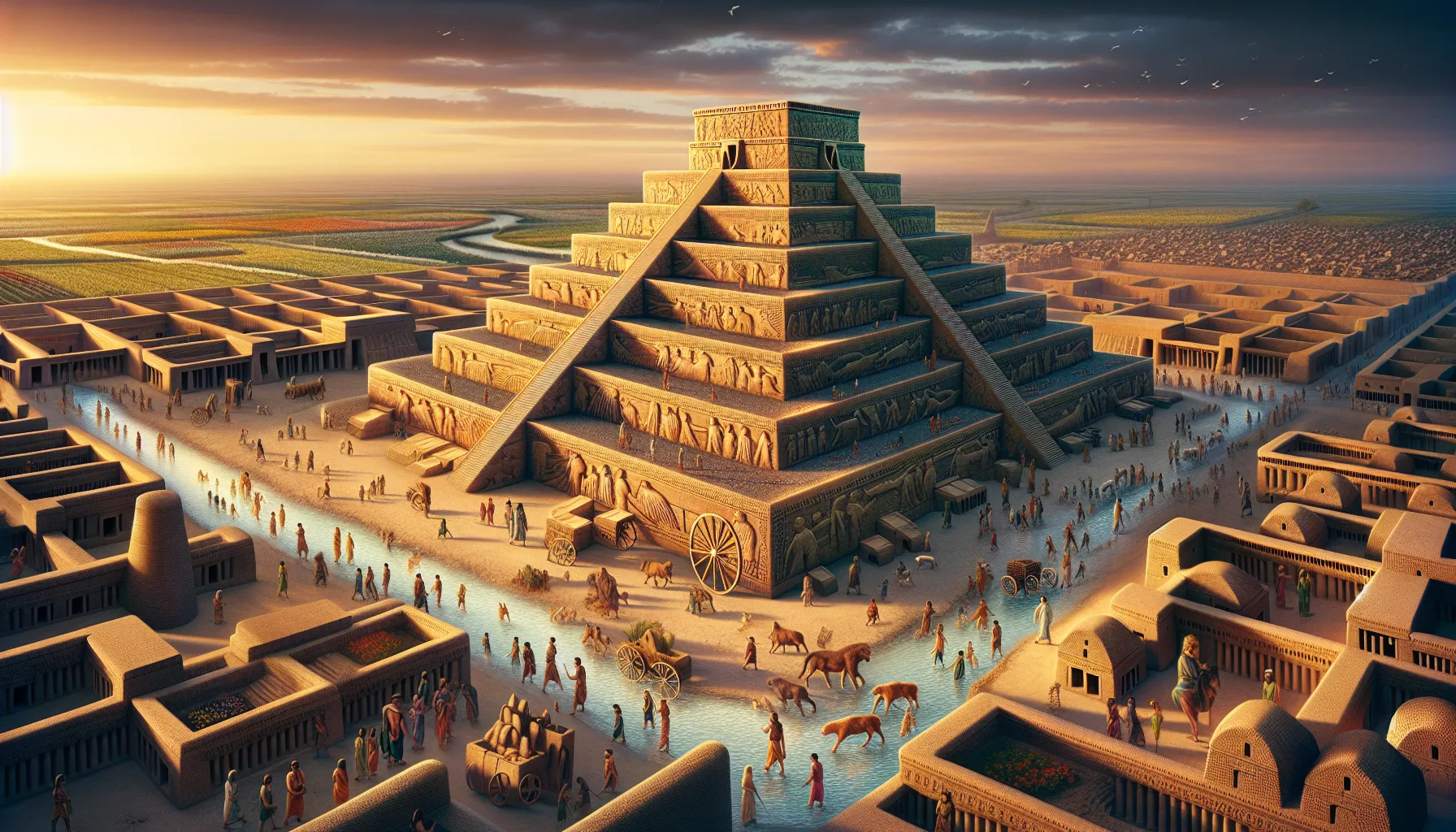
Early Settlements and Cultural Development
Nestled between the Tigris and Euphrates rivers, Mesopotamia, meaning ‘land between rivers’, is often hailed as the birthplace of civilization. By around 3100 BCE, Sumerian city-states such as Uruk had risen, showcasing some of the earliest forms of writing (cuneiform), the wheel, and monumental architecture like ziggurats. The geographical advantages of fertile floodplains facilitated agricultural abundance, leading to population growth and urban expansion.
Key Features of Mesopotamian Societies
Mesopotamian societies were characterized by intricate social hierarchies, with priestly and royal classes overseeing governance and religion. The Code of Hammurabi, a legal document originating from Babylon (circa 1754 BCE), exemplifies their advanced methods of lawmaking. Notable contributions include advancements in mathematics, astronomy, and engineering, innovations that influenced countless future civilizations.
Egypt: The Rise Along the Nile

Timeline of Egyptian Dynasties and Innovations
In contrast, Egyptian civilization flourished along the Nile River, with its inception often dated around 3100 BCE during the unification of Upper and Lower Egypt under the pharaoh Narmer. The Old Kingdom period (circa 2686–2181 BCE) witnessed the construction of the iconic Pyramids of Giza, symbolizing unrivaled engineering prowess of the time. Egypt’s society was deeply intertwined with the natural cycles of the Nile, enabling consistent agricultural productivity.
Cultural and Architectural Achievements in Egypt
The Egyptians pioneered monumental tomb construction, hieroglyphic inscription, and a profound understanding of medicine and natural sciences. Religious beliefs were deeply embedded in their way of life, influencing their art and governance. The repetitive patterns of inundation provided stability, allowing their culture and economy to prosper uninterrupted for millennia.
Comparative Analysis of Development Timelines

Chronological Data from Archaeological Discoveries
When analyzing archaeological evidence, Mesopotamian urban centers such as Eridu and Uruk appear to predate consolidated Egyptian society, with settlements emerging as early as 4500 BCE. But, Egypt’s rapid development into an organized state demonstrates a unique pattern of growth relative to Mesopotamian city-states.
Societal Advancements and Mutual Influences
While Mesopotamia is frequently deemed the earlier civilization, Egypt’s contemporaneous progress in governance and cultural unity highlights a distinct evolution. The exchange of ideas and goods between these regions reflects interconnected sources of innovation rather than isolated development.

- WxWidgets Alternatives for Cross-Platform GUI Development - October 22, 2026
- Best Tpu - October 21, 2026
- Mikrotik Product Comparison - October 20, 2026
by Ellie B, Site Owner / Publisher