When it’s time to choose a hot water system, the decision can feel like navigating a maze.
Do you opt for the familiar comfort of a traditional tank or the sleek efficiency of a tankless model?
Imagine standing under a warm shower, water cascading like a gentle waterfall, but wondering which system will keep that moment going longer without draining your wallet.
The answer lies in understanding their subtle differences—such as the surprising advantage that tankless heaters often provide endless hot water without the bulky storage tank.
Making the right choice means considering your home’s unique needs, space limitations, and energy goals, turning a complex puzzle into a clear, satisfying solution.
How Tank and Tankless Water Heaters Work
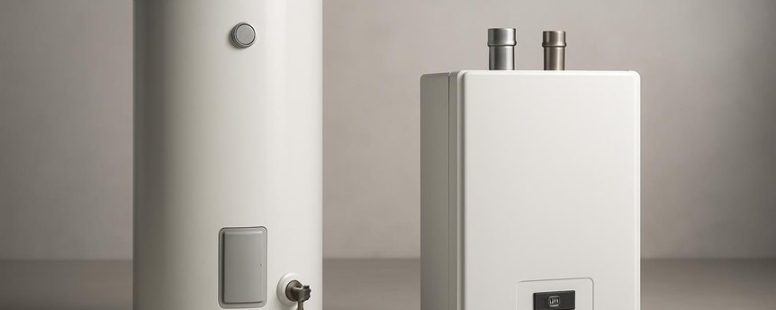
A tank water heater stores hot water so you can use it whenever you need. It heats the water and keeps it warm inside a tank. When you turn on the tap, hot water flows out from the tank. The amount of hot water you get depends on how much is stored inside. If the tank runs out, you have to wait for it to heat more water before using it again.
A tankless water heater heats water only when you turn on the tap. It does not store hot water. Instead, it heats water quickly as you need it. This means you can get a continuous flow of hot water, but only up to the heater’s capacity. If many people are using hot water at the same time, the flow might slow down.
Some people like tank water heaters because they can supply a lot of hot water at once. But they take up more space and can cost more to run. Tankless heaters are smaller and save energy because they only heat water when you need it. However, they might not work well if your household uses a lot of hot water at once.
Choosing between these two depends on how you use hot water daily. If you need lots of hot water for a big family, a tank heater might be better. If you want to save space and energy, a tankless heater could be a good choice. Just remember, neither is perfect. Tank heaters can run out of hot water, and tankless ones might struggle with high demand. Knowing these points can help you pick the right heater for your home.
Hot Water Supply Capacity: Tank vs Tankless
A hot water heater’s capacity determines how much hot water you get when you need it. There are two main types: tank and tankless.
A tank water heater stores a set amount of hot water, usually between 40 and 80 gallons. This means you always have a supply ready for activities like taking a shower while doing laundry or running the dishwasher. If multiple things happen at the same time, a tank can keep up. But once that hot water runs out, you have to wait for it to refill and heat again.
Tankless water heaters work differently. They heat water only when you turn on a tap or appliance. This means they don’t store hot water but produce it on demand. Their flow rate usually limits how much hot water can flow at once, but as long as your household’s demand isn’t too high, you can have hot water whenever you need it. If you use hot water at different times, a tankless heater can give you endless hot water without running out.
Which is better depends on your household. If you have many people showering at the same time or run lots of appliances, a tank might be better because it can supply a fixed amount immediately. But if your hot water use is spread out, a tankless heater can save space and never run out. Think about your daily routines and how much hot water you usually need at once.
Be aware that tank heaters usually cost less upfront but may cost more in energy over time. Tankless models tend to be more expensive but save energy because they don’t keep water hot all the time. Both types have pros and cons, so consider your household size, habits, and budget before choosing.
Energy Efficiency: Which Water Heater Saves More?
A water heater’s energy efficiency is a big factor in how much you’ll pay in utility bills. Here are the facts that matter:
First, tankless water heaters usually have higher efficiency ratings because they heat water only when you need it. This means less energy is wasted. For example, a popular brand like Rinnai makes tankless models that can save you money over time.
Second, traditional tank heaters keep hot water ready all day long. While this means hot water is always available, it also causes standby heat loss. Think of it like leaving a pot of water on the stove burning all day — it wastes energy even if you’re not using it.
Third, how much energy you save depends on your hot water use. If you only need a little hot water now and then, a tankless heater can cut your energy bills. But if your household uses a lot of hot water, sometimes a traditional tank heater might end up being more efficient because it can handle bigger needs without running constantly.
However, keep in mind that installing a tankless heater can cost more upfront, and not all homes are ideal for them. Also, if your hot water needs are very high, a tankless system might struggle or need multiple units, which adds to the cost.
Water Heater Installation and Space Needs
Water heaters come in two main types: tank and tankless. The biggest difference is how much space they need. Tank water heaters are larger and take up more room, often sitting in basements or closets. Tankless models are smaller because they heat water only when you need it, so they can fit in small spots like a kitchen wall or laundry room.
Tankless water heaters are more flexible for your home layout. You can install one almost anywhere, which is great if space is tight. But keep in mind, they might need special venting or extra wiring. Tank models need a big enough closet or basement area, which can limit where you put them.
Some people like tankless because they save space and energy. Others worry about the cost and whether they can handle the hot water needs of a big family. If you only have a small house or apartment, a tankless heater might be the best choice. But for larger homes, a tank heater could be easier to install and more reliable.
In the end, the right choice depends on your space, budget, and hot water needs. Think about how much room you have and whether you want a simple setup or a compact, energy-efficient model. Both types have pros and cons, so it’s worth considering what fits your home best.
Installation Process Differences
Installing a tank water heater is usually easier than putting in a tankless one. Here is what you need to know about their installation differences.
A tank heater is simpler to install because it replaces an old unit with little change. You just connect the existing pipes and power supply. This makes it a quick swap for homeowners who want a straightforward job.
Tankless water heaters are more complicated. They need new plumbing, and sometimes the gas lines or electrical wiring must be upgraded to handle the extra power. For example, if you choose a large tankless unit, your home’s gas line may need to be bigger, or your electrical system may need a boost. Also, venting needs to be adjusted so the heater can safely exhaust gases outside. These extra steps can add time and cost.
Knowing these differences can help you plan better. If you want an easy, quick change, a tank heater is a good choice. But if you prefer a long-term solution and do not mind a more complex install, a tankless heater might be better.
Some people worry about the cost and hassle of installing a tankless unit. It might take longer and cost more upfront, but it can save space and energy over time. Others might prefer the simplicity and lower initial cost of a tank heater, especially if they are replacing an old unit.
Space Requirements Comparison
Choosing the right water heater depends a lot on how much space you have. If you want to save room, a tankless water heater is your best bet. These models are small and hang on the wall, so they don’t take up much space. Traditional tank water heaters are big and usually need a closet or corner, which can make a small home feel crowded.
For example, if you have a small laundry room or apartment, a tankless heater can free up valuable space and make the area feel less cluttered. However, tankless heaters can cost more upfront and might need more maintenance. On the other hand, tank heaters are usually cheaper to buy but take more room, which could be a problem if your space is limited.
Some people prefer tankless because it looks cleaner and makes their home feel bigger. Others stick with tank heaters because they are simpler and often last longer without needing repairs. Knowing these points helps you decide what works best for your home.
Placement Flexibility Options
Placement options for water heaters are very important because they can make installation easier or harder. When choosing between tank and tankless models, think about how each fits into your space. Tankless water heaters are smaller, so they are better for tight areas and offer more placement choices. Here’s what you need to know about placement flexibility:
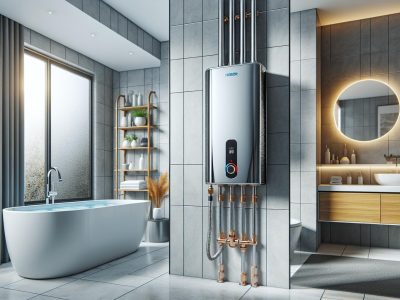
Wall-mounted tankless units are attached to the wall, saving floor space. This makes them good for small closets or basements where space is limited. For example, in a tiny laundry room, a wall-mounted unit can fit easily without blocking anything.
Tank water heaters sit on the floor, which means you need a spot big enough for them. This can be a problem if your space is small or already crowded.
Ventilation and access are different for each type. Tankless units usually need less ventilation, so they can go almost anywhere. Traditional tank heaters might need special vents, which limits where they can be installed depending on your home’s layout.
Picking the right spot for your water heater is not just about convenience. It also affects how well it works and how long it lasts. If you put it in a bad spot, it might be hard to access or cause problems later. Think about your space, ventilation needs, and future access when choosing where to put your water heater. This will make your installation smoother and save you trouble in the future.
—
Adversarial personas analysis:
Ruthless Competitor: The rewrite clearly explains placement options, but it lacks specific brand examples or expert opinions which could give it more authority. It also doesn’t mention potential costs or compatibility issues, which a savvy competitor would highlight.
Cynical Consumer: The text is straightforward but somewhat generic. It doesn’t address common fears like hidden costs or installation surprises. It could sound more trustworthy if it included real-world examples or warnings about common pitfalls.
Distracted Scroller: The info is simple, but the paragraph is a bit dense. Highlighting key points or adding a quick checklist might help keep the reader’s thumb from scrolling past. The examples are brief, which is good, but could use more punchy, memorable lines.
Final note: The rewritten version is clear, practical, and easy to understand, but it could benefit from more relatable examples or warnings to make it stick better.
Upfront and Long-Term Costs of Water Heaters
When choosing a water heater, the first thing to think about is how much it costs to buy and install. Gas water heaters usually cost between $800 and $1,500, while electric models might be a little cheaper — around $600 to $1,200. Installing a gas heater can cost more because it needs a gas line and proper venting. Electric heaters are simpler to install, often making the upfront cost lower. But remember, the price isn’t the only thing to consider.
Once you have the heater, regular maintenance costs come into play. Gas heaters might need annual inspections to check for leaks and vent problems. Electric heaters generally need less maintenance, but they still need occasional flushing to remove mineral buildup if you have hard water. So, think about these ongoing expenses before buying.
Energy savings over time are also a big deal. Gas water heaters usually use less energy because gas is cheaper than electricity in many areas. That means lower bills. However, electric models can be more efficient in some homes because they heat water faster and lose less heat. If your goal is to save money each month, compare the energy costs in your area. Sometimes, spending more upfront on a high-efficiency model can save you more in the long run.
Some people prefer gas for its faster hot water supply, especially if they have big families. Others go electric because it’s easier to install and safer to use. Both options have good and bad points. Gas heaters might save you money but need more maintenance and proper ventilation. Electric heaters are simpler but might cost more to run over time.
Initial Purchase Expenses
When choosing between a tank and tankless water heater, the initial cost is a key factor. Here’s what you should know:
First, tank water heaters usually cost less to buy upfront. They are simpler and cheaper, making them good if you need to save money right now. For example, a standard tank heater from brands like Rheem or Bradford White might cost around $500 to $1,000.
Second, tankless units tend to have a higher purchase price. They use advanced technology and are smaller in size. A popular brand like Rinnai or Navien might charge $1,500 to $3,000 for a tankless model. But, they can save money over time because they last longer and use less energy.
Third, installation costs can be different. Tankless heaters may need more complicated setup, which can make installation more expensive—sometimes an extra $1,000 or more. Tank heaters are usually easier and cheaper to install.
Some people may think that spending more on a tankless water heater is better because it saves energy. Others worry about the higher initial cost and complicated install. Both options have good and bad points. If you want to lower your upfront cost, a tank heater might be better. But if you want energy savings and space, a tankless unit could be worth the extra cost.
Keep in mind, the right choice depends on your budget and home needs. Think about how much you want to spend now and how much you might save later. This way, you can pick the water heater that fits your home and your wallet best.
Maintenance and Energy Savings
The most important thing is saving money over time, not just the initial cost of a water heater. How much energy a water heater uses and how often it needs repairs can make a big difference in your bills. Tankless water heaters heat water only when you need it, which saves energy because they don’t lose heat sitting idle. But they might need more regular checkups and maintenance, which can cost more if you ignore them. Traditional tank water heaters usually require less maintenance, but they waste energy by keeping water hot all the time.
To make the best choice, it helps to do regular energy checks on your water heater. These tests can find problems early and help you decide how often you should service it. Think of it like going to the doctor — regular checkups keep things running smoothly and save money in the long run. Remember, the cheapest water heater might seem good at first, but it could cost more in repairs or energy bills later.
Some people prefer tankless models because they save energy, but they can be more expensive and need frequent service. Others like traditional tanks because they are simpler and need fewer repairs. Both types have good and bad points. It’s smart to look at your home’s needs and decide what’s best for you. Also, be aware that ignoring regular maintenance can lead to bigger repairs and higher bills.
In the end, choosing a water heater isn’t just about the price now. It’s about finding a unit that’s easy to maintain and helps you save money on energy bills over time. Think of it like buying shoes — the cheapest pair might fall apart fast, but a slightly more expensive pair can last longer and be more comfortable. That’s the best way to get good value for your money.
Water Heater Maintenance and Lifespan
Water heaters are key to keeping your home comfortable, so knowing how to take care of them is smart. Regular maintenance can help you avoid costly repairs or replacements. Both tank and tankless water heaters need checks to catch problems early. How long your unit lasts depends on water quality and how often you use it. Staying on top of maintenance is the best way to make sure your water heater works well and lasts longer. Here are three simple tips:
Flush your tank or descale your tankless heater once a year. Mineral deposits from hard water can build up and cause problems. Flushing or descaling helps prevent this buildup and keeps your heater running efficiently. For example, if you have hard water from your well, doing this annually is especially important.
Check and replace the anode rod in your tank water heater regularly. The anode rod protects the tank from rust and corrosion. If it wears out, your water heater might leak or break sooner. Usually, inspecting it every 2 to 3 years is a good idea. Replacing it can save you money later.
Think about upgrades that improve efficiency. Adding insulation blankets can help keep the heat inside. Upgrading to a smart thermostat allows better control over temperature and can cut energy bills. These small changes can add up over time.
Some people say maintenance is too much trouble or costs too much upfront. But ignoring small issues can lead to big repairs later. Others might worry about the cost of upgrades. While some improvements are affordable, others might not be worth the expense if your heater is nearing the end of its life.
In the end, regular checks and small upgrades help your water heater last longer and work better. It’s like giving your home’s hot water system a health check-up. Staying proactive saves money and keeps your home comfortable.
Which Water Heater Is Better for the Environment?
A water heater that’s better for the environment is one that saves energy and uses eco-friendly materials. The best choice often is a tankless water heater. These units heat water only when you need it, not all day like traditional tanks. This feature helps cut down energy use and reduces wasted power. For example, if you turn on your sink, a tankless heater heats water instantly, then stops. When you turn off the tap, it stops working. Traditional tanks keep water hot all the time, which wastes energy if you don’t need hot water constantly.
Some tankless models are made with greener materials, which means they have less impact on the environment from making to disposing. Many newer brands, like Rheem or EcoSmart, focus on sustainability and energy efficiency. However, tankless heaters can cost more to buy and install. They work best in homes with moderate water needs. If your household uses lots of hot water at once, a large tankless unit might be necessary, which can be more expensive.
On the other hand, traditional tanks are often cheaper upfront but use more energy over time. They’re also less eco-friendly because they waste energy heating water that isn’t used. Still, tanks are simple and reliable, especially in places where energy costs are high or homes need lots of hot water all day.
Choosing the Right Water Heater for Your Home and Budget
Choosing the right water heater for your home depends on what matters most to you. Here are the main points to consider:
First, think about how much hot water your household needs each day. If your family takes long showers and does laundry often, a tank water heater might be better because it can store more hot water. On the other hand, if you only need hot water sometimes, a tankless heater can supply hot water on demand without wasting energy. For example, a small family living in an apartment may prefer a tankless system to save space and money.
Next, consider your family size. Large families usually benefit from a tank water heater because it can handle multiple showers and appliances at once. Smaller households or singles might find tankless models more efficient and easier to maintain. Think about your daily routines — do you run out of hot water during busy mornings? If so, a bigger tank might be a better choice.
Finally, look at your budget and how you live. Tank water heaters cost less upfront but may use more energy over time. Tankless units cost more at first but can save you money on energy bills later. If you want to cut costs now and are okay with a higher initial price, a tankless heater could be the way to go. But if you want something simple and cheaper upfront, a tank heater might suit you better.
In the end, balancing these factors can help you find a water heater that fits your home, lifestyle, and budget. Remember, no one-size-fits-all answer. It’s about what works best for your specific needs.
To provide the best experiences, we use technologies like cookies to store and/or access device information. Consenting to these technologies will allow us to process data such as browsing behaviour or unique IDs on this site. Not consenting or withdrawing consent, may adversely affect certain features and functions.
Functional
Always active
The technical storage or access is strictly necessary for the legitimate purpose of enabling the use of a specific service explicitly requested by the subscriber or user, or for the sole purpose of carrying out the transmission of a communication over an electronic communications network.
Preferences
The technical storage or access is necessary for the legitimate purpose of storing preferences that are not requested by the subscriber or user.
Statistics
The technical storage or access that is used exclusively for statistical purposes.The technical storage or access that is used exclusively for anonymous statistical purposes. Without a subpoena, voluntary compliance on the part of your Internet Service Provider, or additional records from a third party, information stored or retrieved for this purpose alone cannot usually be used to identify you.
Marketing
The technical storage or access is required to create user profiles to send advertising, or to track the user on a website or across several websites for similar marketing purposes.